New Paths to Health: My Visit to a Holistic Health Network on Waiheke Island

 · 5 min read
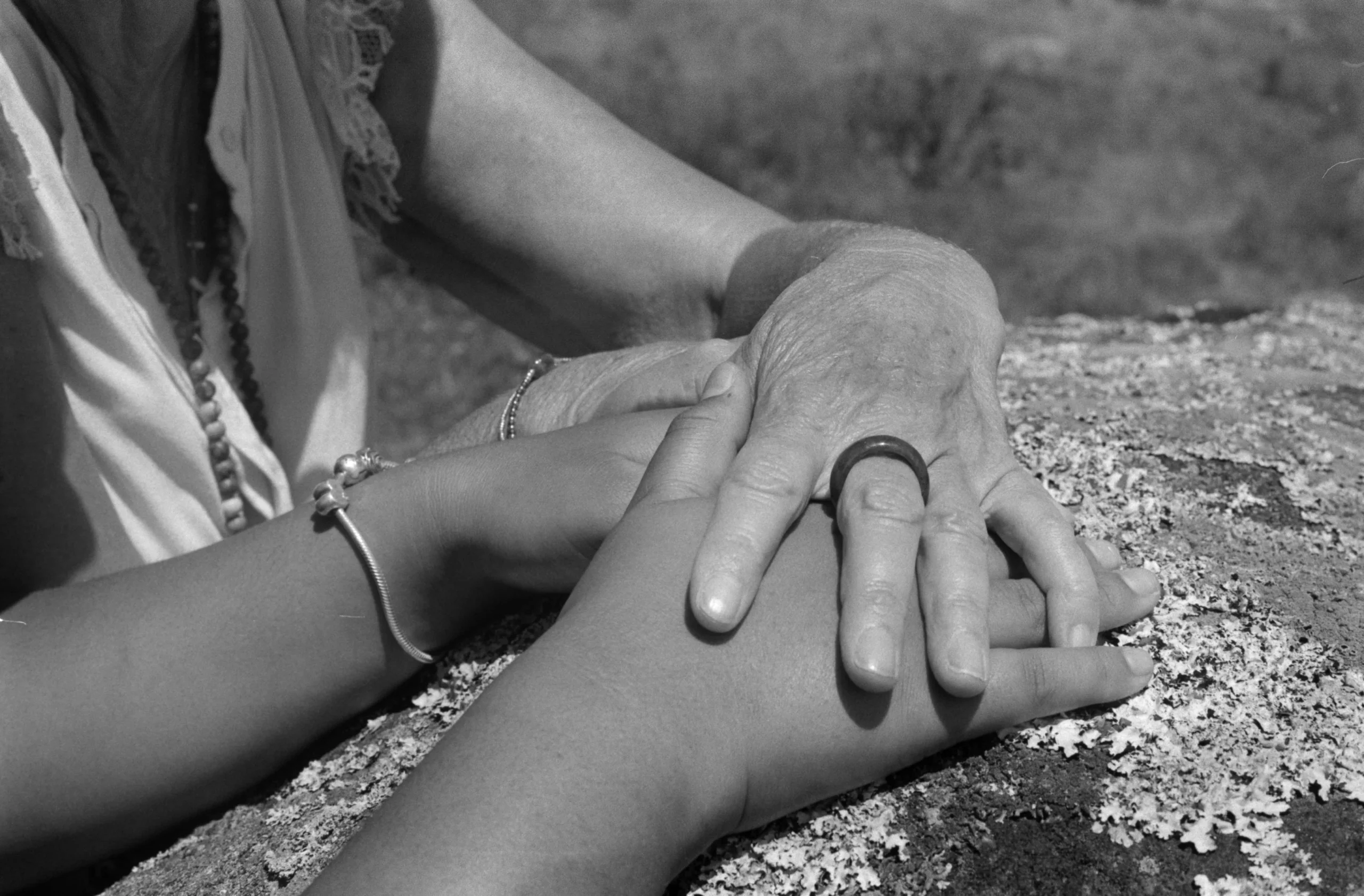
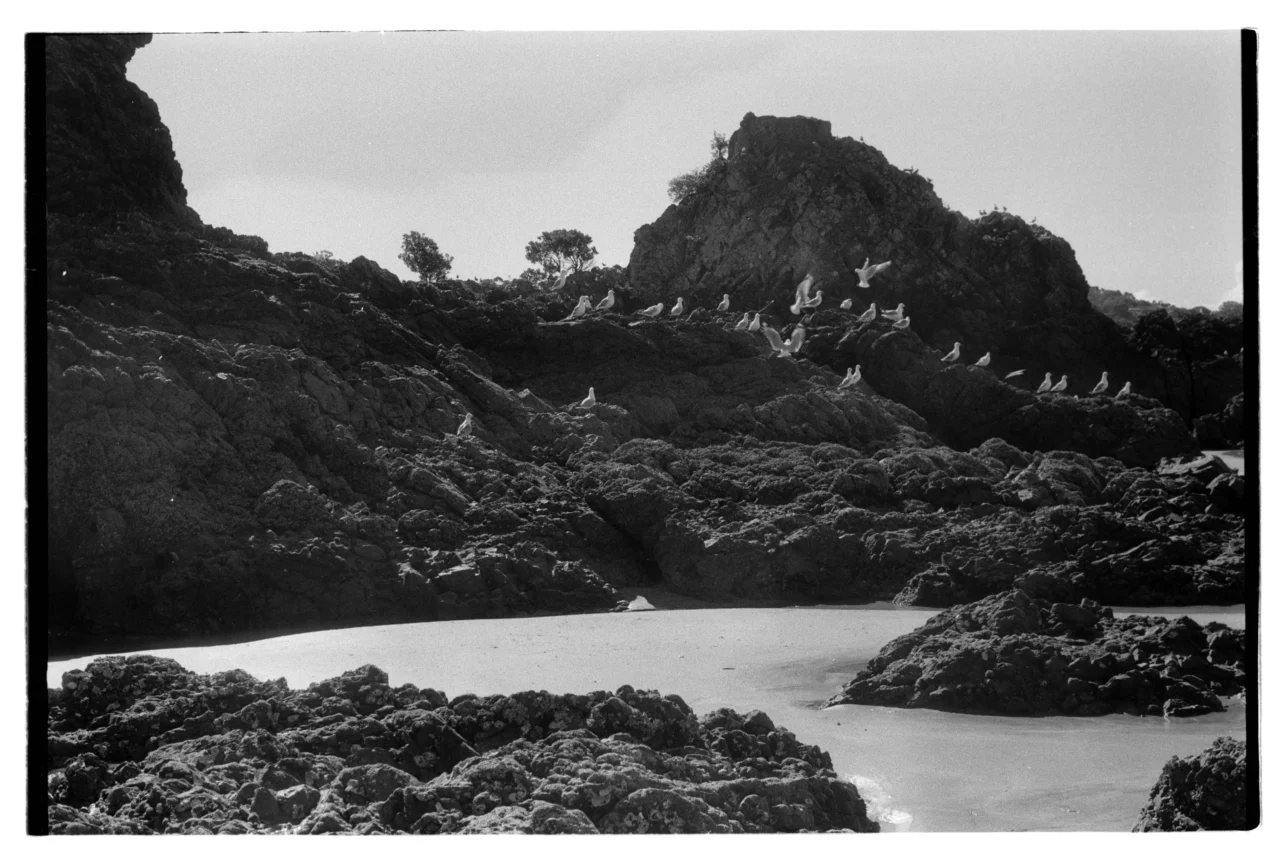
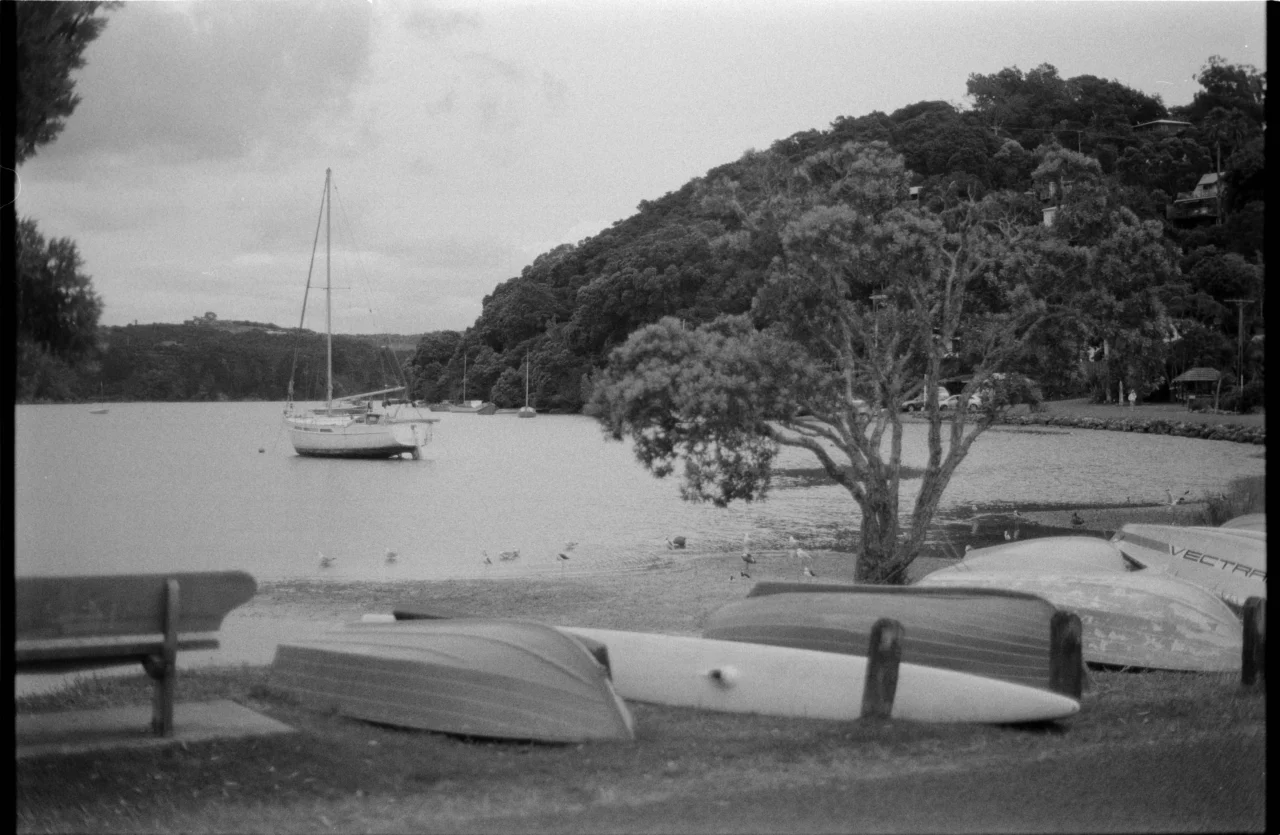
At the beginning of the year, I had the wonderful opportunity to escape the winter for a while and travel to New Zealand. I spent most of my time on Waiheke Island, a small island near Auckland – a place full of creative initiatives and free spirits who inspire you to think outside the box.
During my stay, I came across a Holistic Health Hub which, every Wednesday, offers a space where people from all kinds of backgrounds and with all kinds of complaints can come together. Practitioners there offer various forms of holistic treatment on a donation basis – from homeopathy, massage, Reiki, nutritional advice and pain management to osteopathy, energy work, qigong and much more.
In an interview with some of those involved, I learnt how they define health, what motivates them and against what background community health initiatives like this one come into being. The conversations made it clear that it is above all about community, self-determination and new perspectives on health.
The hub emerged in the context of social changes during and after the COVID-19 pandemic – a time when some people felt they were no longer able to act autonomously – and sees itself as an alternative, community-based complement to existing healthcare services.
How the hub came about
The hub on Waiheke has existed for about two years. It is part of a network of community-run health hubs in New Zealand that belong to the People’s Health Alliance (PHA) – a movement that originated in the UK and has spread internationally in recent years.
One of those involved told me that in the early days he handed out flyers in the street to make people aware of what was on offer. Today, you have to arrive early enough to get a slot for the treatment you want. But it is no big deal – if you miss out, you simply get to know a different practitioner. And perhaps that is part of the idea: being open, discovering new things and broadening your own horizons.
The thinking behind a hub like this is to accompany people on their individual health journeys. In the interview, one practitioner summed up the core idea of the hub as follows:
‘The vision was to create a health system that informs and supports people and empowers them to make their own decisions about their health.’
My visit inspired me to see health as more than something purely physical. Even a massage can – besides its purely physical effects – change something on a psychological and perhaps even a communal level. Afterwards, I go through the day with a different feeling, meet people differently and give away a smile. And perhaps it is precisely these small changes in our own wellbeing that radiate outwards and, in the end, benefit not only the individual but the community as well.
How is holistic health understood?
At the PHA, the point is not to separate conventional medicine from alternative approaches. Rather, it is about bringing together different kinds of knowledge about health and sharing them as a community. Everyone contributes what they know and can do. One practitioner put it like this in the interview:
‘It’s about bringing all the knowledge and all the methods together and then letting people decide for themselves what the best path is for them – and not saying: you have to do this to get well.’
A homeopath also told me that, for her, everything is connected:
‘What we think and feel affects our body sooner or later.’
As a result, she often begins with long conversations with her patients to learn more about their life situation, stress, emotions or personal experiences before she even starts any specific treatment.
The aim of the treatments is therefore not only to treat individual symptoms but to look at the person as a whole and to accompany them on their individual path towards greater wellbeing .
Another important principle is that, for the initiative, health is more than just the absence of illness – so it is not about taking health seriously and paying attention to it only once symptoms appear, but about shaping your life so that you stay in balance as much as possible.
In this context, another participant described her understanding of illness in these words:
‘Illness is the inability to be in flow.’
She explained that illness can arise when people, for example, constantly fight against their own life situation, have bad habits or are under severe emotional stress . Health here, then, means not just being free of symptoms but feeling in balance in your own life, in your own body and in everyday life.
The community idea
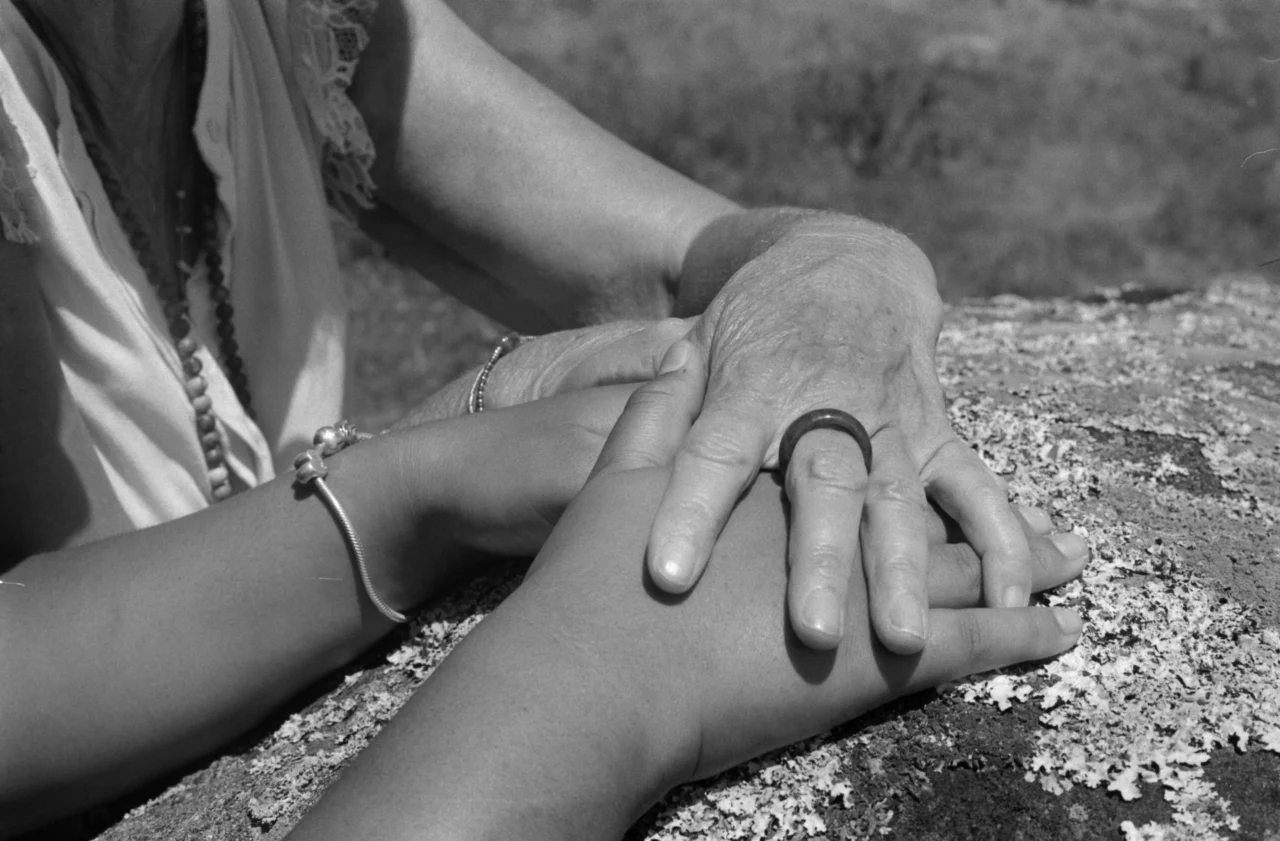
Alongside the understanding of health, the idea of community also played a central role. Some of the practitioners treat one another and exchange ideas about their methods. They meet outside the regular sessions to reflect on whether they are working in line with their shared guidelines and goals.
One participant described this in the interview as follows:
‘We can support each other, and that’s the beautiful thing about the PHA. Sometimes we also work on each other – I’ve been on your treatment table and you’ve been on mine. We support each other, and that’s something really special.’
Beyond its internal community, however, the hub is also meant to be a shared place for the whole community. It is not only a meeting point for therapies but also a social meeting place where people can talk openly with one another, ask questions and share experiences.
Conclusion
The Holistic Health Hub on Waiheke Island showed me how health can also be understood as a shared, communal task, and how people can learn from, benefit from and be strengthened by a wide variety of approaches. The conversations and experiences there inspired me to look at my own health from different perspectives – emotional, physical, psychological and perhaps spiritual too – and to ask myself where I might be out of balance. Instead of sitting back and simply having individual symptoms treated, I found myself wanting to shape my health more actively and consciously.
Whatever you think of individual methods, the conversations made it clear that many people are looking for new ways to think about health more holistically and, in doing so, to feel more self-determined and empowered. Our body is a true marvel – and we often know far less about it than we could.
Photo: Rosanna Verena Steingaß
This is not necessarily about replacing existing medical systems, but rather about complementing them and putting people back at the centre. The hub on Waiheke Island is an example of how community, exchange and different perspectives on health can come together – and also of how health is created not only in treatment rooms but in our connections with one another.
Rosanna Verena Steingaß (psychology student)
Deepen your meditation practice with Mindfulife
Meditation can be more than a short break in your everyday life. If you would like to understand more deeply how meditation works, how to build a steady practice of your own and how to guide others mindfully, our meditation teacher training is the next step. There you will not only get to know meditation in theory, but also develop more confidence, clarity and trust in your own practice.
Would you like to find out more about the training first? In our weekly webinar you will get an insight and learn more about what your path to becoming a meditation teacher could look like.
For regular support in your everyday life, you can also use our online meditation studio and join guided meditations flexibly via Eversports.
We look forward to accompanying you on your journey.