How can you reduce stress? 5 tips to help you

 · 4 min read
Reducing stress – if you’re wondering how it works and how you, too, can reduce stress efficiently, then you’ve come to the right place! We hope you enjoy reading!
How can I reduce stress?
Stress is a natural reaction of the body and mind to (excessively) high demands. From a medical point of view, it is a physical reaction intended to make the body more capable for a short time. If this reaction is short-lived, it doesn’t pose a problem. It’s a different story, however, when a person is exposed to stress over a longer period.
Not only does it fray your nerves, it can also weaken the immune system. People who are exposed to an above-average amount of strain are therefore at a considerably higher risk of developing depression or suffering a heart attack.
Of course, it doesn’t have to come to that, but the problems that arise from stress, such as headaches, muscle tension, sleep problems or stomach complaints, can also become unwelcome everyday companions. The distress and its side effects then often lead to further problems, such as social withdrawal or quickly becoming irritable.
Since the start of the coronavirus pandemic, it has become apparent that people are suffering from even higher stress levels, as they have to cope with new problems and the future seems uncertain for many.
This raises the question of how we can protect ourselves from stress, or reduce it effectively once it has already set in.
Below you’ll find an overview of the five best methods for managing stress.
Exercise as an outlet
You’ve probably heard the tip to do sport to counteract stress many times before. And rightly so! Any kind of physical activity can reduce stress, because hormones are released while you’re moving. Endurance sports, dancing or even just going for a walk release endorphins and serotonin. These are hormones that not only reduce stress but are also responsible for feelings of happiness. On top of that, you’re also boosting your cognitive abilities, as physical activity supplies the brain with more oxygen, helping your grey cells work even better. The more regularly you’re physically active, the more resistant you become! So, what are you waiting for?
A healthy diet
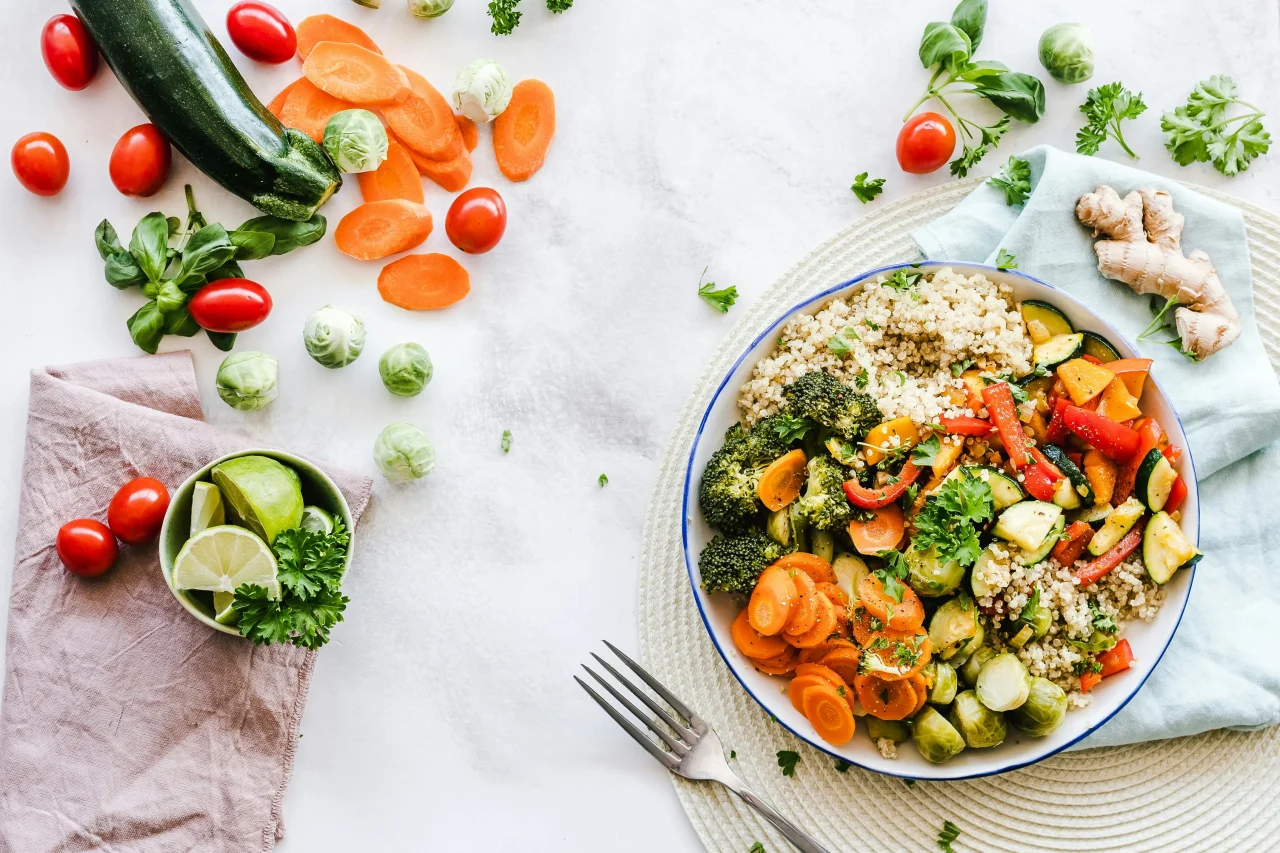
If you’re good to your body, it will be good to you in return. A healthy diet can improve your mood, counteract mood swings and, with certain foods, even reduce the release of cortisol, a stress hormone. So instead of coffee, why not reach for green tea more often. In general, also make sure you include plenty of foods high in vitamin B in your diet, as it effectively counteracts the production of cortisol. Foods rich in vitamin B include fish, dairy products, avocados, bananas and oats. That doesn’t sound too bad, does it? In our article Mindful eating we look at how these foods have a positive effect on your health and wellbeing.
Time for social contact
Few things have been confirmed by science so often, are recommended more, or work more effectively against stress than spending time with people you can be yourself with and feel comfortable around. Take the time to do something with friends, family members or your partner. Researchers have found that this lowers cortisol levels, increases resistance and helps you become more resilient.
Enough sleep
Sleep better – Sure, that’s easy to say when you’re already suffering from stress and dreading the next night, in which you’ll probably get far too little sleep yet again. Still, try to optimise your sleep by actively supporting sufficient melatonin production before going to bed. Melatonin is a hormone that is essential for good sleep.
Avoid doing sport shortly before going to bed, try to steer clear of screens and therefore blue light for an hour before bedtime, and make sure your bedroom is as dark as possible. Also, make a point of developing a sleep routine and sticking to it, which means going to bed and getting up at the same time whenever possible.

Which relaxation techniques help to reduce stress?
When practised correctly, relaxation techniques help the autonomic nervous system to wind down and, with regular use, make it easier for you to relax. Try out different relaxation techniques. Methods such as yoga, progressive muscle relaxation or various kinds of meditation are a good place to start.
Each method has its advantages: With yoga you can escape your thoughts and focus on your body, the movements and your physical sensations, and so reduce stress. With progressive muscle relaxation you can consciously work on releasing tension and inner restlessness. With meditation you can become aware of your own feelings and physical needs, free yourself from negative thoughts and gain mental clarity.
Try out different methods, see what makes you feel good and develop a routine. You’ll be thanking yourself very soon!
Mindfulness and pain
Now you know how to reduce stress. If you’d also like to learn about mindfulness and pain, we have a suitable article for you here!
Deepen your meditation practice with Mindfulife
Meditation can be more than a short break in your everyday life. If you would like to understand more deeply how meditation works, how to build a steady practice of your own and how to guide others mindfully, our meditation teacher training is the next step. There you will not only get to know meditation in theory, but also develop more confidence, clarity and trust in your own practice.
Would you like to find out more about the training first? In our weekly webinar you will get an insight and learn more about what your path to becoming a meditation teacher could look like.
For regular support in your everyday life, you can also use our online meditation studio and join guided meditations flexibly via Eversports.
We look forward to accompanying you on your journey.
You can find more mindfulness inspiration on our channels too
References
Ahead. (o. D.). Schlaf optimieren: Die besten Tipps für einen erholsamen Schlaf in der Nacht. Ahead. Abgerufen am 21. August 2025, von https://www.ahead-nutrition.com/blogs/magazin/schlaf-optimieren
Anti-Stress-Team. (2019). Warum gute Freundschaften gegen Stress helfen (und wie du sie pflegst). Anti-Stress-Team. Abgerufen am 21. August 2025, von https://anti-stress-team.de/warum-gute-freundschaften-gegen-stress-helfen
Allgemeine Ortskrankenkasse (AOK). (2020). Die besten Entspannungsübungen bei Stress. AOK. Abgerufen am 21. August 2025, von https://www.aok.de/pk/magazin/wohlbefinden/entspannung/die-besten-entspannungsuebungen-bei-stress
DAK-Gesundheit. (o. D.). Wie der Sport den Stress besiegt. DAK-Gesundheit. Abgerufen am 21. August 2025, von https://www.dak.de/dak/gesundheit/wie-der-sport-den-stress-besiegt-2079738.html
Freeletics. (2015). Clean eating: 5 Gründe, warum es sich lohnt, gesund zu essen. Freeletics. Abgerufen am 21. August 2025, von https://www.freeletics.com/de/blog/posts/clean-eating-5-gruende
Bodenmann, G. (2013). Stark gegen Stress: Mehr Lebensqualität im Alltag. Zürich, Schweiz: Beobachter-Edition.
Gymondo. (2015). Diese 10 Nahrungsmittel helfen gegen Stress. Gymondo. Abgerufen am 21. August 2025, von https://www.gymondo.com/magazin/ernaehrung/lebensmittel-gegen-stress
Meine-Gesundheit.de. (2020). Stress. Meine-Gesundheit.de. Abgerufen am 21. August 2025, von https://www.meine-gesundheit.de/stress