How can I boost my wellbeing?

 · 2 min read
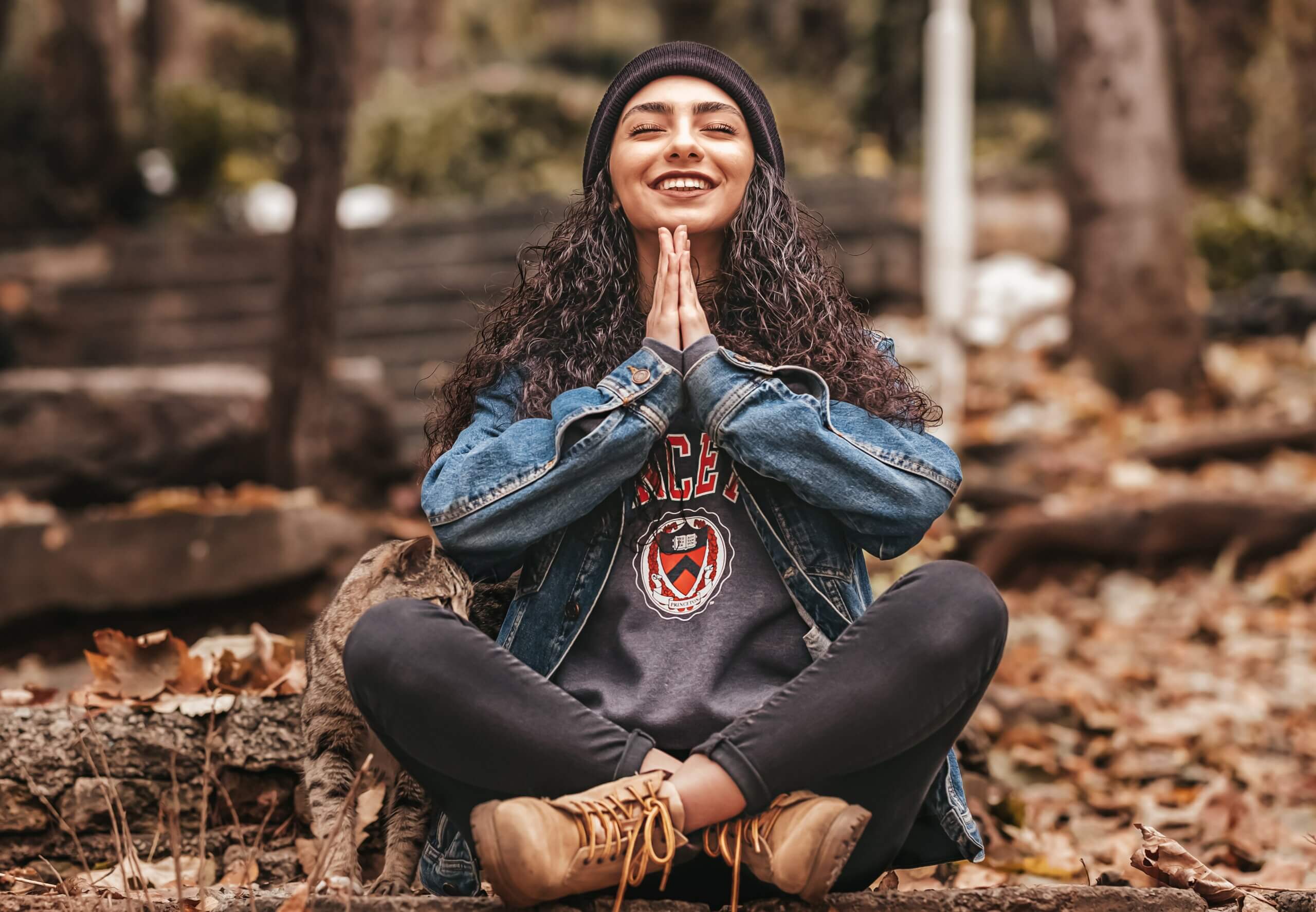
Over the past few years, meditation has become increasingly popular in the Western world. This raises the question: is meditation also capable of actively creating something positive? Can meditation directly boost our wellbeing? In this article, we want to get to the bottom of this question.
Does meditation contribute to wellbeing?
Lahtinen and Salmivalli (2019) directly investigated the relationship between meditation and life satisfaction. Their study participants completed an eight-week mindfulness-based meditation programme. The results showed that the more minutes participants spent meditating, the more their subjective rating of their own satisfaction improved.
It is worth noting that this was a meditation programme delivered online.
The results of this study were also confirmed by Campos et al. (2015). Here, too, participants’ satisfaction increased with the length of time they spent meditating.
In addition, Campos et al. (2015) were able to show that the ability to observe, which is part of the concept of mindfulness, plays a particular role. The ability to observe mediated the relationship between meditation and satisfaction, thereby underlining the relevance of mindfulness-based programmes.

How can I boost my mental and physical wellbeing?
Krygier et al. (2013) carried out similar research. In their study, however, participants did not take part in a programme lasting several weeks, but practised meditation on a retreat. Wellbeing was explicitly increased, and a significant improvement in participants’ wellbeing was still evident after the retreat.
Apart from participants’ subjective rating of their wellbeing, this study also measured heart rate variability – an indicator of how adaptable the cardiovascular system is. This, too, showed improved values after the retreat – suggesting that meditation practice increases not only mental but also physical wellbeing.
How does meditation work in everyday life?
Meditation in everyday life – so how can these findings be applied to our daily lives? Alongside its preventive and healing effects on mental states we experience as negative, meditation can be a great help to us.
But even when we are not under acute strain, it helps us to keep boosting our physical and mental wellbeing. The concept of mindfulness in particular seems to be relevant here, as not every form of meditation is based on its principles. It makes sense – mindfulness-based meditation helps us to settle down, leave the stress of the day behind us and be aware of the present moment.
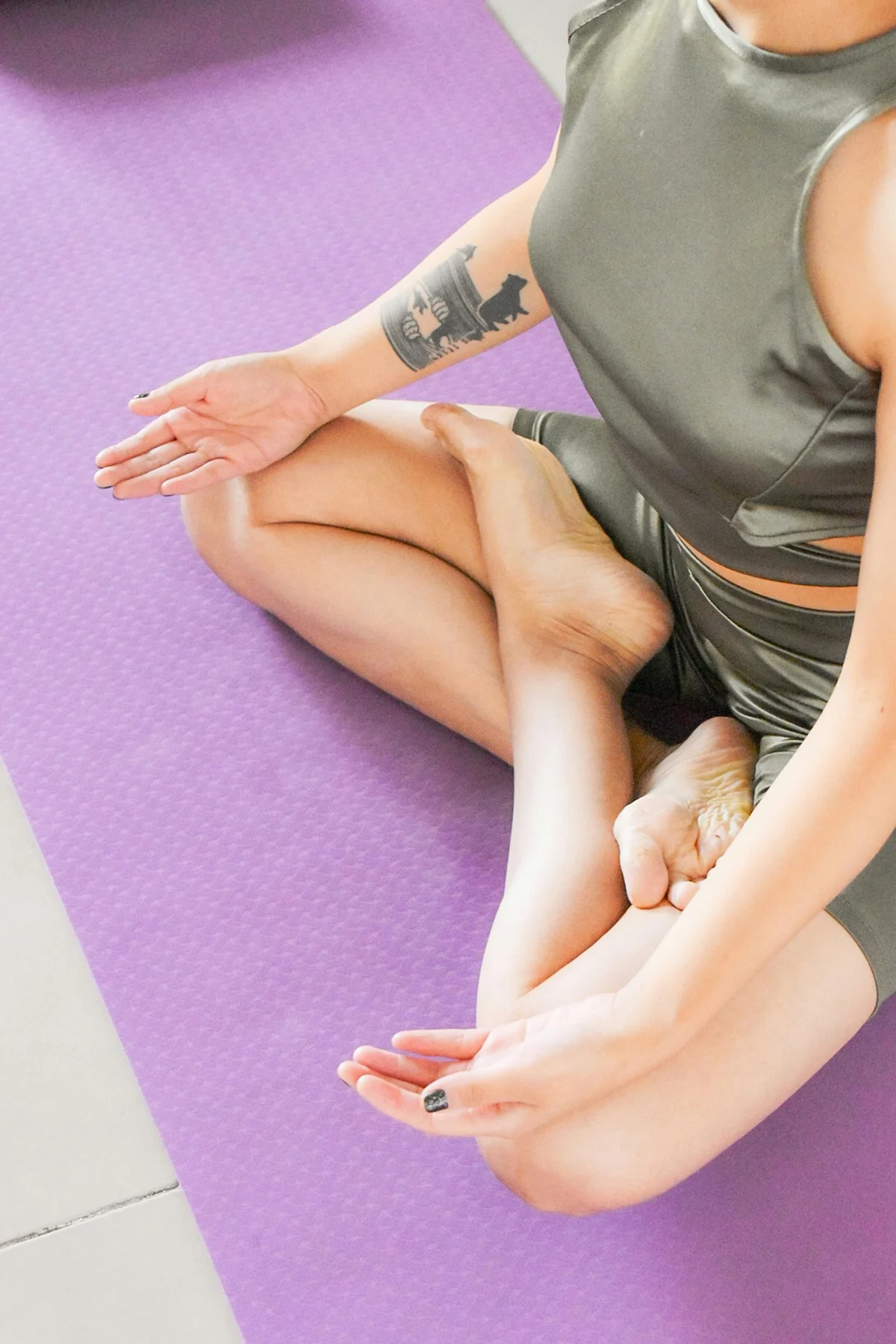
Boost your wellbeing – 3 exercises for you
- Gratitude and gratitude exercises: gratitude can support your emotional stability and social relationships, and in doing so also boost your wellbeing. It can help you to feel more satisfied in general.
- Meditative walks: meditating in nature can bring a particularly deep sense of calm and serenity. Feel free to combine it with a hike if you enjoy being physically active while you meditate.
- Meditating online: if you feel most comfortable at home and would like to work on your wellbeing from there too, online meditation could be just right for you. That way you can be flexible with your time and fit everything entirely around your needs.

Boost your wellbeing – we are here for you
If you now feel like giving mindfulness-based meditation a try, why not drop by our YouTube channel? There you will find guided meditations that you can join at any time, with no commitment.
We look forward to meeting you!
Deepen your meditation practice with Mindfulife
Meditation can be more than a short break in your everyday life. If you would like to understand more deeply how meditation works, how to build a steady practice of your own and how to guide others mindfully, our meditation teacher training is the next step. There you will not only get to know meditation in theory, but also develop more confidence, clarity and trust in your own practice.
Would you like to find out more about the training first? In our weekly webinar you will get an insight and learn more about what your path to becoming a meditation teacher could look like.
For regular support in your everyday life, you can also use our online meditation studio and join guided meditations flexibly via Eversports.
We look forward to accompanying you on your journey.
You can find more mindfulness inspiration on our channels too
References
Campos, D., Cebolla, A., Quero, S., Bretón-López, J., Botella, C., Soler, J., García-Campayo, J., Demarzo, M. & Baños, R. M. (2016). Meditation and happiness: Mindfulness and self-compassion may mediate the meditation–happiness relationship. Personality and Individual Differences, 93, 80–85. https://doi.org/10.1016/j.paid.2015.08.040
Krygier, J. R., Heathers, J. A. J., Shahrestani, S., Abbott, M., Gross, J. J. & Kemp, A. H. (2013). Mindfulness meditation, well-being, and heart rate variability: a preliminary investigation into the impact of intensive Vipassana meditation. International journal of psychophysiology : official journal of the International Organization of Psychophysiology, 89(3), 305–313. https://doi.org/10.1016/j.ijpsycho.2013.06.017
Lahtinen, O. & Salmivalli, C. (2020). The relationship between mindfulness meditation and well-being during 8 weeks of ecological momentary assessment. Mindfulness, 11(1), 255–263. https://doi.org/10.1007/s12671-019-01248-x