Plants and Mindfulness – What Is the Connection?

 · 8 min read
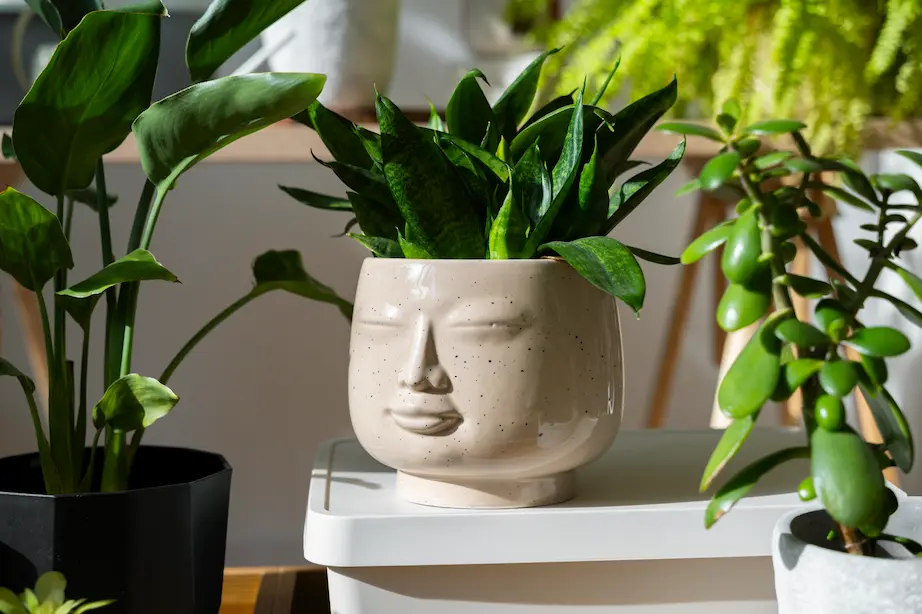
Most people have a plant in their home. Whether it is a cactus, a palm or an orchid, each one is special in its own way. So we encounter plants every day, be it at home, on the way to work or on a walk in nature. They bring many benefits and have positive effects on the human body. If you would like to know what these positive effects are, how the different types differ from one another, which plant is perfect for your own needs and how plants contribute to a more mindful life, then this blog article is a must-read for you.
Are all plants the same?
There are many different types of plants. Most of us probably buy our plants mainly for their looks. Here, the preference clearly leans towards those that stay green all year round and occasionally flower as well.
However, there are also plants that not only look beautiful but also serve an important purpose for our society. Useful plants and medicinal plants fall into precisely this category.
As the name suggests, useful plants (or crops) are those that provide a yield for humans and animals. Some plants serve as a food source for us humans. From them we harvest fruit or vegetables, and we can even eat their roots or leaves. Others, in turn, serve as a food source for animals. Plants can also be excellent sources of essential oils , which can be used during a meditation, for example.
Medicinal plants are a subcategory of useful plants. They are plants used as remedies to support people when they are ill. However, medicinal plants can also help before an illness begins and can even have a preventive effect. One of the best-known is psyllium. Psyllium husks are a natural bulking agent and help with digestive complaints and chronic bowel diseases.
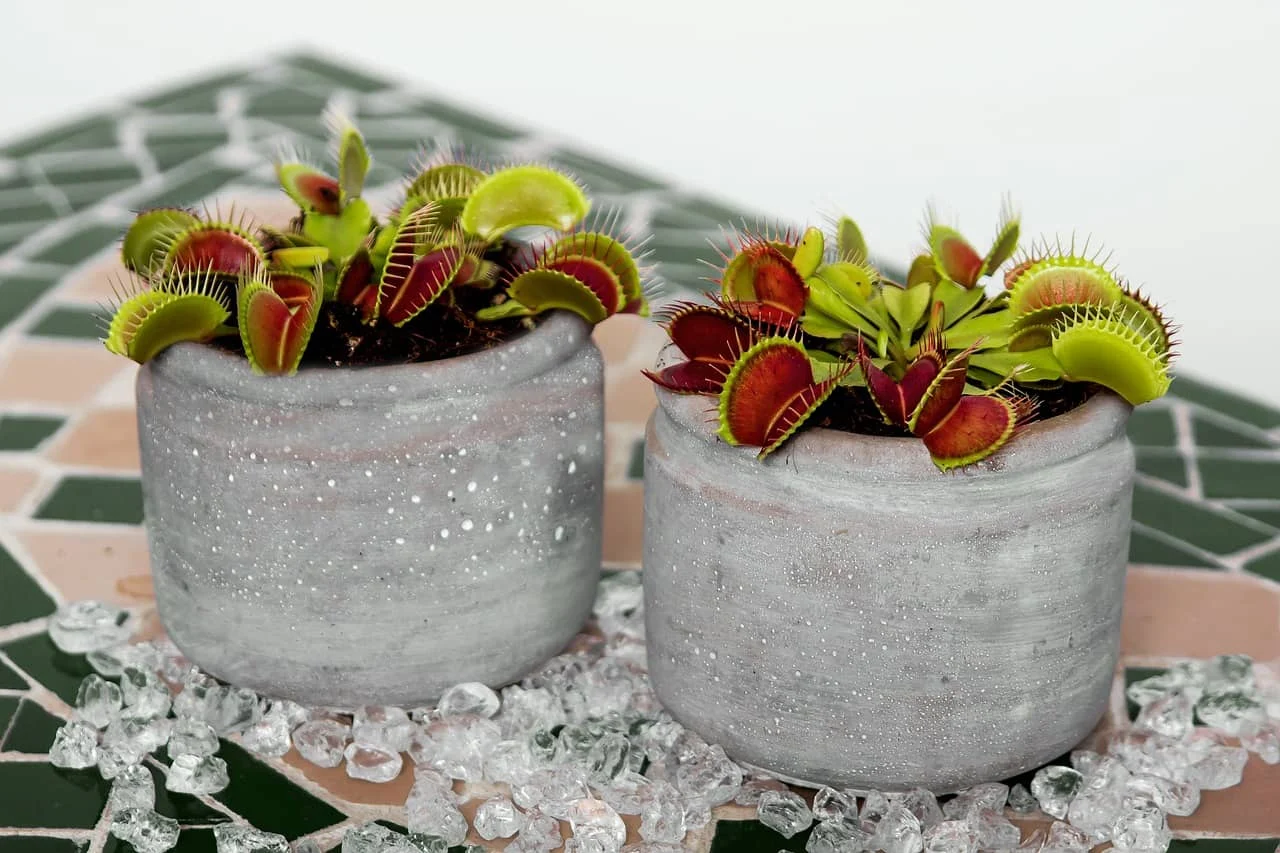
Then there are the so-called carnivorous plants, also known as carnivores. They have various mechanisms for catching prey. Using suction, snap or sticky traps, they catch small creatures such as insects or spiders, but also small frogs or even mice. Carnivorous plants usually grow in places with particular environmental conditions, for example in bogs.
Because fewer minerals and less nitrogen are freely available in these places, the plants depend on nutrients from their prey. Digesting prey, however, takes a great deal of energy for the plant, which is why it is not worth digesting very small creatures such as ants. The Venus flytrap in particular therefore has narrow gaps that allow small prey to escape.
Can plants have a positive effect on our mind?
We all know that plants carry out photosynthesis and turn the air we breathe out back into fresh oxygen for the environment. In this way, plants keep the air clean. But they have far more positive qualities and effects on the human body.
Looking at plants helps the human body to calm down: the green of the foliage has a relaxing effect on us and helps us to reduce stress. A walk in the fresh air through the park or the woods in particular can help us to unwind and reach a meditative state.
The scent of some green plants can also have a calming effect on the body. Lavender is an excellent scent before bedtime and can help us fall asleep faster and sleep more soundly. There are also plants that help us concentrate. The scent of lemongrass in particular can stimulate the brain and support us while studying and working.
How do you find the right plant for you?
Are you more the “all my plants die after a short while” type? Don’t worry, you don’t need green fingers for them to be in good hands with you. Just as people have different personalities, there are different plants with all sorts of needs. Some need more looking after, while others hardly need any attention at all.
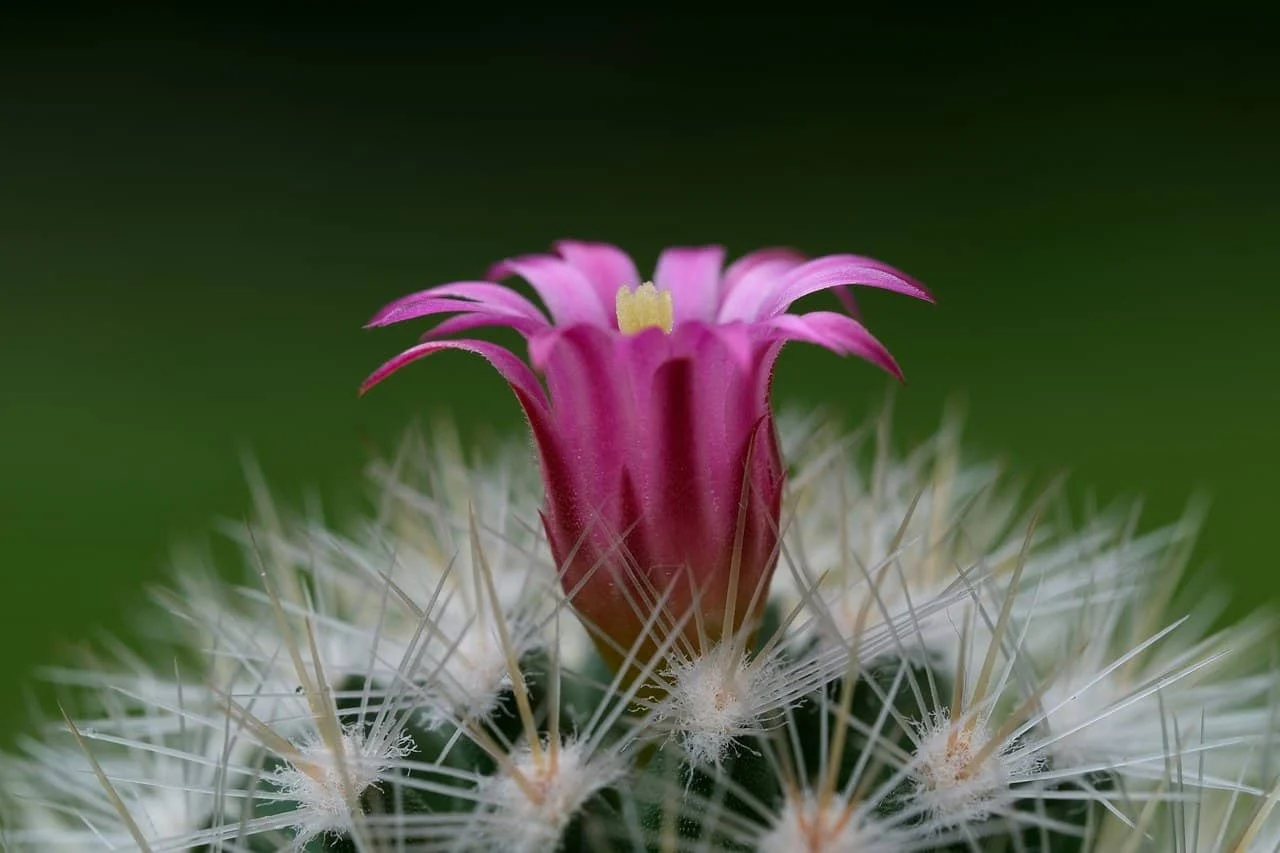
If you travel a lot, or you are a student who leaves your room in a shared flat during the university holidays, a cactus might be the perfect plant for you. Cacti are very low-maintenance. Most species need a sunny spot in summer and a cool retreat in winter. You should water your cactus only rarely. A cactus can easily go six weeks without water.
Did you know that most cacti in people’s homes die because they actually get too much water? This leads to waterlogging, and the cactus can then start to rot. And if you take particularly good care of your cactus, it may well start to flower. Those blooms are something you really should see at least once.
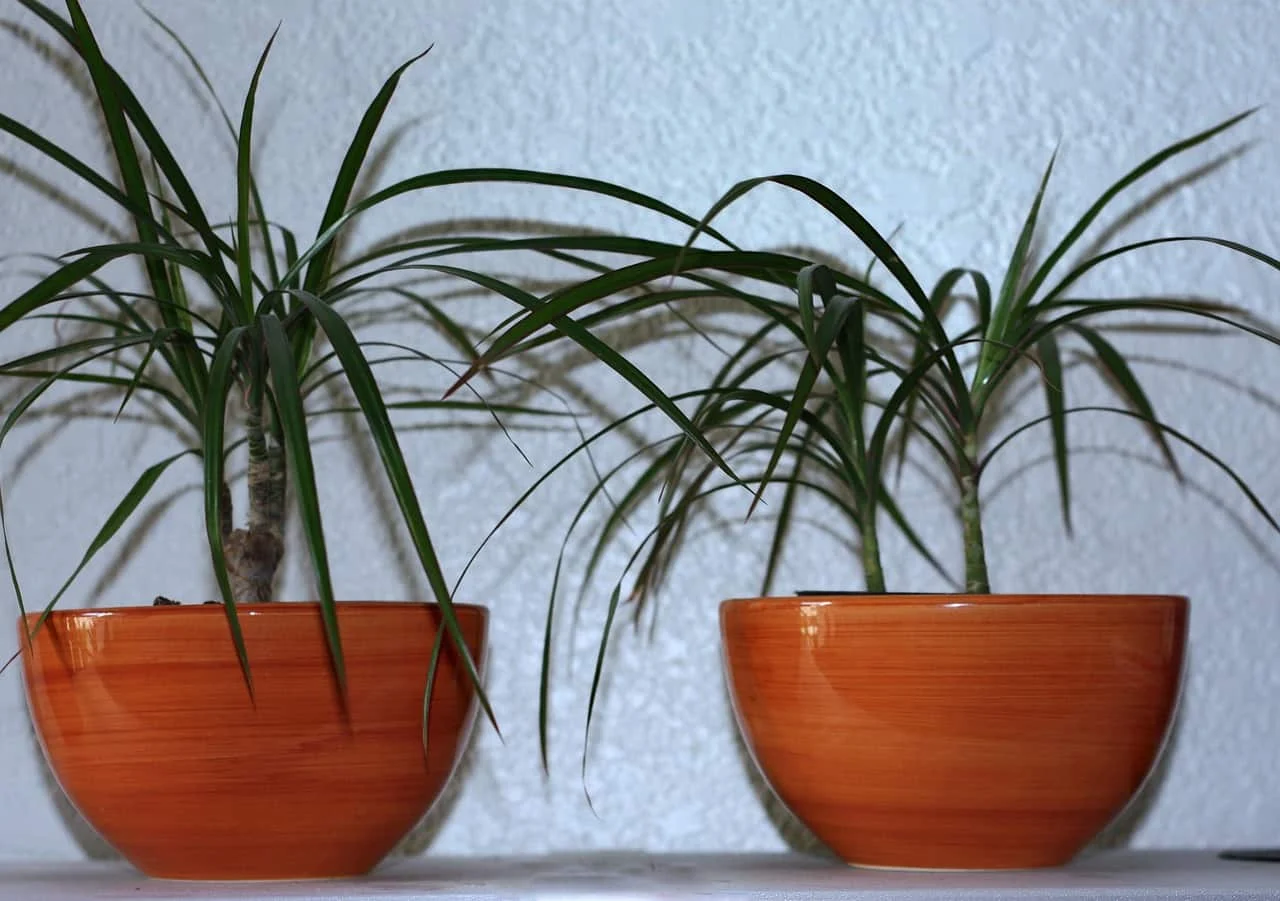
Are you more into holidays in warm, tropical places? Do you love the beach and the sea? How about a palm to bring that lovely holiday feeling home with you? Palms come in all sorts of sizes, and small species are available as potted plants for your home. This type needs plenty of light and high humidity, a bit like in a greenhouse, which offers ideal living conditions for a palm. But don’t worry, your palm can also grow and thrive beautifully on your windowsill or near a window.
For anyone who would love to see something really bloom, potted plants such as amaryllis, hyacinths or other flowering species are ideal. These also need plenty of light and regular watering. The only drawback is that they only flower for a certain period. Many people throw the plants away afterwards, but it is possible to overwinter them so that they may flower again the following year, as orchids do, among others.
As you can see, there are many different kinds of plants, and there is something for every type of person. You can also ask for advice at a garden centre or specialist shop in your town.
Do plants help us to be more mindful?
As mentioned earlier, plants contribute to a better lifestyle and support mental health. But they also help us to lead a more mindful life.
Plants need looking after. We have to water them, repot them when necessary and remove old, dead leaves so that new ones can grow. We take on a certain responsibility for our plants and care for them lovingly. In this way, they make an important contribution to a more mindful life.
And they teach us something else, too: patience. As mentioned earlier, some plants only flower after good care and attention, and even then only once a year. It is in moments like these that they teach us to be patient. We tend the plant over a period of time and then get to watch it bloom after all our careful nurturing. That is a lovely reward, and one well worth the patience and loving care we invest.
If you are lucky enough to have a garden, you are doubly blessed. If you look after the plants in your garden properly and give them plenty of care, you will be rewarded with a colourful display of flowers. In spring and summer especially, it is wonderful to spend time outdoors in nature. If you take your time and observe your surroundings, you will come across many insects and other creatures that are also enjoying your colourful flowers.
These surroundings are also a wonderful invitation to meditate. Take your time, sit down on the grass or on the patio and meditate. As you do, you can pay attention to your surroundings. What can you smell? What can you hear? How do the warm rays of the sun feel on your skin?
If you don’t have a garden of your own, a park near you or the woods are also wonderful places to meditate. You don’t necessarily have to find a special spot to sit down; you can just as well do a walking meditation. What are you waiting for? Head straight out into nature and enjoy the fresh air and the blossoms.
Plants and minimalism
The word minimalism originally comes from the art world. Minimalism was an art movement in the early 1960s in the USA, a countermovement to Expressionism. Today, minimalism describes not only an artistic style but also a lifestyle. It aims to own only the most essential things; in other words, to drastically reduce one’s own consumption. The idea is that people not only feel freer and lighter but also find it easier to make decisions.
Choosing and wearing clothes is a good example. Most people own quite a lot of clothes. And I think I can speak for many of us when I say that we have all stood in front of our bursting wardrobe at some point and wondered what on earth to wear. Minimalism aims to counteract this and make decisions easier. If the choice isn’t huge or excessive, there is more time left for the important things in life.
But how do plants and minimalism fit together? If plants are so good for our mindfulness, yet at the same time we are meant to limit and minimise our consumption?
Minimalism has a clear answer to this dilemma: there is no limit to the number of plants in your home. On the contrary, many homes look rather sterile and not particularly cosy or inviting because of their minimalist furnishings. Plants prevent this problem. They give a living space a certain warmth and a feeling of homeliness. What is particularly important, however, is to stick to a particular style of plant.
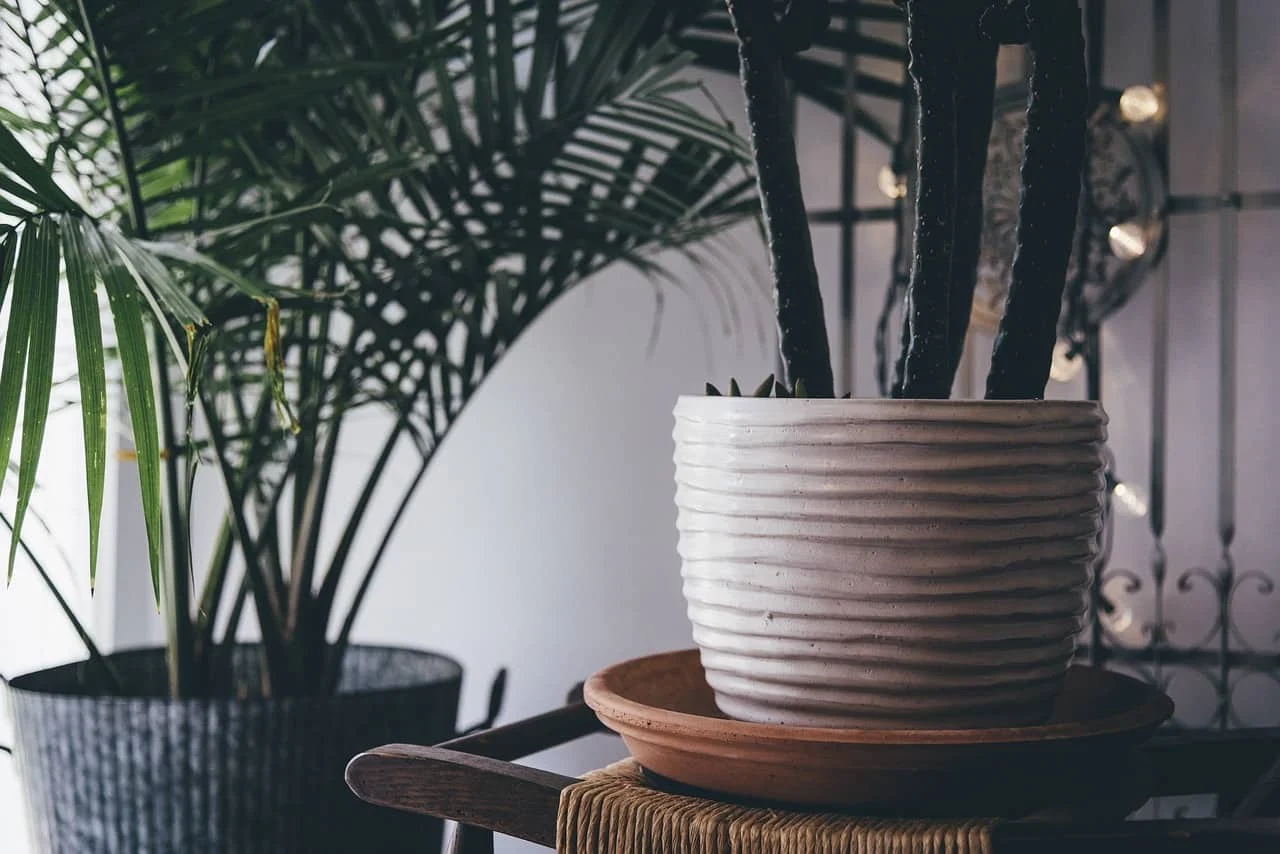
Lots of different plants in a living space can create a sense of restlessness and a certain busyness in the interior. To live a minimalist lifestyle with plants, green leafy plants with few flowers are ideal. Palms, ferns and cacti in particular are perfect for your home. When choosing the colour of the pots, it is also best to settle on a single shade to preserve the calm and balance in your home.
Conclusion and final thoughts
Really, we could sum up this blog article in three simple words: “Plants are great”. There is honestly nothing to be said against keeping plants. There are many different kinds, suited to the specific needs and life circumstances of every person. Plants have a positive influence on our lives and help us to live more mindfully. They bring calm into our otherwise stressful everyday lives and improve the climate and the air in the room. The quote from Joyce Kilmer from 1913 describes life with plants very well: “A tree gives more than just oxygen. It gives shade, food and a place to live. We should give it our attention and care.”
Deepen your meditation practice with Mindfulife
Meditation can be more than a short break in your everyday life. If you would like to understand more deeply how meditation works, how to build a steady practice of your own and how to guide others mindfully, our meditation teacher training is the next step. There you will not only get to know meditation in theory, but also develop more confidence, clarity and trust in your own practice.
Would you like to find out more about the training first? In our weekly webinar you will get an insight and learn more about what your path to becoming a meditation teacher could look like.
For regular support in your everyday life, you can also use our online meditation studio and join guided meditations flexibly via Eversports.
We look forward to accompanying you on your journey.
You can find more mindfulness inspiration on our channels too