Resilience: How Does Mindfulness Strengthen This Protective Factor?
In our fast-paced everyday lives, we are constantly confronted with stress, change and unexpected challenges. The ability to remain emotionally stable despite all these pressures is called resilience. Those who can strengthen this inner resilience develop a protective inner layer that enables them to master crises, recover from setbacks and emerge stronger. The practice of mindfulness is particularly effective here: it has been shown to promote resilience and is a key protective factor for mental health.

 · 5 min read

In our fast-paced everyday lives, we are constantly confronted with stress, change and unexpected challenges. The ability to remain emotionally stable despite all these pressures is called resilience. Those who can strengthen this inner resilience develop a protective inner layer that enables them to master crises, recover from setbacks and emerge stronger. The practice of mindfulness is particularly effective here: it has been shown to promote resilience and is a key protective factor for mental health.
In this blog article, you will learn how mindfulness can foster your resilience in everyday life, at work, at university or at school, what scientific findings lie behind this, and how you can integrate concrete exercises and methods into your life.
What does resilience mean for you?
Resilience is more than just the ability to endure stress. It includes the ability to recover from setbacks, learn from difficult experiences and emerge stronger. It is not a fixed talent but a dynamic process that you can foster with targeted exercises or methods such as mindfulness. The most important factors include self-confidence, stress management, social support and a positive outlook. These factors enable you to face challenges with confidence and protect your mental health.
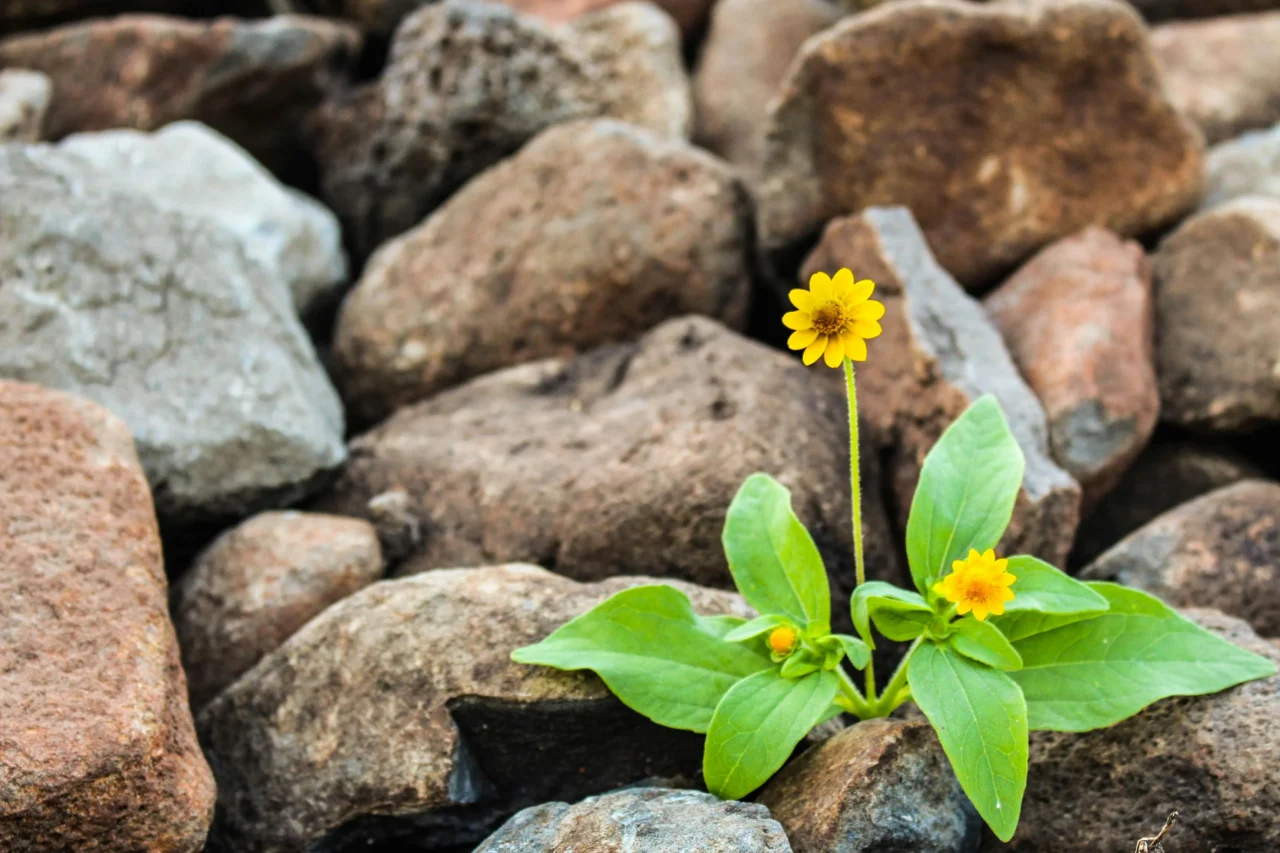
What does this protective factor mean for your mental health?
Resilience as a protective factor refers to the ability to deal effectively with psychological strain and stress and to maintain emotional stability. People with high resilience are less susceptible to feeling overwhelmed and can see challenges as opportunities for learning and growth. From a scientific perspective, resilience is supported by a realistic self-image, self-efficacy, social support, stress management strategies and a positive outlook. These protective factors act like a mental shield that helps you stay capable of acting, even under pressure. Practising mindfulness can specifically foster these factors, increasing your psychological resilience in the long term.
How does mindfulness help foster your resilience in everyday life?
Mindfulness means consciously perceiving the present moment and observing thoughts and feelings without immediately judging or changing them. This ability is closely linked to fostering resilience in everyday life, because it enables you to respond to stressful situations more calmly and reflectively.
A meta-analysis of 20 studies involving students showed that mindfulness is strongly associated with the ability to act resiliently. In particular, the facets “acting with awareness” and “non-reactivity to automatic thoughts” are directly linked to higher resilience. In other words, people who practise mindfulness regularly recognise distressing thoughts more quickly and can consciously decide how to respond (Liu, Wang, & Zhou, 2022).
Can mindfulness improve the way you cope with stress?
Coping with stress through resilience is one of the key benefits that mindfulness offers. Studies show that people who regularly practise mindfulness-based exercises respond to stressful situations more calmly and with greater composure.
A longitudinal study showed that resilience acts as a mediator between mindfulness, self-compassion and psychological stress. By practising mindfulness, you therefore develop an inner protective system that reduces stress and increases emotional stability (Ueno & Amemiya, 2024). Firefighters who completed mindfulness training showed significantly higher resilience scores than those who only used conventional relaxation techniques. The ability to perceive stress consciously, to meet yourself with compassion and to respond calmly is a central mechanism of psychological resilience (Denkova, Zanesco, Rogers, & Jha, 2020).
How does mindfulness support your self-awareness and self-compassion?
Through mindfulness, you learn to observe your thoughts and feelings without judgement. You become aware of your needs, accept limits and are less hard on yourself. Studies show that this combination of mindfulness, self-compassion and resilience increases the ability to face challenges more calmly and to process emotional strain more quickly (Tanaka et al., 2023).
How can mindfulness strengthen you at work, at university or in everyday life?
Stress doesn’t only arise in our private lives but also at work or in education. Resilience at work, at university or in everyday life is therefore particularly important. Studies show that mindfulness in these areas increases performance while reducing the risk of burnout. People who work or study mindfully can direct their attention deliberately, respond more calmly to pressure and make considered decisions (Luken & Sammons, 2016).
Mindfulness also strengthens social skills. Empathy and active listening improve communication and deepen relationships. A strong social network is a crucial protective factor for mental health, as it offers support and backing in difficult times.

Which resilience exercises and methods can you try?
Although there are many resilience exercises and methods, integrating mindfulness is particularly effective. Even a short daily practice can have measurable effects on psychological resilience and stress management.
For example, start with short meditation sessions, mindful walking or mindful eating. These routines teach you to perceive the moment, reflect on your reactions and strengthen your self-awareness and self-compassion. The combination of these factors lays the foundation for mindfulness to strengthen your resilience as a protective factor in the long term.
How does resilience protect against stress?
Resilience acts as a buffer between stressors and psychological wellbeing. Resilient people process strain more quickly, remain emotionally stable and can focus on solutions instead of being overwhelmed by stress. Mindfulness supports precisely this mechanism: people who are regularly mindful have lower levels of stress hormones, suffer less often from anxiety and report greater life satisfaction.
Why World Mental Health Day reminds you of resilience
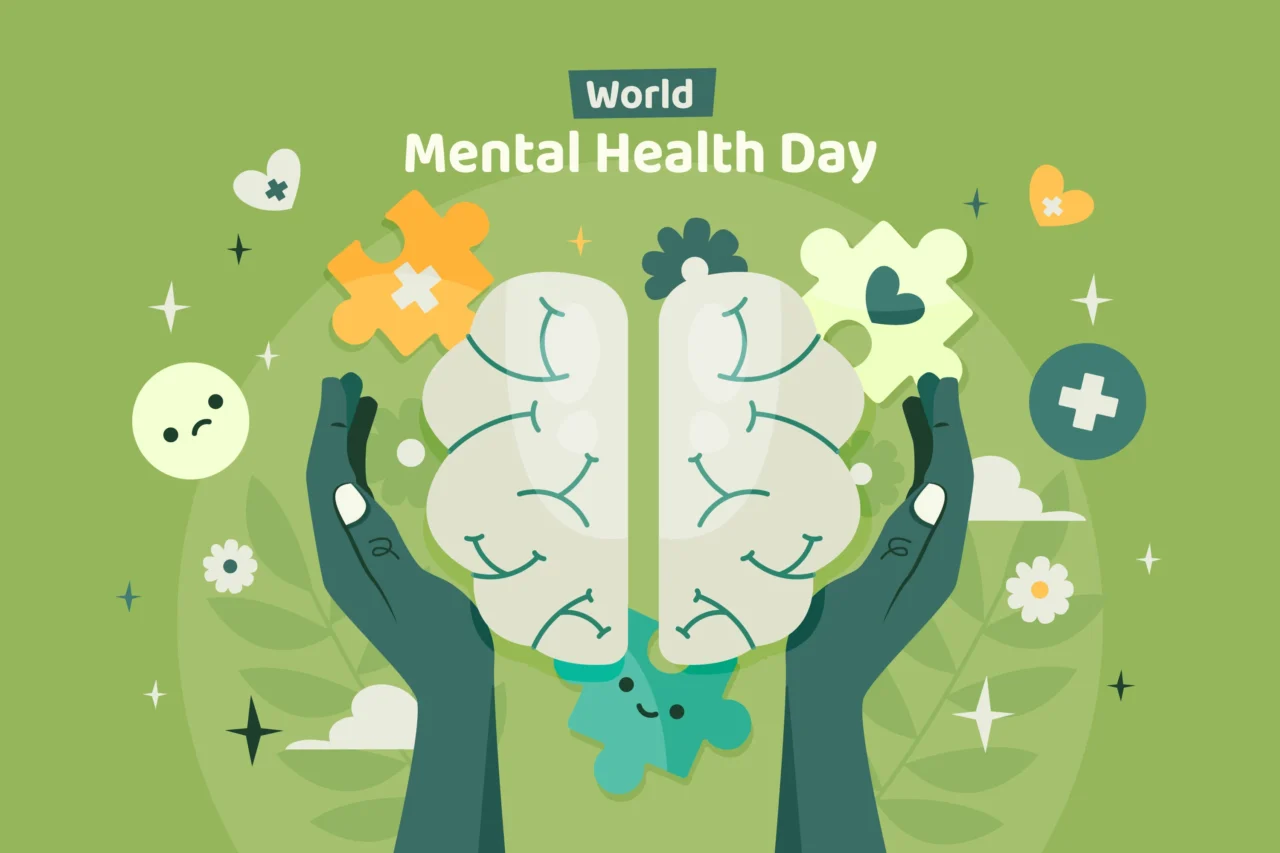
On 10 October, World Mental Health Day, the focus is on mental health. The day reminds us how important it is to consciously foster resilience and psychological strength and to integrate mindfulness into everyday life.
Conclusion
Mindfulness is a powerful tool for strengthening your resilience as a protective factor. People who live mindfully on a regular basis manage their thoughts and feelings better, develop more self-compassion, cope with stress more efficiently and strengthen their psychological resilience.
By consciously integrating mindfulness into your everyday life, you strengthen your resilience – whether at work, at university or in your private life. World Mental Health Day is a good opportunity to establish mindful routines and discover new ways of fostering resilience.
Start today with a short mindfulness exercise and experience for yourself how small routines can strengthen your resilience in everyday life for the long term. If you would like to go deeper, you will find the right support here to build more inner strength and calm in the long run.
Katharina R. (psychology student)
Deepen your meditation practice with Mindfulife
Meditation can be more than a short break in your everyday life. If you would like to understand more deeply how meditation works, how to build a steady practice of your own and how to guide others mindfully, our meditation teacher training is the next step. There you will not only get to know meditation in theory, but also develop more confidence, clarity and trust in your own practice.
Would you like to find out more about the training first? In our weekly webinar you will get an insight and learn more about what your path to becoming a meditation teacher could look like.
For regular support in your everyday life, you can also use our online meditation studio and join guided meditations flexibly via Eversports.
We look forward to accompanying you on your journey.
You can find more mindfulness inspiration on our channels too
References
Baena-Extremera, A., Ortiz-Camacho, M. del M., Marfil-Sánchez, A. M., & Granero-Gallegos, A. (2021). Improvement of attention and stress levels in students through a mindfulness intervention program. Psicología Educativa, 27(1), 47–54. https://doi.org/10.1016/j.psicoe.2020.12.002
Derjung, M. (2020). Wie wirkt sich eine Achtsamkeitsintervention auf das subjektive Stresserleben von Studierenden aus? Bachelorthesis, Dr. Satow. https://www.drsatow.de/tests/stress-und-coping-inventar/2020_Achtsamkeit_Stress_Derjung.pdf
Denkova, E., Zanesco, A. P., Rogers, S. L., & Jha, A. P. (2020). Is resilience trainable? An initial study comparing mindfulness and relaxation training in firefighters. Psychiatry Research, 284, https://doi.org/10.1016/j.psychres.2020.112775
Dulgeridis, M. (2025). Selbstwirksamkeit und Resilienz als Schutzfaktoren. IU Discussion Papers – Human Resources, No. 4. https://www.econstor.eu/bitstream/10419/321856/1/1930299338.pdf
Knotz, C. (2025). Resilienz als Mittel für psychische Gesundheit. Unipub Universität Graz. https://unipub.uni-graz.at/obvugrhs/content/titleinfo/9727155/full.pdf
Liu, X., Wang, Q., & Zhou, Z. (2022). The association between mindfulness and resilience among university students: A meta-analysis. Sustainability, 14(16), 10405. https://doi.org/10.3390/su141610405
Luken, M., & Sammons, A. (2016). Systematic review of mindfulness practice for reducing job burnout. American Journal of Occupational Therapy, 70(2), 7002250020p1–7002250020p10. https://doi.org/10.5014/ajot.2016.016956
Pronova BKK. (2023). Psychische Gesundheit in der Krise 2023. Pronova BKK Studie. https://www.pronovabkk.de/unternehmen/presse/studien/psychische-gesundheit-in-der-krise.html
(2023). Ressourcen stärken, psychisches Wohlbefinden steigern. https://www.researchgate.net/publication/372181217_Resilienz_Ressourcen_starken_psychisches_Wohlbefinden_steigern
Resilienz-Akademie. (2025). Grundlagen der Achtsamkeit. https://www.resilienz-akademie.com/
Stork, W., Rademacher, L., Aatz, H., & Grund, M. (2022). Achtsamkeit und Resilienz in der Hochschullehre – Studienergebnisse und Konzepte an der Hochschule Darmstadt. Psychologie in Österreich, 1, 26–35. https://doi.org/10.1007/s11623-022-00001-2
Tanaka, C., Wakaizumi, K., Ninomiya, A., Tamura, N., Kosugi, S., Park, S., Sado, M., … Shimizu, E. (2023). Impact of continued mindfulness practice on resilience and well-being in mindfulness-based intervention graduates during the COVID-19 pandemic: A cross-sectional study. Psycho-Oncology, 32(10), 1610–1618. https://doi.org/10.1002/pcn5.132
Ueno, Y., & Amemiya, R. (2024). Mediating effects of resilience between mindfulness, self-compassion, and psychological distress in a longitudinal study. Journal of Rational-Emotive & Cognitive-Behavior Therapy, 42, 896–906. https://doi.org/10.1007/s10942-024-00553-2
Vella, E., & McIver, S. (2018). Reducing stress and burnout in the public-sector work environment: A mindfulness meditation pilot study. Health Promotion Journal of Australia, 29(3), 259–266. https://doi.org/10.1002/hpja.192