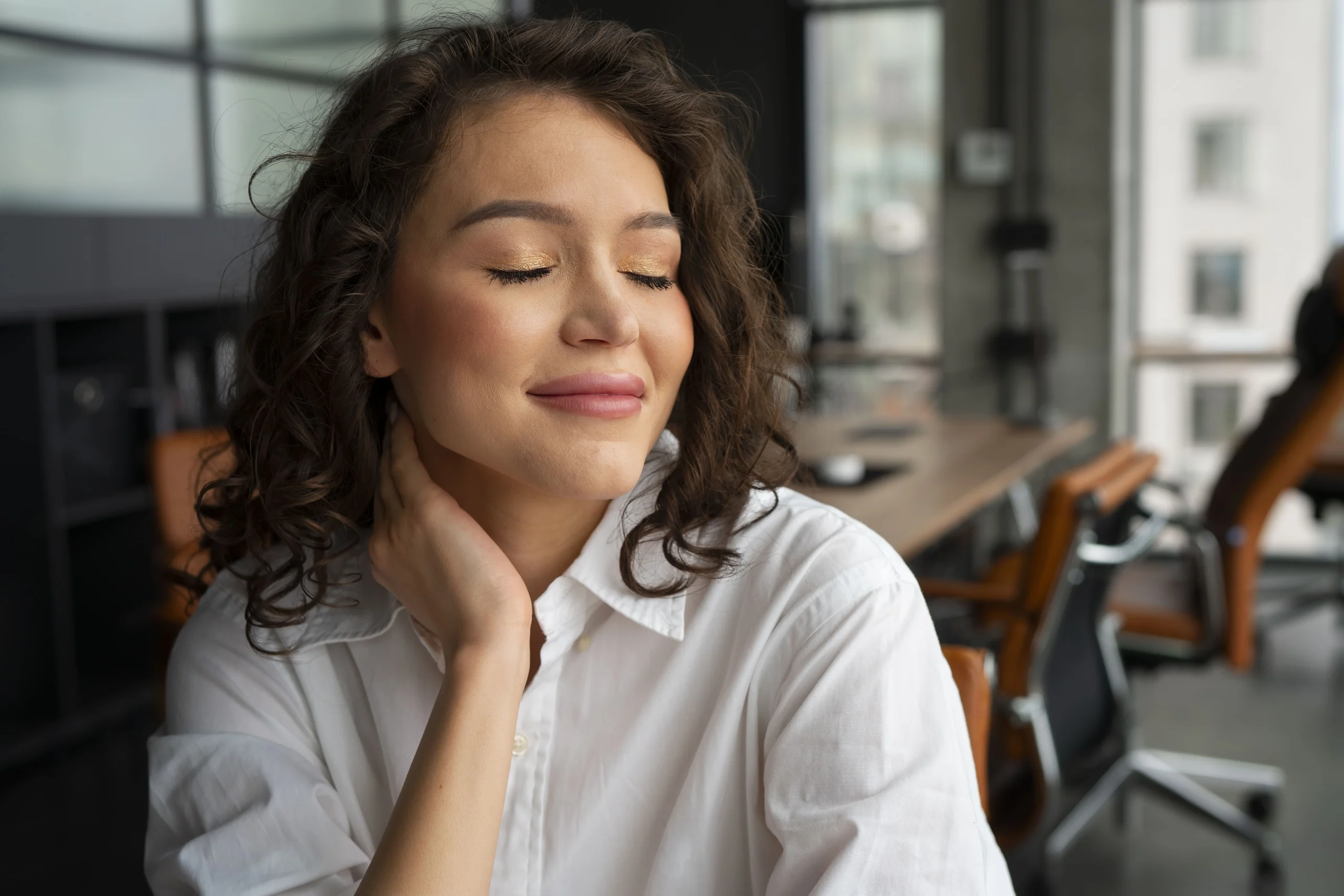
Tidying Up and Mindfulness: How Can Order Create Inner Peace?

 · 9 min read
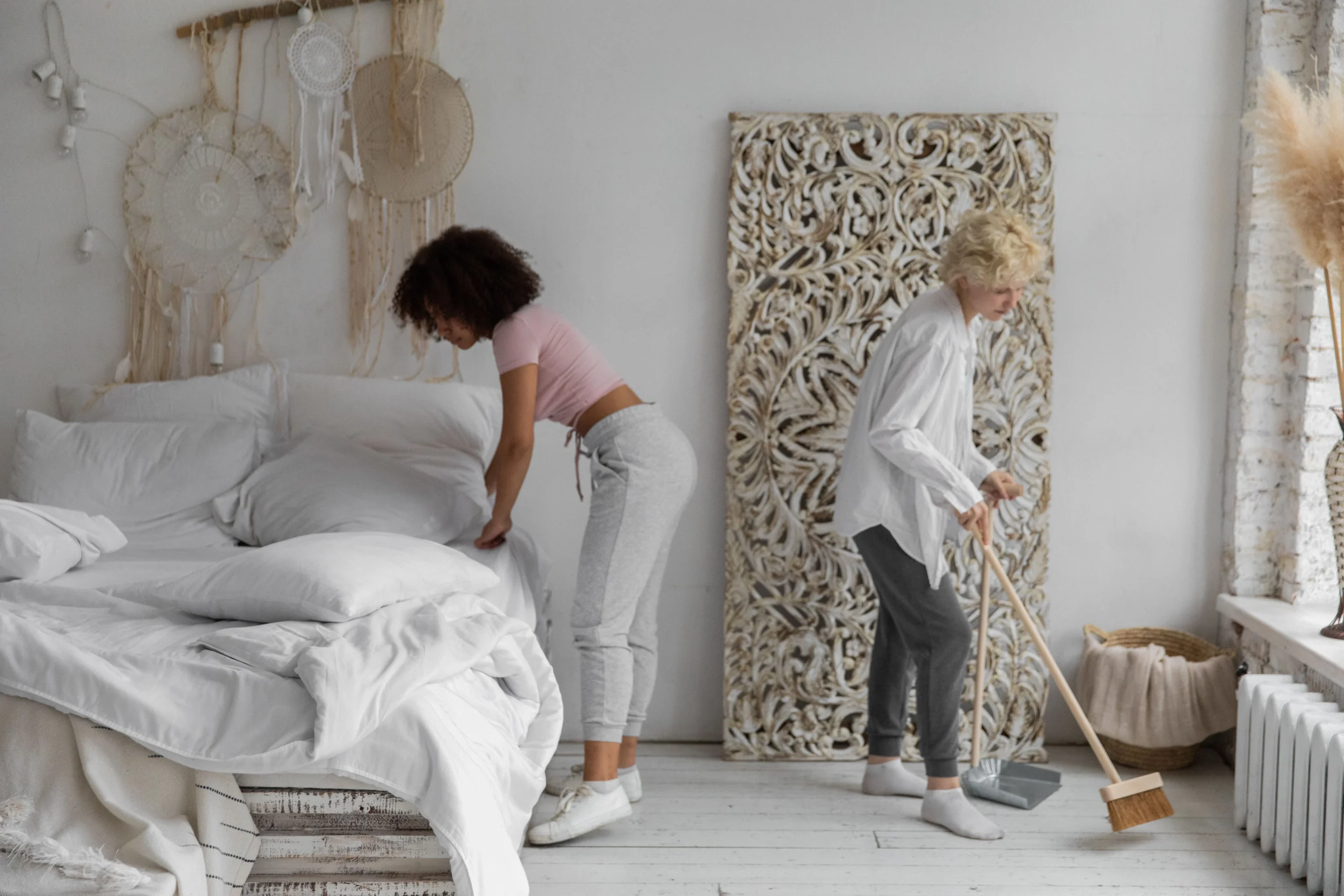
In a world that keeps getting louder, fuller and faster, order is more than just aesthetics. It is a form of self-care. In this article, we want to explore why tidying up and mindfulness go together, how order influences our inner calm and how you can bring more clarity into your life step by step – both outwardly and inwardly.
Tidying up and minimalism – lifestyle trend or deeper need?
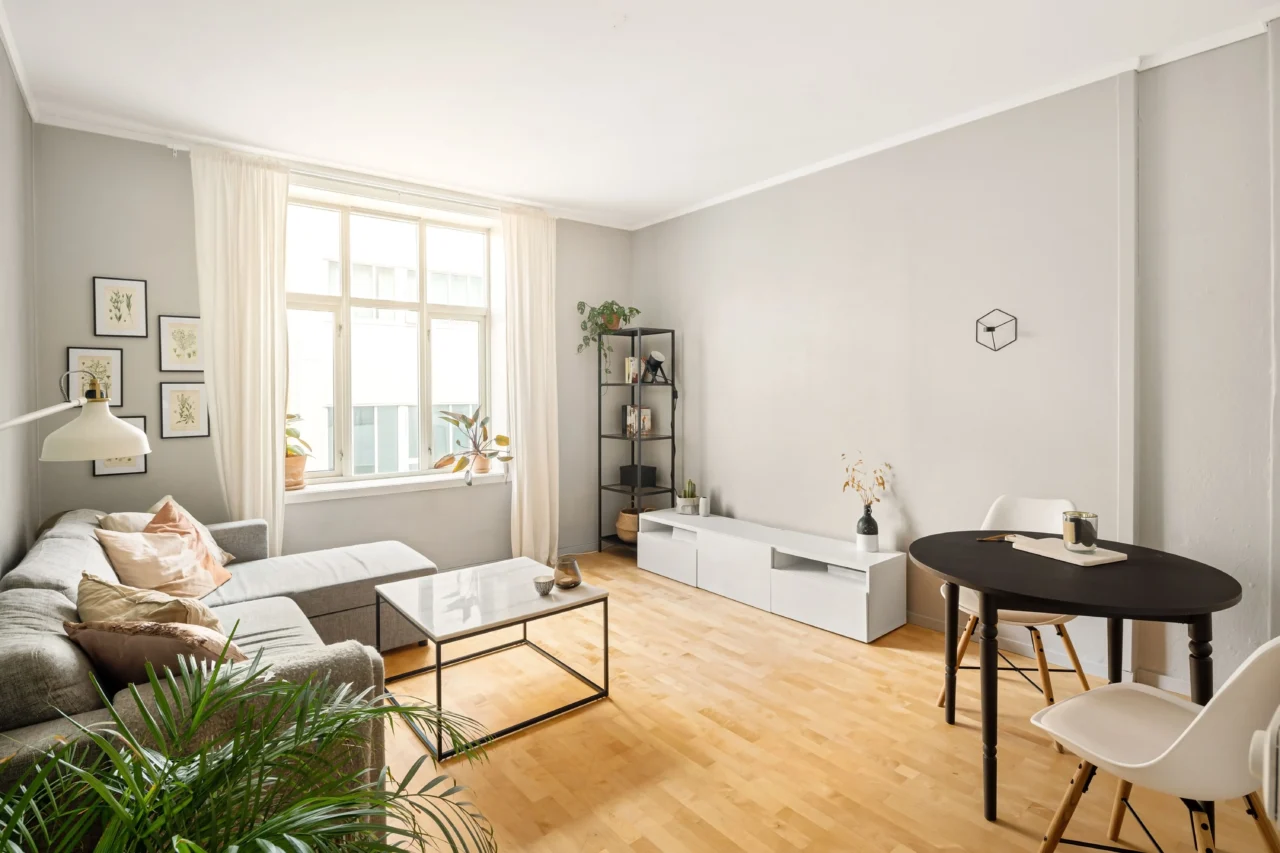
Minimalism has been very much in evidence for a number of years. Books such as “Magic Cleaning” by Marie Kondo, YouTube channels about “decluttering” and Instagram feeds full of perfectly styled living rooms show that many people long for less. During the coronavirus pandemic, too, people used their free time to bring order to their own four walls.
While for some this is simply a lifestyle trend, for others a tidy home reflects a desire for clarity, freedom and relief. Especially in challenging times, a deep inner need for security often arises. The more insecure we feel in the world, the stronger the urge can become to maintain a sense of control, at least in our own living space.
Why do we own so many things?
According to Germany’s Federal Statistical Office, almost every German household has at least one car, a flat-screen TV and numerous other technical consumer goods. Billions of euros are spent on textiles alone every year. And yet one in five items of clothing is never worn (Greenpeace Deutschland, 2022).
Consumption has never been as easy as it is today. Thanks to our society of abundance and the growing number of online shops and payment services, we can buy supposedly essential things at any time and in any place. Advertising and social media also suggest to us that we are not complete without a particular product. Our relationship with things is often emotional. We don’t just buy because we need something, but also because we are hoping for something: security, status, belonging or even comfort. Perhaps you are familiar with the “reward purchase” after an exhausting day or a challenge you have overcome?
However, the more we own, the more we also have to clean, organise and manage. Every item we acquire takes up not only physical space but also part of our lifetime.

The connection between outer and inner order
What does owning so much do to us? In recent years, psychological research has produced numerous findings on how our physical environment influences our psychological wellbeing.
It has been shown that the state of our surroundings can have profound effects on our emotional and cognitive state. Clutter and chaos can intensify negative emotions such as anxiety and overwhelm. In adults, having a lot of possessions has repeatedly been associated with higher levels of perceived stress, mood swings, tiredness and lower life satisfaction (Saxbe & Repetti, 2010). According to a study by Macdonald et al. (2008), a visually cluttered living space can lead to cognitive load and impair our ability to process information. This means we have to expend more mental energy in order to concentrate on the tasks that matter.
A tidy, clearly structured environment, on the other hand, can reduce stress, increase concentration and productivity and generally contribute to improved wellbeing and a higher quality of life (Rogers & Hart, 2021). People who live in orderly surroundings tend to be happier and more content.
So there is a proven connection between outer and inner order. A tidy environment can considerably increase our emotional wellbeing and serve as a protective factor for our mental health.
Mindfulness as the key to tidying up
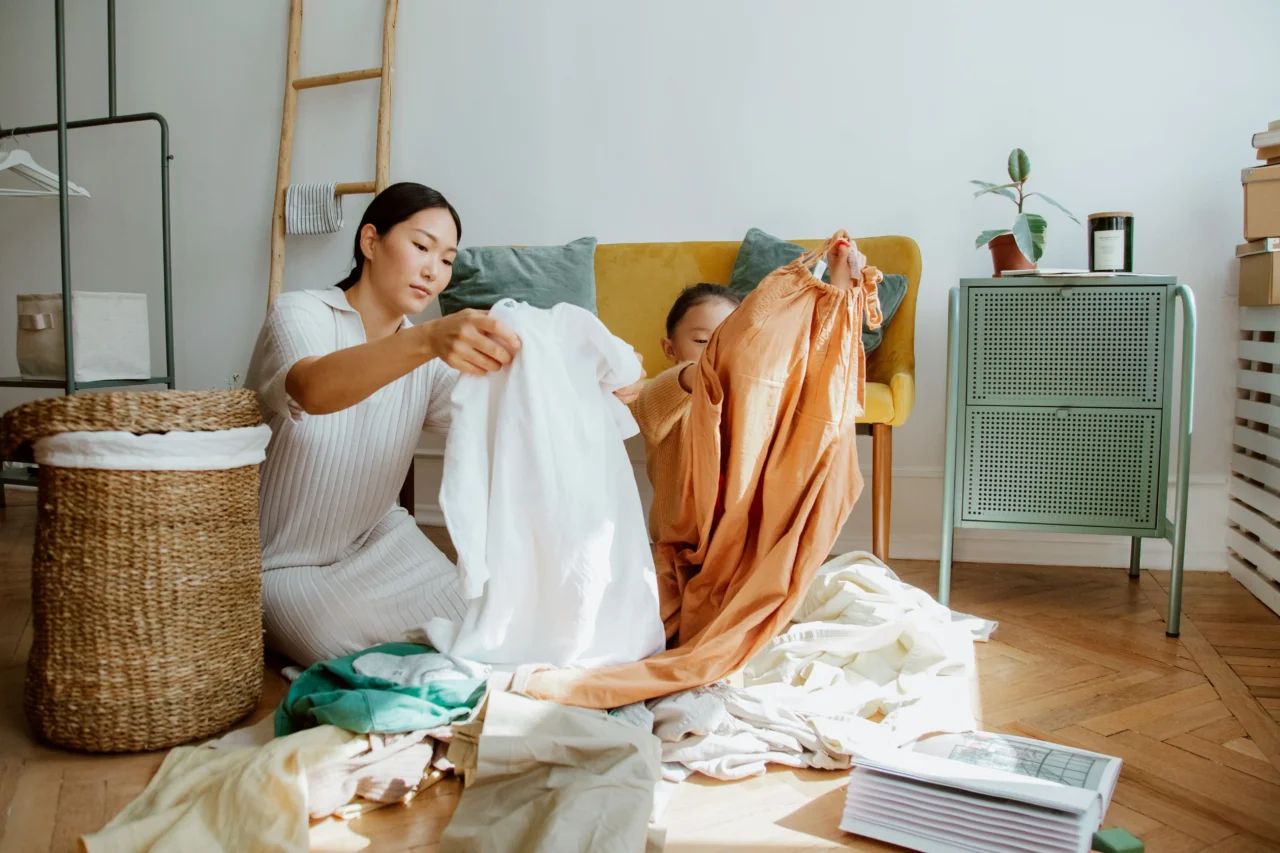
To change something, we need to practise noticing and paying attention. Clutter often arises when there is no room to pause and attend to our own needs and emotions. We spend our everyday lives working through the tasks at hand and fill our free time with activities and social obligations. Due to lack of time and inattention, things are often left lying around after we have used them, and we are not even aware of how much we actually own.
Mindfulness – the non-judgemental, conscious awareness of thoughts, sensations and our surroundings – opens up a path to holistic order and change. By taking the time to observe yourself openly, you get to know yourself on a new, deeper level. Through mindfulness, you can recognise and question automatic patterns of behaviour and make room for what really matters to you in your life.
10 tips for holistic order and inner peace
How can you get started with tidying up and keep things in order in the long term? Here are 10 practical tips on how to bring more calm and mindfulness into your home.
- Find an answer to your “why?”
You have decided to bring order into your life and would love to get started straight away? It can be helpful to take a moment to reflect on why you want to change and let go. Would you like more time for relationships and family, more lightness and vitality? Is something fundamental missing from your life? Where do you want to go, and why? The answer to your “why” is the key to lasting, genuine change.
- Observe your thoughts and emotions
By noticing your thoughts and feelings without judgement, you can gain insights into your consumer behaviour and your relationship with your possessions. Look around and ask yourself why you bought this piece of furniture or item of clothing. What feelings does it trigger in you? Did you really need it? What purpose does it serve? Does it make you happy? Are you aware that you own it, and would you miss it if it were no longer there?
- Plan ahead and be realistic
Mindful decluttering and tidying is a process that takes time and energy. Be aware of your resources and set yourself small goals to stay motivated. Perhaps instead of tackling the whole flat at once, you could work your way through it systematically, room by room?
- Free yourself from false expectations
Everyone has a different need for order and structure. You don’t have to own a “capsule wardrobe” or sort your books by colour. Holistic order is the state in which you feel safe and secure.
- You are only responsible for yourself
Decluttering can lead to a kind of flow state. Be careful not to throw away anything that belongs to your children or your partner. Things that seem pointless to you can mean a great deal to others. Focus on yourself and your own possessions.
- Create order in different areas of your life
Make an overview of the areas you would like to sort out. These might include your clothes, toiletries and food, but also your digital files and subscriptions, as well as your social contacts and hobbies.
- Give things a set place
By giving every item a fixed and functional place in your home and putting it back there after use, you will be able to keep things tidy permanently and avoid clutter building up. Establishing this habit can be tiring at first, but in the long run it will save you a lot of time.
- Practise letting go
Parting with possessions can be difficult, especially when it comes to keepsakes or gifts from people close to you. So start with areas that hold no emotional ties for you, such as the kitchen drawer. The more you let go and free yourself, the more space you create to set inner processes in motion too.
- Ask yourself the essential questions
By creating outer order, you lay the foundation for engaging with the central questions: What does true wealth mean to you? What does a good life look like to you? What fulfils you deeply? How would you like to spend your time? How do you want to treat the people around you? What would you like to leave behind? Take time to become aware of your values and align your life with them.
- Allow yourself breaks and rest
Creating order and letting go is tiring – physically as well as mentally. Often this only becomes noticeable afterwards. To stay motivated and focused, pause again and again during the process and take breaks to settle and to check in with your goal and your value system.
Conclusion
Tidying up and keeping things in order is not a duty but a form of self-love. You do it only for yourself – to give yourself space and clarity. Start small, give yourself time and be mindful in everything you do. Perhaps, over time, you will sense that tidying up changes not only your home but also you. Or, as a Zen saying puts it:
“When you put your house in order, you also put your heart in order.”
Marie St. (psychology student)
Deepen your meditation practice with Mindfulife
Meditation can be more than a short break in your everyday life. If you would like to understand more deeply how meditation works, how to build a steady practice of your own and how to guide others mindfully, our meditation teacher training is the next step. There you will not only get to know meditation in theory, but also develop more confidence, clarity and trust in your own practice.
Would you like to find out more about the training first? In our weekly webinar you will get an insight and learn more about what your path to becoming a meditation teacher could look like.
For regular support in your everyday life, you can also use our online meditation studio and join guided meditations flexibly via Eversports.
We look forward to accompanying you on your journey.
You can find more mindfulness inspiration on our channels too
References
Statistisches Bundesamt (Destatis). (2022, 12. Dezember). Ausstattung privater Haushalte mit ausgewählten Gebrauchsgütern – Fachserie 15 Reihe 2 – 2022 (Statistischer Bericht). Statistisches Bundesamt.
Greenpeace Deutschland. (2022, 27. Juli). Nachhaltigkeit in deutschen Kleiderschränken [Website-Beitrag]. Greenpeace Deutschland. https://www.greenpeace.de/engagieren/nachhaltiger-leben/nachhaltigkeit-deutschen-kleiderschraenken
McAlary, B. (2018). Slow: Einfach leben – weniger haben, mehr sein (2. Aufl., A. Heitmann, Übers.). Ullstein.
Saxbe, D. E., & Repetti, R. (2010). No place like home: Home tours correlate with daily patterns of mood and cortisol. Personality and Social Psychology Bulletin, 36(1), 71–81. https://doi.org/10.1177/0146167209352864
Macdonald, J. S. P., & Lavie, N. (2008). Load induced blindness. Journal of Experimental Psychology: Human Perception and Performance, 34(5), 1078–1091. https://doi.org/10.1037/0096-1523.34.5.1078
Rogers, C. J., & Hart, R. A. (2021). Home and the extended self: Exploring associations between clutter and wellbeing. Journal of Environmental Psychology, 74, 101576. https://doi.org/10.1016/j.jenvp.2020.101576