Pranayama: The Importance of the Breath and 3 Methods
A yoga practice often includes certain breathing exercises known as pranayama. They have a long tradition and, according to ancient yoga philosophy, form part of the eightfold path of yoga. In this article, you will find out what pranayama actually is, what specific exercises can look like and to what extent its effects can be demonstrated scientifically.

 · 7 min read
A yoga practice often includes certain breathing exercises known as pranayama. They have a long tradition and, according to ancient yoga philosophy, form part of the eightfold path of yoga. In this article, you will find out what pranayama actually is, what specific exercises can look like and to what extent its effects can be demonstrated scientifically.
What is pranayama?
Like many yogic terms, the word pranayama comes from the ancient Indian language Sanskrit. It is made up of ‘prana’, which roughly means life energy or breath of life, and ‘ayama’, which translates as to control or to extend. From this linguistic origin, we can already get a good idea of what this form of yoga practice is about: the breath is to be controlled and certain parts of the breathing cycle extended.
Ancient Indian yoga philosophers believed that pranayama, i.e. certain breathing exercises, could restore the proper flow of the life energies. In this way, the mind was thought to be cleansed of harmful influences. From today’s perspective, this theory may seem somewhat esoteric and not particularly well founded. Reason enough to take a scientific look at the topic and examine whether the traditional breathing techniques work – and if so, why.
Why does pranayama work?
Researchers have found evidence that deep, controlled breathing activates our parasympathetic nervous system. The parasympathetic nervous system is part of our autonomic, unconscious nervous system, which regulates bodily functions such as our heartbeat, blood pressure, hormone release, digestion and much more. In contrast to the sympathetic nervous system, the parasympathetic nervous system is responsible for rest and relaxation. Studies have shown, for example, that a 5-minute breathing exercise led to activation of the parasympathetic nervous system; among other things, the researchers compared heart rates before and after the exercise.
Other studies have shown that activating the parasympathetic nervous system can lead to reduced cortisol release. This hormone plays a key role in our physiological stress response. Pranayama could therefore dampen our physical stress response, with the exercises activating our parasympathetic nervous system.
Studies have also shown that pranayama can measurably improve vagal tone. Vagal tone is a parameter used to measure the activity of the vagus nerve , the main nerve of our parasympathetic nervous system. High vagal tone is an indicator of good stress resilience and a better capacity for recovery.
What does the current scientific evidence on pranayama look like?
By now, many researchers have studied the effects of pranayama, and numerous studies on the topic have been published. Meta-analyses have summarised and compared the findings of the various studies. A recent 2025 meta-analysis by an Indian research group, for example, compared various studies on pranayama in adolescents with regard to reducing anxiety and stress. Across 18 studies, the researchers found strong evidence that structured breathing exercises are effective in reducing stress and anxiety in adolescents. Some studies also showed long-term effects.
Another recent 2025 meta-analysis compared various studies that examined the extent to which pranayama can lower high blood pressure. Here, too, many studies found evidence that pranayama can be a good supportive intervention. According to the authors, further research is needed, but pranayama is an important complement to conventional drug therapy, particularly in view of how easy it is to practise, how accessible it is and how safe it is.
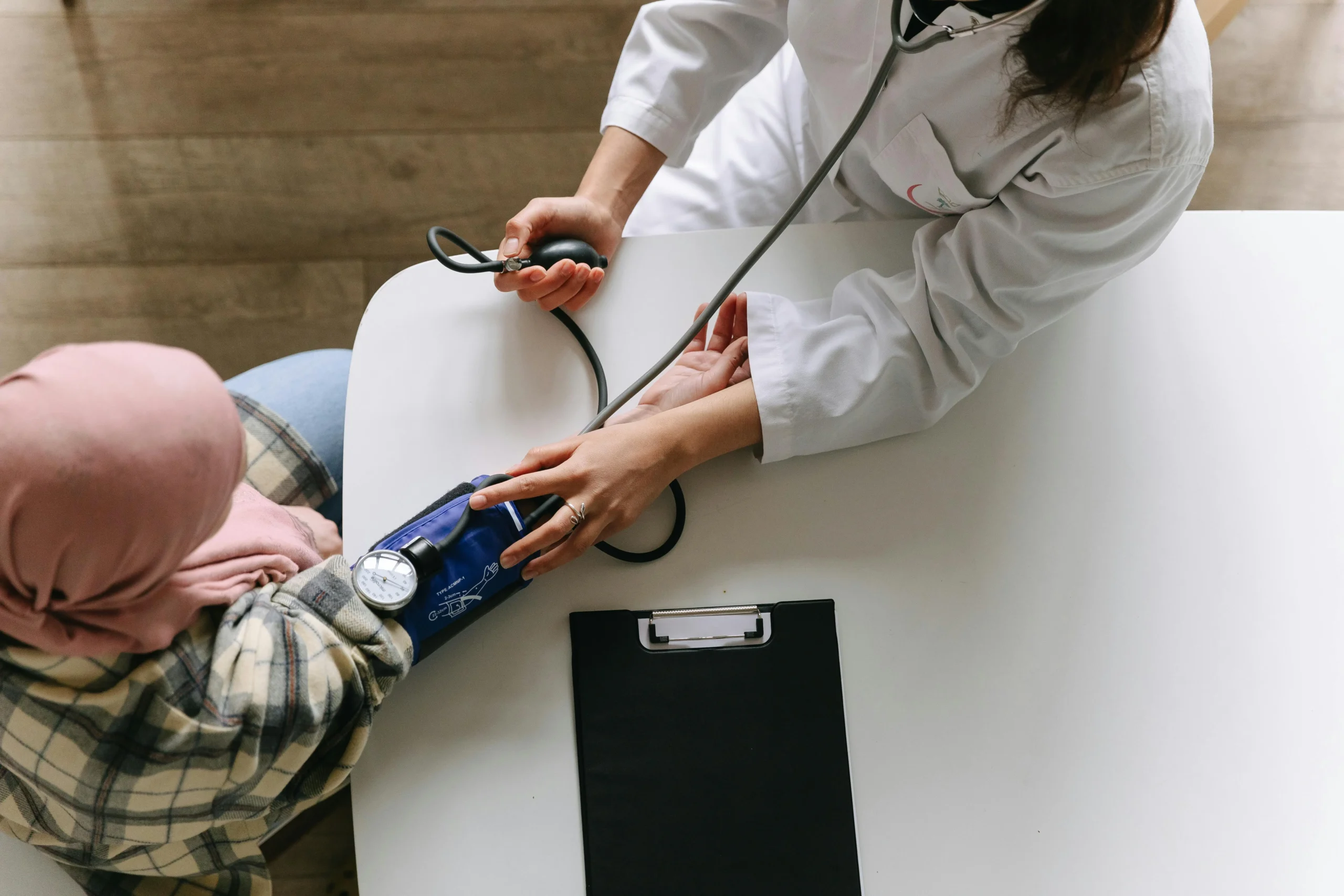
Overall, it can be said that, according to the current state of research, pranayama can certainly be described as effective. Meta-analyses, which are considered an important method for assessing the effectiveness of a therapy, also find at least moderate effects on various health-related parameters. Based on current knowledge, pranayama therefore appears to be a suitable tool for reducing stress and anxiety, relaxing and improving your health.
How can you use pranayama for yourself?
Having read all these facts, you may now be wondering how you can integrate pranayama into your everyday life. After all, a method with practically no side effects that you can use at any time to improve your health doesn’t sound bad, does it?! In principle, pranayama is suitable for everyone. If you are a heavy smoker, you should discuss it with your GP beforehand. You should also avoid attempting advanced exercises at the beginning, as incorrect practice can lead to circulatory problems. If you feel dizzy or notice any other signs of discomfort during the exercises, stop.
Many yogis use pranayama during their practice, combining asanas, i.e. physical postures, with the breath. However, you can also use yogic breathing techniques apart from other movements, purely as a standalone exercise. Ideally, give yourself a little time and find a quiet place for this. Sit upright but relaxed so that your breath can flow freely. Once you have practised certain techniques a few times in a calm environment, many exercises can also be integrated into everyday life and done ‘on the side’.
1. Full yogic breath
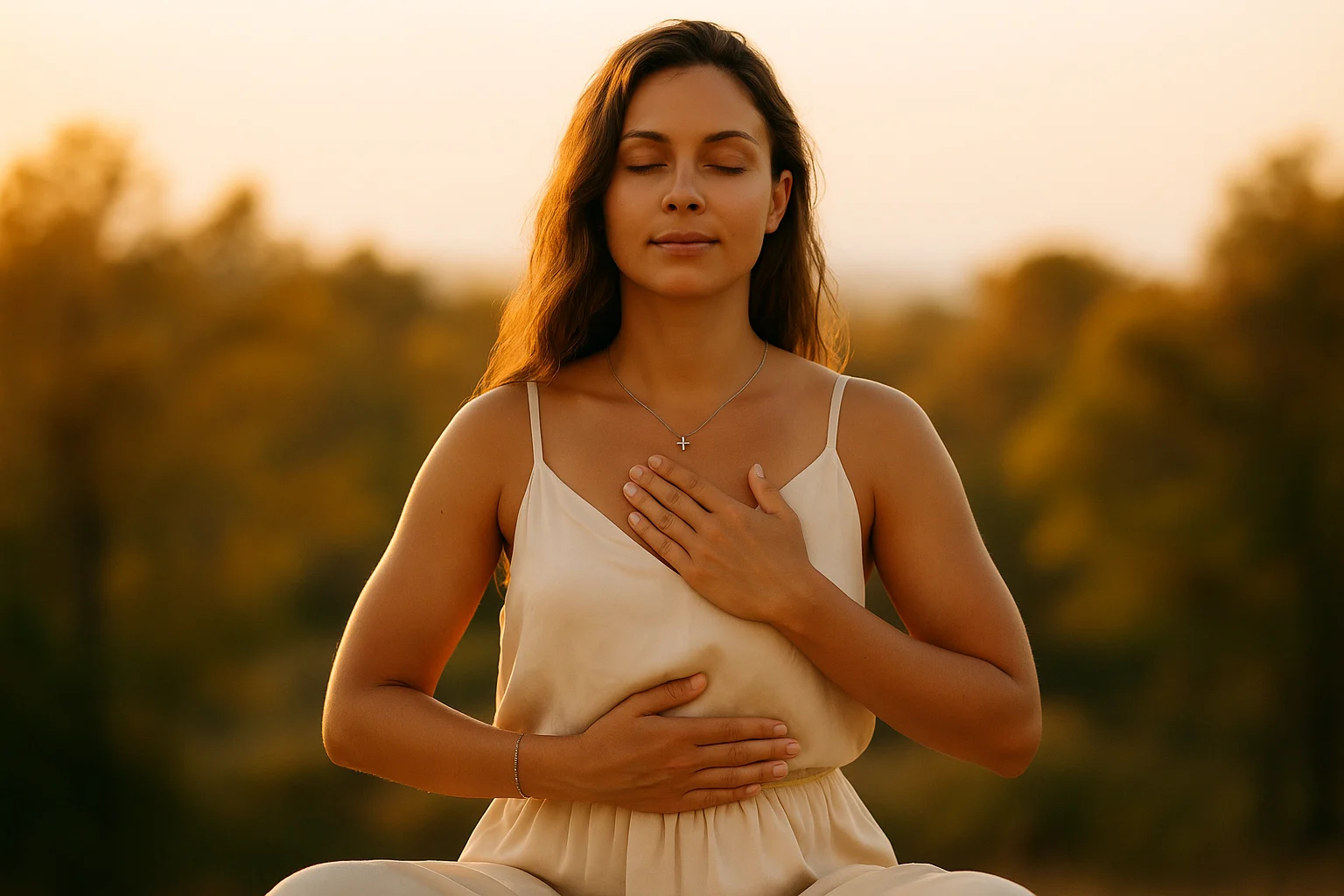
In full yogic breathing (or purna breathing), the aim is to consciously use your entire lung capacity. This is intended to increase oxygen intake and calm the mind. Get into a comfortable position, either lying down or sitting.
- Abdominal breathing: Place one hand on your belly. Breathe in deeply through your nose into your belly so that your abdominal wall rises outwards.
- Flank breathing: Next, place your hands on the sides of your ribcage. Now feel how your flanks expand outwards as you breathe.
- Collarbone breathing: Now bring your hands below your collarbones, roughly at the level of your upper chest. Here, too, you can notice a movement: you can feel the tops of your lungs rising and falling.
- Connecting: Now breathe in deeply through your nose and fill your lungs gradually: first breathe into your belly, then into your flanks, then into the tops of your lungs. When breathing out, do the reverse: first empty the tops of your lungs, then your flanks and finally your belly. Breathe out until you are completely empty. Breathe calmly and smoothly, and try to use your full lung capacity.
2. Alternate nostril breathing
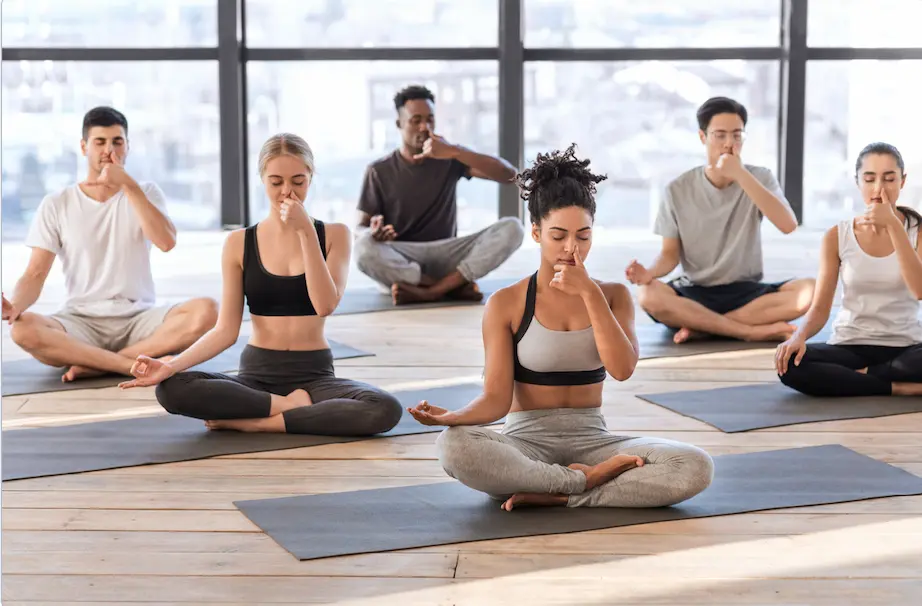
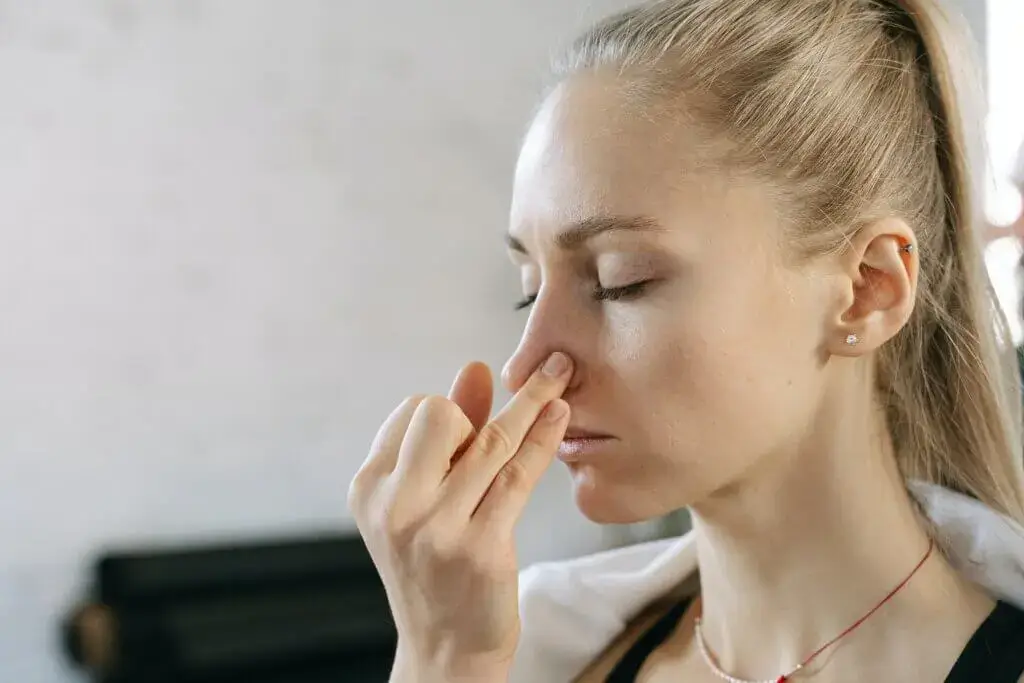
Nadi shodana, or alternate nostril breathing, is another technique that is well suited to pranayama beginners. It is said to aid concentration and have a positive effect on anxiety and insecurity. For alternate nostril breathing, it is best to sit upright with your shoulders relaxed.
- Bring your dominant hand in front of your face. Fold in your index and middle fingers and place your thumb against one nostril and the tip of your ring finger against the other. Your finger should rest on the side of your nose, roughly below the bridge of your nose.
- Now close your right nostril and lift your finger slightly off your left nostril. Breathe in through your left nostril.
- Now switch fingers: close your left nostril and lift your finger off your right nostril. Now breathe out fully through your right nostril.
- Repeat this about eight times. Try to count along with your breaths. Count as far as feels comfortable for you and make your in-breath and out-breath the same length.
If you want a calming effect, you can also adapt alternate nostril breathing by breathing out for longer. For example, you could count to three as you breathe in and to six as you breathe out. If you want an energising effect, for instance to wake yourself up properly in the morning, do the reverse and lengthen the in-breath.
3. Equal breathing
Equal breathing, or sama vritti in Sanskrit, is intended to bring balance both inwardly and outwardly. Once you have practised this exercise a few times in peace and quiet, you can easily use it in everyday life.
- Breathe in slowly while counting to four.
- Hold your breath with your lungs full. Count to four again.
- Breathe out for a count of four.
- With your lungs empty, count to four before starting again.
Repeat this cycle for about 2 minutes. As you become more practised, you can also increase the count to six or even eight.
Conclusion
Pranayama is an effective method with few side effects for bringing body and mind into balance. Scientific studies show that the breathing exercises can activate the parasympathetic nervous system, reduce stress and anxiety and improve the capacity for recovery. Whether as part of a yoga practice or as a standalone exercise – just a few minutes a day can help to strengthen mindfulness, concentration and inner calm. With regular practice, pranayama can easily be integrated into everyday life, supporting both physical and mental wellbeing.
revised on 12/02/2026
by Sarah B. (BSc Psychology)
Would you like to learn even more about pranayama?
In our podcast episode with Sascha Peschke, you can dive even deeper into the topic of yogic breathing. In a wide-ranging conversation, you will learn much more about the various techniques, about yoga, life energy and Sascha’s very personal journey to pranayama.
Deepen your meditation practice with Mindfulife
Meditation can be more than a short break in your everyday life. If you would like to understand more deeply how meditation works, how to build a steady practice of your own and how to guide others mindfully, our meditation teacher training is the next step. There you will not only get to know meditation in theory, but also develop more confidence, clarity and trust in your own practice.
Would you like to find out more about the training first? In our weekly webinar you will get an insight and learn more about what your path to becoming a meditation teacher could look like.
For regular support in your everyday life, you can also use our online meditation studio and join guided meditations flexibly via Eversports.
We look forward to accompanying you on your journey.
You can find more mindfulness inspiration on our channels too
References
Chakraborty, H., Vinay, A., Sindhu, R., & Sinha, R. (2025). Exploring the Immediate Effects of Nadi Shuddhi Pranayama on Heart Rate Variability Among Young Adults. Applied psychophysiology and biofeedback, 50(3), 525–533.
Chidambaram, Y., Saravana Kumar, P., Senguttuvan, N. B., Kundoor, L. R., Kasi, M., Chandrasekaran, A., Kuppuswamy, M. K., Shanmugasundaram, S., Sankaran, R., Sadagopan, T., & Prabhakaran, D. (2025). Abstract FR557: The Effect of Yogic Breathing (Pranayama) on Heart Rate and Blood Pressure in Patients with Hypertension: A Systematic Review and Meta-Analysis. Hypertension, 82(Suppl_1).
Magnon V, Dutheil F, Vallet GT. (2021). Benefits from one session of deep and slow breathing on vagal tone and anxiety in young and older adults. SciRep (11).
Martarelli D, Cocchioni M, Scuri S, Pompei P. (2011). Diaphragmatic breathingreduces exercise‐induced oxidative stress. Evid Based Complement Alternat Med 2011:932430
Oka, G. A., Deshmukh, K., Halder, P., Ilanchoorian, D., & Gandhi, A. P. (2025). A systematic review and meta-analysis to determine the effect of pranayama in reducing anxiety and stress in adolescents. International Journal of Adolescent Medicine and Health.
Shukla, A., Venkatesh, U. G., Almalki, S. A., Gowdar, I. M., & Gufran, K. (2025). Effect of yogic breathing (pranayama) on periodontal health status, salivary oxidative stress, and antioxidant levels in adults aged 35 to 44 in India: a cross-sectional study. European Journal of Medical Research, 30(1).
Tyagi A, Cohen M, Reece J, Telles S, Jones L. (2016). Heart rate variability, flow, mood and mental stress during yoga practices in yoga practitioners, non-yoga practitioners and people with metabolic syndrome. Appl Psychophysiol Biofeedback, 41.