Positive psychology: how can you finally bring more happiness into your life?
Dorothee B. Salchow, not only a lawyer and mediator but also an expert in positive psychology, offers an inspiring insight into the world of happiness in podcast episode 72. The episode is the perfect introduction to positive psychology and shows how anyone can bring more wellbeing into their life.

 · 3 min read
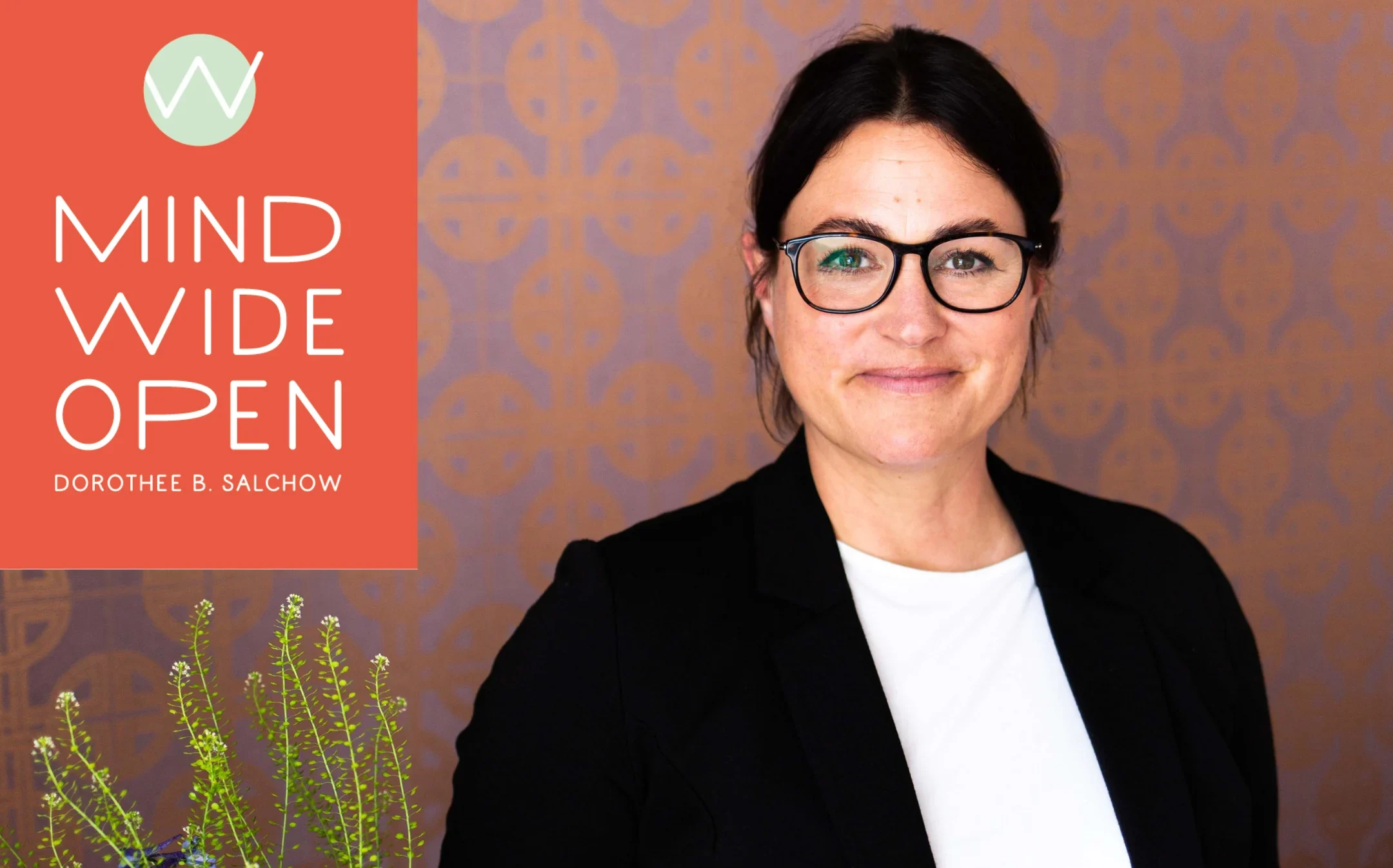
Imagine you had a scientifically grounded toolkit that helps you bring more wellbeing into your everyday life – without pretending that life is always perfect. That is exactly what positive psychology promises. Dorothee B. Salchow, lawyer, mediator and expert in positive psychology, talks about it. She gives listeners an inspiring insight into this science of flourishing. Her core message: everyone can actively work on their own happiness – and there are concrete ways to get there.
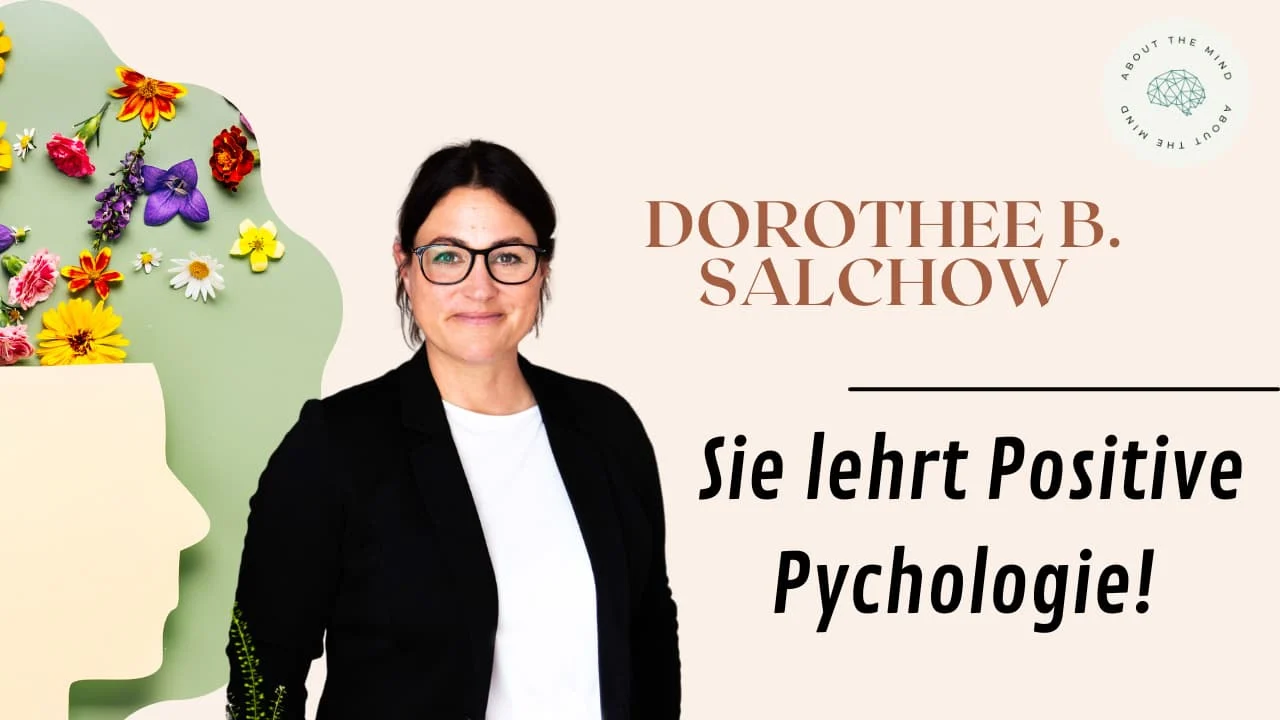
What is positive psychology – and why is it so special?
Psychology – for many people, that initially sounds like therapy, problems, everything that is wrong. Positive psychology deliberately turns this around. It doesn’t ask ‘What is broken?’, but rather ‘What makes people flourish?’ This comparatively young discipline was founded around 20 years ago by Martin Seligman and has been researching the conditions for a fulfilling, successful life ever since.
And the trained lawyer makes something else clear in this episode: it’s not about always being cheerful or smiling away bad feelings. Sadness, frustration, anger – all of these are part of life. Positive psychology means accepting these feelings while at the same time actively working on what is good for you.
But how do I know what is good for me? The PERMA model
The PERMA model is something like the compass of positive psychology. In it, Seligman brought together five areas which – if we nurture them – strengthen our wellbeing in a lasting way. Sounds abstract? Don’t worry – when you take a closer look, you’ll notice that you already know much of it from your own life.
P – Positive emotions
When did you last truly enjoy something? Positive emotions – whether gratitude, curiosity, joy or enthusiasm – are not a nice extra on the sidelines of life, but a genuine protective factor. They broaden our perspective, foster creativity and make us more resilient. It’s worth paying more conscious attention to them and putting them at the centre of your life: what regularly makes you smile – and how can you bring more of it into your everyday life?
E – Engagement
Have you ever been so absorbed in working or playing at something that you suddenly lost track of time? In psychology, this state is called ‘flow’ – and it is one of the clearest signs that you are using your strengths. Our guest invites you to do exactly that more consciously: find out what your talents are – and give them more space, both at work and in your private life.
R – Relationships
Who is truly good for you? It’s not the number of your contacts that counts, but the quality of your connections. Relationships in which you feel seen, understood and supported are one of the strongest factors for long-term wellbeing. Perhaps this is a good moment to message someone you’ve been thinking about for a while.
M – Meaning
What gets you out of bed in the morning? The question of meaning sounds big – but it doesn’t have to be. Meaning can lie in small things: in volunteering, in your work, in a relationship or in the causes you stand up for. What matters is the feeling of being part of something bigger than yourself.
A – Achievements (successes and goals)
Goals give us direction – but Salchow emphasises something we often forget: arriving deserves attention too. How often do you achieve something and move straight on to the next item without pausing for a moment? Consciously noticing and acknowledging your own progress, even the small steps, is a real wellbeing booster.
Where do you start? A first concrete step
The expert recommends starting with what she calls ‘positive diagnostics’: first finding out who you actually are – what your values are, what gives you meaning, which strengths you bring with you. A concrete starting point for this is the free VIA Character Strengths Survey, which shows you which of your character strengths are particularly pronounced. The result may surprise you – and it gives you a very personal starting point for your own positive psychology.
revised by Leonie A. (psychology student)
on 16 March 2026
Deepen your meditation practice with Mindfulife
Meditation can be more than a short break in your everyday life. If you would like to understand more deeply how meditation works, how to build a steady practice of your own and how to guide others mindfully, our meditation teacher training is the next step. There you will not only get to know meditation in theory, but also develop more confidence, clarity and trust in your own practice.
Would you like to find out more about the training first? In our weekly webinar you will get an insight and learn more about what your path to becoming a meditation teacher could look like.
For regular support in your everyday life, you can also use our online meditation studio and join guided meditations flexibly via Eversports.
We look forward to accompanying you on your journey.
You can also find more mindfulness inspiration on our channels:
References
Seligman, M. E. P., & Csikszentmihalyi, M. (2000). Positive psychology: An introduction. American Psychologist, 55(1), 5–14. https://doi.org/10.1037/0003-066X.55.1.1
Seligman, M. E. P. (2018). PERMA and the building blocks of well-being. The Journal of Positive Psychology, 13(4), 333–335. https://doi.org/10.1080/17439760.2018.1437466