Ghost Stories and Parapsychology: What’s Really Behind Them?

 · 7 min read

Have you ever wondered what is really behind a spooky ghost story? Footsteps in an empty attic, inexplicable noises or a shadow that suddenly vanishes – experiences like these fascinate us, especially around Halloween. But is there really anything to them?
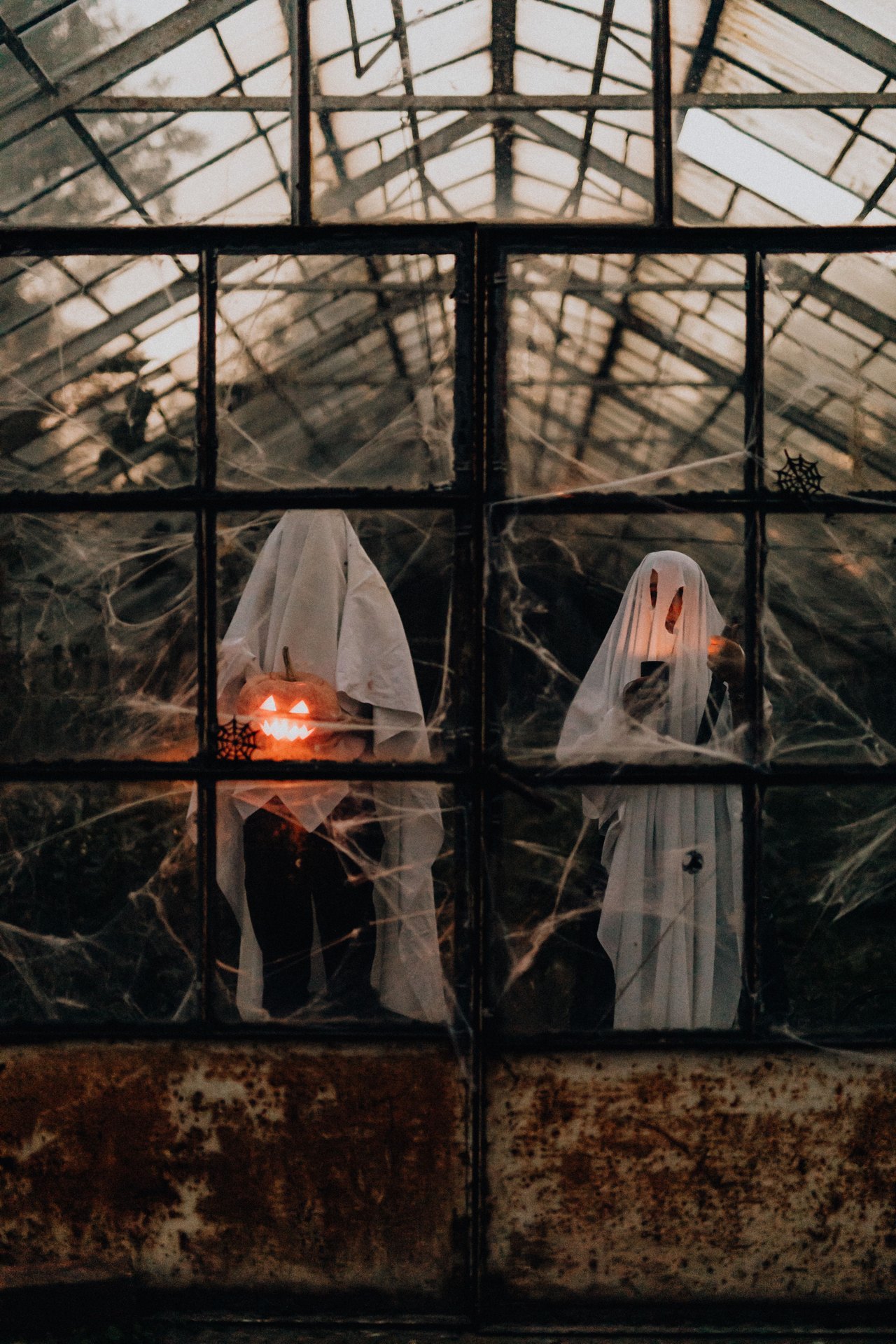
Parapsychology deals with extraordinary phenomena that cannot easily be explained at first glance. These include, for example, telepathy, premonitions and reports of ghostly apparitions. Although many of these phenomena are controversial, they reveal something deeply human: our search for meaning, orientation and explanations for the unknown.
But mainstream psychology also offers fascinating insights into how stress, expectations and our perception are connected.
In this article, we encounter a mysterious ghost story and discover three surprising insights into how our brain processes unusual experiences. You will also find out what we can learn from this about relating to our perception mindfully.
A ghost story from an old farmhouse
The following story is a fictional example that illustrates how our perception can shape unusual experiences.
Imagine moving with your family into an old farmhouse on the edge of a small village. The building has stood there for more than 150 years. The wooden floors creak, the wind whistles through the cracks and at night the house seems to take on a life of its own.
That is exactly what happens to Anna. Just a few weeks after moving in, she hears footsteps in the attic at night, even though nobody is up there. Doors seem to move by themselves and sometimes she thinks she can make out a dark figure in the hallway out of the corner of her eye.
Together with her family, she looks for explanations. They search the attic and check the windows and doors. But the noises continue. What is particularly striking is that Anna notices the eerie experiences more often when she is stressed, exhausted or short of sleep.
Eventually, Anna begins to record her observations in a diary. She notes the time, the weather, her mood and how well she has slept. After a few weeks, she discovers a pattern: most of the unusual perceptions occur after particularly stressful days.
Is the old farmhouse really haunted, or is Anna’s own perception playing tricks on her?

How does parapsychology investigate unusual experiences?
What lies behind experiences like Anna’s? Parapsychology deals with extraordinary phenomena for which there are, as yet, no generally accepted scientific explanations. These include, for example, telepathy, premonitions and reports of ghostly apparitions.
Researchers try to investigate such phenomena using scientific methods. Among other things, they collect personal accounts, analyse possible connections and carry out experimental studies. However, paranormal abilities and ghostly apparitions have not yet been reliably demonstrated scientifically.
Psychology, too, explores why people perceive unusual things. The focus here is above all on our expectations, our emotions and the way we process sensory impressions.
After all, what we perceive is not always what is actually happening around us. Our brain is constantly trying to make sense of sensory impressions and give them meaning. With ambiguous stimuli in particular, this can give rise to different interpretations.
But what role do stress, expectations and our surroundings play when we experience something eerie?
Are there psychological explanations for hauntings?
Why do we sometimes hear noises we cannot explain, or think we have seen a shadow even though nobody is there? From a psychological point of view, various factors can influence how we perceive and interpret such situations. Let’s take a closer look at three of them.
How do stress and lack of sleep affect our perception?
Stress can influence how our brain processes information. When we are under pressure, we are often more alert to potential dangers and more likely to interpret ambiguous stimuli as threatening. A sudden creak in the old farmhouse can then quickly seem sinister.
Lack of sleep also plays a part. A scientific review by Waters et al. (2018) shows that prolonged, severe sleep deprivation can cause perceptual distortions and even hallucinations. However, this does not mean that every unusual perception can be put down to a lack of sleep.
Why can our expectations influence hauntings?
If we believe that a particular place is haunted, we may pay closer attention to unusual noises, shadows or movements. Our expectations can influence how we interpret such impressions.
An interesting example is the so-called Haunt Project by French et al. (2009). In this study, 79 people spent time in a specially designed room in which electromagnetic fields and infrasound were deliberately altered. Although many participants reported unusual sensations, how often they did so did not depend on the experimental conditions. The researchers suspected that suggestibility in particular played a role.
Can environmental factors explain hauntings?
Not every eerie experience has to have an extraordinary cause. In old buildings especially, creaking wooden floors, draughts, poor lighting or strange noises can quickly create a mysterious atmosphere.
Researchers are also investigating whether infrasound, i.e. very low-frequency sound, or electromagnetic fields can trigger unusual sensations. The scientific findings, however, are mixed.
In the Haunt Project by French et al. (2009), for example, no such effects could be demonstrated from deliberately altering these environmental conditions. The study highlights that our expectations can play an important role in how we perceive supposedly paranormal events.
Why do people believe in ghostly apparitions?
Belief in ghosts and supernatural phenomena is widespread in many cultures. But why do such ideas fascinate us, and why do some people find them especially convincing?
People try to understand unusual or inexplicable events and give them meaning. Particularly in times of grief or loss, the idea of still being connected to someone who has died can offer comfort. However, such experiences can also be unsettling or distressing.
The way we think also plays a part. A study by Drinkwater et al. (2021) examined the links between paranormal belief, personal experiences and certain thinking styles. The results show that our beliefs and the way we process information are interconnected.
This does not mean, however, that people are deliberately imagining unusual experiences. Their perceptions and the feelings that come with them can feel completely real, even if their causes can be explained in different ways.
How can mindfulness help with unusual experiences?
Imagine you hear an inexplicable noise at night. Your heart beats faster and all sorts of thoughts immediately race through your mind. Was that just the wind, or is there something sinister going on after all?
This is exactly where mindfulness can help. Instead of immediately looking for an explanation or letting your fears guide you, you can pause for a moment and consciously notice what is happening right now.
Mindfulness means observing experiences attentively and, as far as possible, without jumping to judgement. It is not about suppressing unpleasant feelings but about noticing them and distinguishing between the actual experience and your interpretation of it.
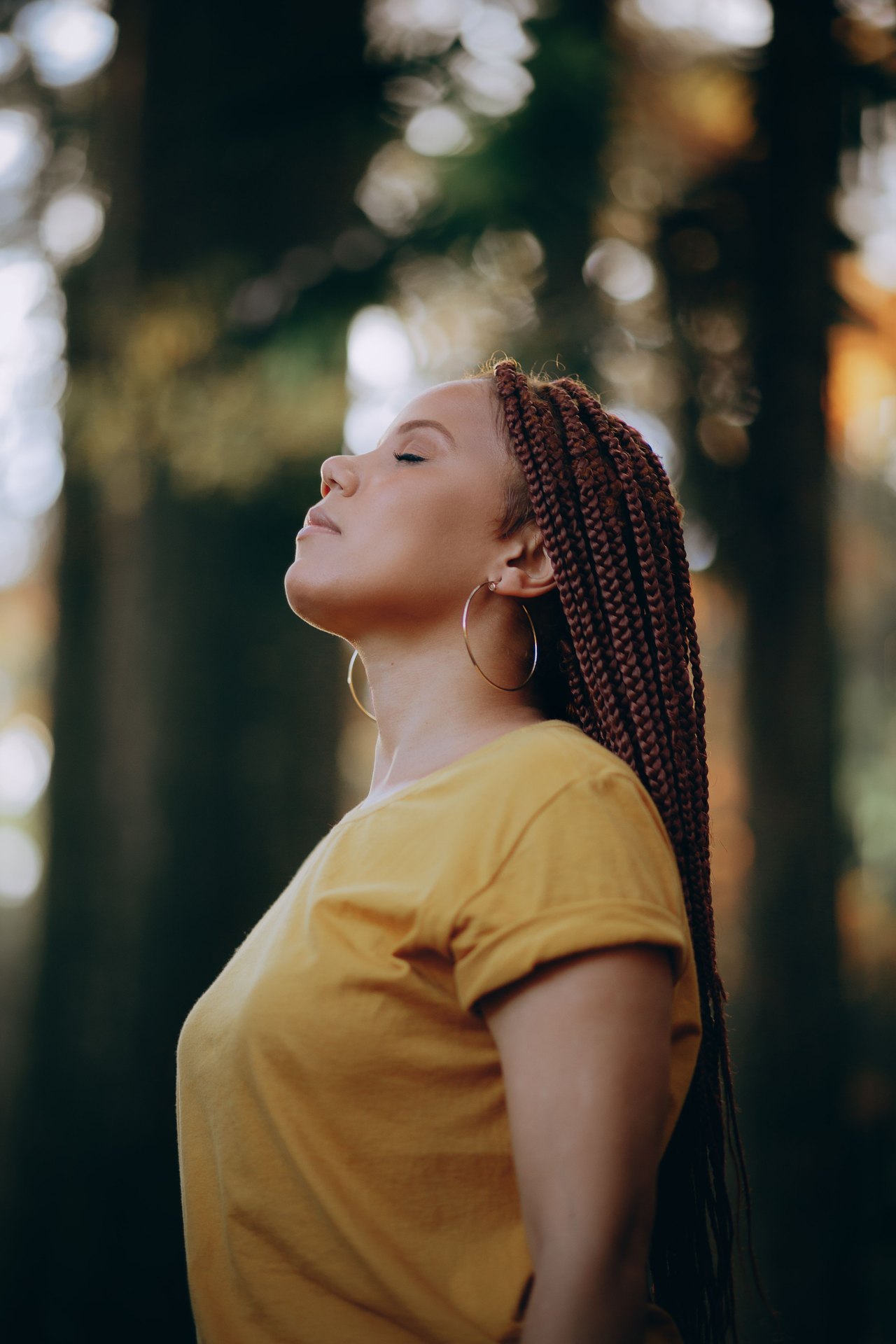
The following questions can help you:
- What am I actually perceiving? For example, am I hearing a noise, or am I already assuming it is footsteps?
- How am I feeling right now? Am I tense, anxious or curious?
- Am I tired or stressed? Could my current state be influencing my perception?
- What other explanations are there? Could the wind, the lighting or everyday noises be playing a part, for instance?
Reflecting consciously in this way can help you step back from hasty conclusions and view unusual situations more calmly.
After all, just because something feels eerie does not necessarily mean it has an eerie cause.
Conclusion: what ghost stories teach us about our perception
Whether it is creaking floorboards, inexplicable noises or mysterious shadows – ghost stories fascinate us, especially around Halloween. But as Anna’s story shows, there does not necessarily have to be anything supernatural behind an eerie experience.
Parapsychology deals with extraordinary phenomena, while psychology shows how stress, lack of sleep, expectations and environmental conditions can influence our perception.
For our mindfulness practice, this holds a valuable insight:
We do not have to judge or explain everything we perceive straight away.
Sometimes it is worth pausing, taking a closer look and distinguishing between the actual experience and our interpretation of it.
And who knows? Perhaps the next time you hear a mysterious noise on Halloween night, you will listen a little more closely before thinking of a ghost. 👻
Have you ever experienced something you could not explain?
Feel free to share your experience in the comments! We look forward to hearing your story.
Thomas M. (Business Psychologist BSc/MBA)

Deepen your meditation with Mindfulife
Meditation can be more than a short break in your everyday life. If you would like to understand more deeply how meditation works, how to build a stable practice of your own and how to guide others mindfully, our meditation teacher training is the next step. There you will not only get to know meditation in theory but also develop more confidence, clarity and trust in your own practice.
Would you like to find out more about the training first? In our weekly webinar you will get an insight and learn more about what your path to becoming a meditation teacher could look like.
For regular support in your everyday life, you can also use our online meditation studio and take part in guided meditations flexibly via Eversports.
We look forward to accompanying you on your journey.