Why does gratitude make you happy?

 · 4 min read
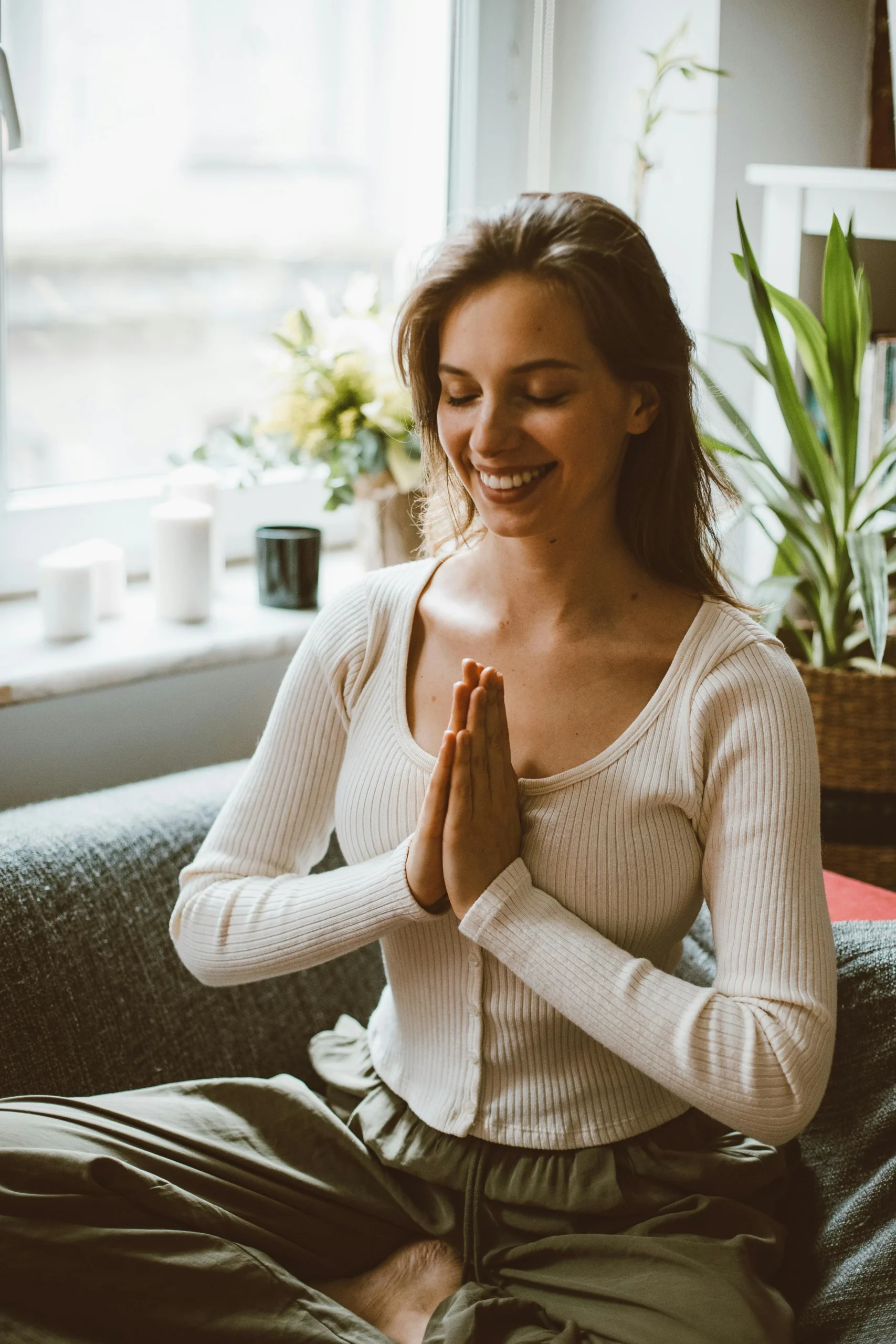
“It is not the happy people who are thankful. It is the thankful people who are happy.” – Francis Bacon
What is stopping me from being happy?
You are probably familiar with these kinds of conversations among the people around you and your friends, and with sentences like:
- “As soon as I get promoted, I’ll finally relax.”
- “Once I have more money, I’ll treat myself more often.”
- “When the stress eases off, I’ll start living more healthily.”
- “When this chaos is over, I’ll spend more time with friends.”
We hear sentences like these from others, but we also say them ourselves. And yes, it is only human to think this way.
Nevertheless, all of this is based on the idea that our happiness depends on external circumstances. We think we can only be happy when certain conditions are met:
- When I have more money…
- When I’m fitter…
- When I’ve solved this problem…
… then I can be happy.
The catch is: this “perfect moment” will never come. There will never be a day when everything finally falls into place and we can finally allow ourselves to be happy. Life is constantly in flux, and there will always be new challenges and new ideals. If we make our happiness dependent on external things, we are chasing a mirage.

How do I become happy?
Instead of waiting for all the conditions to be met so that we can finally be happy, we can learn to focus on what is already good now. In doing so, we can accept the present moment without demanding that everything be perfect. This is exactly where gratitude comes in.
The psychologists Robert Emmons and Michael McCullough (2003) define gratitude as a two-step process:
- Recognising: I notice that something good has happened to me.
- Appreciating: I see that its source lies outside myself.
That sounds obvious. In reality, though, we often overlook these moments in everyday life. When did you last feel truly pleased that your favourite snack wasn’t sold out? We run on autopilot, rush from task to task and pay hardly any attention to the positive. Yet a brief moment of pausing could be enough to noticeably lift our mood.
What are the benefits of gratitude?
In several studies, Emmons & McCullough found that:
- People who practise gratitude regularly report greater life satisfaction and a better mood.
- Gratitude exercises can increase positive emotions and reduce negative ones.
- The effects appear after just a few weeks and become even stronger with long-term practice.
Researchers suspect several mechanisms through which gratitude enhances our wellbeing:
- Heightened perception of positive events
- Better coping with negative experiences
- Stronger social bonds
- Protection against depressive low moods
How can I become more grateful?
Gratitude can enrich your life in many ways. It can have a positive effect on your relationships as well as your physical and mental health . And you can make use of that.
Try to create more moments in your everyday life in which you consciously reflect and look for reasons to be grateful. Gratitude exercises and meditations can help you with this. Meditation helps us let go of our worries about the future and our ideals, arrive in the present and work with whatever is here right now.
Conclusion: Happiness is not a destination we reach at some point when “everything falls into place”. It is a path that begins in the here and now. Gratitude is an invitation to walk this path consciously.
Why not give it a try right now:
Meditation guide (gratitude exercise):
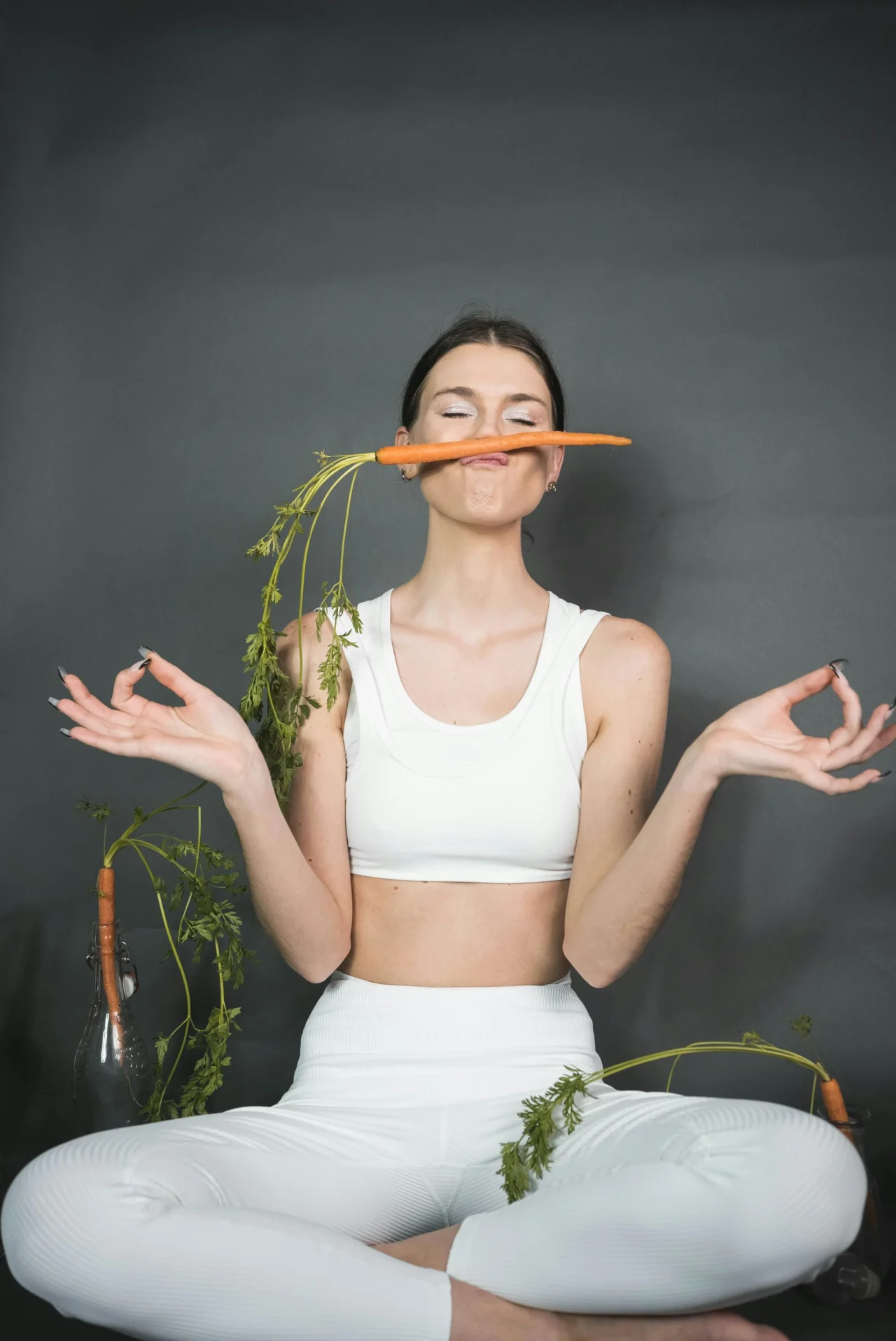
- Sit upright and relaxed.
Close your eyes if you like.
Remind yourself that you have set aside this time and that everything else can wait for the next few minutes.
Allow yourself to give yourself fully to this meditation. - Now think about today.
- Find three things you are grateful for today.
- They can be small things. What matters is that they are already here.
- Consciously feel this gratitude.
- Take a moment for this.
- Now bring this little gratitude exercise to a close.
- Bring your attention back to your body.
- Perhaps you can let your face soften a little, relax your eyebrows, loosen your jaw, lower your shoulders.
- Feel your breath. Where do you notice it most clearly?
- If you notice your thoughts wandering, gently bring your attention back to your breath.
- Now, at the end, become aware again of where you are, of the room you are in.
Bring your attention fully back.
Marie S. (psychology student)
Meditation to join in with
If you would like to deepen your meditation experience or simply get started straight away, you will find a wide range of guided meditations on the YouTube channel “Phil Pham Meditation”. Feel free to take a look!
Deepen your meditation practice with Mindfulife
Meditation can be more than a short break in your everyday life. If you would like to understand more deeply how meditation works, how to build a steady practice of your own and how to guide others mindfully, our meditation teacher training is the next step. There you will not only get to know meditation in theory, but also develop more confidence, clarity and trust in your own practice.
Would you like to find out more about the training first? In our weekly webinar you will get an insight and learn more about what your path to becoming a meditation teacher could look like.
For regular support in your everyday life, you can also use our online meditation studio and join guided meditations flexibly via Eversports.
We look forward to accompanying you on your journey.
You can find more mindfulness inspiration on our channels too
References
Mindfulife Meditation. (2020, 28. April). Geführte Meditation | Glücklich sein [Mindfulife goes MindfuLIVE #29] [Video]. YouTube. https://www.youtube.com/watch?v=8_Rl6B5Q5LQ
Emmons, R. A., & McCullough, M. E. (2003). Counting blessings versus burdens: An experimental investigation of gratitude and subjective well-being in daily life. Journal of Personality and Social Psychology, 84(2), 377–389. https://doi.org/10.1037/0022-3514.84.2.377
Schmidkonz, C. (2021). Achtsamkeit, Mitgefühl und Dankbarkeit als Glücksfaktoren im Arbeitsalltag. In Quick Guide Glück im Arbeitsleben (pp. 17–31). Springer Gabler. https://doi.org/10.1007/978-3-662-63903-0_2
Watkins, P. C., Woodward, K., Stone, T., & Kolts, R. L. (2003). Gratitude and happiness: Development of a measure of gratitude, and relationships with subjective well-being. Social Behavior and Personality: An International Journal, 31(5), 431–452. https://doi.org/10.2224/sbp.2003.31.5.431