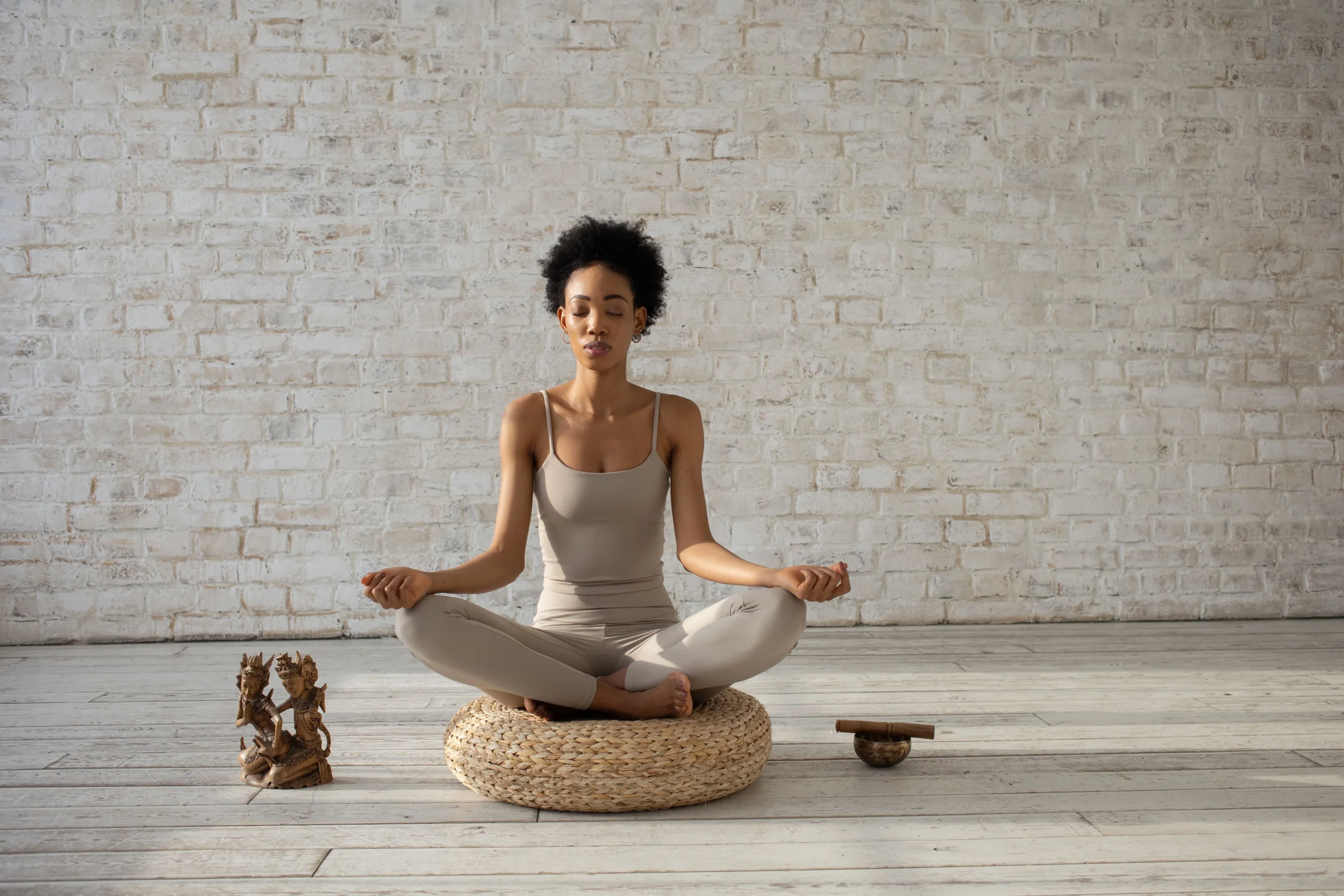
Mantras and meditation – what are they?
In this blog article, we explain what a mantra can be understood to mean, what benefits it brings and how it is used in meditation

 · 4 min read
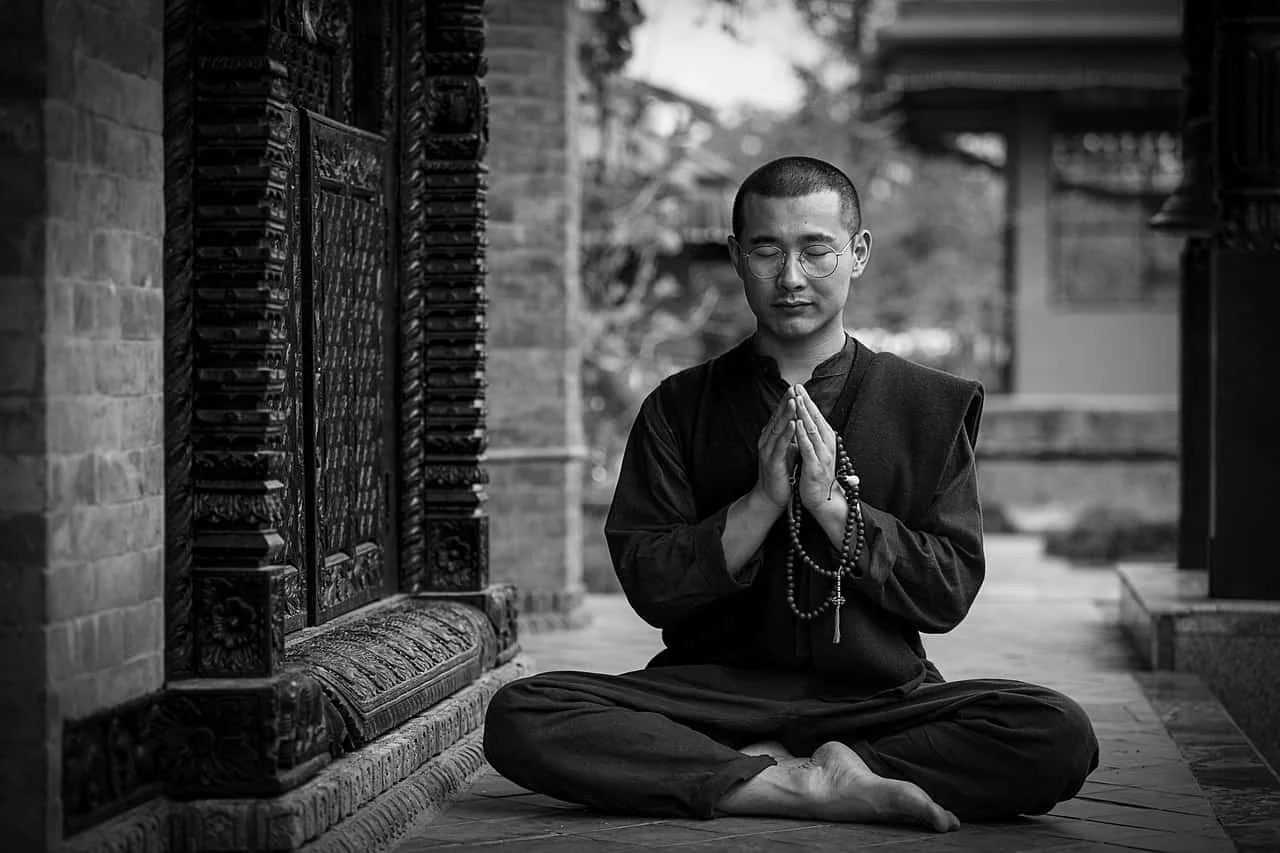
For many people around the world, meditation is part of their daily routine. It is also not uncommon for them to use a mantra to strengthen the mind and manifest thoughts. In this blog article, we explain what a mantra can be understood to mean, what benefits it brings and how it is used in meditation.
What is meant by a mantra?
The word “mantra” comes from ancient Indian (Sanskrit) and can be translated as “song”, “hymn” or “saying”. Mantras are therefore your own thoughts or beliefs, which can be given space during meditation, for example, in order to focus the mind and manifest thoughts. They can be recited aloud, repeated silently or sung.
Their history goes back above all to Hinduism and Buddhism, where they have been used for several centuries. There, too, mantras were recited during meditation or incorporated into people’s daily prayers. Accordingly, it can be said that they can carry both religious and spiritual significance.
How are mantras used in meditation?
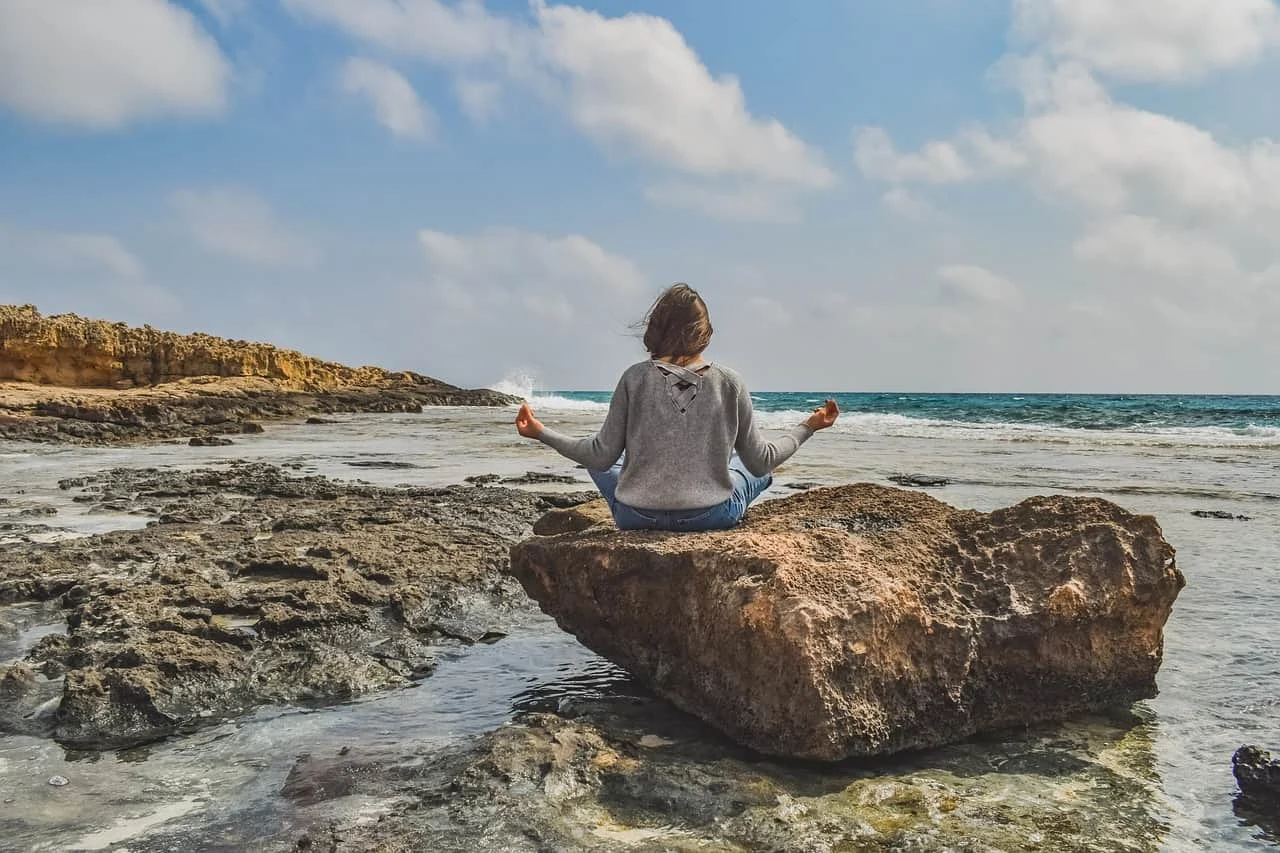
They can be used in any kind of meditation. Whether in a walking meditation, Shamatha or Metta meditation – it is entirely up to you. Mantras can also be used in yoga.
During meditation, the mantra can either be recited aloud or said silently in your mind. What matters is repetition. There is no one-size-fits-all answer to the question of how often it should be recited during a meditation. The number of repetitions depends on the length of the meditation. If you meditate for a longer period or even for several hours, it is repeated more often. In a short meditation, for example during your lunch break, it is repeated only three to five times.
What forms of mantra are there?
Probably the best-known mantra is “Om”. It can be regarded as one of the oldest and also goes back to the history of Hinduism and Buddhism. “Om” is said to symbolise the past, the present and the future and to represent the transcendental primordial sound, which is why it is also used to invoke or manifest the three best-known Buddhist deities. Today it is most commonly used during meditation, but yoga practitioners are also very fond of “Om”.
Also popular in Buddhism is the Avalokiteshvara mantra. Here, the words “Om mani padme hum” are repeated several times during a prayer or meditation and thereby manifested. Translated, the words mean that the person expresses their compassion to the god Buddha. Through repetition and manifestation, it is also said to help people attain enlightenment.
The Anusara mantra is particularly popular in yoga. It consists of several words or sentences that resemble a poem without rhymes. It is often recited three times at the beginning of a yoga session. This is intended to bring divine energy back to the person. The Anusara mantra goes back to the American yoga teacher John Friend, who coined it.
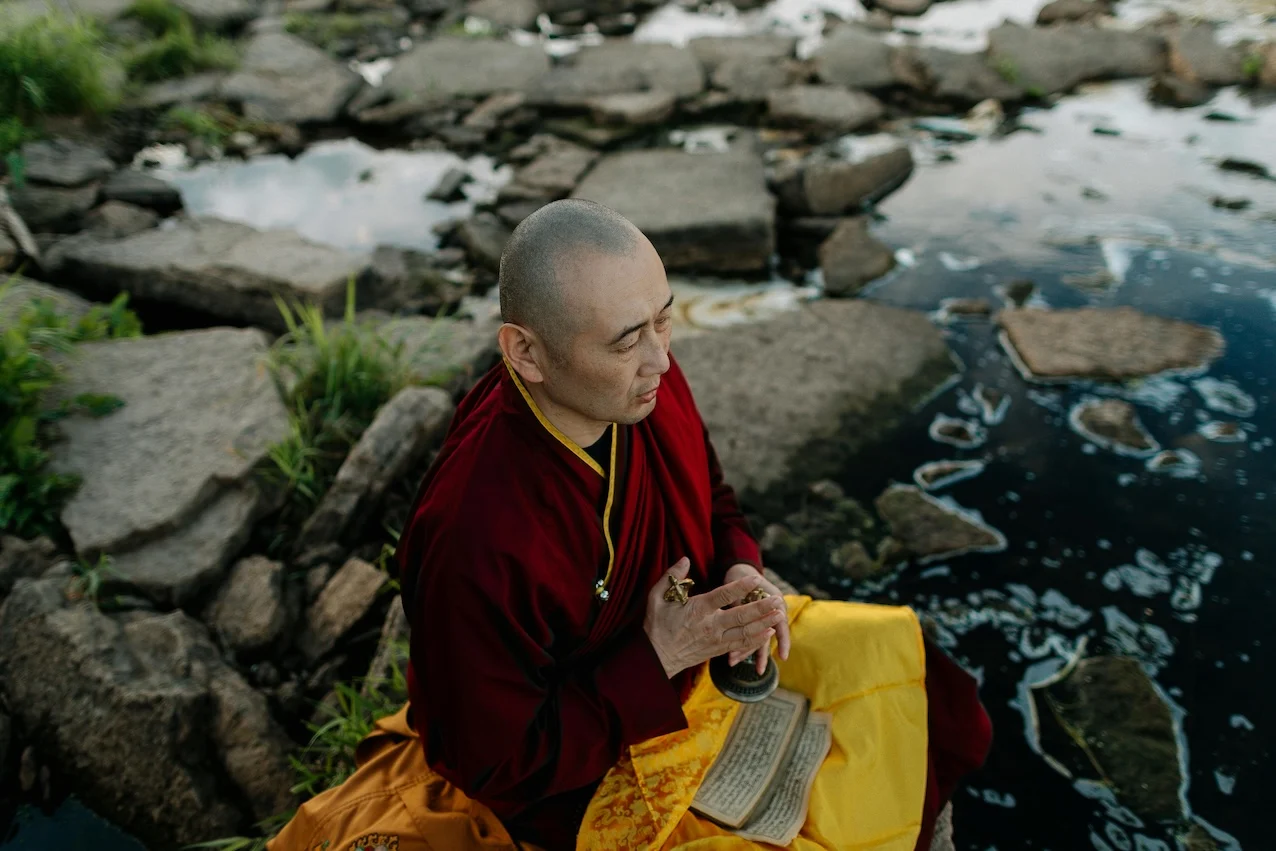
How do I choose the perfect mantra for me?
The choice is above all a personal one. You can draw on well-known mantras, but you can also create your very own. What matters is that it holds special meaning for you and that you believe in it. It helps to choose a short, concise mantra. Words or sentences that are too long or that contain technical terms or foreign words are less suitable. What matters is that you can meditate with it.
If you are not yet sure which mantra is right for you, or how to find your perfect one in the first place, here are a few tips:
It is a good idea to start by trying out one or two mantras during meditation. That way, you can see whether one works for you during your meditation or whether you would rather switch to another. It is important not to change it straight after one or two meditations. You need to stick with it for a while to be able to decide whether you are happy with your choice.
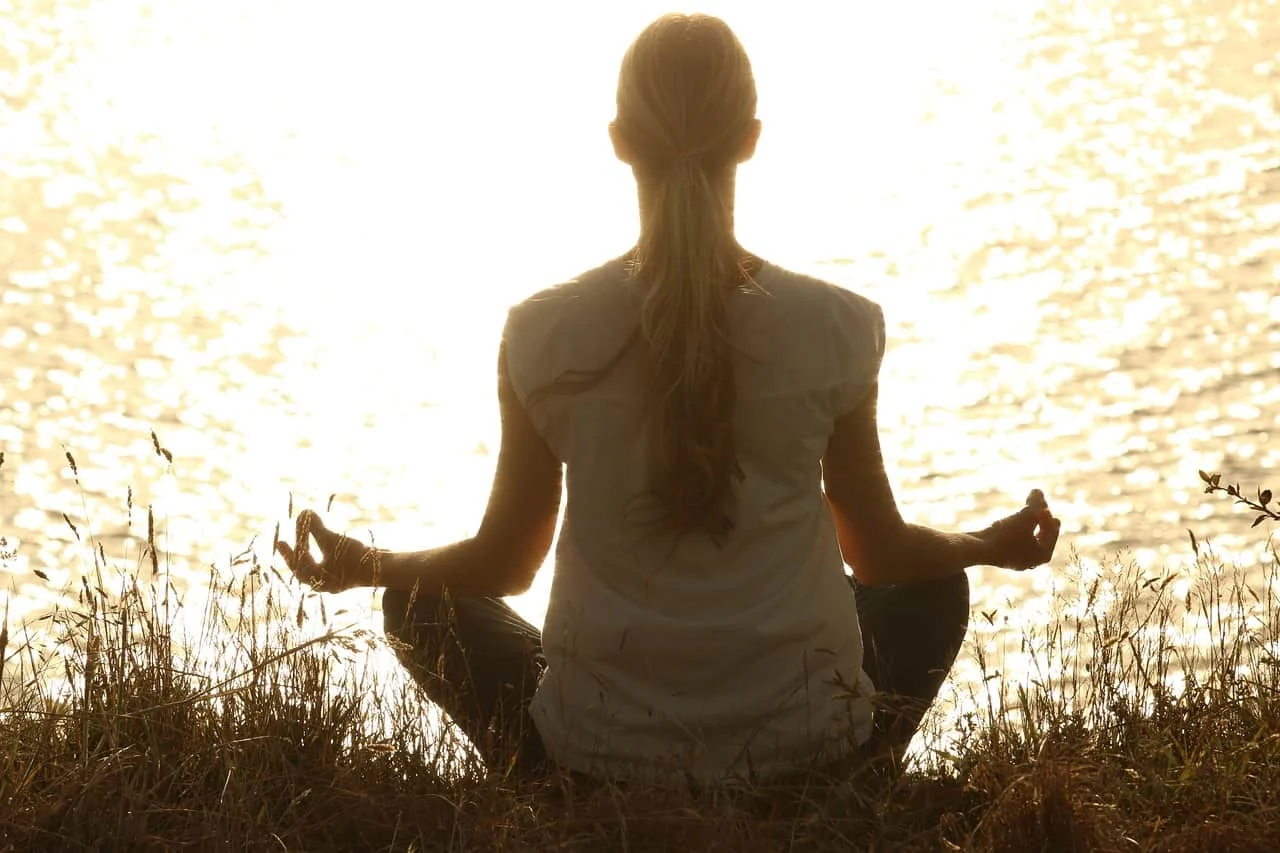
Benefits of manifesting a mantra
Manifesting brings various benefits for body and mind. The repetitions enable the body to reach a deeper, meditative state during meditation, so that the meditation has a stronger effect on the body.
In addition, repeating the mantra has a calming effect and can contribute to a state of relaxation.
On the other hand, manifesting thoughts can help you cope better with everyday stress. Both body and mind learn to switch off more easily. The mere thought that it could have a positive effect on the body can already lead you to believe in it. And as a result, you may simply feel better.
Conclusion
Mantras and meditation are powerful tools that can play an important role in both spiritual and everyday life. Through repetition, mind and body can be brought into a state of deep relaxation and focus. Choosing the right mantra is a very personal decision that should be made with care. A well-chosen mantra can help reduce stress, improve mental clarity and enable a deeper meditative experience. It is important to be patient and to try out different mantras to find the one that suits you.
Deepen your meditation practice with Mindfulife
Meditation can be more than a short break in your everyday life. If you would like to understand more deeply how meditation works, how to build a steady practice of your own and how to guide others mindfully, our meditation teacher training is the next step. There you will not only get to know meditation in theory, but also develop more confidence, clarity and trust in your own practice.
Would you like to find out more about the training first? In our weekly webinar you will get an insight and learn more about what your path to becoming a meditation teacher could look like.
For regular support in your everyday life, you can also use our online meditation studio and join guided meditations flexibly via Eversports.
We look forward to accompanying you on your journey.