Pets and Mindfulness: What Is the Connection?
We teach our pets many things, but we can also learn a great deal from them. Pets and other animal companions help us lead a more conscious and mindful life.

 · 8 min read
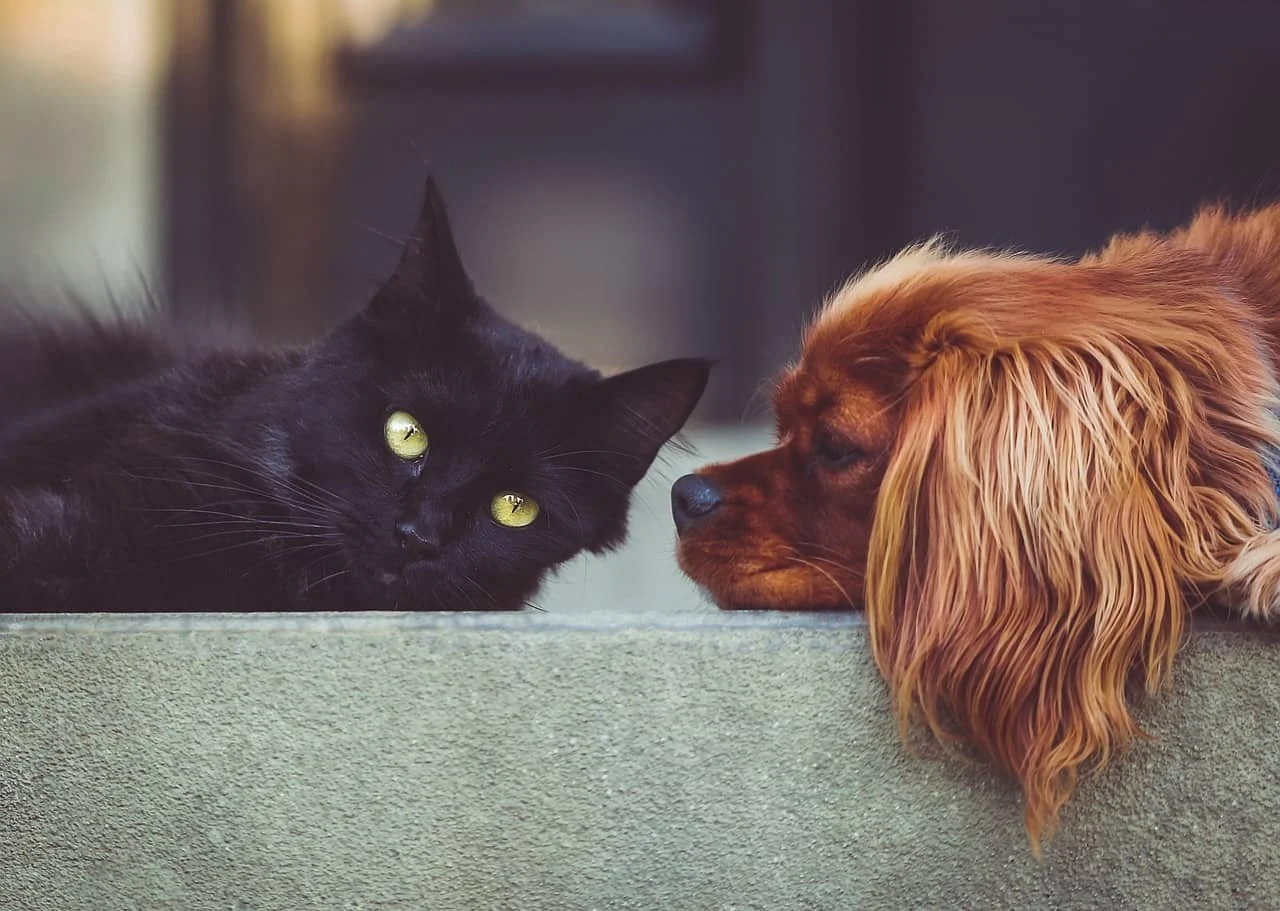
In Germany alone, there were a total of 34.7 million pets in 2022. By far the most popular pet among Germans is the cat, followed by the dog and small animals such as hares, rabbits and guinea pigs. For many people, pets are simply part of life. Dogs in particular are known as man’s best friend because of their loyal and affectionate nature. Pets can be taught many things, but we can also learn a lot from them. In this way, pets can contribute to a more conscious and mindful life.
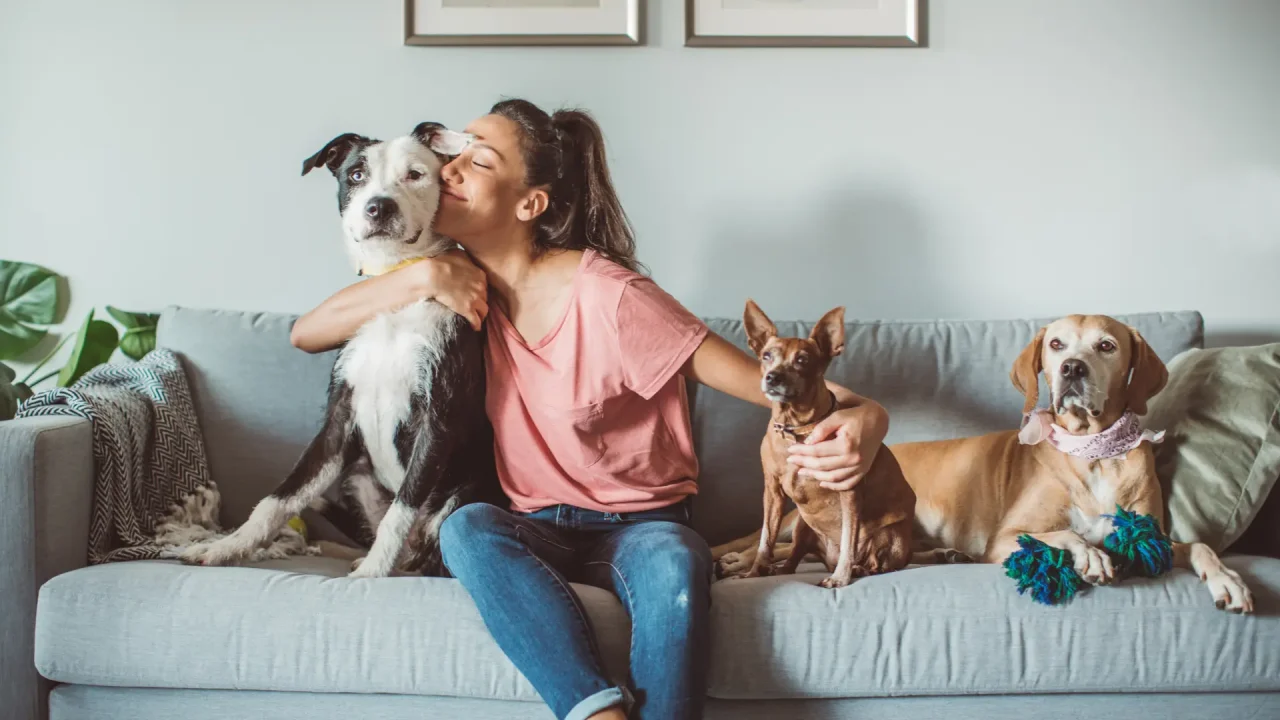
Responsibility and new challenges
Above all, pets mean one thing: a whole lot of responsibility. It doesn’t matter which animal you have – it is not able to look after itself. That task falls to its owner. Of course, different pets come with different levels of responsibility. A dog, for example, needs more activity and attention than a fish in an aquarium. And depending on the species, this means, in the best case, responsibility for the next ten to fifteen years.
Whether or not you have had a pet before, they will certainly bring new challenges. Obviously, you won’t get everything right from the start. What matters here is listening to your gut feeling. A lot simply comes with time. You will develop a sense of what your pet wants from you. Sometimes you may not connect with your pet straight away. Just don’t set your expectations too high at the beginning. But don’t worry – relationships grow over time.
Taking responsibility for a pet covers a lot of ground. It starts with keeping the animal you have chosen in a way that suits its species, continues with training and keeping it physically and mentally stimulated, and extends all the way to your financial means.
Depending on which pet you want to get, pets also mean costs. As a rule, it doesn’t stop at the one-off purchase price and the cost of housing such as an aquarium or a cage (the latter, by the way, is not appropriate housing for any rodent or bird!). You will have to cover the costs of food, toys, activities (such as sports classes for and with your dog), training sessions where needed and other expenses. With a bit of bad luck, the biggest factor can be the vet’s bill.
Take the case of a torn cruciate ligament in a dog or cat: the bill can quickly run to several thousand euros if surgery is needed, bandages have to be checked, medication administered and physiotherapy arranged. Make sure you are fully aware of all these points before you get a pet.
The following quote sums it up particularly well: ‘Without my pets, my home would be clean and my wallet full. But my heart would be empty.’
Pets mean love and affection
Once you have made a conscious decision to get a pet, you have above all brought a great deal of love into your home.
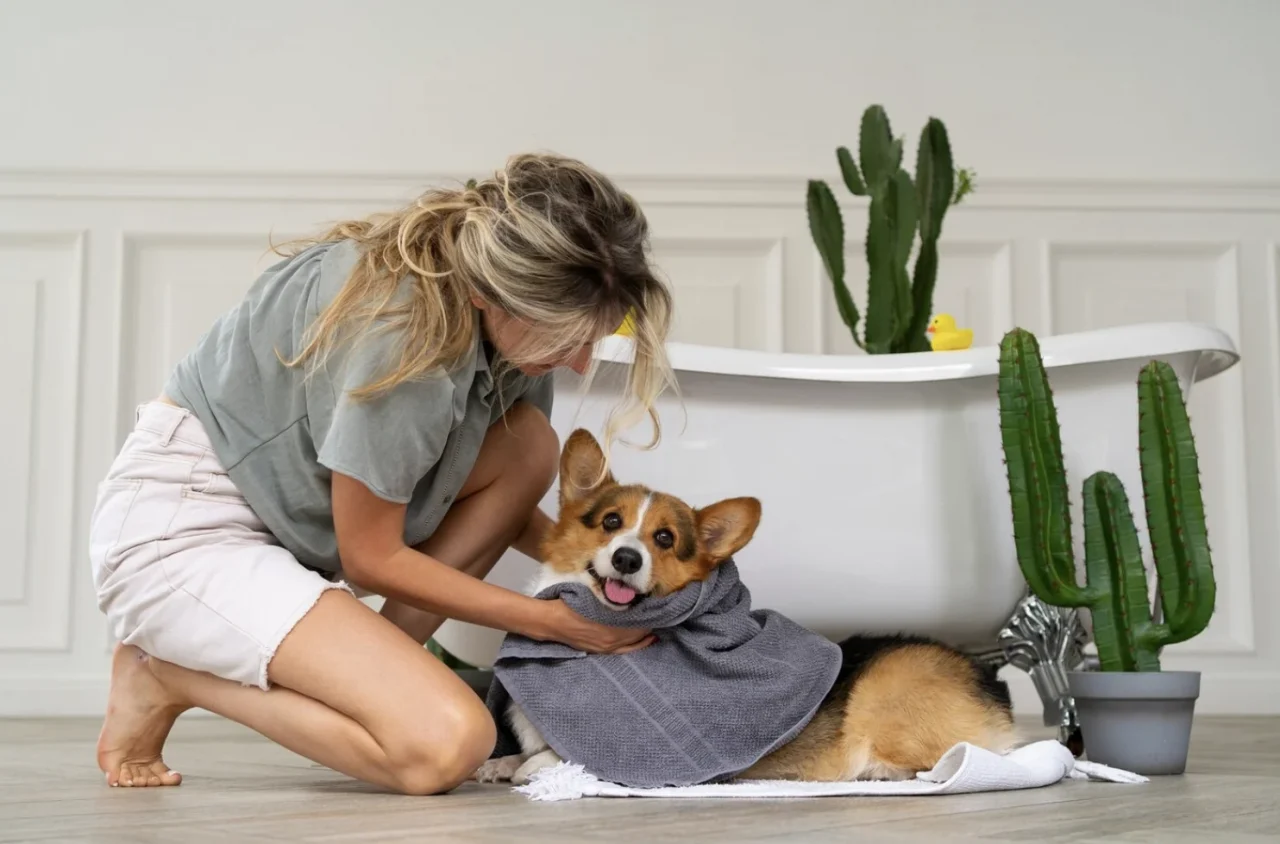
People who don’t have pets themselves probably won’t understand this, but dogs, cats and horses in particular are far more than just pets. They are our best friends. They are members of the family and companions for a chapter of our lives. What we feel for these animals is nothing short of pure love. Many people even go so far as to call their beloved animals soul mates, because they feel so much for them.
It’s not just you giving your pet a lot – you also get plenty of affection and love in return. Every pet owner knows that wonderful moment when you’re sitting on the sofa and your pet settles down beside you, just wanting to be stroked. And although nothing else happens apart from us stroking our pet, we are filled with a certain warmth, a sense of security and also happiness at being able to experience such a lovely moment every day. It’s the little moments in everyday life with our pets that make us happy and carefree for a while.
Pets mean enjoying life in the here and now
“A dog has no use for fancy cars or big homes or designer clothes. A water logged stick will do just fine. A dog doesn’t care if you’re rich or poor, clever or dull, smart or dumb. Give him your heart and he’ll give you his. How many people can you say that about? How many people can make you feel rare and pure and special? How many people can make you feel extraordinary?” (Quote from the film “Marley & Me”)
Pets constantly remind us to live in the here and now. They don’t think about tomorrow or the future. Nor do they have any understanding of, or preference for, material things. And this is exactly the attitude we could all learn something from. We think far too much about what the future will bring, second-guess decisions we have already made, or get stuck in the past with our thoughts and feelings.
An example: when you come home from work and take your dog for a walk, your thoughts may still be at work. You go over the day in your head or perhaps think about everything you still have to do once you’re back home. Your four-legged friend shares none of these thoughts. All he does is enjoy nature. He lives in the moment. He takes in his surroundings with his senses. He picks up the scents around him, listens to the sounds of nature and perhaps enjoys a game of ball with you.
For your pet, every day is a surprise. It doesn’t know what tomorrow might hold or what the future will bring. And yet it gives all of us the feeling that everything will be all right.
Pets mean sticking to routines
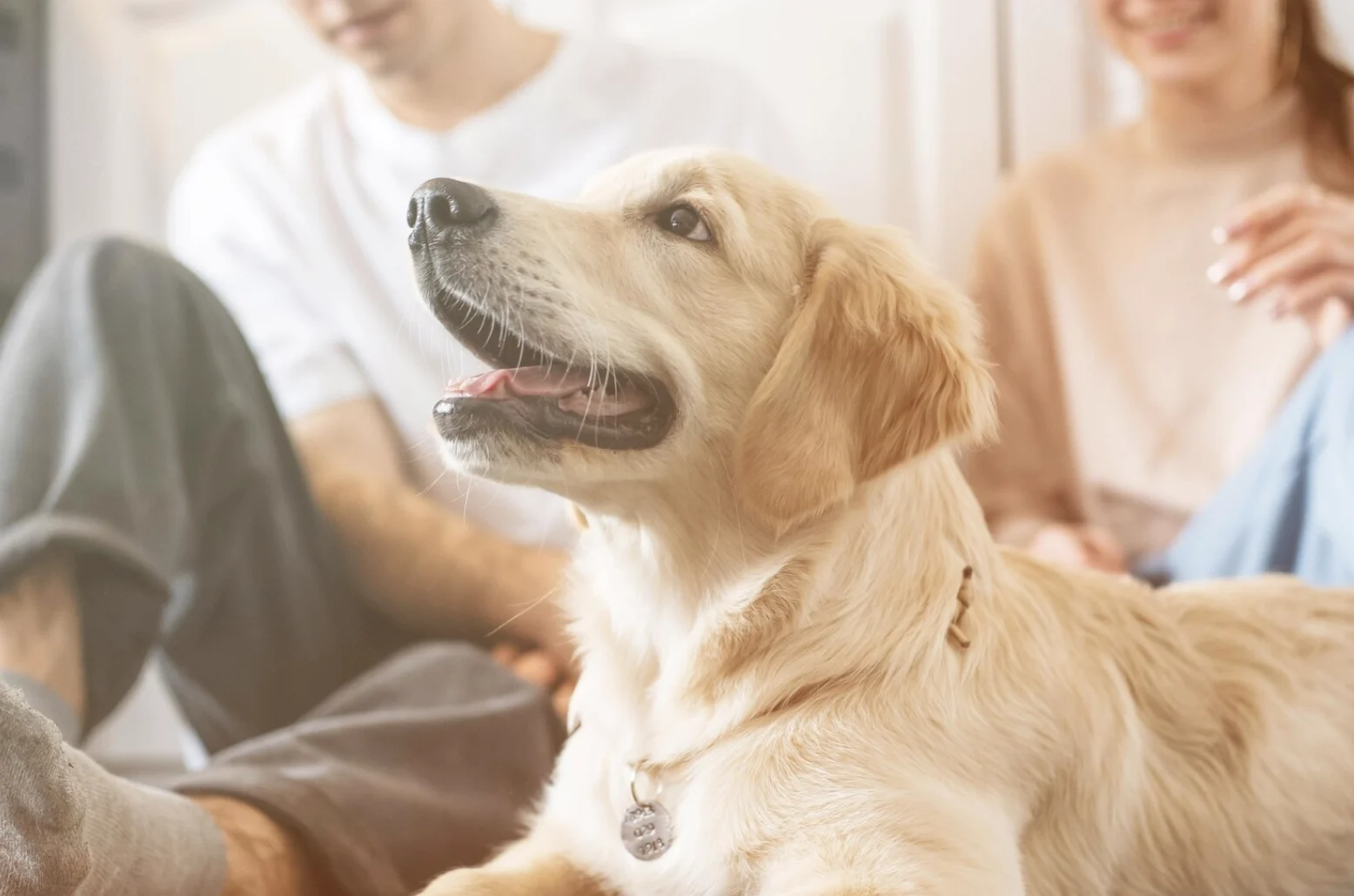
Dog owners in particular will certainly recognise themselves here. Life with a dog definitely means sticking to routines. From the morning routine and daily feeding at set times through to the walks that happen several times a day.
Routines are by no means a bad thing. On the contrary, routines help us shape and manage our lives better. A daily structure gives us stability and orientation. You can feel secure and plan your day better. In turn, this helps you organise yourself better and usually achieve more of your goals and tasks. Sticking to routines also has a positive effect on your body. Studies show that a clear daily structure can support mental health and help prevent depression. Which leads us neatly on to the next point.
Pets promote health
Pets can also benefit people’s physical and mental health. If you keep a dog, you are obliged to take it for walks regularly and several times a day. Walking in the fresh air is good not only for your dog but for you too. Your dog keeps you fit, and walking has been shown to lower the risk of a number of physical illnesses.
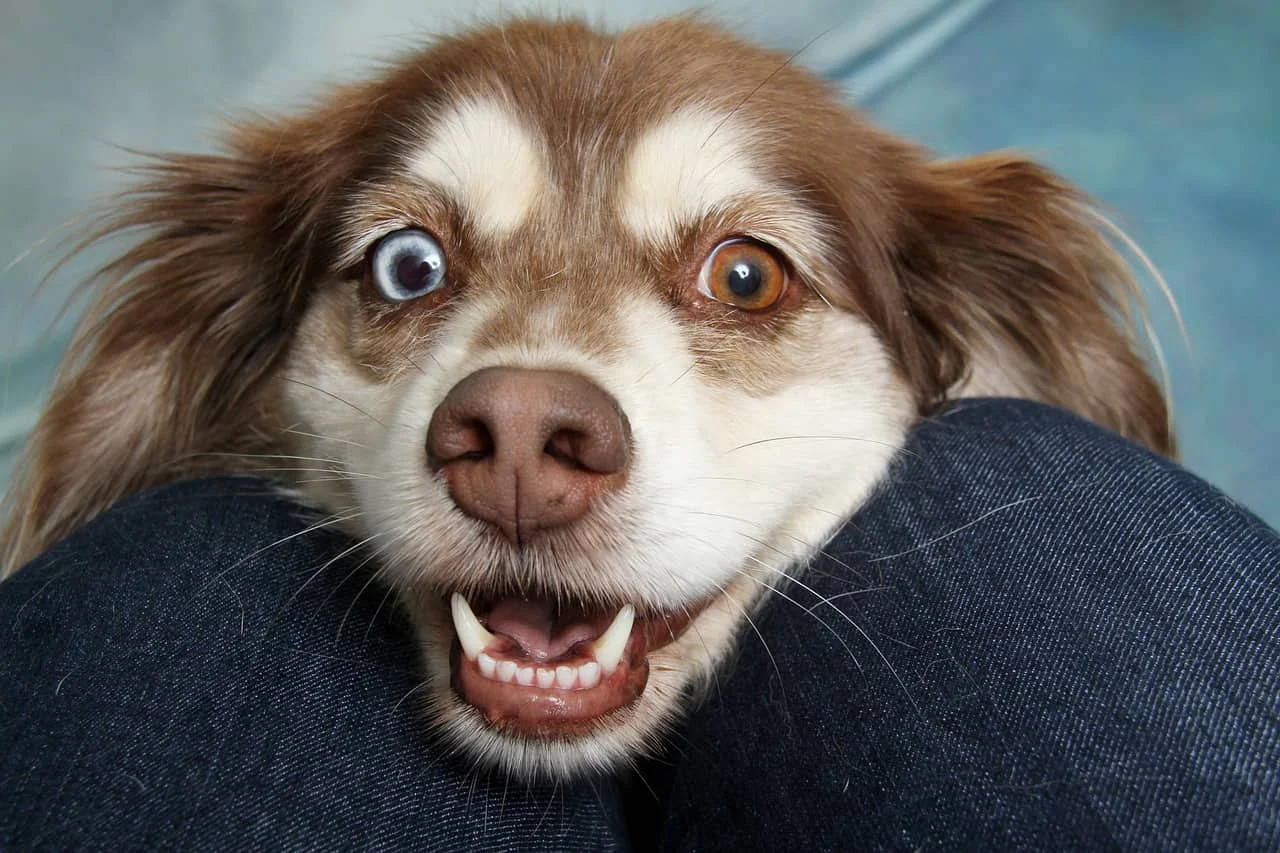
Pets, especially dogs, help us in our everyday lives. Trained as assistance dogs, they help people with (visual) impairments or other disabilities. As rescue dogs, they can track down people buried under rubble and even save people from drowning.
But pets can also promote their owners’ mental health. Pets make sure we don’t feel alone. Stroking their fur triggers the release of dopamine and serotonin, which, again, helps to prevent depression. Pets can also help us through difficult times of grief, illness and the like.
Pets help you become more mindful and live more consciously
Mindfulness is understood as a conscious state of mind in which all the senses are present in the moment. Mindfulness can be an attitude to life and can be practised deliberately. Meditation is one form of mindfulness. In meditation, you focus on your breathing so as to be fully in the here and now and aware of your body, without your thoughts drifting off somewhere else. But mindfulness can also be integrated into everyday life.
And that is exactly what happens when some of the points above apply to you and your pet and are practised and lived. A walk with your dog in the here and now can help you become more mindful. Stroking your pet can also have a calming effect, allowing your body to consciously wind down. You enjoy the moment and think of nothing else.
In the same way, your cat’s purring can have a calming effect on you. But even your fish in the aquarium can help you become more mindful. Consciously set aside three to five minutes in your stressful day. Sit in front of the aquarium and watch your fish swimming. Believe me, this too can be very calming, relieve stress and have a meditative effect on your body. Why not give it a try?
And one day, pets also mean saying goodbye

But death is always part of life. Sadly, nature has arranged things so that pets cannot live as long as we humans do. Especially as your pet gets older, it needs a great deal of attention, care and help from you. Don’t shy away from this – support your animal through it. Growing old together is part of the journey. It is an experience and a chapter of life that you will get through together. And so pets also teach us what grief means, how to say goodbye to beloved friends and how to learn to live with grief.
Final thoughts
And because we don’t want this blog article to end on a sad note, here are a few closing words on the importance of pets in everyday life and how they can help us live more mindfully:
Keeping pets, then, brings many benefits. Nevertheless, you should always be aware of your responsibility and pay attention to the animal’s needs. There is so much we humans can pick up from pets, and plenty more we can still learn. So we will end this blog article with a wonderful quote from Konrad Lorenz that sums up life with pets perfectly:
‘The desire to keep an animal springs from an ancient, fundamental motive – namely, civilised humanity’s longing for the paradise it has lost.’
Deepen your meditation practice with Mindfulife
Meditation can be more than a short break in your everyday life. If you would like to understand more deeply how meditation works, how to build a steady practice of your own and how to guide others mindfully, our meditation teacher training is the next step. There you will not only get to know meditation in theory, but also develop more confidence, clarity and trust in your own practice.
Would you like to find out more about the training first? In our weekly webinar you will get an insight and learn more about what your path to becoming a meditation teacher could look like.
For regular support in your everyday life, you can also use our online meditation studio and join guided meditations flexibly via Eversports.
We look forward to accompanying you on your journey.