Meditation for anxiety – does it really work?

 · 6 min read
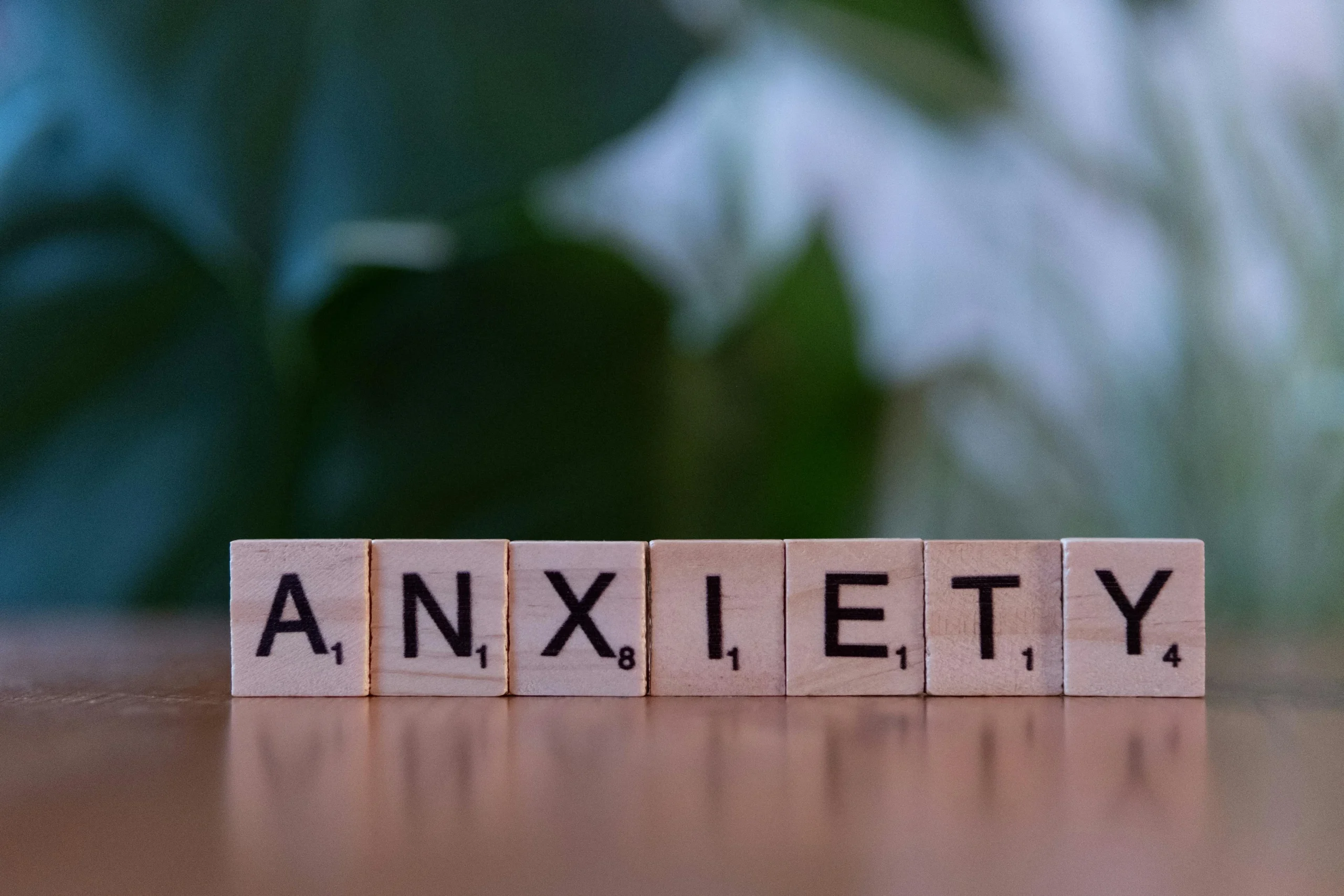
Anxiety can place a huge strain on everyday life – both physically and emotionally. Many people affected look for gentle, natural ways to calm themselves. Meditation is mentioned again and again. But can it really help with anxiety? In this article, you will find out how meditation works, what benefits it can offer for anxiety – and what science has to say about it.
What exactly is anxiety – and what symptoms does it cause?

Fear is the body’s natural response to potential danger – it protects us and keeps us alert. But when this response takes on a life of its own and persists over time, it can develop into an anxiety disorder. Typical symptoms of an anxiety disorder include a pounding heart, restlessness, sleep problems or rumination – even when there is no real threat (Gutiérrez-García & Contreras, 2013). Many of those affected feel severely restricted in their daily lives or constantly on edge.
Anxiety can take very different forms – for example as generalised anxiety disorder, in social situations or as panic attacks (Craske et al., 2017). Whatever form it takes, they all have one thing in common: they are distressing and affect not only the mind but also the body.
How does meditation help with anxiety and restlessness?
Meditation is a mindfulness practice in which you learn to direct your attention consciously – away from circling thoughts and towards the present moment. The aim is to develop more inner calm and to find a healthier way of dealing with distressing thoughts, feelings and physical reactions.
This can be helpful with anxiety, as it often goes hand in hand with restlessness, tension and rumination. Through regular meditation, you can learn to recognise anxious thoughts as passing mental events – rather than automatically identifying with them. This new perspective can have a calming effect and help you feel less controlled by your anxiety.
What does science say?
Today, meditation is no longer seen merely as a spiritual practice; it has long been the subject of scientific research – particularly in connection with mental health. Studies show that meditation can help with anxiety, chronic stress and even panic attacks.
One particularly well-researched approach is the Mindfulness-Based Stress Reduction (MBSR) programme developed by Jon Kabat-Zinn. It combines mindfulness meditation, body awareness and gentle movement. Research shows that MBSR can significantly reduce the intensity of anxiety symptoms (Zhou et al., 2020) – both in clinically diagnosed anxiety disorders and in people under a great deal of everyday stress.
A meta-analysis by Chen et al. (2012) also shows that mindfulness-based interventions can be helpful. According to this, regular meditation practice can:
- reduce perceived stress,
- improve concentration,
- and calm the nervous system.
These findings show that meditation can be used effectively not only in clinical settings but also in everyday life. The inner distance gained through meditation can help you deal with anxiety more mindfully and calmly. Of course, meditation is no substitute for therapy – but it can make a valuable contribution to self-help.
Which types of meditation are particularly helpful for anxiety?
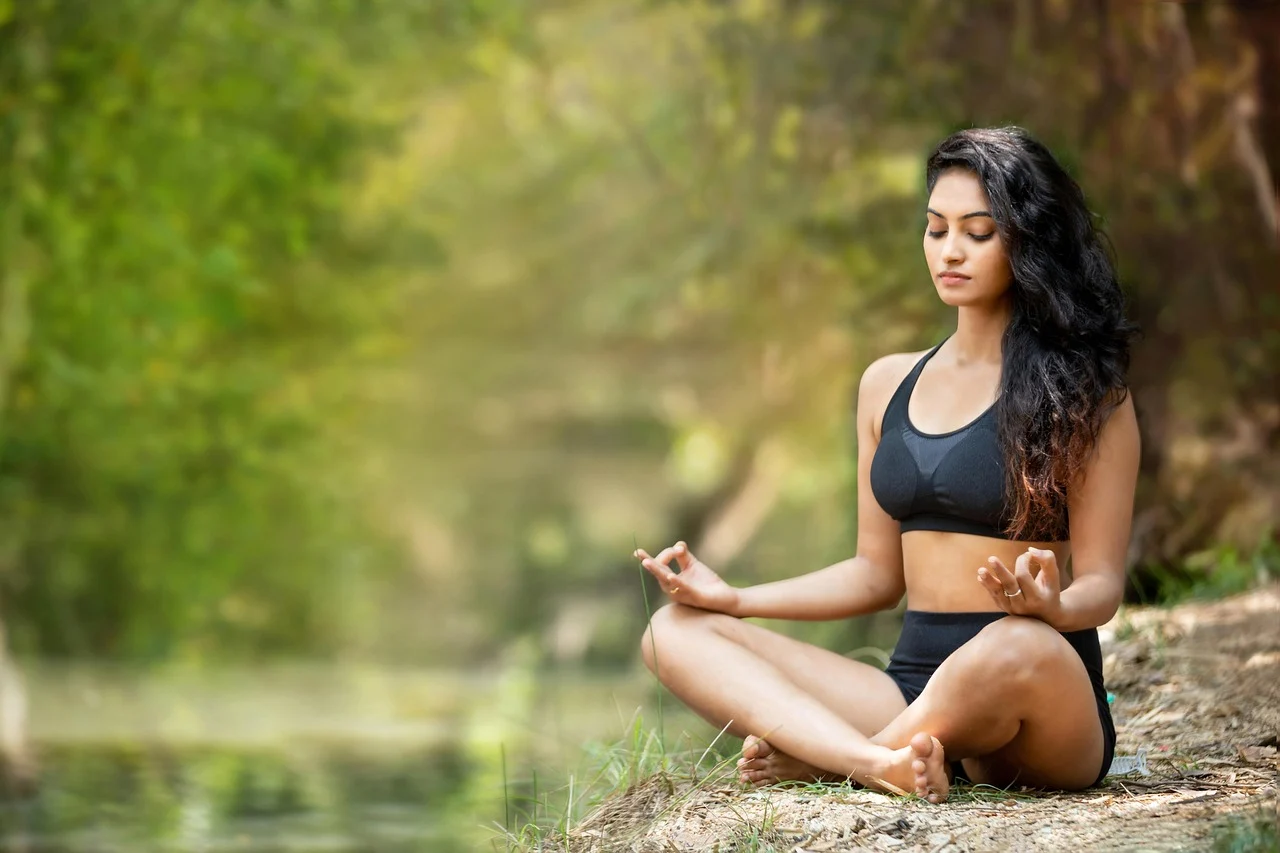
Not every type of meditation works in the same way (Creswell, 2017) – with anxiety in particular, it is important to work gently, with a focus on the body and with a clear structure. The following approaches have proven especially effective:
- Mindfulness meditation
This form has been particularly well researched. You learn to notice your breath, bodily sensations and thoughts mindfully, without judging them. This can be a great relief, especially for people who tend to ruminate or feel restless.
- Body scan
The body scan is an exercise from the MBSR programme. You slowly move your attention through your body – from your toes to your head. This can help to release tension and shift your focus away from anxious thoughts.
- Guided meditations
In moments of acute anxiety, it is often hard to sit still. This is where guided audio can help: a calm voice guides you so that you can let go more easily. There are also meditations designed specifically for anxiety and stress.
- Breathing meditation
Calm breathing has a direct effect on the nervous system. By breathing in and out consciously (e.g. in a 4-6-8 rhythm), you can actively bring down your inner tension – even in acute moments of stress.
How can you build meditation into your daily life?
When you are dealing with anxiety, everyday life can often feel restless, overwhelming or chaotic. That makes it all the more important to consciously build in small moments of mindfulness – without pressure to perform or perfectionism.
Here are a few tips on how to integrate meditation into your life step by step:
- Start small: Just 5 minutes a day is enough to notice the first effects. Regularity matters more than duration.
- Find your time: Many people like to meditate in the morning or evening – find out what suits you best.
- Use guided meditations: Especially when you feel restless, guided audio or apps can help you stick with it.
- Create a dedicated space: A particular spot – a cushion, a corner with a candle – can help you establish a routine.
- Remind yourself: Small reminders on your phone or an entry in your calendar can help you not to forget your practice.
It is not about ‘stopping’ your thoughts – it is about noticing them without immediately following them. That is exactly what makes meditation so effective for anxiety.
What are the limits of meditation for anxiety?
As helpful as meditation can be, it is not a miracle cure. Especially with severe or long-lasting anxiety disorders, it is no substitute for professional treatment. Rather, it can be one supportive building block – alongside therapy, medical assessment or other coping strategies.
Here is what you should bear in mind:
- Meditation can initially increase restlessness: Especially at the beginning or with intense anxiety, you may notice unpleasant feelings more strongly. This is normal – but it should not overwhelm you.
- Guided meditations are often more suitable: A calm voice, a clear structure and gentle guidance can help you feel safer when anxiety is strong.
- Recognise triggers: If certain bodily sensations (e.g. during breathing exercises) unsettle you, it is important to be gentle with yourself. Taking breaks is allowed!
- Get support: If your symptoms are severe, it is advisable to talk to a therapist or doctor. They can help you fit meditation into your daily life in a way that suits you.
Meditation should never feel like yet another source of pressure to perform – it is not about ‘doing it right’, but about getting in touch with yourself and creating a loving, mindful space for yourself.
Conclusion
Meditation can be a valuable addition when dealing with anxiety. It helps you to settle, to better understand your own inner world of thoughts and to deal more mindfully with unpleasant feelings. Whether through mindfulness exercises, breathing meditation or guided sessions – just a few minutes a day can make a difference.
The important thing is this: meditation is no substitute for therapy, but it can make everyday life easier. Try out what feels right for you – and give yourself time to find your own rhythm and overcome your anxiety.
What do you do about anxiety or restlessness? How do you still manage to cope with everyday life? Tell us in the comments or on Instagram what helps you – we look forward to hearing about your experiences!
Questions for reflection
Perhaps you would like to take a moment to ask yourself a few questions:
- When do I feel anxiety most clearly in my daily life?
- How do I react in such moments – automatically or consciously?
- What would I wish for in order to treat my anxiety more lovingly?
- How could I build small mindful moments or meditation exercises into my daily routine to give myself more security, calm and self-compassion in dealing with anxiety?
Silke K. (BSc Psychology)
Deepen your meditation practice with Mindfulife
Meditation can be more than a short break in your everyday life. If you would like to understand more deeply how meditation works, how to build a steady practice of your own and how to guide others mindfully, our meditation teacher training is the next step. There you will not only get to know meditation in theory, but also develop more confidence, clarity and trust in your own practice.
Would you like to find out more about the training first? In our weekly webinar you will get an insight and learn more about what your path to becoming a meditation teacher could look like.
For regular support in your everyday life, you can also use our online meditation studio and join guided meditations flexibly via Eversports.
We look forward to accompanying you on your journey.
You can find more mindfulness inspiration on our channels too
References
Chen, K. W., Berger, C. C., Manheimer, E., Forde, D., Magidson, J., Dachman, L., & Lejuez, C. W. (2012). Meditative therapies for reducing anxiety: A systematic review and meta-analysis of randomized controlled trials. Depression and Anxiety, 29(7), 545–562. https://doi.org/10.1002/da.21964.
Craske, M. G., Stein, M. B., Eley, T. C., Milad, M. R., Holmes, A., Rapee, R. M., & Wittchen, H.-U. (2017). Anxiety disorders. Nature Reviews Disease Primers, 3(1), 17024. https://doi.org/10.1038/nrdp.2017.24.
Creswell, J. D. (2017). Mindfulness interventions. Annual Review of Psychology, 68(1), 491–516. https://doi.org/10.1146/annurev-psych-042716-051139.
Gutiérrez-García, A., & Contreras, C. (2013). Anxiety: An adaptive emotion. In F. Durbano (Hrsg.), New insights into anxiety disorders (S. 21–37). InTech. https://doi.org/10.5772/53223.
Zhou, X., Guo, J., Lu, G., Chen, C., Xie, Z., Liu, J., & Zhang, C. (2020). Effects of mindfulness-based stress reduction on anxiety symptoms in young people: A systematic review and meta-analysis. Psychiatry Research, 289, 113002. https://doi.org/10.1016/j.psychres.2020.113002.