Loneliness at Christmas – How Can Mindfulness Help?

 · 5 min read

Loneliness is first and foremost a feeling. If we have ever felt it, we probably tend to count it among the negative feelings. What does loneliness feel like? Where does it sit in the body? This article helps you understand this feeling better and gives you short- and long-term help and tips so that you can deal with it more mindfully. At Christmas time in particular, we don’t want to be alone, and the feeling of loneliness is often stronger than at other times of the year. But here too, mindfulness can help you find a better way of dealing with this feeling, because mindfulness means judging less and training neutrality.
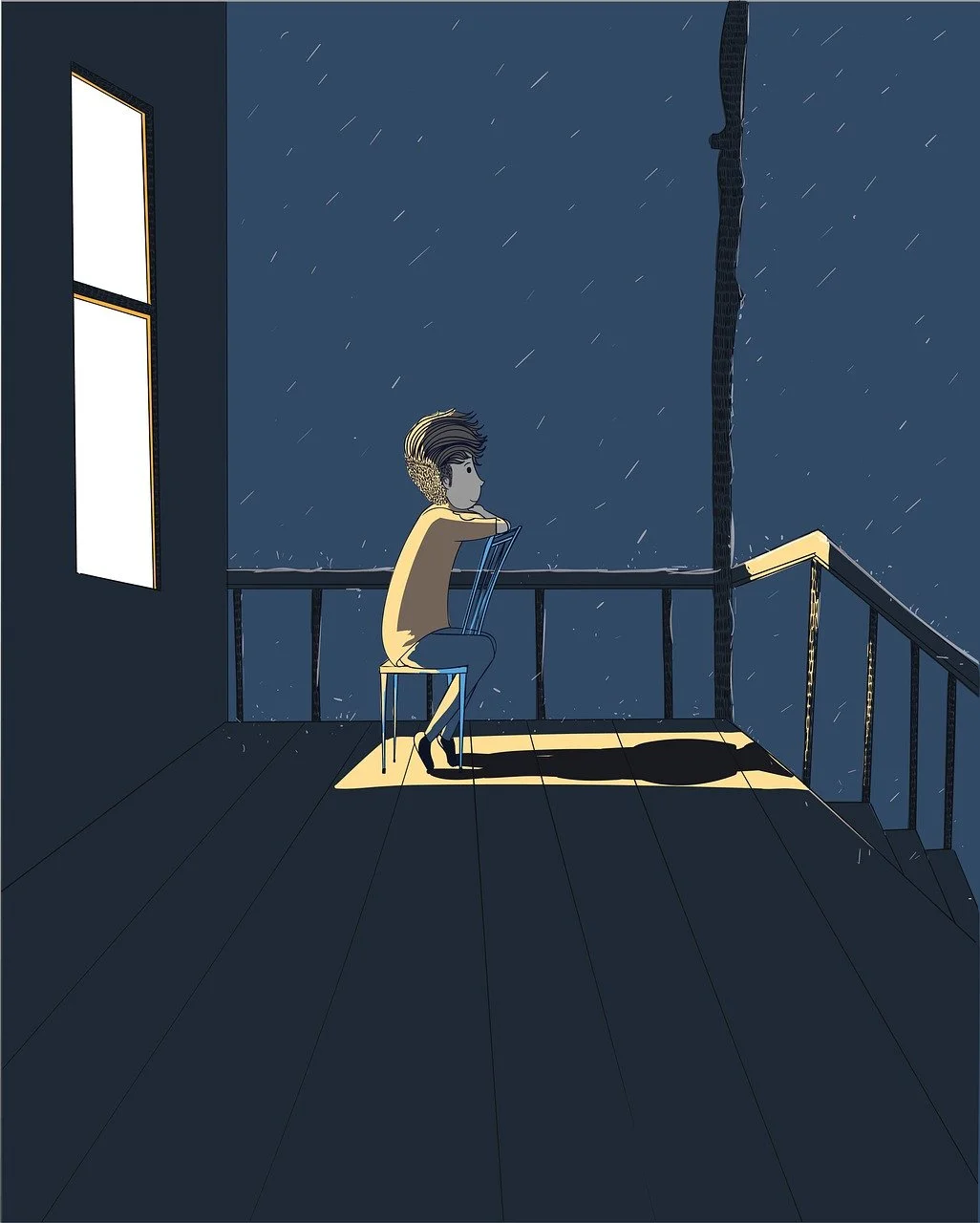
Loneliness – a lack of connection?
The feeling of loneliness can arise when we are alone or among people if we do not feel understood, seen or heard. More specifically, it involves feelings of fear, sadness and despair – we feel abandoned. This leads to more rumination, stress or even depression.
One thing is certain: when we feel lonely, the feeling of connection is missing. After all – as John Bowlby established from a developmental psychology perspective with his attachment theory – we are social beings and, from birth, we need closeness, human contact and warmth to survive. Even a connection with nature and spirituality can fulfil the need for connection and create a sense of belonging. This need should not be underestimated in adulthood either.
Practical ways to ease feelings of loneliness
At Mindfulife, we recognise the significance of feelings of loneliness as both a social and an individual issue. You can read here about how being alone without feeling lonely can have positive effects. Last year, for example, our blog looked at nurturing relationships at Christmas. To help you handle your emotions better through mindfulness, we would like to reach out to you again this Advent season with helpful tips and approaches, and give you something positive for yourself or for people affected whom you would like to support.
As 40% of all households in Germany are single-person households, it is very likely that a great many people share the same goal: not having to be alone at Christmas, so that no feeling of emptiness can creep in.
The obvious solution to your loneliness is to feel real connection and belonging. The simplest step in this direction is to connect with good friends, do something together or simply spend time together. But what if your friends are busy with other things? Perhaps they already have a family of their own, are tied up with work or live further away.
Feeling connection and belonging – even with people you don’t know yet
Real connection can be felt with strangers, too. For example, when chatting with the woman sitting next to you at the theatre or talking about shared interests with a friendly acquaintance you meet on the train. Or do you already know of any Talking&Walking groups in your area where you can go for walks together?
What matters is that you actively seek out spaces where you can experience community and connection. Remember that others are in your situation too, and connect with them. Have a browse online and plan now how you would like to celebrate Christmas. Many cities offer various opportunities to come together and share lovely festive moments, even if you have never met before.
Simple but helpful tips for connecting with yourself that you may sometimes underestimate:
- Bake biscuits or fruit loaf, or cook your favourite recipe. Give yourself plenty of time for it and really savour the activity.
- Learn something new: an instrument or a new language
- Go for a long walk and leave your smartphone at home

SOS help for feelings of loneliness
Planning ahead is not the only thing that can help you experience connection. If you are feeling isolated right now, we recommend a form of mindfulness, appreciation and acceptance in this very moment.
Mindfulness exercise for more acceptance and capacity
- Sit down comfortably and devote yourself entirely to yourself and your sensations for a moment.
- You are feeling loneliness, so try to locate it in your body. Is there a place where it weighs on you most?
- Simply notice it without judging it. It is allowed to be there, trusting that things will get easier again.
- Now turn your attention to your breath as it flows in and out. Your breath is free and – available at any time – brings you back into the moment. Experience the strength and the life that come with it.
- If you now combine noticing your feeling with observing your breath, you create space for more acceptance of yourself and more capacity for what you are feeling. On the one hand, there is this feeling of emptiness, and on the other, a constantly available source of new energy. Both exist side by side, and you can offer yourself great compassion for both.

It may take a little practice, but over time you will notice that you are equipped to deal even with difficult emotions, as the feeling of loneliness definitely is. Research shows that mindfulness boosts mood and well-being most effectively when it is practised several times a day in short sessions. You will notice that being alone without feeling lonely is possible again. Why not also take a look at Mindfulife’s article on resilience.
Conclusion
Connection is a basic need and protects you from loneliness and isolation. Especially at Christmas time, it is important to seek out spaces and make room for encounters that do us good. Mindfulness is also a very helpful way of dealing with your feelings of emptiness. It fosters appreciation for yourself and expands your capacity to cope with difficult feelings.
All of us at Mindfulife wish you an Advent season full of connection and a sense of belonging, and lots of enjoyment with your mindfulness exercises.
This article was written by Maria Schmitt.
Deepen your meditation practice with Mindfulife
Meditation can be more than a short break in your everyday life. If you would like to understand more deeply how meditation works, how to build a steady practice of your own and how to guide others mindfully, our meditation teacher training is the next step. There you will not only get to know meditation in theory, but also develop more confidence, clarity and trust in your own practice.
Would you like to find out more about the training first? In our weekly webinar you will get an insight and learn more about what your path to becoming a meditation teacher could look like.
For regular support in your everyday life, you can also use our online meditation studio and join guided meditations flexibly via Eversports.
We look forward to accompanying you on your journey.
You can find more mindfulness inspiration on our channels too
References
Dr. Diabaté, Sabine, Frembs, Lena C., Prof. Dr. Bujard, Martin: Einsamkeit: Besonders Jüngere fühlen sich zunehmend einsam, https://www.bib.bund.de/DE/Aktuelles/2024/2024-05-29-FReDA-Policy-Brief-Einsamkeit-Besonders-Juengere-fuehlen-sich-zunehmend-einsam.html, 2024.
Gielas, Anna: Glücksquelle Verbundenheit. Über ein tiefes menschliches Bedürfnis, https://www.psychologie-heute.de/gesellschaft/artikel-detailansicht/42481-gluecksquelle-verbundenheit-ueber-ein-tiefes-menschliches-beduerfnis.html., 2023.
Lefrank, Valentina, Gräf, Michael: Eine quantitative Studie zum Einfluss von Achtsamkeit auf Stress, Burnout und Depression, Arbeitspapiere der FOM, Nr. 82, 2021.