How can you be alone without feeling lonely?
According to one survey, 59.1% of young people aged between 15 and 24 feel lonely. And this figure dates back to 2017.

 · 5 min read
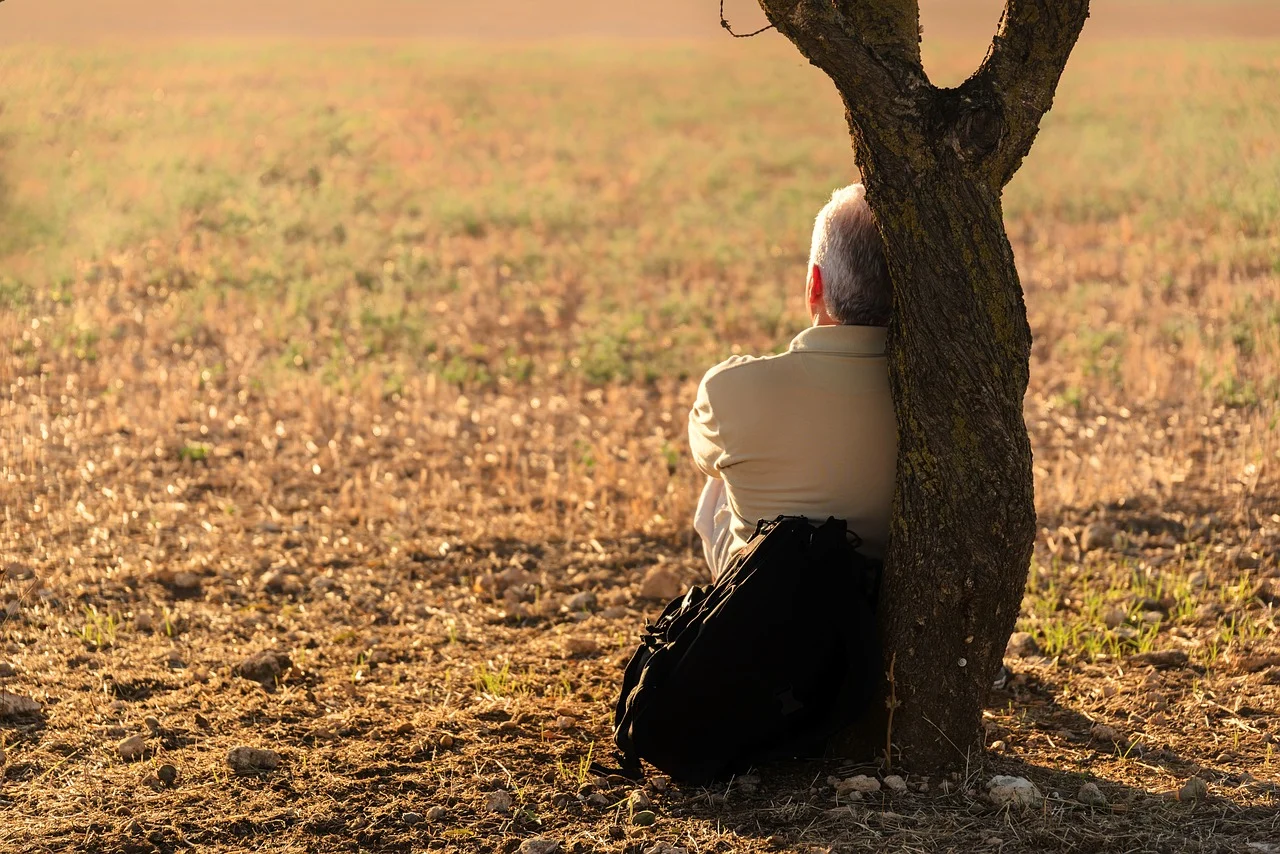
According to one survey, 59.1% of young people aged between 15 and 24 feel lonely. And this figure dates back to 2017. Since the coronavirus pandemic, these numbers have risen considerably. The months of lockdown and the isolation that came with them have no doubt contributed to loneliness playing such a major role in today’s society. In this blog article, we will explore the topic of loneliness. We will take a closer look at the difference between “being alone” and “loneliness”, and explain why we feel lonely, what we can do about it and why loneliness can be harmful to our mental and physical health in the long run.
What does being alone mean?
Being alone is first and foremost a physical state and means that you are somewhere on your own, without anyone else present. This is the case, for example, when your partner is at work and you are at home by yourself. Being alone is usually a short-lived state, and one that can be ended at any time, for instance by inviting someone round to your home.
Are there positive effects?
Being alone is not nearly as negative as it might seem at first glance. In fact, it brings many benefits.
People who are often alone spend a lot of time with themselves and, as a result, engage with their own ideas and needs. It is a chance to set clear goals and practise self-reflection.
People who spend a lot of time alone are often more creative, too. That is because they are occupied with themselves, and this can give rise to the most wonderful ideas.
Being alone can also boost your self-confidence. Because you can manage everyday life on your own, you may discover hidden talents.
And, of course, being alone clearly helps with one thing in particular: recharging your batteries. Most people will have heard of the so-called social battery. The term is used especially by young people to describe a kind of personal, individual battery that everyone has, which helps us to be sociable and interact with others. When this battery runs flat, it can be recharged by spending plenty of quiet time at home and, above all, time alone.

Learning to be alone so that it does not turn into loneliness
People who tend towards overthinking or FOMO, among other things, may find being alone particularly difficult. This is because being alone can also mean confronting your own thoughts and can fuel a negative spiral of rumination. That is why some people find it very hard to be alone. It is important to make sure that the state of being alone does not develop into a feeling of loneliness. There are a few things each of us can do to prevent loneliness.
Make sure you get enough exercise and use up your energy. Balancing periods of rest, or time alone at home, with activity outside, ideally with other people at a sports club, is very important for a healthy equilibrium.
If you live alone and long for contact, a call to family or friends can help to bridge the feeling of loneliness or being alone for a while.
When you are alone, be careful not to spend too much time on social media. The content some influencers share in the form of edited videos and images can lead to a distorted body image and may even be triggering for some people. It is easier than you might think to become obsessed with pursuing the wrong weight-loss, diet or beauty goals, or even to become addicted. Set yourself limits on your screen time and stick to them.
What does loneliness mean?
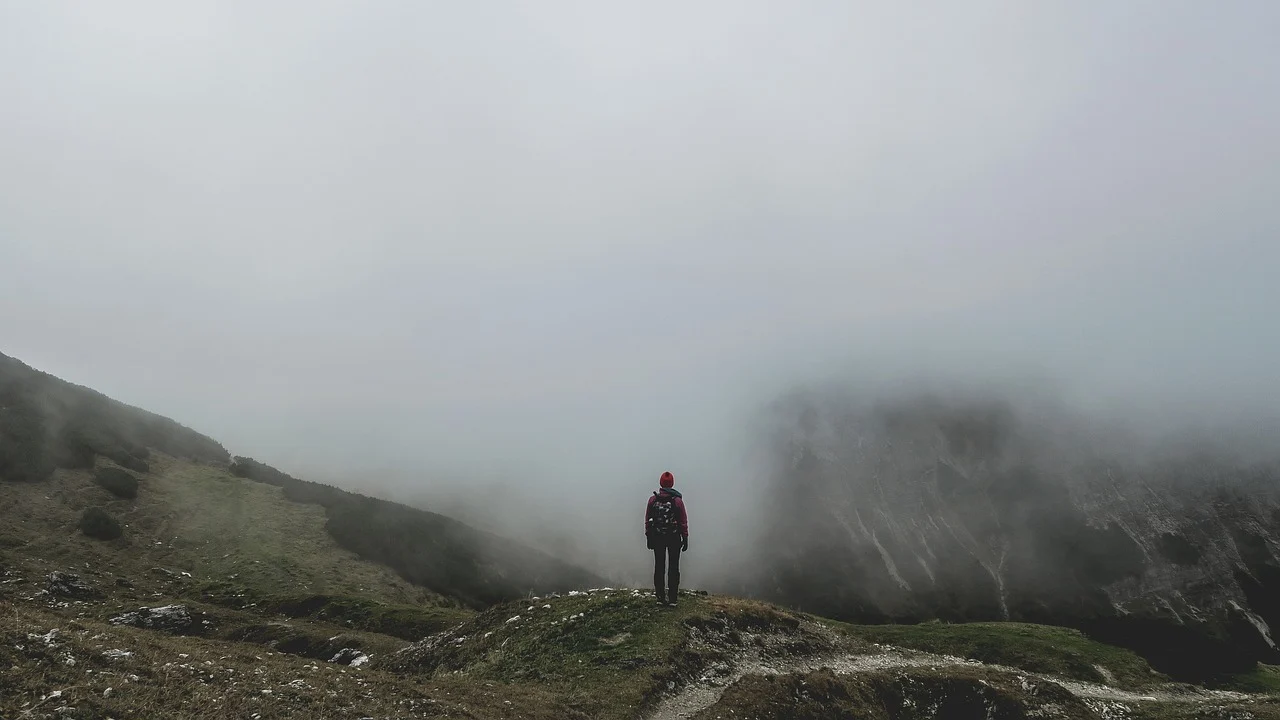
Unlike being alone, loneliness is first and foremost a feeling. Someone can feel lonely even in a room full of people. The feeling of loneliness can arise, for example, when someone does not feel sufficiently heard, or when they have no one to share their interests with. Loneliness is therefore a subjective feeling and can be defined differently by each person.

Loneliness in everyday life
Most of us will have been alone at least once in our lives, whether for a short time or a longer period. Some will have had no problem with it, while others will have found it harder.
Loneliness in everyday life starts with the living arrangement you have chosen. If you live in a shared flat or with your partner, you may feel less lonely than someone who is perhaps single and lives alone.
Working from home without contact with colleagues or clients can also lead to a feeling of being alone at first, and possibly to loneliness later on.
Loneliness and depression
Around Christmas in particular, some people in Germany feel lonely. One reason for this is that Christmas is known as a time for spending lots of time with loved ones and family. Those who cannot do this, yet are constantly confronted with it, may find their feelings of loneliness intensifying.
A feeling of permanent or even chronic loneliness can become very dangerous for your health. A constant sense of loneliness can be especially harmful to mental health. Depression can also develop as a result of these negative feelings. To prevent this, there are a number of steps you can take so that it never gets that far.
What can you do about loneliness?
There are various ways you can overcome the feeling of loneliness. Here are some things you can do to tackle it:
If you long for a partner and are feeling lonely, dating can help. Perhaps you could go to a bar or restaurant in the evening and meet new people there. Or you could turn to the classic online dating platforms and get to know potential partners there.
If you would like to make new friends, volunteering might be something for you. It lets you get involved, do some good and meet new people along the way.
Alternatively, when you feel alone, you can call family and friends or ask to meet up and do something together.
How mindfulness and meditation can help with loneliness
Treating yourself mindfully and practising meditation can also help to prevent loneliness. Meditating regularly helps to foster self-awareness and self-acceptance. At the same time, it reduces feelings of stress and anxiety and can help you lead a more mindful life.
If you like, you can also try metta meditation. In short, metta meditation is about practising kindness. It is not only about showing more patience and kindness towards others, but also about meeting yourself with more mindfulness.
Conclusion
The difference between being alone and loneliness is fundamental: being alone describes a physical state, whereas loneliness is an emotional feeling. Being alone can have positive effects, such as self-reflection, creativity and recharging your batteries, as long as it does not tip over into loneliness. Loneliness, on the other hand, and chronic loneliness in particular, can lead to serious health problems, including depression. Social contact, physical activity and mindful practices such as meditation all help to prevent loneliness.
This article was written by Aurélie J.
Deepen your meditation practice with Mindfulife
Meditation can be more than a short break in your everyday life. If you would like to understand more deeply how meditation works, how to build a steady practice of your own and how to guide others mindfully, our meditation teacher training is the next step. There you will not only get to know meditation in theory, but also develop more confidence, clarity and trust in your own practice.
Would you like to find out more about the training first? In our weekly webinar you will get an insight and learn more about what your path to becoming a meditation teacher could look like.
For regular support in your everyday life, you can also use our online meditation studio and join guided meditations flexibly via Eversports.
We look forward to accompanying you on your journey.
You can find more mindfulness inspiration on our channels too
References
1. Warum Alleinsein so wichtig für unser Wohlbefinden ist.
Quelle: Carpediem. (2024). [Warum Alleinsein so wichtig für unser Wohlbefinden ist](https://www.carpediem.life/de/warum-alleinsein-so-wichtig-fuer-unser-wohlbefinden-ist). Abgerufen am 28. Juli 2024.
2. Alleinsein lernen: Wie halte ich mich selbst (aus)?
Quelle: 7Mind. (2024). [Alleinsein lernen: Wie halte ich mich selbst (aus)?](https://www.7mind.de/alleinsein-lernen-wie-halte-ich-mich-selbst-aus). Abgerufen am 28. Juli 2024.
3. Allein sein lernen: Ein Experte erklärt, wie das funktioniert.
Quelle: AOK. (2024). [Allein sein lernen: Ein Experte erklärt, wie das funktioniert](https://www.aok.de/pk/magazin/leben/psyche/allein-sein-lernen-ein-experte-erklaert-wie-das-funktioniert/). Abgerufen am 28. Juli 2024.
4. Der Unterschied zwischen Einsamkeit und Alleinsein.
Quelle: AOK. (2024). [Der Unterschied zwischen Einsamkeit und Alleinsein](https://www.aok.de/pk/magazin/leben/psyche/der-unterschied-zwischen-einsamkeit-und-alleinsein/). Abgerufen am 28. Juli 2024.
5. Alleinsein bringt Entspannung und fördert das persönliche Wachstum.
Quelle: Neue Zürcher Zeitung. (2024). [Alleinsein bringt Entspannung und fördert das persönliche Wachstum](https://www.nzz.ch/feuilleton/alleinsein-bringt-entspannung-und-foerdert-das-persoenliche-wachstum-ld.1539246). Abgerufen am 28. Juli 2024.
6. Alleinsein kann glücklich machen: Wie Sie lernen, Einsamkeit zu genießen.
Quelle: FOCUS Online. (2024). [Alleinsein kann glücklich machen: Wie Sie lernen, Einsamkeit zu genießen](https://www.focus.de/gesundheit/ratgeber/psychologie/lebenshilfe/alleinsein-kann-gluecklich-machen-wie-sie-lernen-einsamkeit-zu-geniessen_id_12418959.html). Abgerufen am 28. Juli 2024.
7. Alleine sein: Wie du damit gut umgehen kannst.
Quelle: Utopia. (2024). [Alleine sein: Wie du damit gut umgehen kannst](https://utopia.de/ratgeber/alleine-sein-wie-du-damit-gut-umgehen-kannst_80425/). Abgerufen am 28. Juli 2024.
8. Einsamkeitsbarometer 2024.
Quelle: Bundesministerium für Familie, Senioren, Frauen und Jugend (BMFSFJ). (2024). Einsamkeitsbarometer 2024. Abgerufen am 28. Juli 2024, von [bmfsfj.de](https://www.bmfsfj.de).
9. 10 Tipps gegen Einsamkeit.
Quelle: BARMER. (2024). [10 Tipps gegen Einsamkeit](https://www.barmer.de/gesundheit-verstehen/psyche/10-tipps-gegen-einsamkeit). Abgerufen am 28. Juli 2024.