How does meditative painting work?
Experience the calming effect of meditative painting. Discover our free colouring pages and immerse yourself in the world of colour.

 · 6 min read
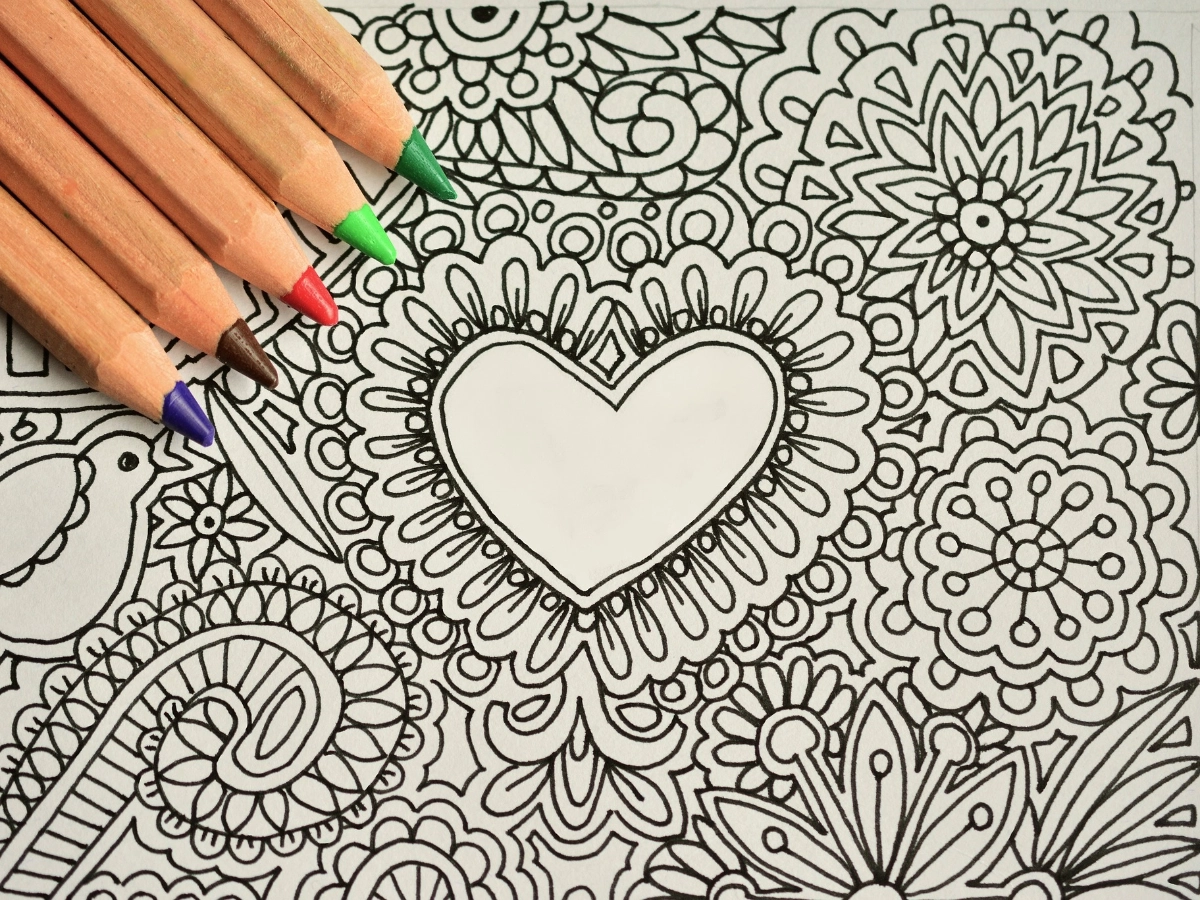
Fancy a creative time out? Meditative painting has a calming effect on your body and helps you reduce stress. It boosts your creativity as well as your concentration, and on top of that it makes you happy, too. In this article, you’ll find out why you should reach for your colouring pencils more often. At the end of the article, you’ll find three free printable colouring pages.
Your creative time out
More and more people are trying to escape the stress and rush of everyday life. That’s one of the reasons why painting and colouring for adults has become increasingly popular in recent years. Through meditative painting, we can reduce stress and find balance. Focusing on a picture can help stop our mental merry-go-round and give us space simply to be.
What is meditative painting?
In meditative painting, painting is used to relax and to enhance your own wellbeing. The focus is on the creative process rather than the result.
It’s about perception, conscious choices and a state we call flow: being completely absorbed in an activity. Judgements and expectations are deliberately set aside so that you can immerse yourself in a creative flow.
Types of meditative painting
1. Colouring books for adults
Whether mandalas, flowers or cute animals, colouring books for adults are all the rage. Colouring in brings joy to everyone, young and old alike.
The ready-made designs are perfect for meditative painting, as they help us clear our heads. While colouring in, you can let your mind wander and switch off.
Colouring books for adults are usually coloured in with colouring pencils or felt-tip pens. Depending on the thickness of the paper, however, other techniques such as watercolours or water-based paints can also be used.
2. Intuitive painting
Intuitive painting is ideal for anyone who wants to express who they are without being restricted by external influences.
There are no rules, no structures and no goal – other than acting from your own feelings. This is a very free form of meditative painting and has a lot in common with abstract art.
All kinds of painting and drawing techniques can be used in intuitive painting; there are no limits to your creativity.
3. Zentangles
Zentangles are recurring patterns and shapes made of dots, lines and curves. Thanks to their repetition, Zentangles work very well as a meditative drawing technique and help us reach a balanced state.
Zentangles are usually drawn with fineliners or pencils. You can make the patterns even more varied by adding shading or colour.
If you want to explore the world of Zentangle patterns, it’s best to start with a Zentangle guide. It explains in simple steps how you can use tangling as a relaxation method.
4. Painting by numbers
For some people, painting by numbers is the best meditative painting technique. If you find it hard to let go of your expectations of yourself, painting by numbers can give you a sense of security and order.
Because the shapes and colours are already set, the pressure to create something beautiful is lifted, as the end result has already been decided. This can help reduce stress and make it easier to engage with the creative process.
Painting by numbers usually uses acrylic paint, as it offers good coverage. The designs are sold as kits that contain all the materials you need.
Who is meditative painting suitable for?
Anyone can learn meditative painting. It requires no previous experience or special skills. You don’t need any artistic talent.
Choose the meditative painting technique that suits your mood and personal preferences. If you enjoy experimenting, you can try out the different types to find out what suits you best.
All that matters is a desire to be creative and an openness towards mindfulness.
Is mindful painting art?
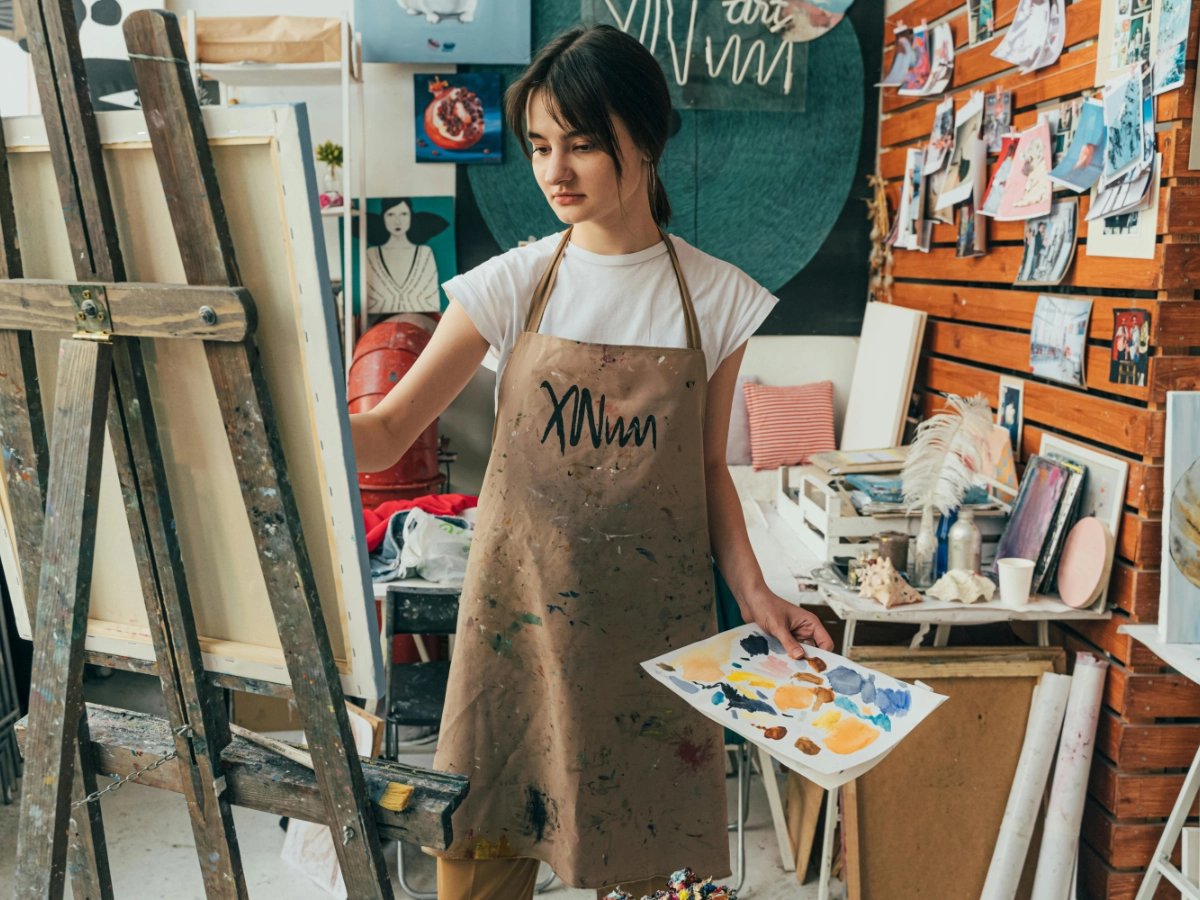
Mindful painting is primarily about your own perception and the process of painting. Painting is used for relaxation and stress reduction. Artistic skill and the result are deliberately pushed into the background.
Art, on the other hand, has high aesthetic standards and often conveys a message to viewers and to society. Artistic skill, technical execution and the result usually play a major role.
Nevertheless, meditative and classical painting techniques have quite a lot in common. They are an expression of our feelings and can help us build a deeper connection with ourselves. Classical painting can also help us relax and find inner calm.
What is the difference between meditative painting and meditation?
Most forms of meditation are practised sitting or lying down. The aim is to direct your attention consciously and bring the mind to stillness. Meditation can be supported by breathing exercises, guidance or soothing sounds. Many people prefer to meditate in silence, even though it takes a lot of practice.
Meditative painting is a kind of active meditation. Here, attention is not directed at the mind itself but rather at the creative process and your own perception.
What they have in common is consciously letting go of thoughts, expectations and judgements. Just like classical meditation, meditative painting has many positive effects on our body. Especially for very stressed people who find it hard to sit still, mindful painting can be a good introduction to mindfulness and meditation.
Is painting good for the brain?
Meditative painting gives us the chance to focus on ourselves and block out the world around us. Concentrating on a simple task brings relaxation and contentment. Painting also awakens childhood memories that remind us of carefree times.
Painting engages both the left and right hemispheres of the brain and strengthens the communication between them. The lines and patterns activate the analytical hemisphere, while using colours awakens the creative hemisphere. When both hemispheres work together, concentration and memory performance improve.
4 simple tips for using painting to relax
1. Let go of your expectations
Make a conscious decision not to judge yourself or your work. It’s about giving free rein to your creativity and enjoying the present moment. There is no right or wrong in meditative painting.
Don’t try to create a masterpiece – quite the opposite. Allow yourself to approach it with childlike lightness. Enjoy the freedom that painting gives you.
2. Give yourself over to the experience of mindful painting
Mindful painting gives you space to explore your own emotions and thoughts. Let your impressions sink in and enjoy them.
3. Let your thoughts come and go
Be a silent observer of what is happening. When thoughts arise, notice them, but don’t hold on to them. Use the time you set aside for painting to consciously treat yourself to a break. There’s still plenty of time in the day to think about the things that are on your mind.
If you can’t manage to let go of a thought, write it down. Once you’ve noted it, you can be sure you won’t forget it. Perhaps it will then be easier to let it go for a little while.
4. Make yourself comfortable to boost your wellbeing
Find a pleasant, quiet place for your meditative painting. You can make yourself comfortable with a soft cushion and a blanket.
Perhaps you’d like to listen to some soothing music, or light some candles or incense. Use your creative time out consciously to boost your wellbeing.
Conclusion
Meditative painting is a lovely change of pace in our everyday lives. It is a kind of active meditation and therefore a good complement to other mindfulness exercises and forms of meditation.
It’s suitable for anyone who feels like expressing their creative side – no previous experience is needed.
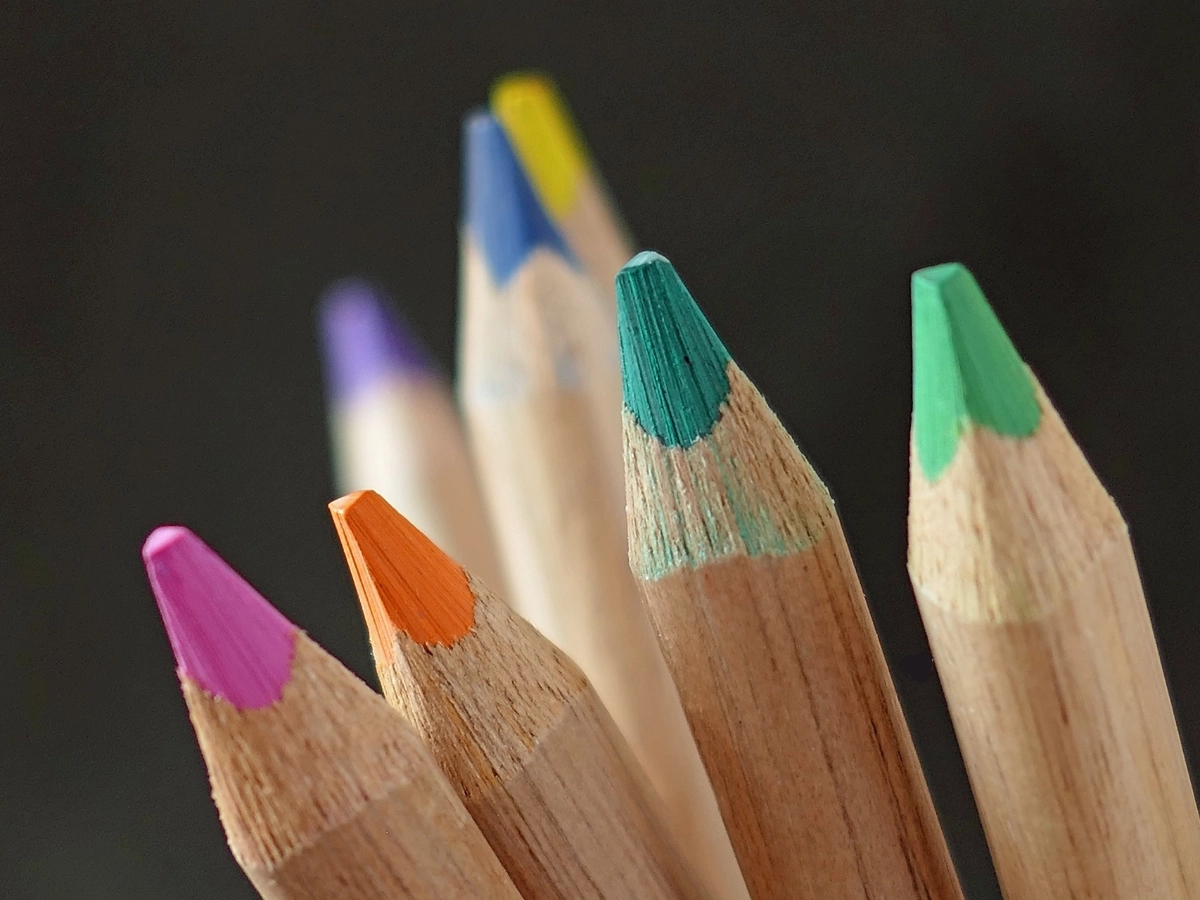
So grab your colouring pencils and paint your way into the here and now.
Free printable colouring pages
If you’re in the mood for a creative time out, why not start with our free printable colouring pages? Have fun!
This article was written by Mandy Heinrichs
Deepen your meditation practice with Mindfulife
Meditation can be more than a short break in your everyday life. If you would like to understand more deeply how meditation works, how to build a steady practice of your own and how to guide others mindfully, our meditation teacher training is the next step. There you will not only get to know meditation in theory, but also develop more confidence, clarity and trust in your own practice.
Would you like to find out more about the training first? In our weekly webinar you will get an insight and learn more about what your path to becoming a meditation teacher could look like.
For regular support in your everyday life, you can also use our online meditation studio and join guided meditations flexibly via Eversports.
We look forward to accompanying you on your journey.
You can find more mindfulness inspiration on our channels too
References
Dr. Sarah Jane Arnold - Der Achtsamkeitsbegleiter, Ein Ausmalbuch mit kleinen Übungen für Entspannung und Gelassenheit
Livia Ochmann - Meditatives Malen, Verbinde Meditation mit Kreativität
Joanna Pidanty - Ausmalen als therapeutische Aktivität
Mandala Malvorlagen: Mandy Heinrichs