Guided Breathing Meditation with Gratitude: Mindfully Finding Calm

 · 4 min read
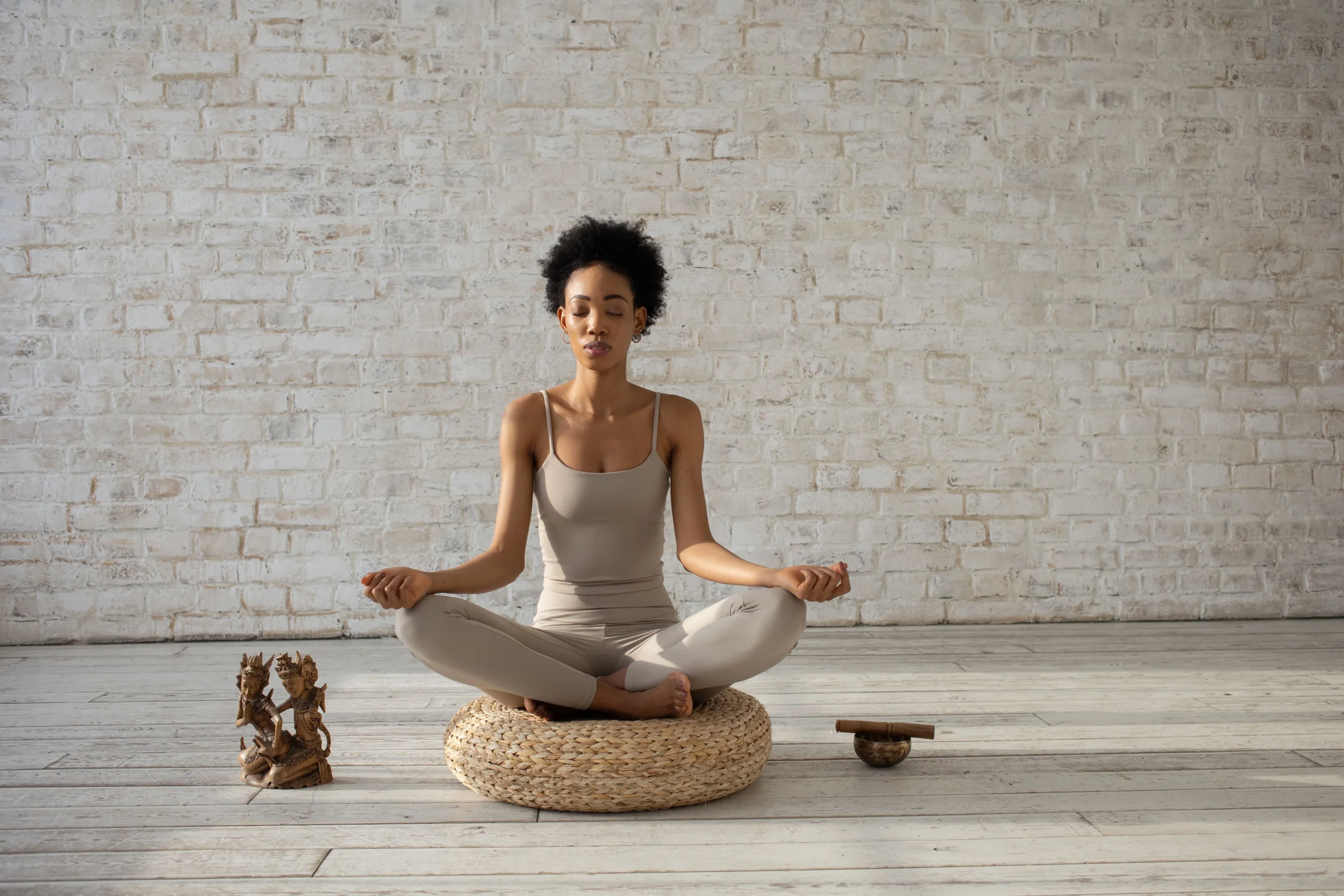
Would you like to find inner calm and are you looking for a simple, effective meditation? This guided breathing meditation with a gratitude exercise helps you let go of stress, clear your mind and become more mindful. With the sound of a singing bowl, a short gratitude reflection and conscious observation of your breath, you gently settle into the moment.
Why are breath and gratitude such a powerful combination?
Gratitude and awareness of the breath are among the most powerful tools in mindfulness practice. Gratitude directs your attention to what is already there, to the small, good things in everyday life that are often overlooked. The breath, in turn, is always available. It brings you back to the present moment – calm, clear and steady.
This meditation combines the two in a simple way. You don’t need to prepare anything or achieve anything. Just take a moment for yourself.

Gratitude exercise
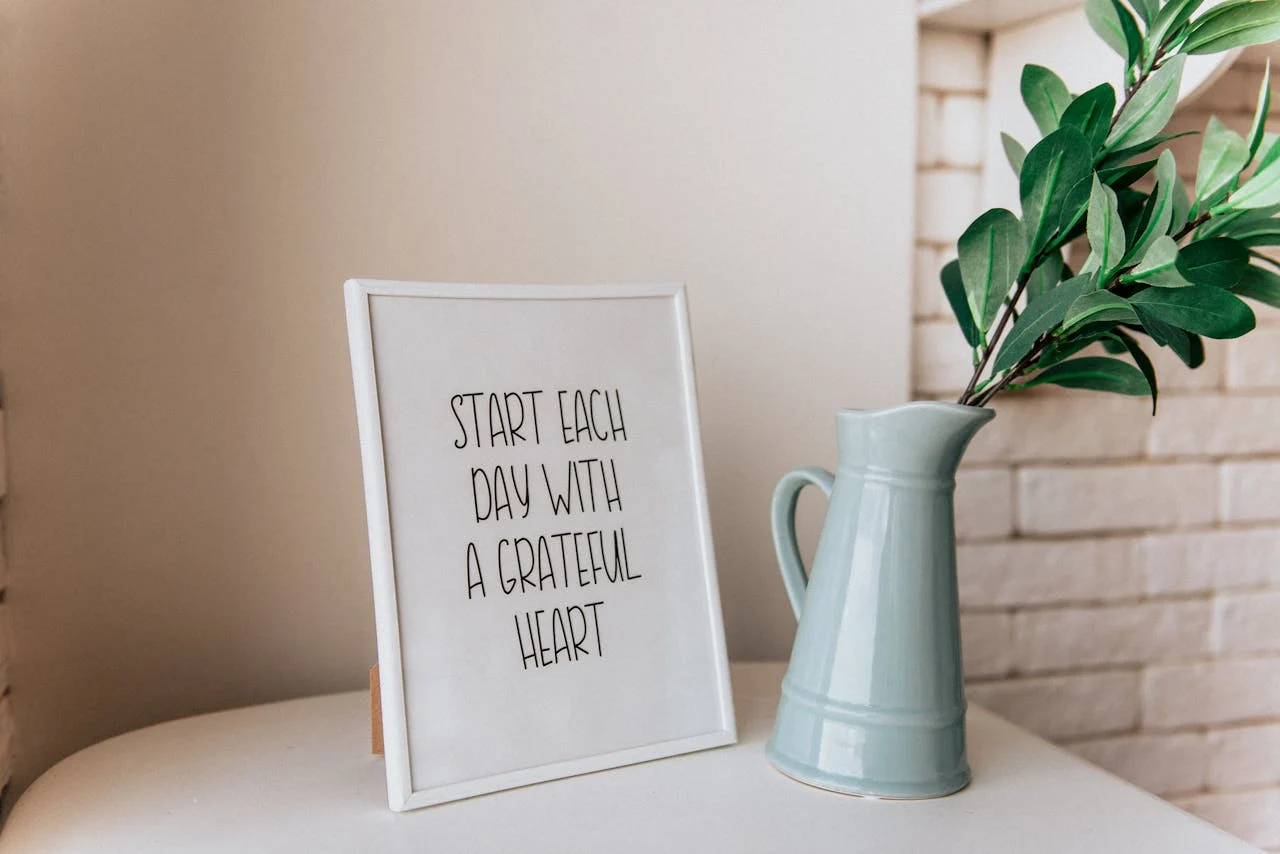
At the start of the meditation, take a moment to reflect on your day so far. Look for three things, ideally small, everyday things, that you are grateful for. Perhaps it was a friendly look, a cup of coffee or a quiet moment in the morning.
If you have done this exercise before, try to choose different things from usual today. This strengthens your ability to discover new reasons for gratitude in every day.
Just as a reminder: these reasons don’t have to be big or earth-shattering. On the contrary, it may even be better if they are small things. After all, we do this exercise to develop the ability to find reasons to be grateful in the first place. And the smaller these things are, the more of them you will find.
The more often you do this exercise, the easier it will become for you in the long run. Over time, you will find it easier to be grateful and to keep recognising good reasons for gratitude.
It may also help to remind yourself that we shouldn’t take things for granted. Especially at times like these, when many things we took for granted suddenly fall away, we realise how much we usually accept as a given. We notice that we can be truly grateful even for seemingly everyday things.
Now consciously bring this little gratitude exercise to a close, without hurrying, at your own pace, and turn your attention to your body and your breath.
Breathing meditation
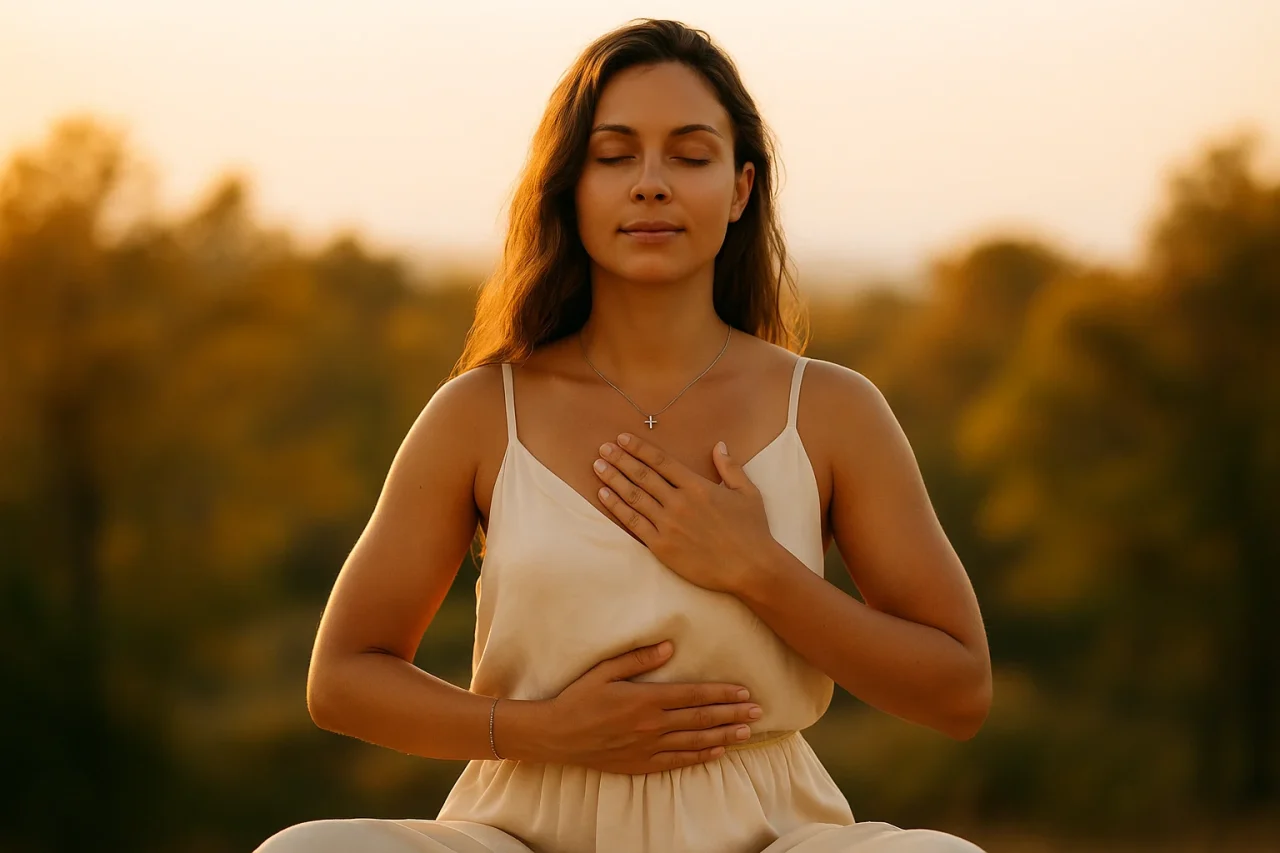
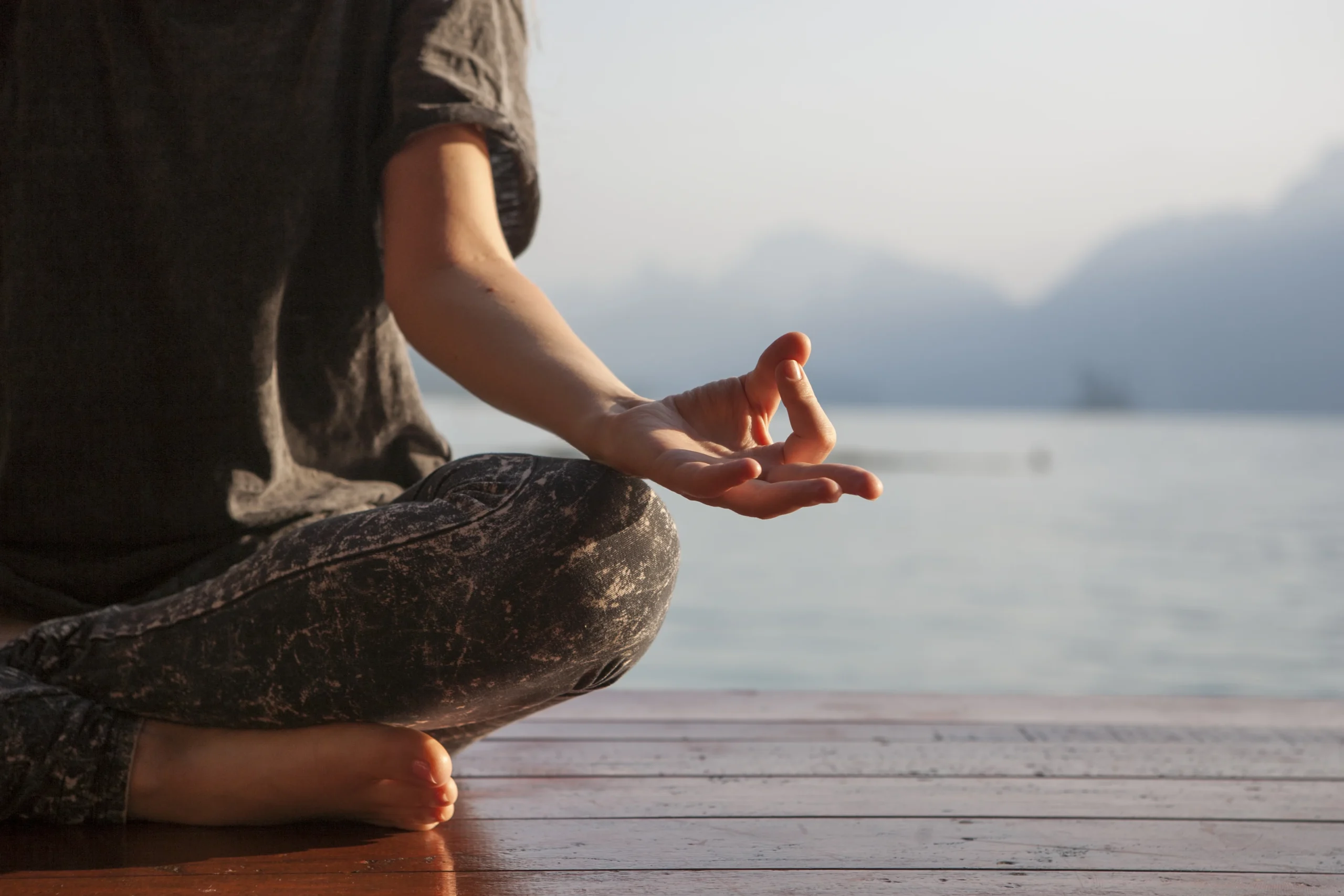
After the gratitude exercise, gently turn your attention to your body and to the sensation of your body breathing. Feel how you are sitting there, calm and alert, and notice where you can perceive your breath most clearly.
Perhaps you feel the breath most clearly at your nose, where the air flows in and out. Or rather in your chest or abdomen, where your body expands slightly as you breathe in and relaxes again as you breathe out. Choose the area where you can feel it most naturally.
Let your breath flow entirely by itself, without controlling it or deliberately changing it. You don’t have to breathe particularly deeply or particularly calmly. It is enough simply to be aware: the breath comes when it comes and goes when it goes.
By observing it, you anchor your attention in the present moment. That is exactly the aim of this breathing meditation: to find an inner anchor you can return to again and again.
When thoughts arise, which is completely normal, simply acknowledge them kindly. And as soon as you notice that you have become distracted, gently come back to your breath. Every return is part of the practice.
A lovely metaphor describes this process: the mind can be compared to a lake. When many thoughts and emotions arise at the same time, the lake becomes restless. The water is churned up, the mud at the bottom rises, everything becomes murky. But when you become still and settle, as in meditation, the water can smooth out. The mud sinks back down. And the lake becomes clear. In the same way, this meditation helps you calm your mind and develop more inner clarity.
As you come to the end, consciously feel your body once more, sitting there. Perhaps there is somewhere you can let go a little more, soften a little. Become aware of your surroundings again. Sounds, light, temperature.
And finally: let the singing bowl ring out once more. With this sound, you gently bring your attention back outwards and slowly open your eyes.
Conclusion: Small practice, big impact
This combination of gratitude reflection and focus on the breath gives you inner peace and mental clarity in just a few minutes. The more often you repeat the practice, the more quickly you will find your way back to calm, gratitude and presence in everyday life.
Meditating together with Phil Pham
On Phil Pham’s YouTube channel you will find guided meditations on many topics, such as the breath or gratitude. Dive in, relax consciously and experience how practising together can make your everyday life calmer and more mindful.
Sonia A.
Deepen your meditation practice with Mindfulife
Meditation can be more than a short break in your everyday life. If you would like to understand more deeply how meditation works, how to build a steady practice of your own and how to guide others mindfully, our meditation teacher training is the next step. There you will not only get to know meditation in theory, but also develop more confidence, clarity and trust in your own practice.
Would you like to find out more about the training first? In our weekly webinar you will get an insight and learn more about what your path to becoming a meditation teacher could look like.
For regular support in your everyday life, you can also use our online meditation studio and join guided meditations flexibly via Eversports.
We look forward to accompanying you on your journey.