Panic Attacks: Causes, Symptoms and Treatment

 · 8 min read
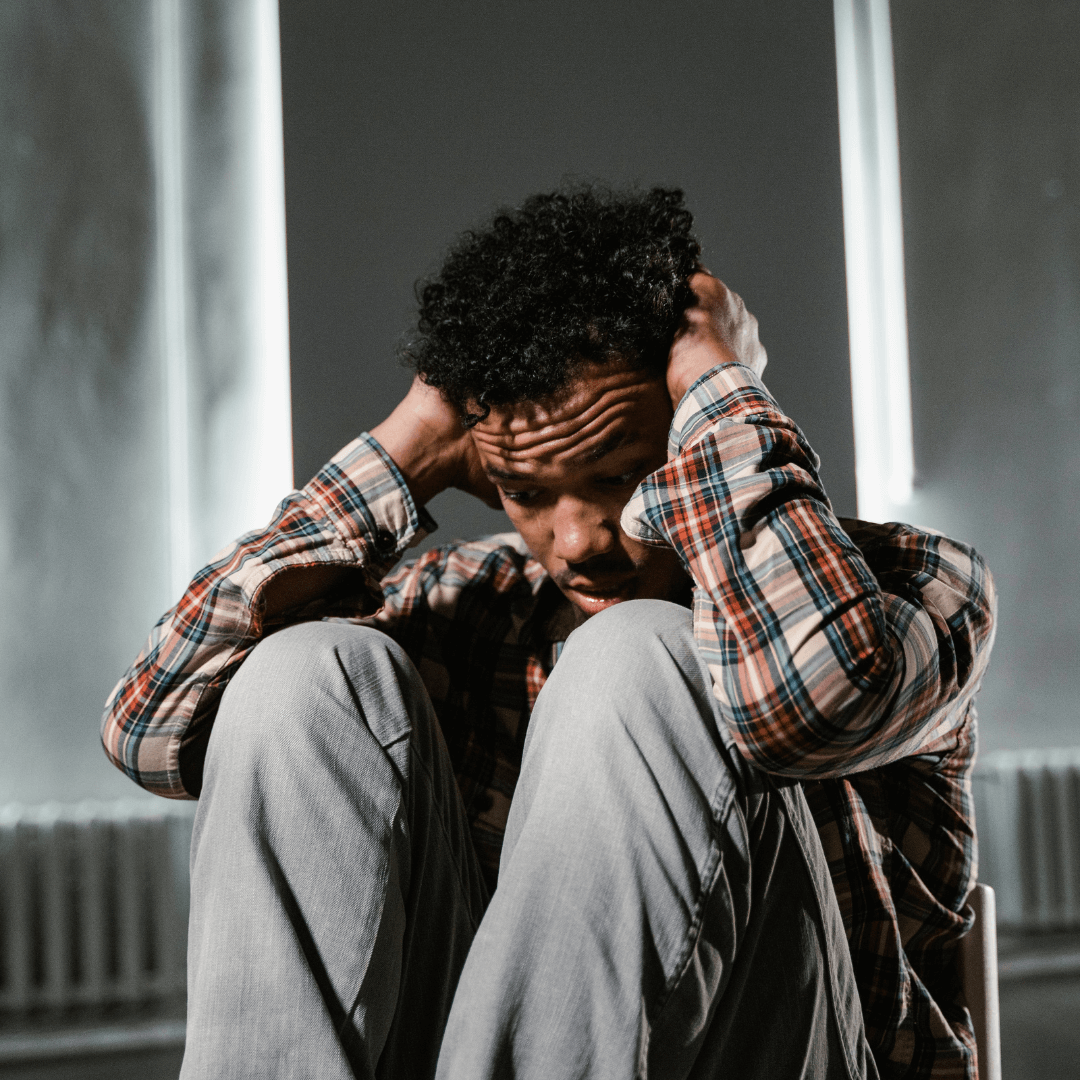
Panic attacks come on suddenly and lead to an intense state of fear that lasts a few minutes and then subsides again. In this article, you will find out how panic attacks develop, what keeps them going and how meditation can help you deal with panic attacks.
What are panic attacks?
Panic attacks are short episodes of intense fear that can manifest through both physical and emotional symptoms. A panic attack usually reaches its peak within 10-15 minutes and then slowly subsides. If these states occur suddenly and repeatedly and are accompanied by at least four symptoms, this is referred to as panic disorder according to the DSM-V, a globally recognised classification system for mental disorders. Panic disorder belongs to the group of anxiety disorders. Panic attacks can occur in isolation or as part of other mental disorders, such as social anxiety disorder or illness anxiety disorder (hypochondria).
What are the symptoms of panic attacks?
The symptoms that can accompany a panic attack are varied and can occur on both a physical and an emotional level. The most commonly reported symptoms are a racing heart, hot flushes, a feeling of tightness in the chest and trembling. Other symptoms that can occur during a panic attack include:
- Sweating
- Shortness of breath, breathlessness
- A sensation of choking
- Nausea, gastrointestinal complaints
- Dizziness, light-headedness
- Chills
- Numbness or tingling sensations
- Derealisation or depersonalisation
- Fear of losing control or going mad
- Fear of dying

How is panic disorder diagnosed?
When diagnosing panic disorder, it must be ruled out that the symptoms are caused by an organic cause, i.e. a medical condition. The frequency of panic attacks can vary greatly. While some people suffer from them daily or weekly, others report, for example, panic attacks that occur monthly.
Key characteristics of panic attacks are that they occur suddenly and that no clear trigger can be identified. For many of those affected, this results in avoidance behaviour. Situations in which a panic attack has previously occurred are avoided in the future. Even if this behaviour seems plausible at first and supposedly reduces the distress of those affected in the short term, it can have a negative impact on the course of the disorder, as the problem can be intensified by the resulting personal and professional difficulties.
What causes panic attacks and how do they develop?
In psychological research, there are various theories and models that attempt to explain the conditions under which panic attacks develop and how they are maintained.
The cognitive model of panic disorder
A widely used model comes from David Clark (1986). The “cognitive model of panic disorder” is based on the assumption that panic attacks arise from a process of cognitive escalation and culminate in a vicious circle of panic. In this process, an internal or external stimulus, for example an increase in one’s own heart rate, is interpreted as threatening. Those affected may, for instance, feel that they are having a heart attack, which can lead to great concern about their own health. The threatening interpretation and the resulting worry can lead to further symptoms such as trembling, breathlessness or sweating. The perception of these symptoms is in turn interpreted as alarming, and those affected find themselves caught in a vicious circle of panic. Only after a few minutes do the bodily sensations decrease and the panic attack subside.
The biopsychosocial model
There is no single, universally valid answer to the question of why people suffer from panic attacks or panic disorder over the course of their lives. The causes can differ from person to person. Only in very few cases can the occurrence of panic attacks be traced back to a single causal factor. Instead, the development of panic attacks is often influenced by the interplay of biological, social and psychological aspects.
On a psychosocial level, panic attacks are often made more likely by early trauma in childhood, such as sexual abuse or the death of people close to the child. On a biological level, researchers are discussing the role that certain neurotransmitters play in the development of panic attacks. The neurotransmitters serotonin and noradrenaline are frequently mentioned in connection with the causes of panic attacks. However, the question of the extent to which these neurotransmitters play a role in panic disorder has not yet been conclusively answered.
What keeps panic attacks going
As you have already learnt, patients with panic disorder often develop avoidance behaviour. This means that they avoid situations in which panic attacks have occurred in the past. However, this behaviour can have considerable consequences. On the one hand, people increasingly cut themselves off from their social environment. Problems can also arise at work if people are no longer able to do their job as usual because they are afraid of having another panic attack. On the other hand, avoidance acts as negative reinforcement. In other words, a simple learning mechanism takes place:
“If I withdraw, the fear gets less and I won’t panic.”
Although this behaviour can reduce symptoms in the short term, it has negative consequences in the long run. Isolation from one’s social environment can increasingly add to the distress of those affected. The fear of facing other people and unfamiliar situations grows stronger and stronger, which in turn has a negative effect on the panic symptoms. The treatment of panic disorder should therefore aim to expose people to anxiety-inducing stimuli in order to help reduce symptoms and enable patients to deal with the symptoms of anxiety in a healthy way.
How are panic attacks treated?
There are various methods for treating panic disorder effectively: medication and psychotherapy are the most common approaches. Mindfulness meditation has also proven its worth in dealing with panic. Below, we introduce the different approaches and their advantages and disadvantages.
Medication
Many of those affected first go to their GP, as they are worried that the panic-like symptoms might be caused by a heart condition or another serious illness, for example. As a result, medication is often prescribed without a psychiatric assessment or psychotherapeutic treatment taking place. Although psychotropic drugs are suitable as a supplement to psychotherapy, they should not be prescribed without further assessment.
So-called selective serotonin reuptake inhibitors (SSRIs) are often used – commonly referred to as antidepressants. SSRIs increase the concentration of the neurotransmitter serotonin at the synapses of the central nervous system, which can reduce the intensity and frequency of panic attacks.
So-called benzodiazepines are also frequently used to treat panic attacks. They are classed as sleeping pills and sedatives and have a dampening effect on the central nervous system. They are mainly prescribed for short-term treatment, but should be used with a certain amount of caution.
Numerous studies suggest that, while benzodiazepines act quickly in panic attacks and are usually well tolerated, they carry a high potential for dependence, and after the medication is stopped, the intensity and frequency of panic attacks often increase again (Quagliato, 2018). This effect is also suspected when SSRIs are given. It is therefore advisable to seek psychotherapeutic treatment in addition to medication with antidepressants or benzodiazepines, if these are needed at all.

Psychotherapy
Psychotherapy is the first-line treatment for panic attacks. There are various forms of psychotherapy, which work with different methods and are more or less suitable for certain disorders.
In cognitive behavioural therapy, the underlying cognitive schemas are identified. The aim is then to bring about a process of relearning. But what exactly does that mean?
Patients with panic disorder tend to interpret physical arousal, such as an increased heartbeat or sweating, as threatening. This means that a fast pulse is associated with an impending panic attack or a threat to one’s own life, rather than being attributed to a normal reaction to physical exertion.
One method used in cognitive behavioural therapy is interoceptive exposure, in which patients are exposed to anxiety-inducing bodily symptoms with the support of a therapist. For example, they may be asked to climb stairs in order to raise their heart rate. The altered bodily sensations, which are normally associated with panic, are observed until habituation sets in and the symptoms subside again. If this exercise is repeated regularly, a relearning effect takes place: in future, the symptoms are no longer interpreted as threatening, but can be observed until they eventually fade away on their own. Non-judgemental observation and acceptance of present bodily sensations is also a key element of mindfulness meditation.
Meditation
Various studies have shown that meditation is an effective and promising addition to the treatment of panic attacks. A study by Boettcher et al. (2014) examined the effectiveness of internet-based mindfulness exercises in patients with panic disorder. Participants with panic disorder were randomly assigned to two groups. One group completed the mindfulness programme, while the other group was only given the opportunity to exchange views in an online discussion forum. The participants who practised mindfulness meditation showed a greater reduction in anxiety symptoms and an improvement in their quality of life.
Mindfulness-based approaches also have the potential to reduce symptoms of anxiety and depression in the long term when combined with psychopharmacological treatment (Borah et al. 2010). However, the research suggests that mindfulness meditation for the treatment of panic attacks is best practised in combination with psychotherapy.
So: if you suffer from panic attacks, you should definitely seek therapeutic treatment. At the same time, you can deepen your knowledge and experience of mindfulness meditation, reduce the symptoms of anxiety, boost your wellbeing and discover further benefits of mindfulness!

Panic attacks – frequently asked questions
- What are panic attacks?
Panic attacks are sudden and unpredictable states of intense fear which reach their peak after 10-15 minutes and then subside again on their own. Panic attacks can manifest through various symptoms such as a racing heart, breathlessness or a sensation of choking.
- What is panic disorder?
Panic disorder is an anxiety disorder characterised by repeated, sudden panic attacks. The panic attacks occur unpredictably and without any immediately obvious trigger. People with panic disorder often show avoidance behaviour, which means that in future they avoid situations in which a panic attack has already occurred.
- How are panic attacks treated?
Cognitive behavioural therapy has proven effective in treating panic attacks and panic disorder. It involves identifying and changing dysfunctional patterns of thought and behaviour. Psychotropic drugs such as antidepressants or benzodiazepines can be used in addition. Meditation is also a good way to complement psychotherapy and to cope better with anxiety.
Mindfulness-based approaches
You now have a good overview of what panic attacks are, how they develop and how mindfulness meditation can help you cope better with panic and reduce the frequency of attacks. If you would like to know which methods there are for integrating mindfulness into your everyday life, take a look at our article on mindfulness-based approaches!
Deepen your meditation practice with Mindfulife
Meditation can be more than a short break in your everyday life. If you would like to understand more deeply how meditation works, how to build a steady practice of your own and how to guide others mindfully, our meditation teacher training is the next step. There you will not only get to know meditation in theory, but also develop more confidence, clarity and trust in your own practice.
Would you like to find out more about the training first? In our weekly webinar you will get an insight and learn more about what your path to becoming a meditation teacher could look like.
For regular support in your everyday life, you can also use our online meditation studio and join guided meditations flexibly via Eversports.
We look forward to accompanying you on your journey.
You can find more mindfulness inspiration on our channels too
References
Birbaumer, N., & Schmidt, R. F. (2010). Biologische Psychologie (7. Aufl.). Berlin/Heidelberg: Springer.
Boettcher, J., Åström, V., Påhlsson, D., Schenström, O., & Carlbring, P. (2014). Internet-based mindfulness treatment for anxiety disorders: A randomized controlled trial. Behaviour Therapy, 45(2), 241–253.
Borah, K., Yeung, A., Fung, D., & Wong, A. (2010). Effectiveness of a mindfulness-based cognitive therapy program as an adjunct to pharmacotherapy in patients with panic disorder. Journal of Anxiety Disorders, 24(6), 590–595. https://doi.org/10.1016/j.janxdis.2010.04.005
Kabat-Zinn, J., Lipworth, L., Burney, R., & Sellers, W. (1992). Effectiveness of a meditation-based stress reduction program in the treatment of anxiety disorders. American Journal of Psychiatry, 149(7), 936–943. https://doi.org/10.1176/ajp.149.7.936
Kim, M. K., Suh, S., Choi, E., & Kim, J. (2016). Impact of mindfulness-based cognitive therapy on intolerance of uncertainty in patients with panic disorder. Psychiatry Investigation, 13(2), 196–202. https://doi.org/10.4306/pi.2016.13.2.196
Sunderland, M., Hobbs, M. J., Andrews, G., & Craske, M. (2012). Assessing DSM-IV symptoms of panic attack in the general population: An item response analysis. Journal of Affective Disorders, 143(1–3), 187–195. https://doi.org/10.1016/j.jad.2012.06.001