Routines: Why are they so important and worthwhile?
But are routines something worth striving for or not? Whether it's quitting smoking or introducing a 5-minute breathing session into your lunch break, both are routines. That is the question we explore in this article.

 · 8 min read

Some people get up in the morning and know exactly how their day will go. Everything runs like clockwork and their structure is already set for the next few weeks. Appointments are neatly entered in their planner. Lemon water in the morning, an extensive skincare routine in the evening and a detox every third Monday.
Then there is the other camp, who live each day by the motto “Carpe diem”. Let’s see what this day, this week, this month and life in general still have in store for me. The big difference between these two lifestyles is routine – the routine a person keeps to and follows, or indeed avoids.
But are routines something worth striving for or not? Whether it’s quitting smoking or introducing a 5-minute breathing session into your lunch break, both are routines. That is the question we explore in this article.
The chaos starts in the morning
It’s Monday morning and the alarm goes off at 6:00 am. You have an important presentation at work and need to be on time.

You wake up and realise that you accidentally hit snooze. In a panic, you jump out of bed and see that you have less time than planned. The hot water in the shower suddenly turns cold because someone else in the household needs water too. You rush out of the shower with no time for a relaxed skincare routine. You search desperately for the right shirt or blazer, which has apparently vanished from your wardrobe. Maybe it’s still in the wash?
The minutes tick away as you rummage through your clothes. You hurry into the kitchen to grab something to eat, but coffee drips onto your shirt, and you’ve forgotten to buy milk. Breakfast becomes a hurried affair of a quick bite and a half-empty mug of coffee. There’s no time to take any breakfast with you. You head for the door and realise you can’t find your car keys. After a frantic search, you find them in yesterday’s coat. You leave the house in a rush and discover that traffic is crawling because of an accident. You didn’t hear the news this morning.
On your way to work, you realise that you’ve left important documents for the presentation at home. You wonder whether to turn back, but decide against it so as not to lose even more time.
Does this sound familiar? Or are you throwing your hands up in horror right now? This example shows quite vividly how a lack of structure, or a lack of routines, can predict the rest of your day as early as the morning – and with it your inner mental health.
So what can you do to avoid sinking into chaos?
The clear answer is – and who would be surprised at this point – routines! So let’s look at the example and analyse which routines could have helped here.
- You wake up: Set your alarm the evening before for the whole week. If you know you tend to hit snooze, put an extra alarm clock right next to the coffee machine so that you have to get up. It’s better to allow too much time in the morning than too little.
- The hot water: Coordinate with your family or housemates and, if necessary, draw up a shower/bathroom schedule together. If that’s too stressful in the morning, consider showering the evening before so that you only need to freshen up in the morning.
- Instead of searching: Lay out everything you need for the next day the evening before. Perhaps even straight in the bathroom. If you notice that you’re missing something you need, you can still look for alternatives the evening before.

- Take your time over breakfast: Sit down at the table once you’ve made your coffee or tea. If you like, read the newspaper or chat with your family or housemates about the day ahead. Support each other where possible: while one person showers, the other lays the table. The evening before, you can put all the food you’ll need the next morning at the front of the fridge or in a box, so you’ll notice straight away if something is missing. If you consciously take your time, you can also prepare something to take to work. Simply packing some fruit or vegetables is enough, so that you reach for something healthy rather than chocolate during the day.
- Pack your bag: Get yourself a bag especially for work. Think carefully about what really needs to be in it. Always put documents, books and pens back in the same place after using them. The same goes for household items. If you always return them to the same place, at some point you’ll start putting them there quite unconsciously and will always look for them there.
- Allow more time: We are surrounded by all sorts of circumstances. Even the most attentive person among us can’t be prepared for every situation. You can check your traffic app in the morning and listen to the local news, and ideally still build in some buffer time for the unexpected.
- Forgetting to plan ahead: You can easily avoid this by getting everything ready the day before. Alternatively, you can stash spare clothes, charging cables or snacks in the car or at the office for emergencies, in case things don’t go to plan. Either way, take a breath in the morning and ask yourself: What’s on today, and do I have everything I think I need for it?
Routines help us in everyday life
Of course, it takes patience and a bit of practice to change a habit, because ultimately a habit is nothing other than a routine itself – just an unhelpful one. If we’ve got into the habit of lying in for five more minutes every morning, knowing that it will cause stress, that knowledge still doesn’t help us to break the habit and replace it straight away. But it is worth replacing harmful habits with positive ones.
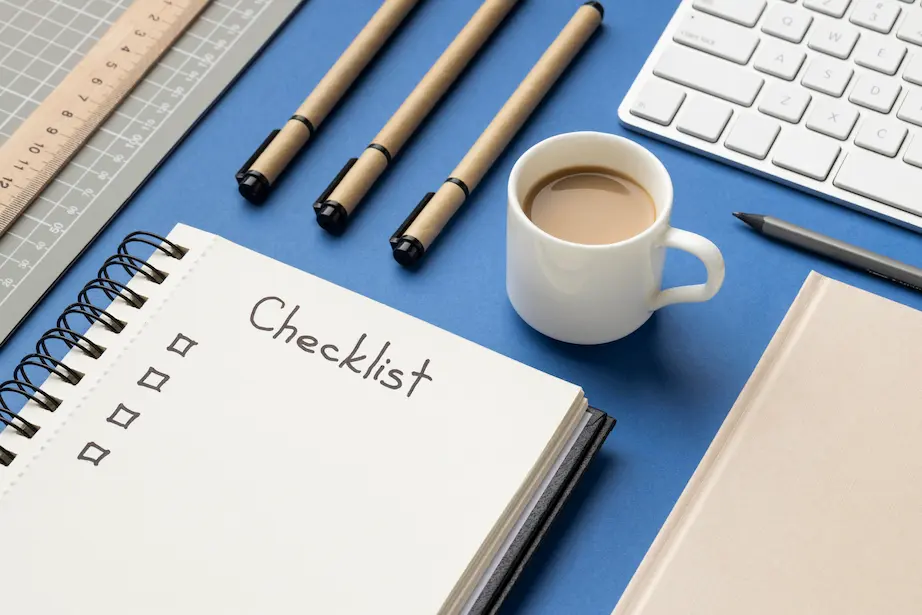
Routines help you with stress reduction, because they create structure and predictability in everyday life. This can help to reduce stress, as clear processes and fixed times for certain tasks can lessen uncertainty and pressure. At the same time, this increases your efficiency and productivity. Tasks become easier to plan because they take place at fixed times. This helps to save time, and your time management becomes more organised. You set priorities and focus on the task at hand without constantly having to switch between different activities.
In this way, you also improve your self-control, because you train your self-regulation and discipline. Sticking to clear routines can strengthen self-control and willpower, which can have a positive effect on how you cope with everyday challenges. All of this affects your sleep quality, because a structured daily routine gives you a regular sleep-wake rhythm, which has a positive influence on your mental health, mood and cognitive function. This can include regular physical activity, a balanced diet and other health-promoting practices.
Overall, you increase your life satisfaction. By creating structure in everyday life and focusing on personal goals, routines can contribute to a sense of fulfilment and contentment in life.
How does a routine develop?
The basics of forming and changing habits are best described by the cycle model of cue, routine and reward from Charles Duhigg, the author of “The Power of Habit”,.

First of all, we need to be aware that every habit begins with a trigger, also known as a cue. This can be a particular place, a time of day, an emotional situation or another stimulus. One example might be a craving for a snack when you’re stressed. You create a routine.
The trigger is followed by the actual action or behaviour, which is referred to as the routine. This is the action that is set off by the cue. In the example above, the routine could be eating a chocolate bar to relieve stress. This is your actual routine, because you always use it in response to your preceding cue.
Finally, you reinforce your behaviour with a reward that the brain perceives as positive or satisfying. In the example, the reward could be the feeling of relaxation or satisfaction after eating the chocolate bar.
Through repeated exposure to the trigger, the routine and the reward, the brain strengthens the link between these three elements. Over time, the habit becomes automatic, and conscious thought is reduced.
Got the theory – now for the practice?
Establishing new routines is worth it, but it takes time. With a few tips and tricks, you too can try to steer your life in a more positive direction. Don’t be discouraged if it doesn’t work straight away or if you keep giving up after a while. Patience is the be-all and end-all when building routines.

1. Start small: Begin with small, manageable changes. Forming habits is a gradual process, and it is often more effective to start with small steps.
2. Set clear goals: Define clear and specific goals for the new habit. The more precise your goals are, the easier it is to work towards them.
3. Link it to existing habits: Pair the new habit with one that is already well established. This helps to create a connection and increases the likelihood that the new habit will become part of your everyday life.
4. Create routines: Structure your day and create routines that support the change in habit you want. A clear structure makes it easier to put the new habit into practice.
5. Introduce a reward system: Reward yourself for making progress and sticking to the new habit. The prospect of positive rewards can serve as motivation.
6. Visualise success: Imagine that you have already achieved the change you want. Visualisation can help you stay motivated and sharpen your focus.
7. Record your progress: Keep track of your progress. A habit journal or an app can help you keep an overview and document your progress.
8. Seek social support: Share your goals with friends, family or colleagues. Social pressure and support can have a positive influence on habit formation.
9. Learn from setbacks: Setbacks are normal. What matters is learning from them and not giving up. Analyse what went wrong and adjust your strategy accordingly.
10. Be patient: Forming habits takes time. Be patient and don’t be too hard on yourself if it doesn’t work straight away. Give yourself time to internalise the changes.
11. Seek professional help: When it comes to deep-rooted habits, or if you find it difficult to change certain behaviours, it can be helpful to seek professional support, for example from therapists or coaches.
The perfect morning routine
Thank you for reading our latest blog article, “Routines: The ultimate teachers of our lives”! If you’d like to learn more about routines, take a look at our other blog article on the same topic. Click here to read on: Link to the article on the perfect morning routine. Enjoy exploring!
Deepen your meditation practice with Mindfulife
Meditation can be more than a short break in your everyday life. If you would like to understand more deeply how meditation works, how to build a steady practice of your own and how to guide others mindfully, our meditation teacher training is the next step. There you will not only get to know meditation in theory, but also develop more confidence, clarity and trust in your own practice.
Would you like to find out more about the training first? In our weekly webinar you will get an insight and learn more about what your path to becoming a meditation teacher could look like.
For regular support in your everyday life, you can also use our online meditation studio and join guided meditations flexibly via Eversports.
We look forward to accompanying you on your journey.
You can find more mindfulness inspiration on our channels too
References
Vorstellung von Apps und Tools zur Unterstützung bei der
Routinenverfolgung - Apps zur täglichen Nutzung; Beispielsweise zur Erinnerung ans Wasser trinken, Handypause zum effektiven Lernen – man pflanzt einen Baum nach einer gewissen Zeit (Forest: Konzentriert bleiben), Timerfunktionen bei Apps um übermäßige Nutzung zu kontrollieren, Kalenderapp nutzen und sich feste Routinen eintragen/mit anderen teilen, Zielsetzungen/Communitys in Fitnessapps als Ansporn
b. Empfehlungen für Bücher, Podcasts und Artikel zum Thema Routinen
- Buch: Charles Duhigg's Buch "The Power of Habit" (deutsch: "Die Macht der
Gewohnheit")
- Podcast: #43 Brainhacks und moderne Hirnforschung mit Dr. Maria Hoffacker
- für zwischen durch: YouTube: https://www.youtube.com/watch?v=FP2MIxW_LHg &
SWR2 Wissen: https://www.ardaudiothek.de/episode/swr2-wissen/gewohnheiten-aendernwie-wir-den-inneren-schweinehund-ueberwinden/swr2/13027023/
c. Studien die Effizienz belegen
- Stressreduktion und mentale Gesundheit: Studie von Tonetti et al. (2017) in "Journal of Personality and Social Psychology" → regelmäßige Routinen = niedrigeres Stressniveau
- Effizienz und Produktivität: Forschung von Mason et al. (2013) im "Journal of Experimental Psychology: → Strukturierung von Aufgaben in Routinen führt zu einer höheren Produktivität, da weniger mentale Energie für die Entscheidungsfindung nötig
- Selbstkontrolle: Duckworth et al. (2011) in "Psychological Science" → Selbstregulierung und Selbstkontrolle durch Routinen gestärkt = langfristiger Erfolg in verschiedenen Lebensbereichen
- Schlafqualität: Metaanalyse von 27 Studien durch Baglioni et al. (2016) in "Sleep Medicine Reviews" → Routinen und konsistente Schlafgewohnheiten = bessere Schlafqualität und niedrigere Rate von Schlafstörungen
- Zeitmanagement: Forschung von Evans et al. (2012) in "Psychological Science" → Einhalten von Routinen = Zeitmanagement verbessert und die Wahrscheinlichkeit von Verzögerungen bei der Erledigung von Aufgaben verringert.
- Mentale Gesundheit: Studie von Primack et al. (2015) in "The American Journal of Preventive Medicine" → Einrichtung von Routinen = niedrigeres Risiko für Depressionen und Angststörungen