Are there really differences between men and women? Kianimus explains!

 · 4 min read
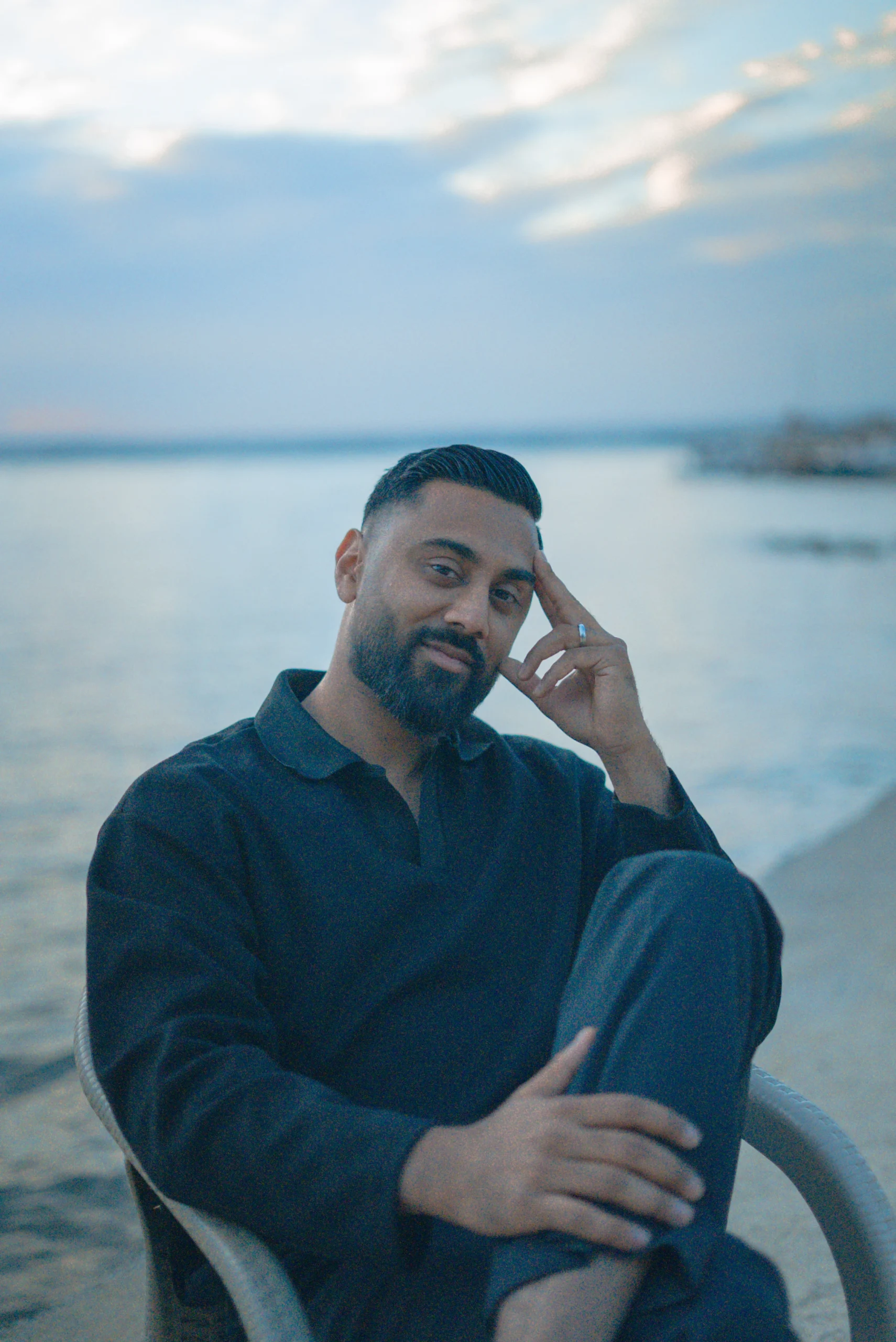
Have you ever wondered whether men and women really are different – or whether we sometimes just talk ourselves into these differences? That is exactly the question, along with several other fascinating ones, that today’s video explores. Together with our guest, we take a calm, nuanced look at a topic that is often discussed emotionally and can quickly become polarising.
The conversation makes one thing clear: yes, there are differences between men and women. But – and this is a crucial point – these differences have nothing to do with superiority or inferiority. Rather, it is about understanding differences, putting them into context and finding a respectful way of relating to one another.
Differences without devaluation
Our guest explains that men and women do indeed differ in certain areas – for example due to genetic factors, different socialisation and evolutionary influences. This perspective is put into context very carefully: differences do not mean that one sex is “better” than the other. They simply mean that people are valuable in different ways. The idea of equal worth is particularly important here. The notion that men and women are of equal worth has not been taken for granted in society for all that long. That makes it all the more important today not to argue against each other, but to understand each other better – especially where contrasts become apparent.
Body, movement and energy
The video also discusses how, in evolutionary terms, the male body was more strongly geared towards physical demands. Movement, strength and physical activity played a central role for men for a long time. This still gives rise to differences in behaviour today, for example in how energy, restlessness or aggression are handled. One fascinating thought here: for many men, physical activity can be an important key to becoming calmer inside and more receptive. Sport – martial arts, for instance – is described in the conversation as one possible way to release tension and get back in touch with oneself. At the same time, it is emphasised that such approaches are of course not exclusive to men. Women can benefit from them too if movement does them good.
Showing feelings – but how?
A particularly sensitive part of the conversation revolves around how we deal with feelings. Our guest makes it clear that many men do try to open up emotionally – just often in a different way from women. While women more often actively seek out conversation or deliberately share their experiences, emotional closeness among men sometimes happens more quietly, more indirectly or in passing.
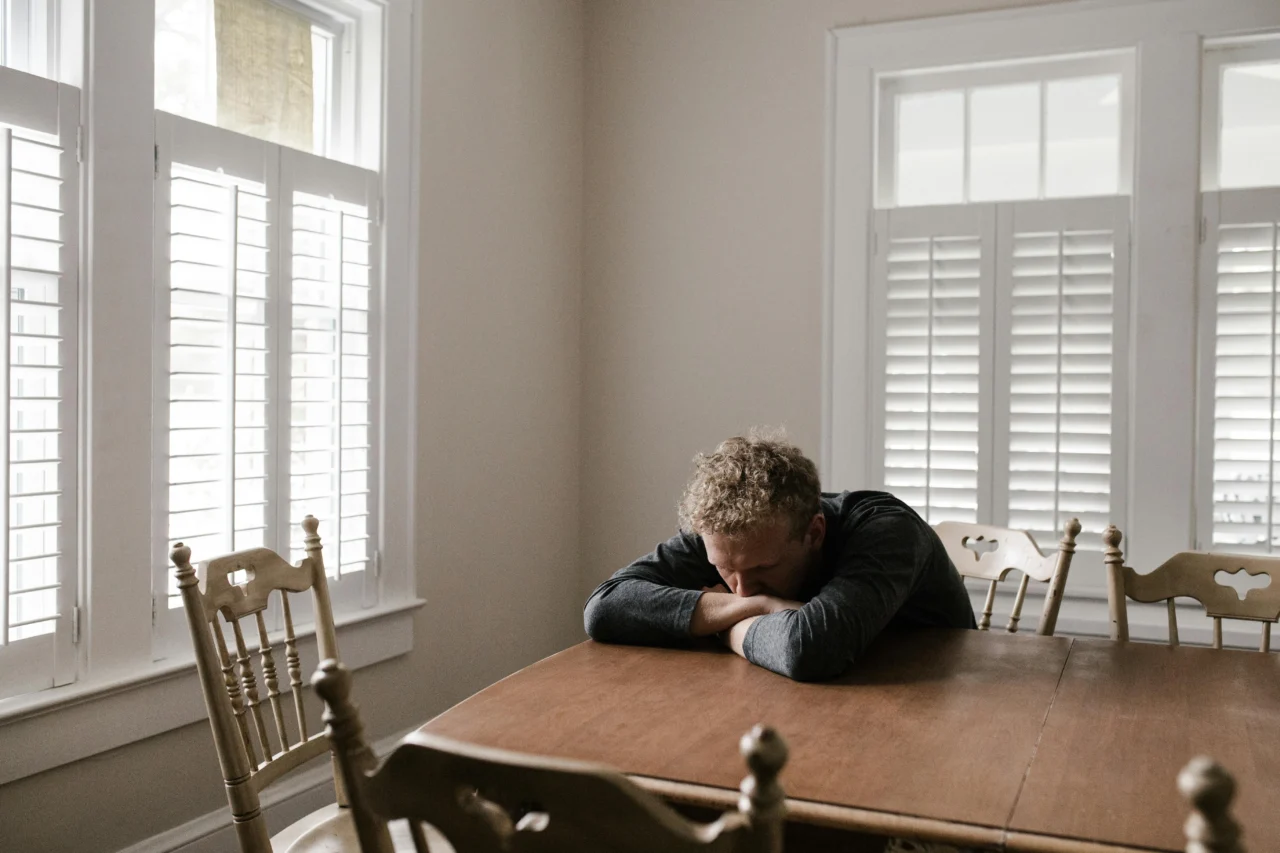
This has a lot to do with socialisation. Many men grew up with the idea that they have to be strong, never show weakness and keep their emotions to themselves. This can lead to uncertainty when it comes to expressing feelings openly. Our guest Kianimus has a completely different view of feelings. Perhaps you are familiar with phrases like “big boys don’t cry” or “Don’t always be so sensitive”. These sayings often seem harmless, but they subtly convey that feelings, pain and insecurity are something to be suppressed. They can cause people to lose touch with their own emotions, ignore inner warning signs and feel alone with what they are going through. In the long term, they make honest communication, closeness and access to support more difficult. Today’s episode makes it tangible that showing feelings is not a weakness, but a strength that creates connection – with yourself and with others.
Men need safe spaces
A central concern of our guest is to make men visible – not in the sense of setting them apart from women, but in the sense of care. Men need spaces where they can talk about what moves them without judgement, ridicule or pressure. The video shows just how important such safe spaces are. Places where men are allowed to learn to perceive their feelings and put them into words – step by step. Sometimes these steps start very small, with simple sentences such as:
“Something really moved me today …” or “I noticed that something really upset me.” This is exactly where our guest’s vision comes in: supporting men in developing emotional leadership – for themselves and for those around them. This video does not set out to offer simple answers or to reinforce old role models. Instead, it opens up a space for understanding, nuance and mutual respect. It is about differences – yes. But above all, it is about how we deal with them. If you are curious to see how all these ideas unfold in the conversation, then this video is for you. Take the time – and perhaps also the openness to engage with this topic.
Betty Schneider (B.Sc. Psychology)
Videos on this topic
If you would like to delve deeper into the topic, you will find a wide range of related videos on the YouTube channel “tonkaandphilpodcast”. There is also a video there called “Wer Schwäche zeigt, ist STARK – mit Beziehungscoach Kianimus”, which goes well with this article.
Deepen your meditation practice with Mindfulife
Meditation can be more than a short break in your everyday life. If you would like to understand more deeply how meditation works, how to build a steady practice of your own and how to guide others mindfully, our meditation teacher training is the next step. There you will not only get to know meditation in theory, but also develop more confidence, clarity and trust in your own practice.
Would you like to find out more about the training first? In our weekly webinar you will get an insight and learn more about what your path to becoming a meditation teacher could look like.
For regular support in your everyday life, you can also use our online meditation studio and join guided meditations flexibly via Eversports.
We look forward to accompanying you on your journey.
You can also find more mindfulness inspiration on our channels:
References
Colineaux, H., Neufcourt, L., Delpierre, C., Kelly-Irving, M., & Lepage, B. (2023). Explaining biological differences between men and women by gendered mechanisms.Emerging Themes in Epidemiology, 20(1), 2. https://doi.org/10.1186/s12982-023-00121-6
Rogers, R. G., Everett, B. G., Onge, J. M. S., & Krueger, P. M. (2010). Social, behavioral, and biological factors, and sex differences in mortality. Demography, 47(3), 555–578. https://doi.org/10.1353/dem.0.0119