Recognising Science: In Conversation with Niklas Kolorz

 · 4 min read


Recognising what is genuinely scientific is becoming ever more important in a world where misinformation is increasingly spread on social media through AI. But how can we tell which claims are actually backed by science? Niklas Kolorz is a content creator who uses his platforms to explain scientific topics in an accessible way and to get people excited about science.
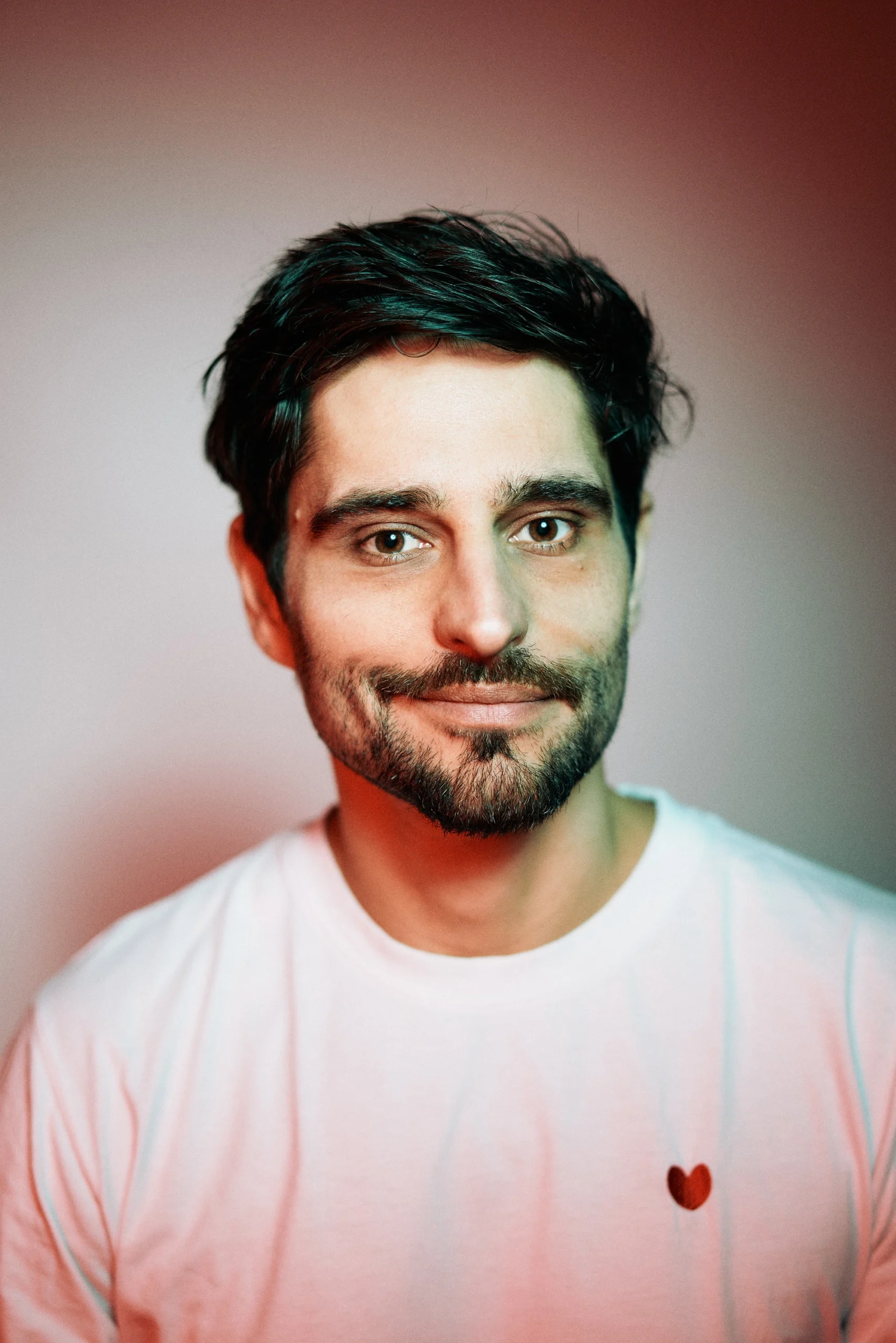
Niklas Kolorz as an example of science communication
The guest on our latest podcast episode is Niklas Kolorz. Many people know him from TikTok, Instagram or YouTube, where he explains a wide range of scientific topics. He is a science journalist and content creator. What sets him apart is his ability to explain complex subjects simply and clearly, which keeps his audience enthralled week after week.
He has been active on social media since 2020, reaching thousands of people. These days he inspires people not only online but also at his live shows. Niklas Kolorz talks passionately about his craft and therefore loves researching a wide variety of topics. He also encourages his audience to send him scientific questions, which he then researches and works through together with his team. This is how he ends up tackling questions such as why snails are slimy.
It is exactly this kind of clear, honest science communication that defines Niklas Kolorz.
But what does “scientific” actually mean?

What characterises science?
You have probably heard that scientists put forward theories. But did you know that even the best theory is never 100% proven?
In science, a theory is not simply asserted; it is formulated systematically and then tested against specific quality criteria. This means there are controlled standards by which a theory may be tested, and only once it passes these tests is it considered robust. Even if a theory is confirmed in many tests, that does not mean it is 100% true. Scientific findings always remain provisional: they hold until new observations or data might refute them. In addition, approaches differ depending on the stage of the research, how advanced current knowledge is and what exactly is being investigated.
A classic example illustrates this principle particularly well: even if we have only ever observed white swans, we cannot conclude that there are no black swans anywhere in the world. The mere accumulation of confirming cases does not make a theory irrefutably true; it only shows that it has not been refuted so far.
Another key feature of the scientific approach is that it is replicable. Other researchers must be able to carry out the same experiments under the same conditions and arrive at similar results.
How can I recognise pseudoscience?
Pseudoscientists claim to work scientifically when in fact they do not. But how can I tell whether an article or statement is based on pseudoscientific claims? The following section sets out a number of criteria that can help expose pseudoscience.
Tunnel vision (aka cherry-picking)
While science seeks to find out what is actually true and actively looks for errors in the process, pseudoscience sets out to prove its convictions and ignores research findings that do not fit its worldview.
Personal experience instead of a systematic approach
As evidence that a treatment works, pseudoscientists often rely on individual case studies and personal testimonials to back up their claims. This is frequently accompanied by statements such as “It worked for me”. Although such a statement may seem convincing at first, it does not meet the standards of scientific rigour.
Avoiding peer review
Scientific papers go through a thorough process in which the study is scrutinised down to the smallest detail before it can be published. This serves as quality control. Pseudoscience bypasses this process by publishing its “research” on its own website or in a self-published book.
Choice of words and extraordinary promises
In addition to the criteria already mentioned, a striking feature of pseudoscience is that it always makes vague statements which, wherever possible, consider the person as a whole. At first this makes it seem as though the theory has been proven, but such unspecific wording makes it impossible to say anything precise about cause and effect. In science, by contrast, a specific measure is tested and described as precisely as possible so that a conclusion can be drawn.
Conclusion
Science shows us the current state of research. It does not try to convince us that a theory is 100% proven and can never be refuted. Niklas Kolorz shows how good research works and puts scientific rigour centre stage. Because while pseudoscience may make for a good read and be easy to market, it has little or nothing to do with actual science.
If you would like to find out more about Niklas Kolorz and his work, do have a listen to the new podcast episode. There you will also discover which other topic is currently especially important to him.
Deepen your meditation with Mindfulife
Meditation can be more than a short break in your day. If you want to understand more deeply how meditation works, how to build a stable practice of your own and how to guide others mindfully, our meditation teacher training is the next step. There you will not only learn about meditation in theory but also develop more confidence, clarity and trust in your own practice.
Would you like to get to know the training better first? In our weekly webinar you will get an insight and find out more about what your path to becoming a meditation teacher could look like.
For regular support in everyday life, you can also use our online meditation studio and join guided meditations flexibly via Eversports.
We look forward to accompanying you on your journey.