Daytime Tiredness vs. Daytime Sleepiness: What to Do? A 7-Day Plan
Daytime tiredness, daytime sleepiness and excessive daytime sleepiness (EDS). But what are the differences? To work out the causes, ways of measuring them and practical steps for those affected, I first had to distinguish these concepts from one another.

 · 6 min read
Tiredness or sleepiness? Clearly separating the terms
During my research, I came across a whole range of different terms – daytime tiredness, daytime sleepiness and excessive daytime sleepiness (EDS). But what are the differences? To work out the causes, ways of measuring them and practical steps for those affected, I first had to distinguish these concepts from one another.
Daytime tiredness primarily describes a feeling of exhaustion or lack of energy and often occurs in connection with mental or physical strain. In GP practices, 20-30% of patients report such symptoms (according to Dietmann et al., 2019; Triller & Kallweit, 2021).
It is important to distinguish between normal fatigue and pathological daytime tiredness. If, for example, you decide on 6 January to take all the ornaments off the (slightly tired-looking) Christmas tree and then carry it down three floors through the stairwell of an old building, you are of course entitled to feel exhausted afterwards. This kind of tiredness is a normal response to exertion.
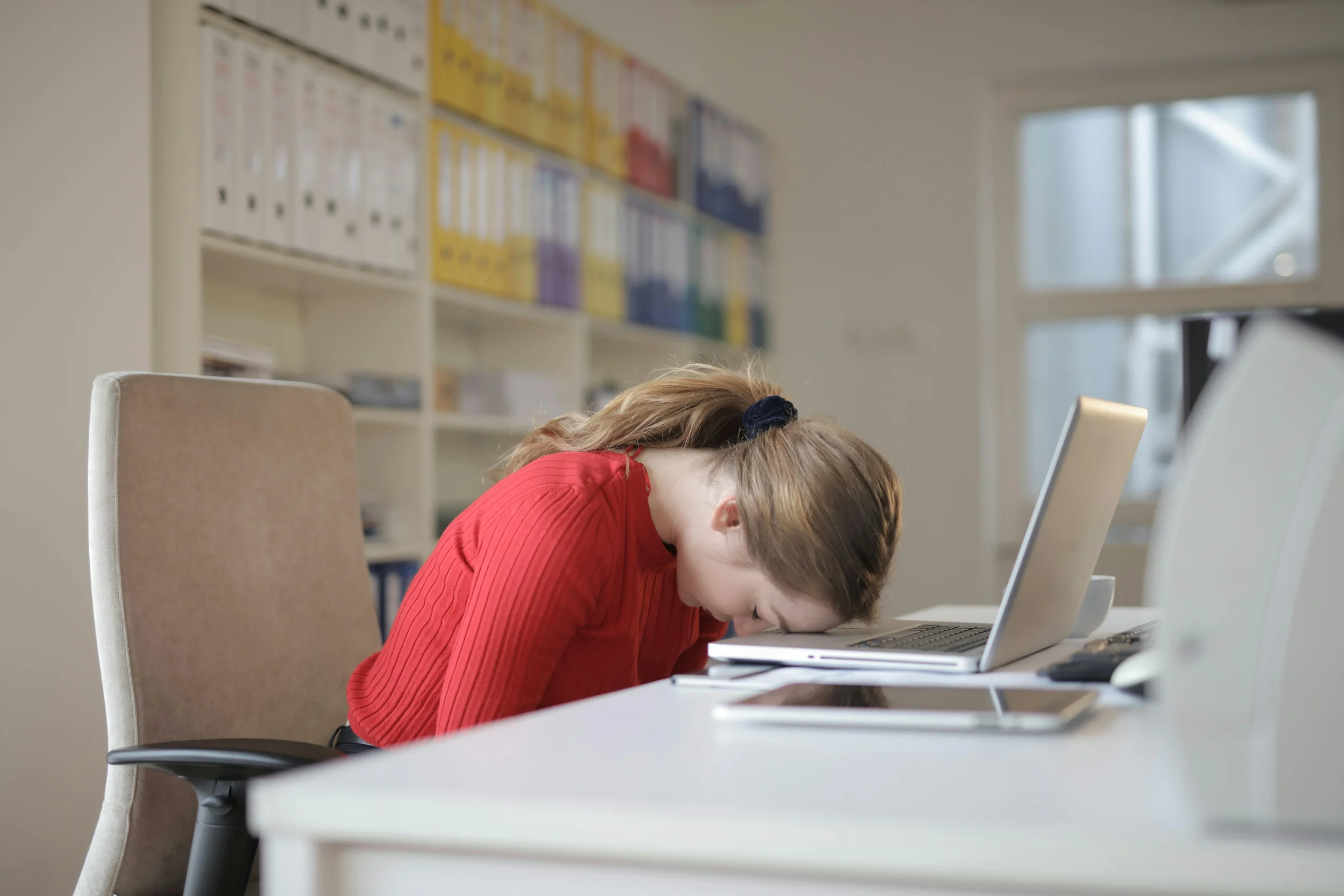
It is a different matter if you find yourself collapsing exhausted into an armchair after everyday activities and needing rest, without necessarily falling asleep – and if this cannot be plausibly explained by too little sleep, acute overload or similar. In that case, it may make sense to take a closer look at daytime tiredness as a possible symptom pattern – because tiredness and sleepiness increase the risk of accidents, especially on the roads.
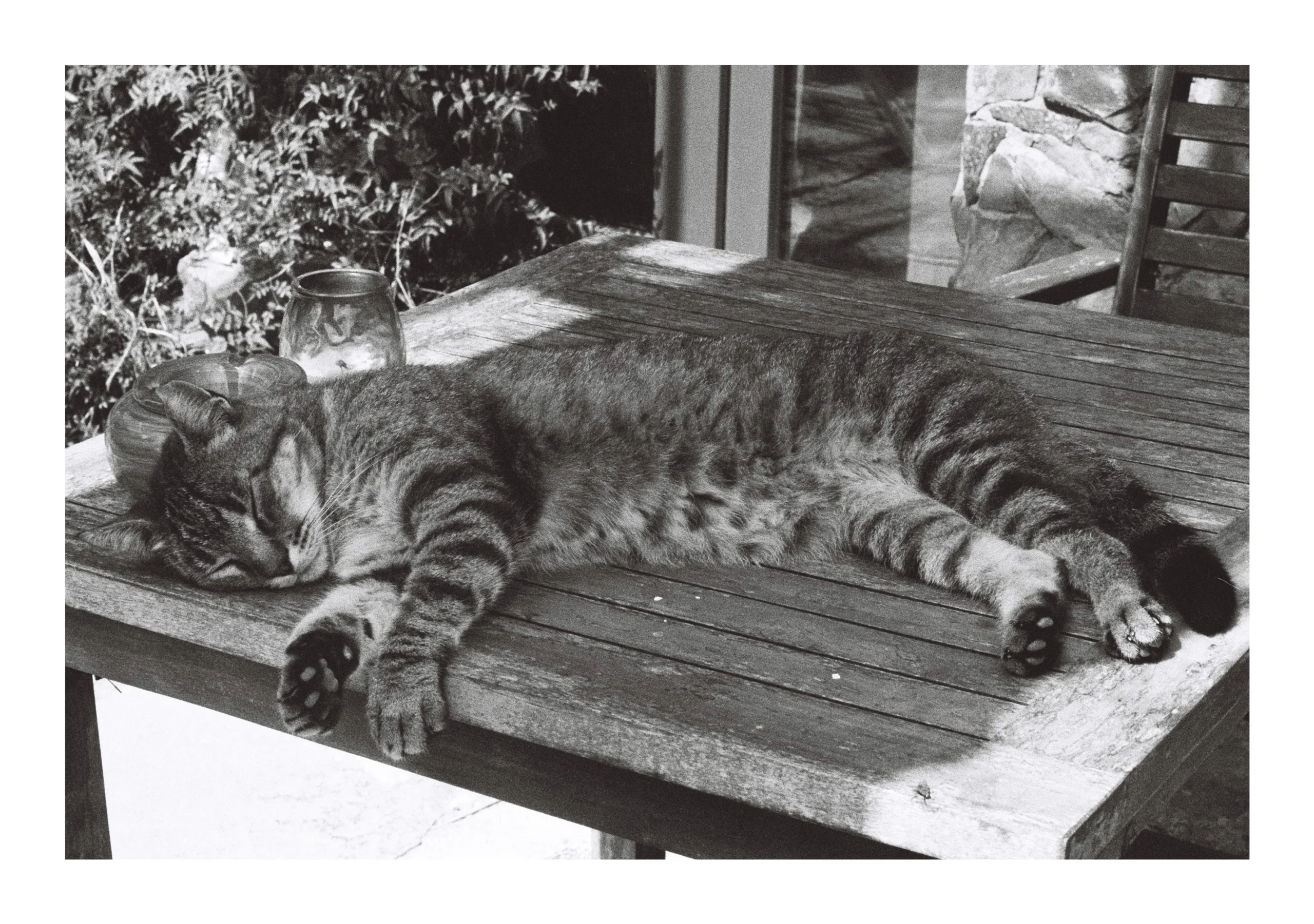
Daytime sleepiness behaves differently. It can often be temporarily suppressed or relieved through physical activity – rather than tending to get worse with further exertion, as classic exhaustion does.
Excessive daytime sleepiness describes an intensified form of daytime sleepiness and shows itself above all through marked sleep pressure and an increased tendency to nod off unintentionally (e.g. through microsleeps or so-called ‘sleep attacks’); around 5% of the population are affected (Dietmann et al., 2019). Daytime sleepiness is a key symptom of various sleep disorders and is therefore taken into account in diagnosis.
Back to our example: if you feel a strong urge to lie down under the tree and fall asleep in no time while taking off the very first ornaments – and if this happens regularly and cannot be reduced by getting enough sleep or being active – this could be a sign of excessive daytime sleepiness.
In summary: tiredness = exhaustion; (excessive) sleepiness = tendency to fall asleep
Causes: why we become tired or sleepy during the day
Let us first look at daytime tiredness: common triggers include an irregular sleep pattern, too little sleep or poor-quality sleep. Working hours that do not suit your chronotype (early bird vs. ‘night owl’) can also encourage daytime tiredness.
Other possible factors include too little or too much physical activity, an unbalanced diet or meals that are too large or too small, heat, body weight (being underweight or overweight), medication and deficiencies (e.g. vitamin B12 deficiency). Infections can also make you temporarily tired.
If the symptoms persist or are particularly severe, mental and physical illnesses may also be the cause – such as depression, chronic stress or overload, migraine, an underactive thyroid, cardiovascular disease, diabetes, allergies, cancer or post/long COVID.
Photos: Rosanna Steingaß
For (excessive) daytime sleepiness, the most common reasons – as with tiredness – are disturbances in the amount or quality of sleep. These include, for example, behaviourally induced sleep deprivation and problems with the sleep-wake rhythm (e.g. circadian disorders, a delayed sleep phase or jet lag).
Another common route into daytime sleepiness is when sleep is ‘there’, but constantly interrupted. Typical causes of such fragmented sleep are above all obstructive sleep apnoea (repeated pauses in breathing during sleep, often with snoring), parasomnias (e.g. sleepwalking, nightmares), but also restless legs syndrome or periodic limb movements during sleep.
Substances and medication can also encourage daytime sleepiness – e.g. benzodiazepines, alcohol, opiates or anti-epileptic drugs. If the symptoms persist or are particularly severe, the less common hypersomnias (conditions in which those affected have an excessive need for sleep) may also be the cause.
In addition, neurological, psychiatric or other organic illnesses can be accompanied by daytime sleepiness (including multiple sclerosis, stroke, Parkinson’s disease; depression/PTSD; and, for example, heart failure and kidney or liver failure).
Alongside these better-known causes, there are also newer research findings showing that certain metabolic patterns in the blood are linked to daytime sleepiness. These include markers from the steroid/stress hormone axis (including indications relating to cortisol metabolism) as well as lipid markers such as long-chain fatty acids (and, for example, sphingomyelins). In the study by Faquih et al. (2025), some of these associations remained even when sleep apnoea, insomnia symptoms and sleep duration were taken into account. This does not prove cause and effect, but it does suggest that in some people, biological regulatory processes may play a role in addition to the amount and quality of sleep. In the long term, such findings could provide new starting points for research and ideas for treatment.
In summary: in everyday life, daytime tiredness and daytime sleepiness cannot always be clearly separated; they often appear as symptoms and frequently have overlapping (sometimes even shared) causes.
Measurement: how can daytime tiredness and daytime sleepiness be assessed?
Daytime tiredness can be measured, but mainly subjectively: on the one hand through a medical history and self-report, and on the other through questionnaires such as the Fatigue Severity Scale (FSS). You may be wondering: why a ‘fatigue’ scale? A fair question – I owe you an explanation.
Fatigue in the pathological sense describes a subjectively experienced mental and/or physical exhaustibility that cannot be explained by current strain alone. It can have many psychological and organic causes and often restricts everyday life. In practice, fatigue and daytime tiredness partly overlap. Because there is no dedicated measurement tool for daytime tiredness, fatigue questionnaires such as the FSS are often used in studies and in clinical practice.
Daytime sleepiness, on the other hand, can be measured both subjectively and objectively. Subjectively, it is often assessed using the Epworth Sleepiness Scale (ESS). Important: the ESS does not always correlate perfectly with objective measurement methods. That is why objective tests in a sleep laboratory are also used where necessary – e.g. the Multiple Sleep Latency Test (MSLT), which measures how quickly someone falls asleep during the day across several sessions (EEG-based). In addition, there is the Maintenance of Wakefulness Test (MWT), which measures how well someone can stay awake (also EEG-based).
In summary: daytime tiredness is mainly assessed subjectively (medical history and FSS), while daytime sleepiness can be measured subjectively (ESS) and, where necessary, objectively in a sleep laboratory (MSLT/MWT).
What you can do right now
Daytime tiredness and daytime sleepiness often occur together. Nevertheless, it is important to tell them apart (rule of thumb: tiredness = exhaustion; (excessive) sleepiness = tendency to fall asleep), as the same mechanisms are not always behind them. Both can have harmless causes that are often easy to resolve – but sometimes there are also more serious, treatable reasons behind them, such as sleep disorders or a physical or mental illness.
Important: if you nod off in risky situations (e.g. while driving) or repeatedly have ‘sleep attacks’, you should have this checked by a doctor promptly. People with daytime tiredness and (excessive) daytime sleepiness can be helped.
What can you do if you are regularly affected? A good first step is a 7-day mini diary – although this does not replace a diagnosis.
Mini plan (7 days):
- Note down your sleep times and waking phases
- Note down naps (time and duration)
- Record exhaustion and tendency to fall asleep as separate symptoms
- Afterwards: identify patterns → adjust your daily routine or have it checked by a professional
Note: if your sleep pattern varies a lot (e.g. due to shift work or business travel), you suspect a problem with your sleep-wake rhythm, or your symptoms fluctuate considerably (barely noticeable for a few days, then pronounced again), a longer period for your diary often makes sense – e.g. 10 to 14 days. If you would like to start your diary after reading this article, allow yourself to approach it calmly. Always remember: even small observations can provide valuable clues, with no need for perfection.
Rosanna Steingaß (psychology student)
Deepen your meditation practice with Mindfulife
Meditation can be more than a short break in your everyday life. If you would like to understand more deeply how meditation works, how to build a steady practice of your own and how to guide others mindfully, our meditation teacher training is the next step. There you will not only get to know meditation in theory, but also develop more confidence, clarity and trust in your own practice.
Would you like to find out more about the training first? In our weekly webinar you will get an insight and learn more about what your path to becoming a meditation teacher could look like.
For regular support in your everyday life, you can also use our online meditation studio and join guided meditations flexibly via Eversports.
We look forward to accompanying you on your journey.
You can find more mindfulness inspiration on our channels too
References
Billones, R., Liwang, J. K., Butler, K., Graves, L., & Saligan, L. N. (2021). Dissecting the fatigue experience: A scoping review of fatigue definitions, dimensions, and measures in non-oncologic medical conditions. Brain Behavior & Immunity - Health, 15, 100266. https://doi.org/10.1016/j.bbih.2021.100266
Dietmann, A., Maire, M., Bargiotas, P., Mathis, J., Auer, R., & Bassetti, C. L. (2019). Tagesschläfrigkeit, Hypersomnie oder Tagesmüdigkeit? Swiss Medical Forum ‒ Schweizerisches Medizin-Forum. https://doi.org/10.4414/smf.2019.08084
Faquih, T., Potts, K. S., Nagarajan, P., Yu, B., Kaplan, R., Isasi, C. R., Qi, Q., Taylor, K. D., Liu, P. Y., Strausz, S. J., Ollila, H. M., Huang, T., Tracy, R. P., Johnson, C., Rich, S. S., Clish, C. B., Rotter, J. I., Redline, S., Sofer, T., & Wang, H. (2025). Steroid hormone biosynthesis and dietary related metabolites associated with excessive daytime sleepiness. EBioMedicine, 119, 105881. https://doi.org/10.1016/j.ebiom.2025.105881
Gandhi, K. D., Mansukhani, M. P., Silber, M. H., & Kolla, B. P. (2021). Excessive daytime sleepiness. Mayo Clinic Proceedings, 96(5), 1288–1301. https://doi.org/10.1016/j.mayocp.2020.08.033
Gesundheitskasse, (2023, December 21). Ständig müde: Tipps gegen die Antriebslosigkeit. AOK - Die Gesundheitskasse. https://www.aok.de/pk/magazin/wohlbefinden/schlaf/staendig-muede-tipps-gegen-die-antriebslosigkeit/
Hirschwald, B., Sun, Y., Nold, A., & Bochmann, F. (2022). Persönliche Einflussfaktoren auf die Tagesmüdigkeit. Zentralblatt Für Arbeitsmedizin Arbeitsschutz Und Ergonomie, 72(4), 147–153. https://doi.org/10.1007/s40664-022-00459-9
Popp, R., & Geisler, P. (2007). Diagnose von Schlafstörungen und Tagesschläfrigkeit: Wenn der Schlaf nicht mehr erholsam ist – Ursachen und Folgen. Pharmazie in Unserer Zeit, 36(3), 180–185. https://doi.org/10.1002/pauz.200600215
Slater, G., & Steier, J. (2012). Excessive daytime sleepiness in sleep disorders. PubMed, 4(6), 608–616. https://doi.org/10.3978/j.issn.2072-1439.2012.10.07
Triller, A., & Kallweit, U. (2021). Tagesschläfrigkeit oder -müdigkeit? Unterschiede und Konsequenzen. ARS MEDICI, (8), 241–245.