Chronotype: How Can You Easily Understand & Determine Yours?
Do you know the feeling of waking up in the morning feeling completely wiped out, even though you've had enough hours of sleep? Or of suddenly being full of energy in the evening when everyone else has long since grown tired? Your chronotype may be behind it.

 · 4 min read
Do you know the feeling of waking up in the morning feeling completely wiped out, even though you’ve had enough hours of sleep? Or of suddenly being full of energy in the evening when everyone else has long since grown tired? Your chronotype may be behind it.
Living in tune with your chronotype: How can you use your natural rhythm for more energy and wellbeing?
Chronobiology – the science of our internal rhythms – shows that every person has their own individual internal clock. If you understand your type, you can shape your everyday life, your sleep and your peak performance phases more consciously. In this article, you’ll find out how to determine your chronotype, what lies behind terms such as ‘night owl chronotype’ and why your natural rhythm is so important for your health.
What is a chronotype and what does chronobiology mean?
A chronotype describes the times of day at which you are particularly productive, focused or tired. Some people are active early (‘larks’), while others only really wake up in the evening (‘owls’). Chronobiology studies these biological rhythms. Researchers have shown that our internal clock is significantly influenced by genetic factors. You don’t choose your type – it is part of your biological make-up. If your everyday life is permanently out of step with your natural rhythm, this can put stress on both body and mind. This phenomenon is also known as ‘social jet lag’.

Which chronotype am I – and how can I determine it?
There are various scientifically grounded ways to determine your chronotype. Examples worth mentioning here include the Munich Chronotype Questionnaire (MCTQ) from LMU Munich and the chronotype questionnaire (D-MEQ) from TU Dortmund University.
Typical questions in a chronotype questionnaire include:
- When do you go to bed when there is no external pressure?
- When do you wake up without an alarm clock?
- At what time of day do you feel most productive?
A free online test (e.g. www.ifado.de/de/chronotyp) can give you a first indication. The important thing is that this isn’t about ‘good’ or ‘bad’. Everyone has strengths once they learn to make use of them.
What does being an owl or lark chronotype actually mean for your everyday life?
If you are an ‘owl’ chronotype, you often come alive in the evening. Your concentration may not reach its peak until after 6 pm. Getting up early, on the other hand, can feel like a daily battle. As a ‘lark’, by contrast, you are productive early on but need to wind down sooner in the evening.
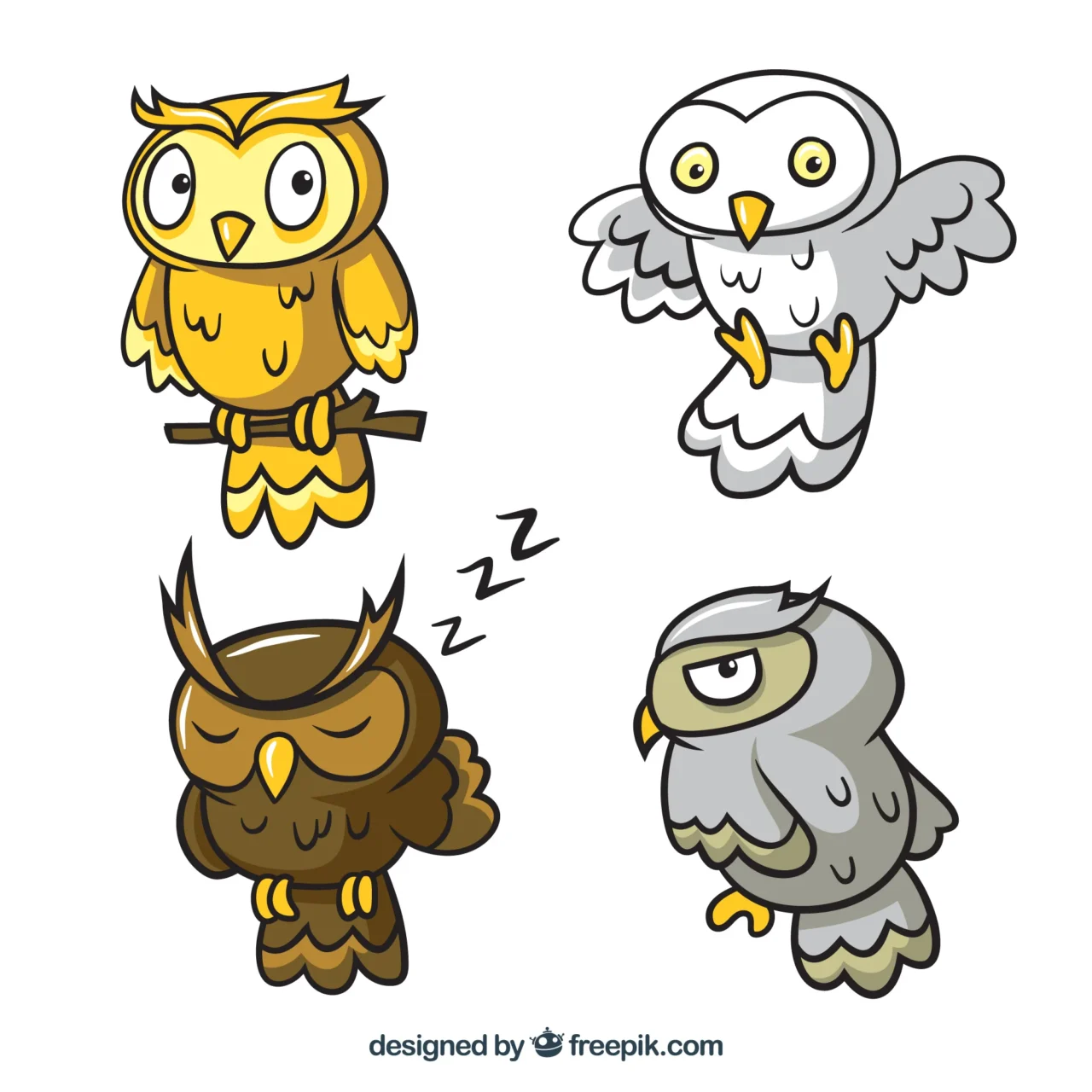
Studies show that owls suffer from sleep deprivation more often, because the structures of society are heavily geared towards early risers. In the long term, this can affect mood, stress levels and even metabolic processes. This is where mindfulness pays off: over the course of two weeks, consciously observe when you really feel awake, creative or exhausted.
How are sleep and health affected?
Your sleep is closely linked to hormonal processes. In owls, the sleep hormone melatonin is released later than in larks. So if you try to fall asleep earlier, against your natural rhythm, this can lead to difficulties getting to sleep.
Researchers have found that a persistent mismatch between your internal clock and external demands can be associated with an increased risk of depressive symptoms and metabolic changes. This doesn’t mean you are at the mercy of your chronotype. But it does show how important it is to take your sleep chronotype seriously.

How can you live in tune with your chronotype?
Not everyone can choose their working hours freely. But even small adjustments can make a difference.
Here are a few mindful suggestions:
1. Schedule demanding tasks during your peak phases
Once you know when your energy is at its highest, place meetings or creative activities in this time window.
2. Create evening or morning rituals
Rituals help your body prepare for sleep or activity, regardless of your chronotype.
3. Use light consciously
Daylight in the morning can help owls shift their rhythm forward a little. Dimmed light in the evening helps larks to switch off.
4. Accept your rhythm
Self-acceptance is a central part of mindfulness. You don’t have to function the way others do. Your rhythm isn’t a flaw – it’s part of your nature.
Is a chronotype test worthwhile?
Taking a test can help you develop a better understanding of your biorhythm. This is particularly helpful if you suffer from persistent tiredness or often feel ‘out of place’ in conventional daily routines.
But a test alone isn’t enough. What matters is how mindfully you handle the knowledge. Ask yourself:
- Where am I living against my rhythm?
- Where can I make small adjustments?
- Which beliefs about productivity can I let go of?
Why is mindfulness the key to your internal clock?
Mindfulness means perceiving your body without judgement. Instead of forcing yourself to be productive earlier, you can observe with curiosity: when do I feel alive?

When you learn to live in tune with your chronotype, you often gain more energy – not because you do more, but because you act at the right moment. Your natural rhythm is like an inner wave. If you ride it instead of fighting against it, your everyday life becomes easier.
Conclusion
Your chronotype isn’t a buzzword; it is biologically rooted. Chronobiology clearly shows that people differ in their internal clocks. If you determine your type – for example with a free test or a scientific chronotype questionnaire – you gain valuable self-knowledge.
More energy doesn’t come from self-optimisation, but from self-understanding. By respecting your sleep chronotype, you reduce stress, improve the quality of your sleep and strengthen your wellbeing. Perhaps today is a good moment to ask yourself: am I living in tune with my rhythm or against it?
In our online studio, you’ll find guided meditations and evening routines to help you rediscover your own rhythm.
Thomas M. (Business Psychologist, BSc, MBA)
Deepen your meditation practice with Mindfulife
Meditation can be more than a short break in your everyday life. If you would like to understand more deeply how meditation works, how to build a steady practice of your own and how to guide others mindfully, our meditation teacher training is the next step. There you will not only get to know meditation in theory, but also develop more confidence, clarity and trust in your own practice.
Would you like to find out more about the training first? In our weekly webinar you will get an insight and learn more about what your path to becoming a meditation teacher could look like.
For regular support in your everyday life, you can also use our online meditation studio and join guided meditations flexibly via Eversports.
We look forward to accompanying you on your journey.
You can find more mindfulness inspiration on our channels too
References
Griefahn, B., Künemund, C., Bröde, P., & Mehnert, P. (2001). Zur Validität der deutschen Übersetzung des Morningness-Eveningness-Questionnaires von Horne und Östberg. Somnologie - Schlafforschung und Schlafmedizin, 5, 71-80. doi.org/10.1046/j.1439-054X.2001.01149.x
Roenneberg, T., Wirz-Justice, A., & Merrow, M. (2007). Life between clocks: Daily temporal patterns of human chronotypes. Journal of Biological Rhythms, 22(2), 80–90. doi.org/10.1177/0748730406297781
Roenneberg, T., Allebrandt, K. V., Merrow, M., & Vetter, C. (2012). Social jetlag and obesity. Current Biology, 22(10), 939–943. doi.org/10.1016/j.cub.2012.03.038
Wittmann, M., Dinich, J., Merrow, M., & Roenneberg, T. (2006). Social jetlag: Misalignment of biological and social time. Chronobiology International, 23(1–2), 497–509. doi.org/10.1080/07420520500545979