Intuition: Meaning and Its Connection to Meditation
Intuition refers to the ability to make decisions or gain insights without using conscious logic or rational deliberation.

 · 5 min read
Meditation is a practice that has been used for centuries in various cultures around the world to promote clarity of mind, inner calm and spiritual growth. But meditation can offer far more than these benefits. It can also serve as a powerful tool for strengthening our intuition and enabling better decision-making. In this article, we will explore the close connection between meditation and intuition and how this practice can help us make intuitive decisions.
What does intuition mean?
Before we dive deeper into the relationship between meditation and intuition, it is important to understand what intuition actually means. Intuition refers to the ability to make decisions or gain insights without using conscious logic or rational deliberation. Instead, it is based on a deep, inner knowing or a “gut feeling“. Intuition is an important part of our thinking process and plays a crucial role in many areas of our lives.
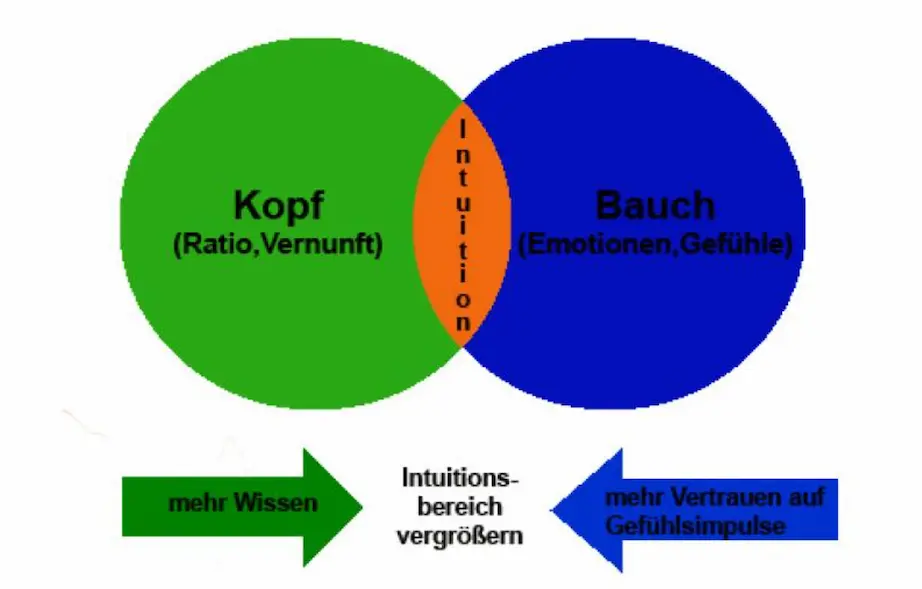
Intuition: where head and gut intersect
Decisions and decision-making
Decisions are an integral part of our everyday lives. Whether at work or in our private lives, we are constantly making decisions that affect our lives. These decisions can range from far-reaching ones, such as choosing the right career path, to everyday ones, such as picking a dish in a restaurant. To make better decisions, most people rely on rational deliberation and analysis. While this approach is certainly important, intuition can be a valuable complement.
What role does intuition play in decision-making?
Intuitive decisions are based on our inner knowing and our instinct. They are often quicker and can lead to surprisingly positive outcomes. The ability to act intuitively depends on our emotional intelligence, which helps us better understand our own emotions and those of the people around us. Intuition can enable us to make spontaneous decisions that seem irrational at first glance but later turn out to be extremely sensible.
Meditation as a tool for strengthening intuition
Meditation is a practice that aims to calm the mind, sharpen awareness and promote inner clarity. These effects can help to strengthen intuition and improve our capacity for intuitive decision-making. Here are some of the ways in which meditating can help:
1. The inner compass: Meditation allows us to immerse ourselves in our inner world and establish a deeper inner connection with our thoughts and emotions. This “inner compass” can give us valuable pointers when making decisions. When we regularly connect with our inner self through meditation, we learn to listen to our intuition and understand it better.
2. Intuitive thinking: While meditating, we have the opportunity to calm the mind and open up space for intuitive thinking. This intuitive thinking can help us find solutions to problems and make better decisions without being swayed by external distractions.
3. Mindfulness and self-reflection: Meditation fosters mindfulness, which means that we become more aware of and attentive to our own thoughts and feelings. This enables deeper self-reflection and supports the development of greater emotional intelligence, which is essential for intuitive decisions.
4. Reducing stress: Stress can significantly impair our ability to make decisions. Meditation is known for its stress-reducing properties and can therefore help us keep a clear head and make better decisions.
Gut decisions and willingness to take risks
Gut decisions are another aspect of intuitive decision-making that is closely linked to meditation. These decisions are often based on a strong gut feeling or an instinctive knowing. People who meditate regularly often report increased confidence in their gut decisions. This stronger gut feeling can lead to a greater willingness to take risks, as you rely on your inner wisdom even when external circumstances seem uncertain.
Intuition training through meditation
Meditation can be seen as a form of intuition training. While we meditate, we practise directing our attention to our inner sensations and thoughts. This training strengthens our ability to listen to our intuition and include it in the decision-making process. Here are some steps for integrating meditation into your intuition training:
1. Regular practice: Consistency is key. To strengthen your intuition, you should make meditation a regular habit. Short daily meditation sessions can already make a big difference.
2. Mindfulness meditation: Use mindfulness meditation to develop your capacity for self-observation and for perceiving your inner sensations. This will help you pay attention to your gut feeling and instinct.
3. Ask targeted questions: While meditating, you can ask targeted questions relating to the decisions ahead of you. Let the answers rise up from within without analysing them.
4. Note down your impressions: After each meditation session, it is helpful to record your impressions and insights in a journal. This allows you to refine your intuition over time and observe how your decision-making develops.
5. Trust your inner compass: Finally, it is important to trust your inner compass and listen to your intuitive insights. Even if your intuitive decisions seem illogical at first glance, they may turn out to be the best ones for you.

What are the benefits of intuitive decision-making through meditation?
The connection between meditation and intuition brings numerous benefits. If you want to develop your capacity for intuitive decision-making, you could subsequently:
- Make better, more effective decisions, especially in complex or uncertain situations.
- Make decisions more quickly, as you can trust your gut feeling and your instinct.
- Find more creative solutions to problems that might not be achievable through conventional means.
- Reduce stress, as you rely on your inner wisdom instead of weighing yourself down with excessive rumination and worry.
Conclusion
Meditation and intuition are intertwined and can lead to better decision-making. By meditating regularly, you can sharpen your inner compass, foster intuitive thinking and strengthen your gut feeling. This enables you to make better decisions in various areas of life and to develop a greater willingness to take risks. The combination of meditation and intuition training can enrich your life in many ways and lead to a more balanced, more conscious and more fulfilling existence.
Give this practice a chance and observe how your intuition influences your decision-making in a positive way.
Deepen your meditation practice with Mindfulife
Meditation can be more than a short break in your everyday life. If you would like to understand more deeply how meditation works, how to build a steady practice of your own and how to guide others mindfully, our meditation teacher training is the next step. There you will not only get to know meditation in theory, but also develop more confidence, clarity and trust in your own practice.
Would you like to find out more about the training first? In our weekly webinar you will get an insight and learn more about what your path to becoming a meditation teacher could look like.
For regular support in your everyday life, you can also use our online meditation studio and join guided meditations flexibly via Eversports.
We look forward to accompanying you on your journey.
You can find more mindfulness inspiration on our channels too
References
Swaminathan, A., & Rathnasabapathy, M. (2021). Role of intuition and mindfulness on problem-solving: A review. Journal Name, 12(4), 194–200.
Michalak, J., Remmers, C., & Topolinski, S. (2014, August). Mindful(l) intuition: Does mindfulness influence the access to intuitive processes? Journal Name, 12(4), 194–200.
McNaughton, R. D. (2003). The use of meditation and intuition in decision-making: Reports from executive meditators. Report Name or Publisher.