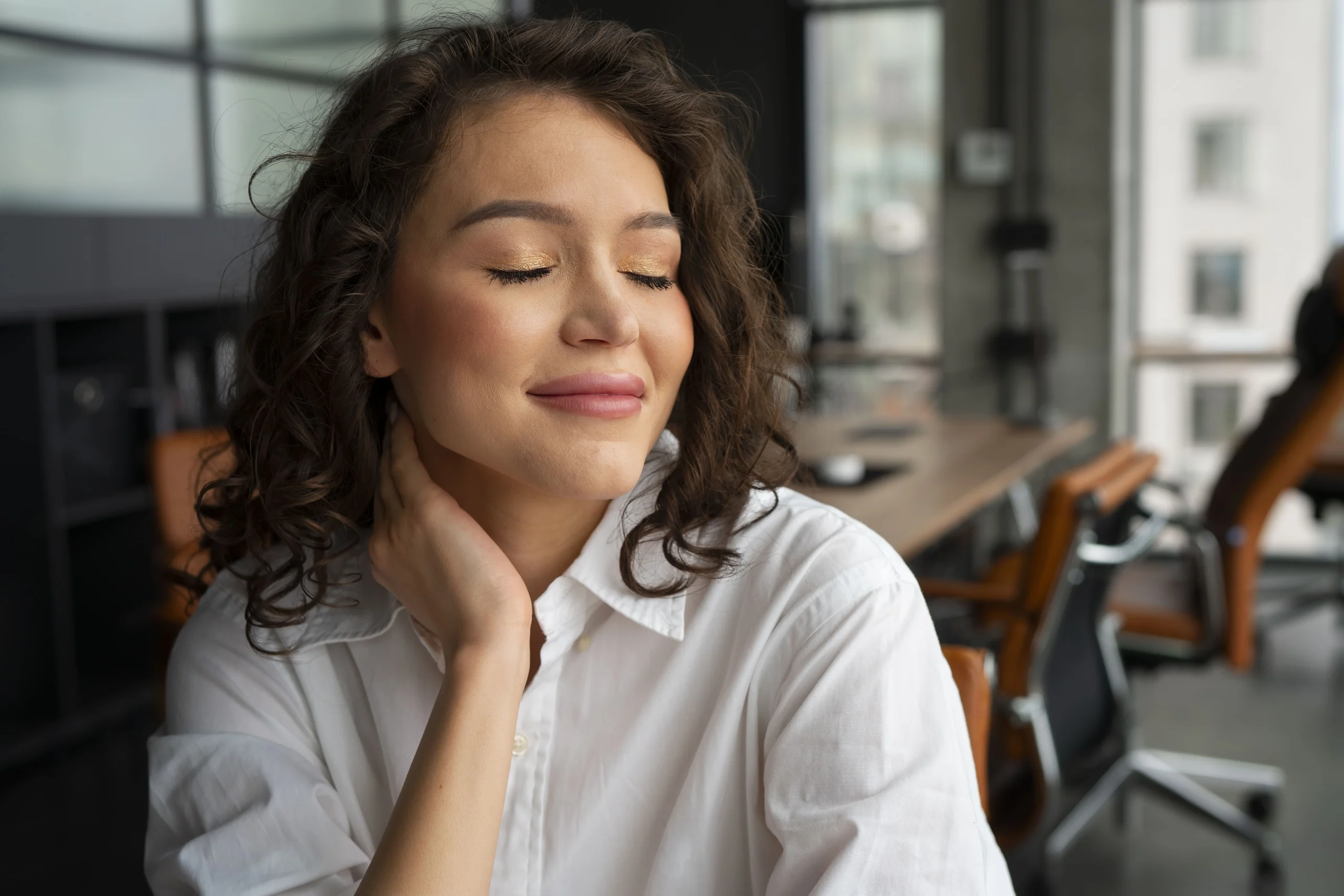
Emotion Regulation: 5 Tips for Using Meditation as a Tool

 · 3 min read
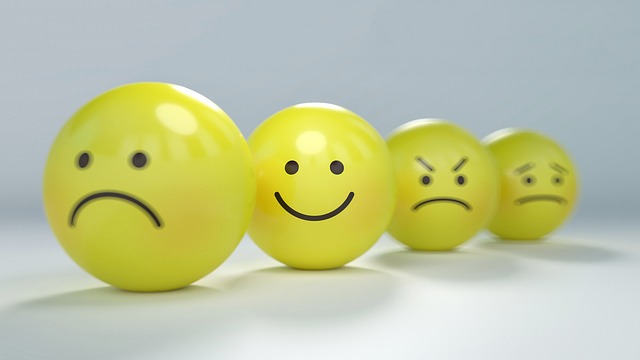
In our hectic everyday lives, we are exposed to a wide range of emotions every day. The ability to regulate these feelings is a crucial factor in our psychological wellbeing. A growing number of scientific studies show that meditation, especially mindfulness exercises, is an effective tool for improving emotion regulation.
What is emotion regulation?
Emotion regulation describes the ability to influence, control and adapt our emotional states. It enables us to respond appropriately to stressful or challenging situations without being overwhelmed by our emotions. Effective emotion regulation contributes to emotional balance and overall emotional health.
The role of meditation in emotion regulation
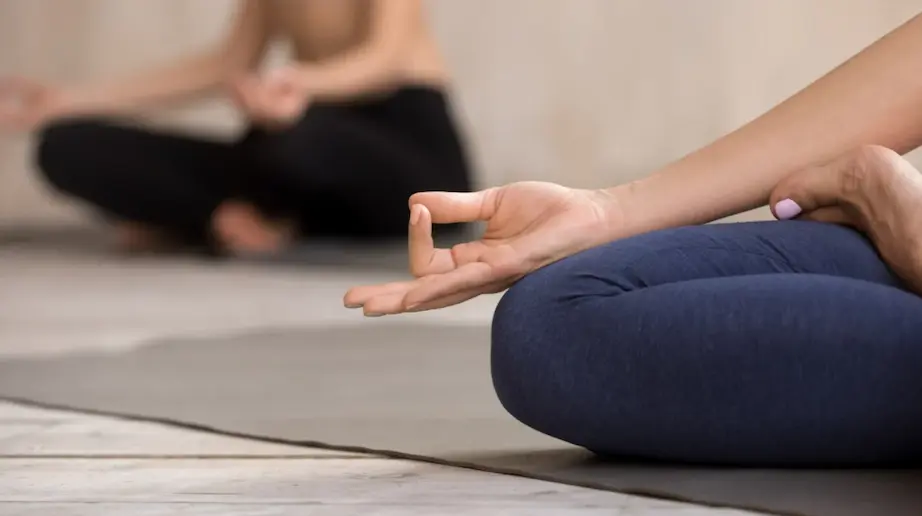
Meditation, especially mindfulness, has proven to be an effective method for promoting emotion regulation. It can help us learn to stop our racing thoughts, to manage our emotions through meditation and to develop and strengthen a deeper sense of calm. Studies have shown that meditation for anger, anxiety and stress influences activity in brain regions associated with emotional processing, such as the amygdala and the prefrontal cortex. These changes lead to improved control over emotional reactions.

Scientific findings on meditation and emotion regulation
A study by the Icahn School of Medicine at Mount Sinai examined the effects of meditation for emotion regulation on brain regions responsible for emotion regulation and memory. The results show that meditation influences beta and gamma brainwaves, which are linked to mood swings. This could explain why meditation is helpful for emotions such as anger, anxiety and stress.
Another study found that mindfulness exercises improve the ability to balance emotions by changing activity in certain brain regions. These neurobiological changes support the hypothesis that meditation serves as a tool for emotion regulation.
Tips for putting it into practice:
To benefit from meditation, it is crucial to establish a regular practice. Here are a few tips:
- Better emotion regulation through a daily meditation routine: Start with short sessions of 5–10 minutes a day and gradually increase the length. For example, set yourself a fixed time in the morning or evening and build meditation into your morning routine or evening routine.
- Mindfulness exercises: Bring mindfulness into your everyday life again and again by consciously focusing on the present moment, whether you are eating, walking or breathing. Try not to judge the things you notice. Simply observe them and accept them. This way, you practise not always passing judgement on everything straight away. (If you would like an overview of mindfulness and its various approaches, take a look here!)
- Regulating feelings: Use meditation to recognise and transform negative emotions such as anger, anxiety and stress.
- Relaxation techniques: Combine mindfulness exercises with other techniques that help you relax (e.g. yoga, spa treatments, going for walks) to promote your emotional balance. Forest bathing (“Shinrin-Yoku” in Japanese) is an often overlooked hidden gem!
- Mindfulness-Based Stress Reduction (MBSR): A scientifically grounded programme for managing stress with meditation, developed by Jon Kabat-Zinn in the 1970s, which has a positive effect on emotional health.
Conclusion
Meditation offers an effective means of improving the regulation of our feelings and thus contributes to greater emotional intelligence and overall emotional health. By integrating mindfulness exercises into everyday life, we can learn to understand and manage our emotions better, leading to a more fulfilling and balanced way of life. Would you like to experience the benefits of meditation for yourself? Then start a short meditation exercise today and discover how you can regulate your emotions better!
revised on 30 April 2026
by Katharina R. (psychology student)
Deepen your meditation practice with Mindfulife
Meditation can be more than a short break in your everyday life. If you would like to understand more deeply how meditation works, how to build a steady practice of your own and how to guide others mindfully, our meditation teacher training is the next step. There you will not only get to know meditation in theory, but also develop more confidence, clarity and trust in your own practice.
Would you like to find out more about the training first? In our weekly webinar you will get an insight and learn more about what your path to becoming a meditation teacher could look like.
For regular support in your everyday life, you can also use our online meditation studio and join guided meditations flexibly via Eversports.
We look forward to accompanying you on your journey.
You can find more mindfulness inspiration on our channels too
References
Desbordes, G., Gard, T., Hoge, E. A., Holzel, B. K., Kerr, C. E., Lazar, S. W., Olendzki, A., & Vago, D. R. (2015). Moving beyond mindfulness: Defining equanimity as an outcome measure in meditation and contemplative research. Mindfulness, 6(2), 356–372. https://psycnet.apa.org/doi/10.1111/j.1468-2850.1995.tb00036.x
Greenslit, J. S. (2024). Meditation and emotion: A review of the literature on the impact of meditation on emotional well-being. Journal of Integrated Social Sciences, 14(1), 1–26. https://www.jiss.org/documents/volume_14/JISS%202024%2014%281%29%201-26%20Meditation%20and%20Emotion.pdf
Hecht, D. (2025, 14. Februar). Meditation changes brain waves linked to anxiety and depression: Study. New York Post. https://nypost.com/2025/02/14/health/meditation-changes-brain-waves-linked-to-anxiety-depression/
Kaluza, G. (2025). Achtsamkeit und Emotionsregulation – When East Meets West. ResearchGate. https://www.researchgate.net/publication/247467254_Achtsamkeit_und_Emotionsregulation_-_When_East_Meets_West
Lama, T. J., & Rinchen, S. (2018). Mindfulness-based stress reduction and its impact on emotional health. European Scientific Journal, 14(15). https://eujournal.org/index.php/esj/article/view/10837
National Institute of Mental Health. (2024). Depression. U.S. Department of Health and Human Services. https://www.nimh.nih.gov/health/topics/depression
Sander, L. (2018). Die Rolle von Achtsamkeit in der Emotionsregulation [Masterarbeit, Universität Graz]. Unipub Graz. https://unipub.uni-graz.at/obvugrhs/download/pdf/3425266
Stieger, S., & Burger, C. (2021). Achtsamkeit und psychische Gesundheit im Kindes- und Jugendalter. Schweizerische Zeitschrift für Heilpädagogik, 27(11), 34–40. https://ojs.szh.ch/zeitschrift/article/view/1289/1547