Meditation techniques: 6 popular methods compared

 · 6 min read
In a world that keeps spinning faster and faster, many people are looking for an anchor – whether at work, in everyday life or on the road. In 2026, mental health and inner calm matter more than ever.
But how do you get started with a practice, and which method really suits you?
In this article, you will find out what sets modern meditation techniques apart, how they demonstrably change your brain and which 6 methods have proven particularly effective.
What are meditation techniques?
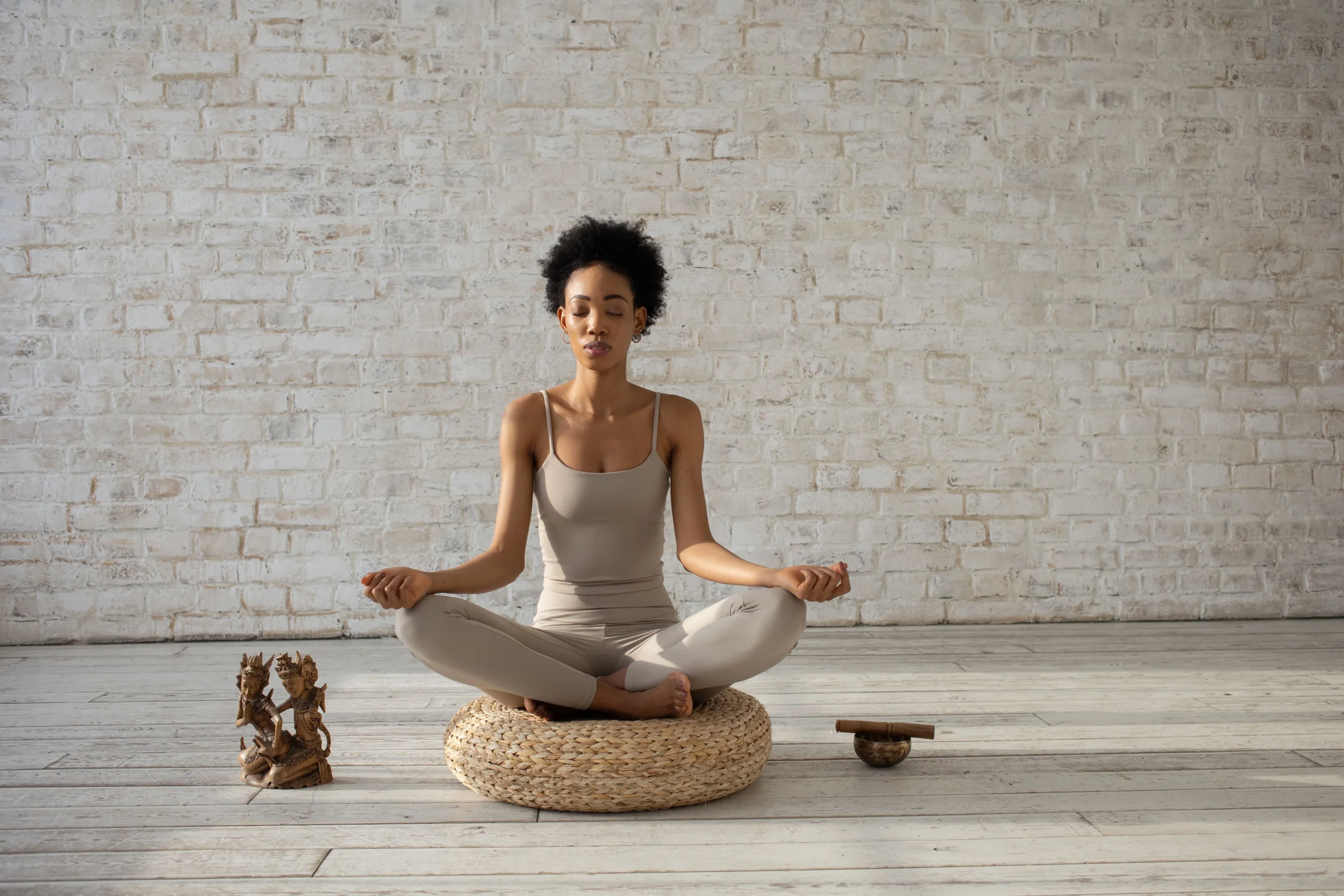
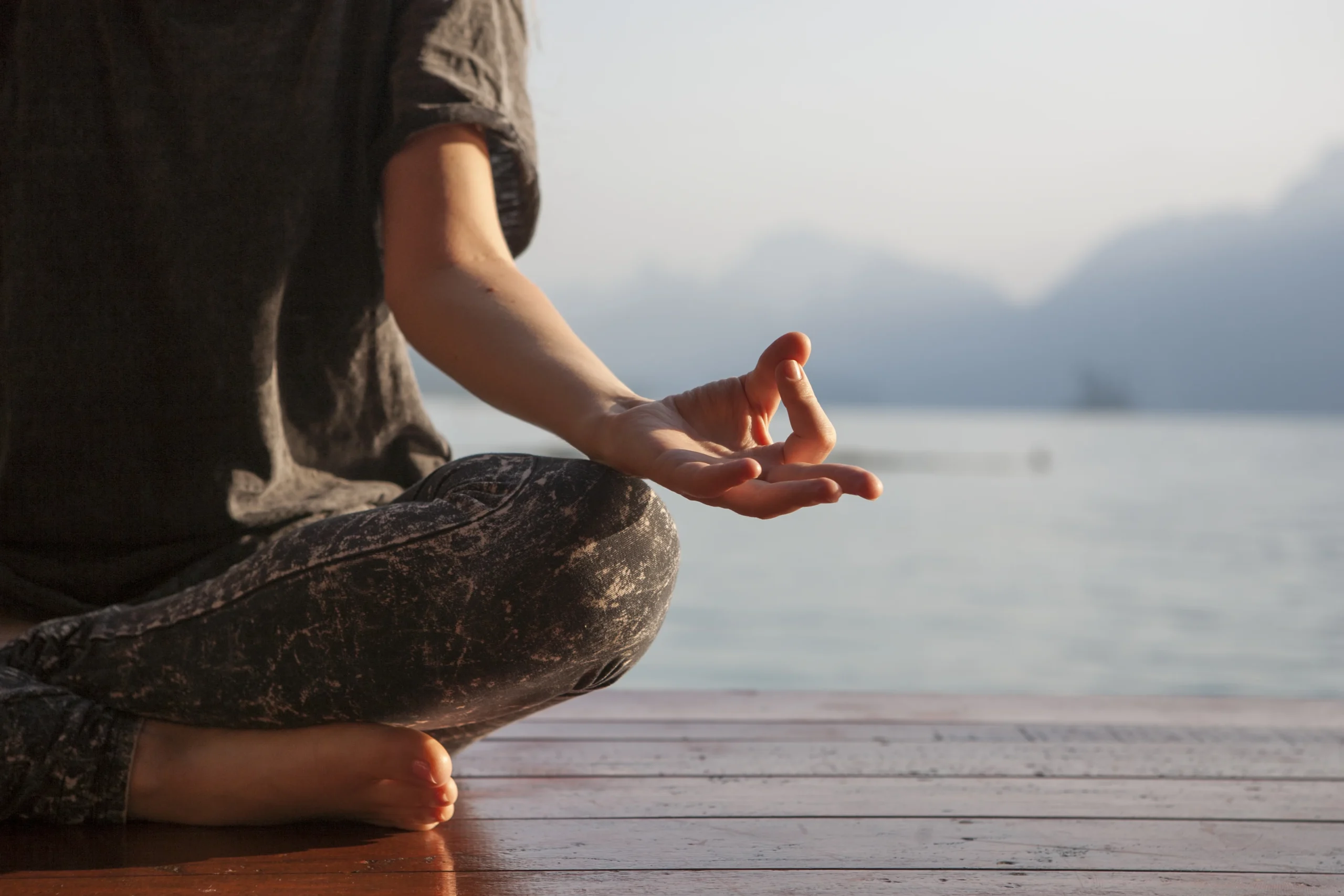
Meditation techniques are systematic methods for calming the mind, training mindfulness and reaching a state of inner composure. These practices have been used all over the world for thousands of years. Meditation has long since outgrown its purely spiritual niche. Today, it is a scientifically recognised practice for reducing stress, improving concentration and promoting general wellbeing.
In Germany, too, the topic is steadily gaining importance. Representative data show a clear trend: a considerable share of the population now uses meditation as a fixed part of their daily health care, actively counteracting psychological strain. It is practised in spiritual contexts as well as for relaxation, stress management and cultivating mindfulness.
The science behind the calm: what happens in the brain
The fact that meditation works is not imagination but measurable neurobiology. A ground-breaking study by the Max Planck Society (e.g. as part of the ReSource Project) was able to show that regular mindfulness training changes the structure of the brain for the better.
Participants who meditated over several months showed a significant increase in grey matter in brain regions responsible for memory, learning and emotional regulation. At the same time, activity decreases in the amygdala – the centre in our brain responsible for fear and stress responses. So meditation is an active workout for the brain with long-term effects.
Why different meditation techniques?
The fact that meditation works is not imagination but measurable neurobiology. A ground-breaking study by the Max Planck Society (e.g. as part of the ReSource Project) was able to show that regular mindfulness training changes the structure of the brain for the better.
Participants who meditated over several months showed a significant increase in grey matter in brain regions responsible for memory, learning and emotional regulation. At the same time, activity decreases in the amygdala – the centre in our brain responsible for fear and stress responses. So meditation is an active workout for the brain with long-term effects.
Your path to becoming a pro: meditation teacher training
Would you like to use mindfulness not just for yourself but also pass your enthusiasm on to others? Our meditation trainer course takes place online, from the comfort of your own home. If you have any questions, simply send us an email at info@mindfulife.de and start your journey.
Why are there so many different meditation techniques?
There is no single right meditation technique. Which technique works best for you depends very much on your personality and on how you are feeling on any given day.
Some people find it easy to concentrate on abstract numbers while counting their breaths. Others need a physical sensation, as in metta meditation, or visual stimuli. By trying out different methods, you avoid monotony and find exactly the practice you will enjoy in the long run. After all, only a meditation you like doing will become a lasting habit.
Here is an overview of six tried-and-tested meditation techniques:
Breathing meditation (Anapanasati)
In this classic form of concentration meditation, you direct your entire attention to the natural flow of your breath. Counting is a popular way to get started: for example, you count your out-breaths from 1 to 7. If your thoughts wander – which is completely normal – you notice this without judgement and gently return to 1.
Benefits: Improves focus, relieves acute stress and can be done anytime, anywhere, without any equipment.
Drawbacks: At first, the monotony can feel boring or frustrating when your thoughts are jumping around a lot (‘monkey mind’).
Try it straight away:
Body scan meditation
During a body scan, you move through your whole body in your mind like a spotlight, one part after another – from your toes to the crown of your head. You tune in to each region and simply notice tension, warmth or coolness without judging it.
Benefits: Promotes deep physical relaxation, releases psychosomatic blockages and strengthens body awareness.
Drawbacks: Requires a little patience and time; for people with chronic pain, focusing on the body can feel unpleasant at first.
Try it straight away:
Gratitude meditation
Gratitude can be trained like a muscle. In this technique, you deliberately focus on people, experiences or things in your life that you are grateful for. This shifts your focus away from what is missing towards what is already there.
Benefits: Releases happiness hormones straight away, demonstrably reduces negative thought loops and strengthens resilience.
Drawbacks: During severe crises or periods of grief, trying to force gratitude can initially feel blocked or artificial.
Try it straight away:
Metta meditation (loving kindness)
Metta is a practice of the heart in which you systematically send out kind wishes and compassion. You begin with yourself (‘May I be happy’) and gradually extend these wishes to loved ones, neutral people and ultimately even to people you are in conflict with.
Benefits: Demonstrably reduces resentment, anger and prejudice; strengthens the sense of social connectedness.
Drawbacks: Requires emotional openness and some effort, especially when sending kind wishes to difficult people.
Try it straight away:
Visualisation meditation
Here, your mind works with the power of inner images. For example, you imagine breathing out dark smoke (burdens, stress) and breathing in bright, pure light (energy, calm).
Benefits: Stimulates creativity and visual imagination; ideal for mentally preparing for goals (manifestation).
Drawbacks: People who find it harder to think in images may get distracted easily or build up unrealistic expectations.
Try it straight away:
Sound meditation
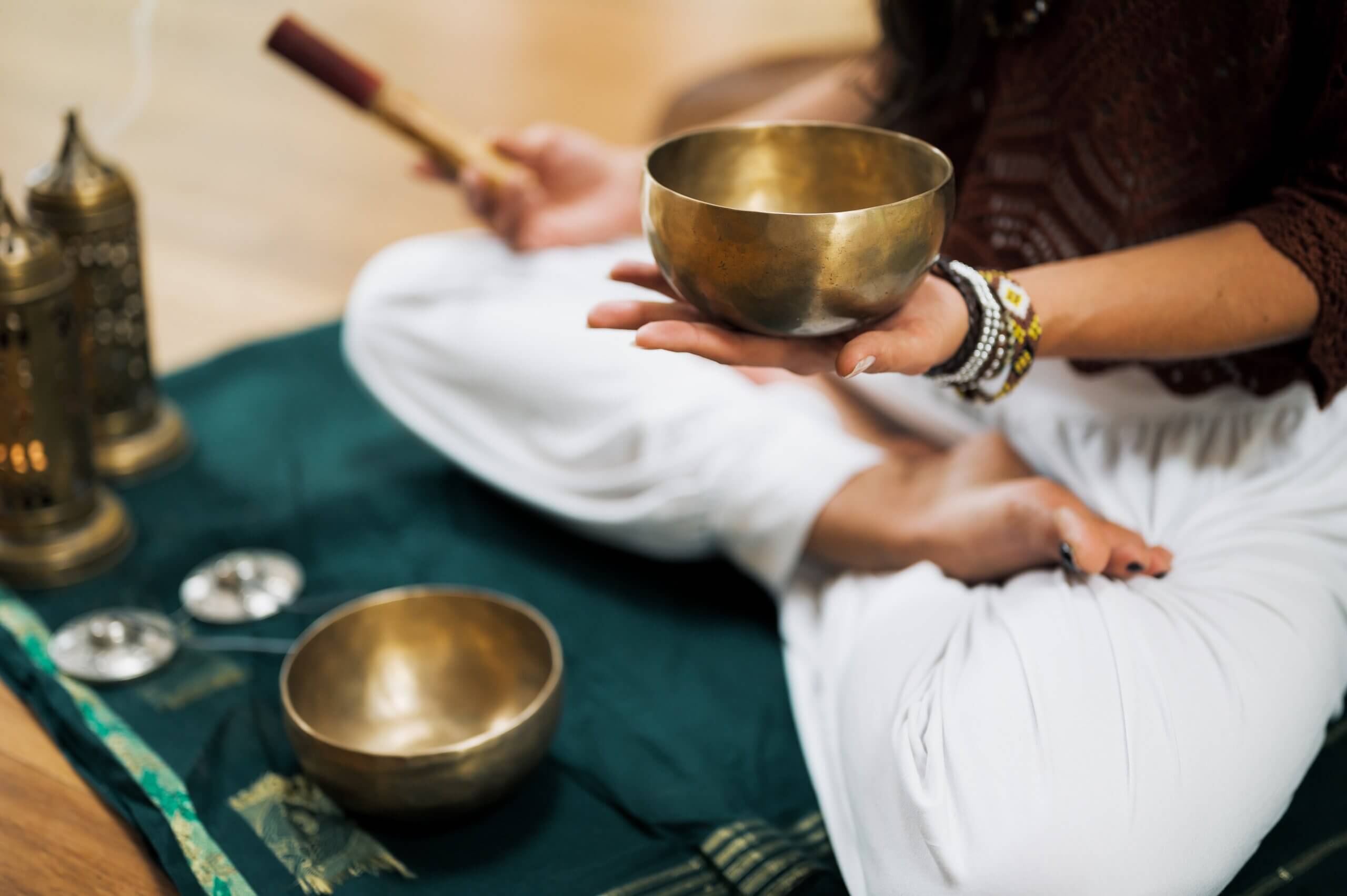
Here, the sounds of singing bowls, natural sounds or the repetition of mantras serve as an anchor for your attention. The vibrations and auditory stimuli help the brain glide more quickly into the deep frequencies of relaxation (alpha and theta waves).
Benefits: Very accessible for beginners, as the sound gently holds the mind; has a strongly harmonising effect on the nervous system.
Drawbacks: The choice of sound is extremely subjective – what calms one person can distract another. A quiet environment (or good headphones) is also essential.
Try it straight away:
Conclusion: find your routine with the right meditation techniques
Whether breath, sound or compassion: every meditation technique opens a different door to your inner peace. Give yourself the freedom to try out different meditation techniques and discover what fits your lifestyle best.
On a stressful day, a short breathing meditation might help, while on another day you may feel more at ease with a sound meditation or a body scan. Your preferred method is also allowed to change over time. Meditation does not have to look the same every day to be effective and valuable.
revised on 15/07/2026
by Annika Stark (BSc Psychology)
Deepen your meditation practice with Mindfulife
Meditation can be more than a short break in your everyday life. If you would like to understand more deeply how meditation works, how to build a steady practice of your own and how to guide others mindfully, our meditation teacher training is the next step. There you will not only get to know meditation in theory, but also develop more confidence, clarity and trust in your own practice.
Would you like to find out more about the training first? In our weekly webinar you will get an insight and learn more about what your path to becoming a meditation teacher could look like.
For regular support in your everyday life, you can also use our online meditation studio and join guided meditations flexibly via Eversports.
We look forward to accompanying you on your journey.
You can find more mindfulness inspiration on our channels too
References
https://www.resource-project.org/
https://www.discovermagazine.com/meditation-changes-your-brain-structure-in-a-good-way-47260
Goldsby TL, Goldsby ME, McWalters M, Mills PJ. Effects of Singing Bowl Sound Meditation on Mood, Tension, and Well-being: An Observational Study. J Evid Based Complementary Altern Med. 2017 Jul;22(3):401-406. https://pubmed.ncbi.nlm.nih.gov/27694559/
Lutz A, Slagter HA, Dunne JD, Davidson RJ. Attention regulation and monitoring in meditation. Trends Cogn Sci. 2008 Apr;12(4):163-9. https://pubmed.ncbi.nlm.nih.gov/18329323/
Nguyen J, Brymer E. Nature-Based Guided Imagery as an Intervention for State Anxiety. Front Psychol. 2018 Oct 2;9:1858. doi: 10.3389/fpsyg.2018.01858. PMID: 30333777; PMCID: PMC6176042.
Wood, A. M., Froh, J. J., & Geraghty, A. W. (2010). Gratitude and well-being: A review and theoretical integration. Clinical Psychology Review, 30(7), 890–905. https://doi.org/10.1016/j.cpr.2010.03.005