Breath as an Anchor: A Meditation Guide for More Calm & Serenity

 · 4 min read
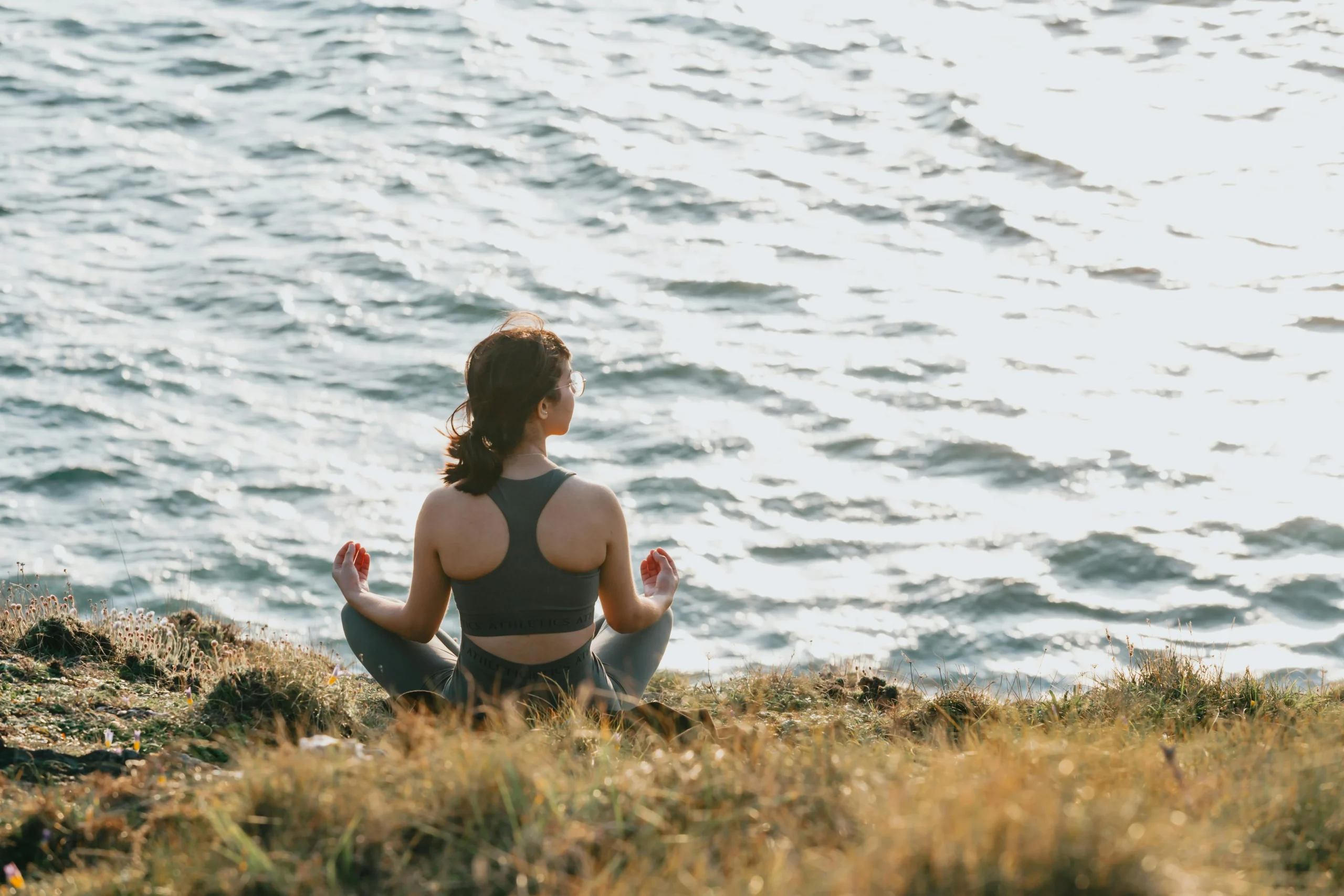
Have you ever wondered how best to sit during meditation and how you can use your breath as an anchor for more calm and serenity? That is exactly what this video is about. There is no single “right” way to sit. Which way of sitting feels good to you during meditation can vary from person to person – however, there are a few things to bear in mind that can help you improve your meditation.
Your posture should reflect the attitude of your mind. This means you should sit in a way that allows you to concentrate while still being mentally relaxed. In a good meditation posture, your back is straight, your chest is open and your pelvis is stable. This allows the breath to flow quite naturally and freely. This sitting posture also helps to calm your nervous system and can help you find a nice, even rhythm. When sitting, the body is also grounded without becoming drowsy, as might happen when lying down, for example.
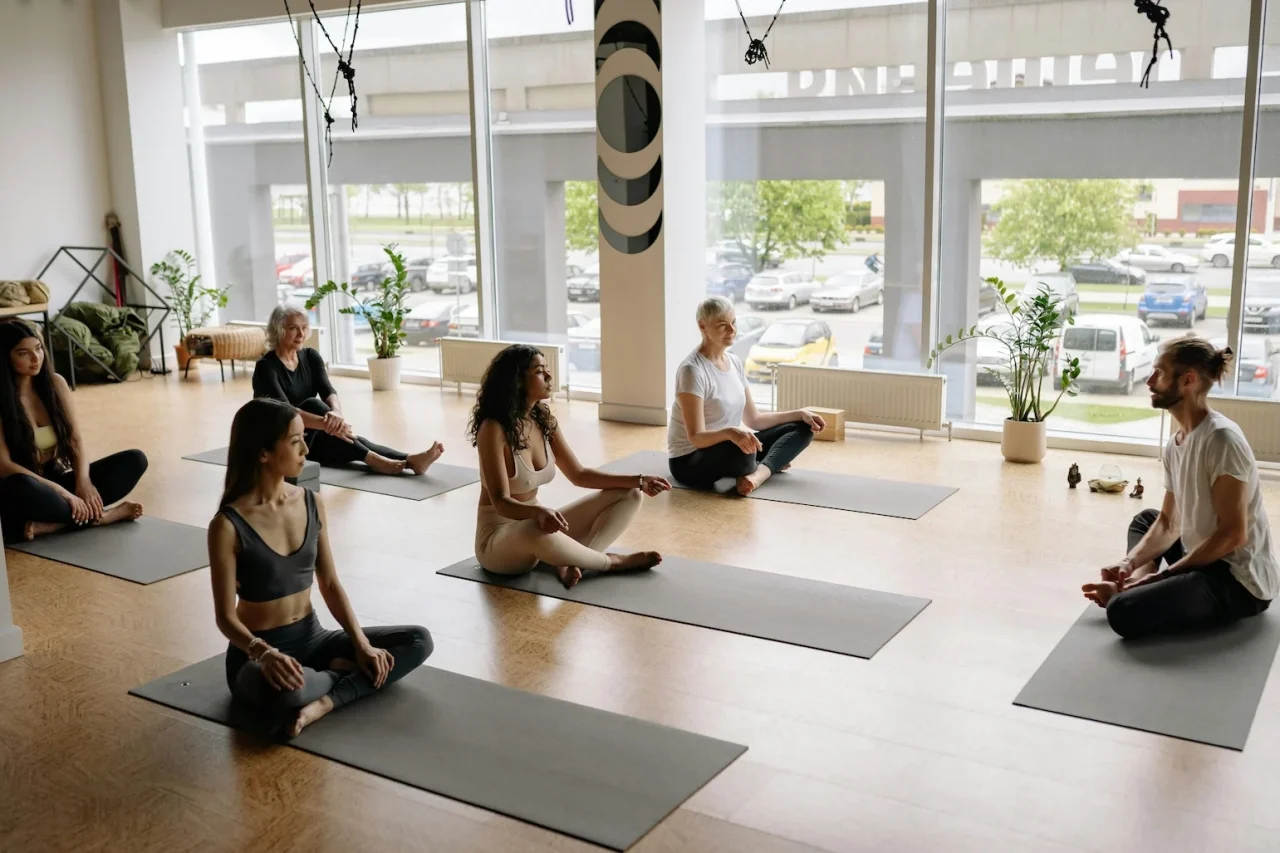
If you like, let’s try it out together.
An Invitation to Meditate
Settle into a posture that feels comfortable for you.
For the next few minutes, everything else can wait. You can turn your attention back to all those things later. You can simply be here and take part.
Feel your posture and become aware of how you are sitting right now. How is your body weight distributed? How upright is your spine? Your head can be tilted slightly; feel your face, especially your eyebrows and forehead. Allow this area to soften a little.
When we are tense, we sometimes clench our teeth. Try to relax this area too. Let your shoulders drop and become aware of your breath.
Feel the breath flowing in and out through your nose. Allow the breath to be just as it is right now and use it as an anchor you can return to again and again.
As you rest your attention on your breath, you will notice that your mind wanders and your attention ends up somewhere else. This is completely normal and natural.
Meditation is not about stopping your thoughts; the point of meditation is not to follow your thoughts wherever they go. Simply notice that your mind has wandered and let go. Come back to your breath and feel it coming and going.
Now become aware of your surroundings, the room you are in, and consciously notice the sounds around you. When you are ready, slowly open your eyes again.
A Brief Reflection on the Exercise
After the meditation, feel free to pause for a moment and reflect on how the exercise went for you. Always remember, though: meditation is not just about your sitting position. What matters more is your inner attitude, that you feel comfortable and that you don’t put pressure on yourself. Whether sitting or standing, what counts is that we stay in the moment with an open and alert attitude. Especially at the beginning, the mind may still wander a little – that is completely normal.
The breath, as a kind of anchor, is something like the perfect counterpart to your posture. It can help you to be consciously present in the here and now. While we remain in a particular sitting posture, our breath is always there. Yet it is constantly changing and offers a calm constant that we can return to even in stressful moments. By feeling the breath, we reconnect with the present moment. If distracting thoughts or feelings arise, we can simply notice them without immediately following them, and return our attention to the breath. You can think of the breath as a quiet friend who is always by your side and guides you back to the here and now.

Conclusion: Breath as an Anchor
Meditating with the breath as an anchor shows how closely posture and inner calm are connected. It is not about finding the “perfect” sitting position, but about adopting a posture in which the mind can remain open and focused. The breath serves as a steady anchor that brings us back to the here and now time and again – even when our thoughts wander. Regular practice strengthens mindfulness, serenity and self-awareness, and enables us to respond more consciously and calmly in everyday life. Ultimately, meditation is a tool for perceiving ourselves more clearly and cultivating inner peace.
Betty Schneider (BSc Psychology)
Meditate along
If you would like to deepen your meditation experience or get started straight away, you will find a wide range of guided meditations on the YouTube channel “Phil Pham”. There is also a video there (“Dein Atem als Anker” – Your Breath as an Anchor) that goes well with this article.
Deepen your meditation practice with Mindfulife
Meditation can be more than a short break in your everyday life. If you would like to understand more deeply how meditation works, how to build a steady practice of your own and how to guide others mindfully, our meditation teacher training is the next step. There you will not only get to know meditation in theory, but also develop more confidence, clarity and trust in your own practice.
Would you like to find out more about the training first? In our weekly webinar you will get an insight and learn more about what your path to becoming a meditation teacher could look like.
For regular support in your everyday life, you can also use our online meditation studio and join guided meditations flexibly via Eversports.
We look forward to accompanying you on your journey.
You can find more mindfulness inspiration on our channels too
References
Jerath, R., Crawford, M. W., Barnes, V. A., & Harden, K. (2015). Self-Regulation of Breathing as a Primary Treatment for Anxiety. Applied Psychophysiology and Biofeedback, 40(2), 107–115. https://doi.org/10.1007/s10484-015-9279-8
Kabat-Zinn, J. (2016). Sitting Meditations. Mindfulness, 7(6), 1441–1444. https://doi.org/10.1007/s12671-016-0625-6