Autumn Blues: How Can You Move Mindfully Through the Dark Season?

 · 7 min read
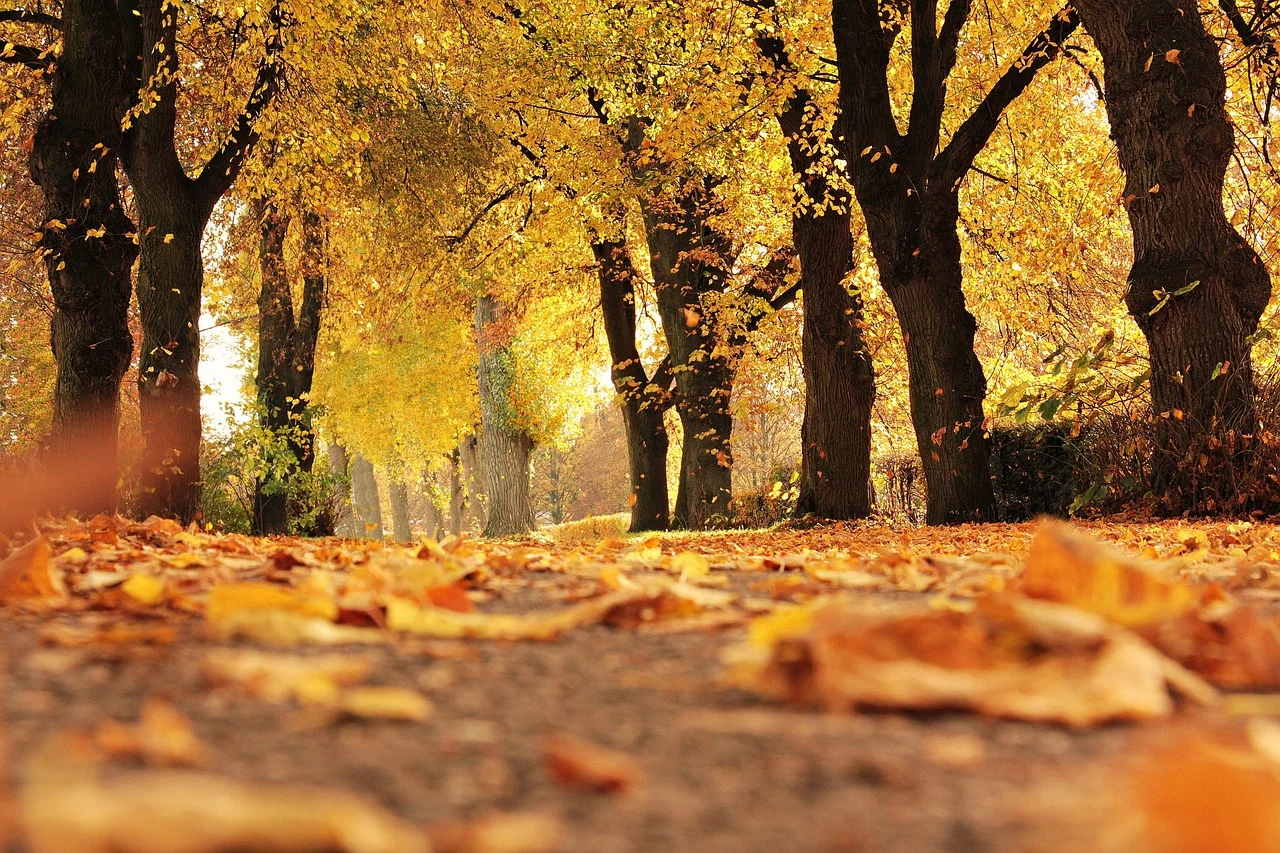
For many people, the start of autumn means colourful leaves, a hint of pumpkin spice and cosy hours while the rain taps against the windows. At the same time, though, the darker part of the year sometimes brings with it the so-called autumn blues. Here you will find out why shorter days and falling temperatures can get you down, and how mindfulness can help you get through autumn more easily.
What actually are the autumn blues?
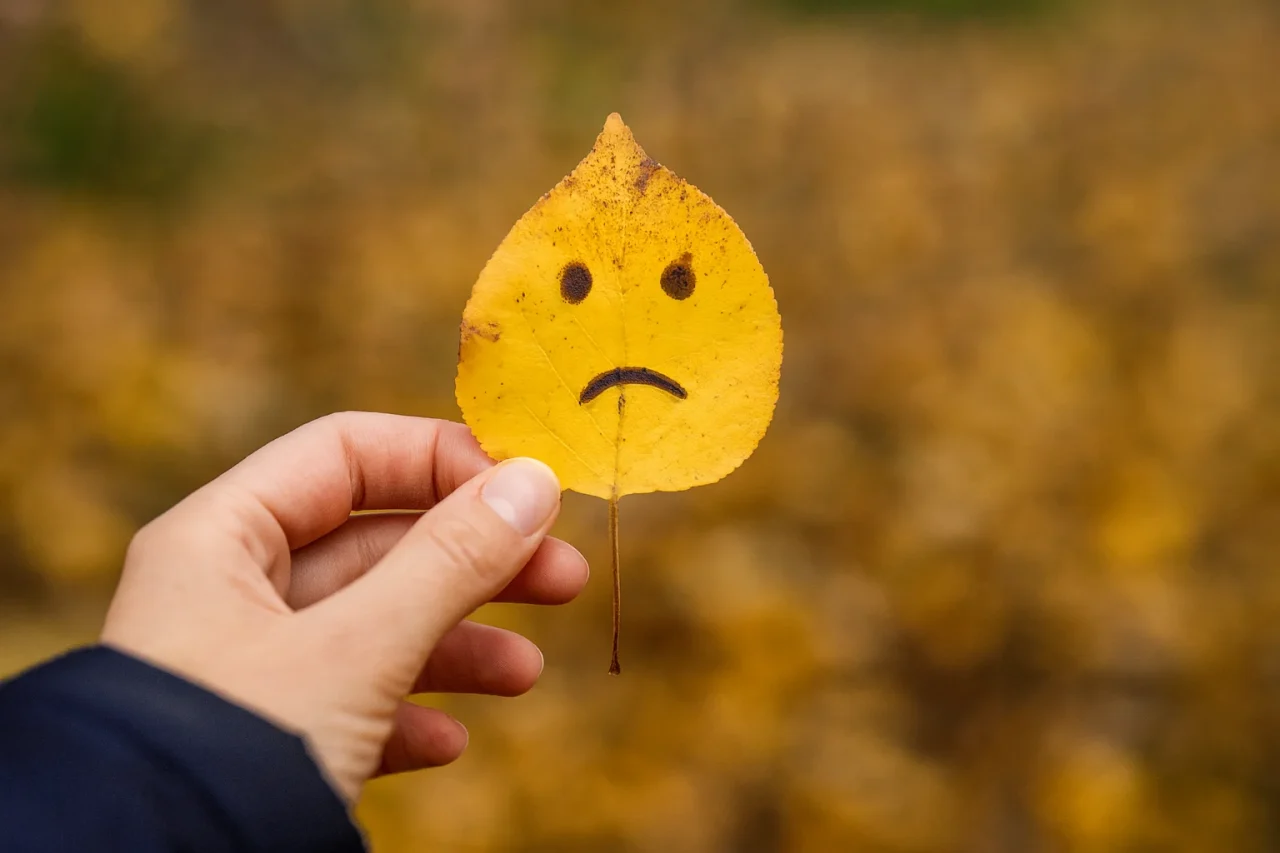
The autumn blues describe a temporary phase of low mood that occurs mainly as summer gives way to autumn. During this time, many people feel tired, unmotivated or generally weighed down. However, the term does not describe an illness, but rather a reaction of the body and mind to less sunlight, cooler temperatures and shorter days.
It is important to distinguish this from seasonal depression. While the autumn blues are usually mild and fade on their own after a few weeks, seasonal depression is a serious mental illness. Symptoms such as persistent sadness, severely reduced drive, sleep or concentration problems and a loss of enjoyment last over a longer period and should definitely be treated by a doctor or therapist (Melrose, 2015).
The autumn blues are therefore more of a seasonal dip in mood that affects many people but does not necessarily require treatment. It is worth paying mindful attention to your own needs, especially during this phase – because this way you can prevent the low mood from deepening or lasting longer.
Why does the start of autumn get so many people down?
When autumn begins, it is not only nature that changes, but also our inner balance. Less daylight means the body releases less serotonin – a messenger substance that lifts our mood. At the same time, production of melatonin, which makes us tired, increases. This interplay can leave us feeling less motivated, more exhausted and sometimes sadder too (Praschak-Rieder et al., 2008).
Alongside biological factors, psychological aspects also play a role. Saying goodbye to summer, when many people spend more time outdoors, soak up the sun and socialise, is often hard. Instead, autumn brings shorter days, colder temperatures and more time indoors. These changes can intensify a feeling of confinement or withdrawal.
Everyday life also changes with the seasons: after the summer months, school, university or work are back in full swing. Greater demands and less free time outdoors can add to the strain. Taken together, all these factors explain why the so-called autumn blues are so widespread and why they hit so many people right at the start of autumn.
What role does mindfulness play in dealing with the autumn blues?
Mindfulness means being consciously present in the moment – without judging anything or wanting to change it. This attitude can be particularly helpful with the autumn blues. Instead of fighting the low mood, you learn to notice it and to treat yourself kindly.
Studies show that regular mindfulness exercises such as meditation or conscious breathing can increase wellbeing. They help to reduce stress, regulate emotions more effectively and develop greater inner calm (Aghamohammadi et al., 2022; Calderone et al., 2024). This makes it easier to stay steady, even in the darker season.
Another benefit: mindfulness sharpens your eye for small, positive moments in everyday life.
Which mindful routines help you with the autumn blues?

In autumn especially, it is important to develop small routines that are good for body and soul. Here, mindfulness means shaping your everyday life more consciously.
- Mindful walks: Take time to consciously notice the colourful autumn leaves, the rustling under your feet or the last warm rays of sunshine. Even a short walk can lift your mood.
- Cosy rituals at home: When it is raining or stormy outside, a good book, a cup of tea or a scented candle can bring joy. Autumn decorations or looking forward to celebrations such as Halloween can also cheer you up.
- Practise gratitude: Every evening, write down three things you enjoyed about that autumn day – these can be very small moments, such as a friendly smile, a beautiful sunset or the scent of freshly fallen leaves.
- Mini meditations: Just a few minutes of conscious breathing can help bring your attention back to the present moment instead of getting lost in rumination.
By deliberately turning towards the lovely sides of autumn, you strengthen your resilience against the autumn blues – and transform the season into a time full of small, mindful bright spots.
How can you strengthen self-care in the darker season?
Self-care means consciously making time for your own needs – especially when the autumn blues are weighing on your mood. It is less about big changes and more about a mindful attitude in everyday life.
- Realistic expectations of yourself: Allow yourself to slow down when you feel tired. Not every day has to be productive.
- Setting boundaries: Say no when commitments become too much, and allow yourself breaks without feeling guilty.
- A healthy rhythm: Keep to a regular sleep-wake rhythm and try to get enough daylight during the day – ideally with short walks outdoors.
- Mindful movement: Gentle exercise such as yoga, Zumba or Nordic walking has a stabilising effect on body and mind.
- Nurture social contacts: Spend time with people who are good for you. A walk together, a phone call or a games night can bring comfort and a sense of lightness.
When you build self-care into your everyday life, you strengthen your resilience and find not only challenges in autumn, but also special moments of calm and gratitude. This way, you can meet the autumn blues with greater composure.
What role does nature play in your wellbeing in autumn?
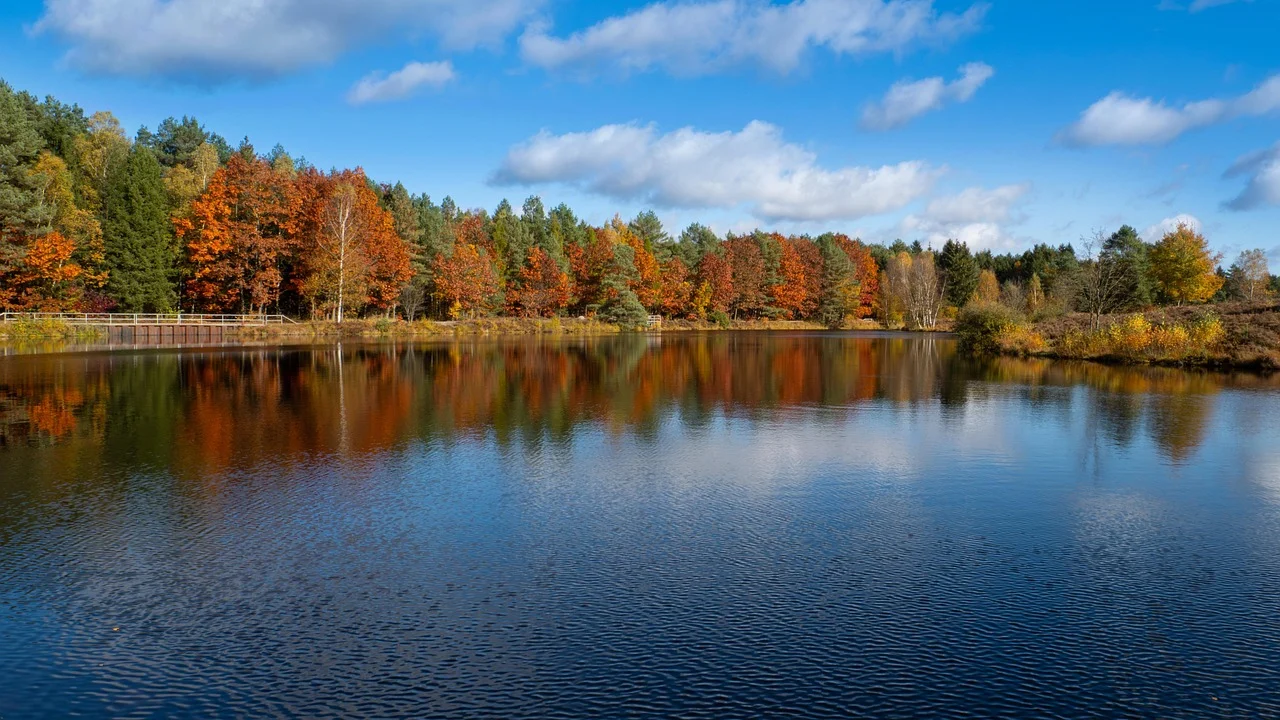
Nature can be a powerful resource when it comes to preventing or easing the autumn blues. In autumn especially, spending time outdoors gives you not only fresh air but also valuable light. Even short walks help to stabilise serotonin levels and regulate the day-night rhythm.
It is particularly effective to combine experiences in nature with mindfulness. Instead of mentally working through to-do lists while you walk, you can try to consciously take everything in: the vibrant colours of nature, the smell of damp earth, the cool air on your skin. These small sensory impressions bring you back into the moment and can act as a natural counterweight to rumination.
Scientific studies also confirm the positive effect of contact with nature on mental health. Researchers have shown, for example, that spending time regularly in green spaces can reduce the risk of depressive symptoms (Twohig-Bennett & Jones, 2018). Another study found that just 20 minutes in nature significantly lowers the stress hormone cortisol (Hunter et al., 2019). A particularly popular practice in this context is so-called ‘forest bathing’, which originated in Japan and is now gaining more and more followers in Europe too. It is not about athletic performance, but about experiencing the forest with all your senses – slowly, mindfully and without distraction.
In autumn, nature offers a special backdrop for this: colourful leaves, clear air and soft sunlight create an atmosphere that invites you to pause. By consciously taking in these moments, you can recharge your batteries, stabilise your mood and experience the season with greater composure.
Conclusion
The autumn blues may be a challenge, but they also offer an opportunity to pause and treat yourself more mindfully. If you take your body’s signals seriously, cultivate small routines and open yourself up to the positive sides of the season, you can stabilise your mood and draw new strength. In particular, combining time in nature, mindfulness and self-care helps you experience the darker autumn days not as a burden, but as an opportunity for calm, reflection and consciously lived moments. And if you notice that your low mood is lasting longer or getting worse, it is important to seek professional help – because that, too, is an act of self-care.
How do you experience the start of autumn? Do you enjoy the golden sunshine and cosy hours, or do you feel the autumn blues making themselves felt? Feel free to share your thoughts in the comments or on Instagram – we look forward to hearing from you!
Silke K. (B.Sc. Psychology)
Deepen your meditation practice with Mindfulife
Meditation can be more than a short break in your everyday life. If you would like to understand more deeply how meditation works, how to build a steady practice of your own and how to guide others mindfully, our meditation teacher training is the next step. There you will not only get to know meditation in theory, but also develop more confidence, clarity and trust in your own practice.
Would you like to find out more about the training first? In our weekly webinar you will get an insight and learn more about what your path to becoming a meditation teacher could look like.
For regular support in your everyday life, you can also use our online meditation studio and join guided meditations flexibly via Eversports.
We look forward to accompanying you on your journey.
You can find more mindfulness inspiration on our channels too
References
Aghamohammadi, F., Saed, O., Ahmadi, R., & Kharaghani, R. (2022). The effectiveness of adapted group mindfulness-based stress management program on perceived stress and emotion regulation in midwives: A randomized clinical trial. BMC Psychology, 10(1), 123. https://doi.org/10.1186/s40359-022-00823-7
Calderone, A., Latella, D., Impellizzeri, F., De Pasquale, P., Famà, F., Quartarone, A., & Calabrò, R. S. (2024). Neurobiological changes induced by mindfulness and meditation: A systematic review. Biomedicines, 12(11), 2613. https://doi.org/10.3390/biomedicines12112613
Dollish, H. K., Tsyglakova, M., & McClung, C. A. (2024). Circadian rhythms and mood disorders: Time to see the light. Neuron, 112(1), 25–40. https://doi.org/10.1016/j.neuron.2023.09.023
Hunter, M. R., Gillespie, B. W., & Chen, S. Y.-P. (2019). Urban nature experiences reduce stress in the context of daily life based on salivary biomarkers. Frontiers in Psychology, 10, 722. https://doi.org/10.3389/fpsyg.2019.00722
Melrose, S. (2015). Seasonal affective disorder: An overview of assessment and treatment approaches. Depression Research and Treatment, 2015, 1–6. https://doi.org/10.1155/2015/178564
Pjrek, E., Baldinger-Melich, P., Spies, M., Papageorgiou, K., Kasper, S., & Winkler, D. (2016). Epidemiology and socioeconomic impact of seasonal affective disorder in Austria. European Psychiatry, 32, 28–33. https://doi.org/10.1016/j.eurpsy.2015.11.001
Praschak-Rieder, N., Willeit, M., Wilson, A. A., Houle, S., & Meyer, J. H. (2008). Seasonal variation in human brain serotonin transporter binding. Archives of General Psychiatry, 65(9), 1072. https://doi.org/10.1001/archpsyc.65.9.1072
Twohig-Bennett, C., & Jones, A. (2018). The health benefits of the great outdoors: A systematic review and meta-analysis of greenspace exposure and health outcomes. Environmental Research, 166, 628–637. https://doi.org/10.1016/j.envres.2018.06.030
Winthorst, W. H., Bos, E. H., Roest, A. M., & De Jonge, P. (2020). Seasonality of mood and affect in a large general population sample. PLOS ONE, 15(9), e0239033. https://doi.org/10.1371/journal.pone.0239033