Improving Self-Esteem – Definition and Tips
Meditation can improve our self-esteem. In this article, you will learn what self-esteem actually is, how healthy self-esteem affects your life and how meditation can help to improve it.

 · 3 min read
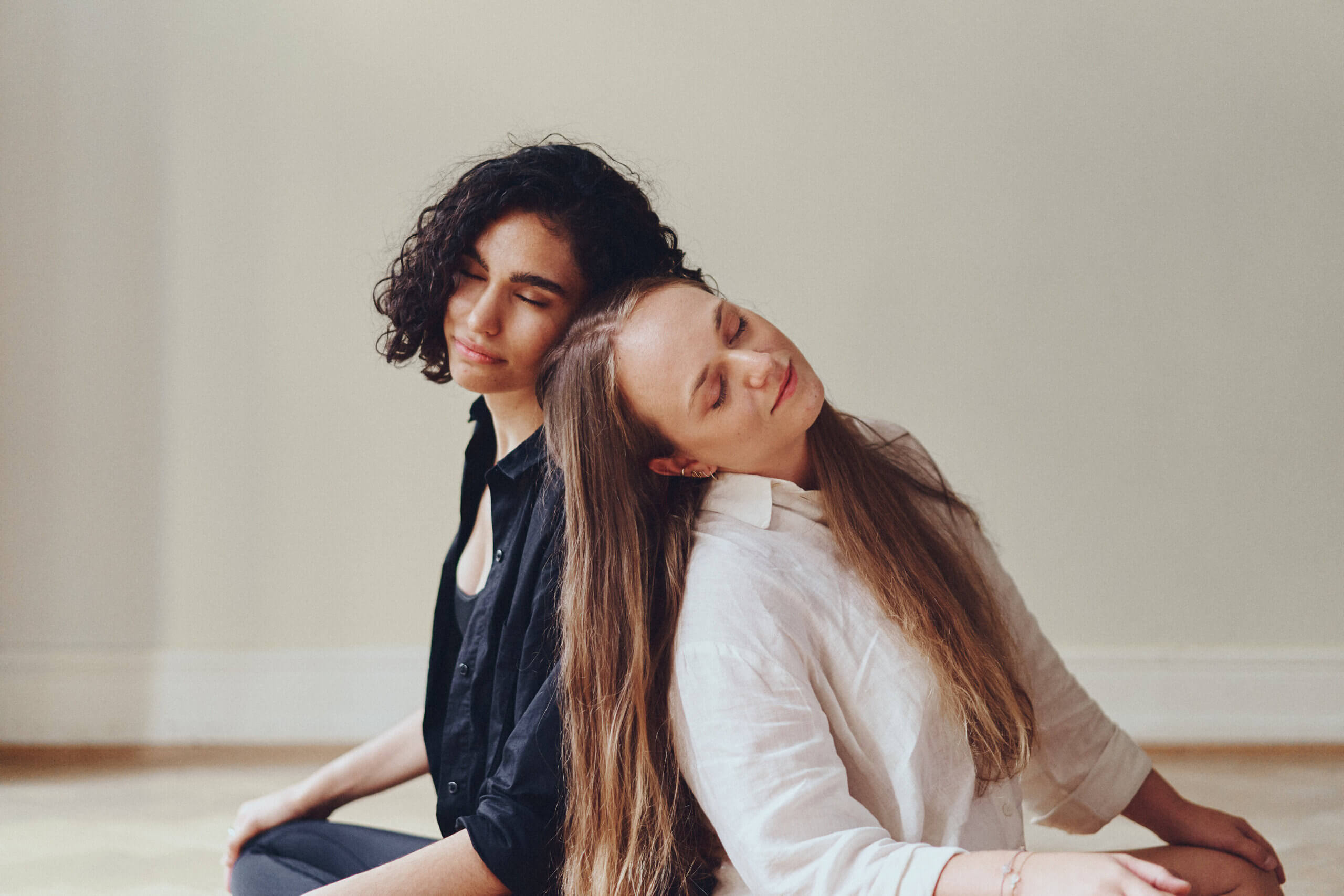
Meditation can improve our self-esteem. In this article, you will learn what self-esteem actually is, how a strong sense of self-worth affects your life and how meditation can help to improve it.
What is meant by self-esteem?
Self-esteem is the subjective assessment and evaluation of one’s own worth, abilities and personality. It refers to confidence in and satisfaction with oneself, as well as to a sense of self-acceptance and self-love. It has a significant influence on a person’s behaviour, decision-making, emotional wellbeing and interpersonal relationships. It is important to bear in mind that self-esteem is not fixed and can change over the course of a lifetime. Experiences, relationships, successes and failures can all influence and shape it.

How does self-esteem develop?
Self-esteem develops through a wide range of factors that play an important role over the course of our lives. Its development is thought to be partly genetic and partly shaped by the environment. Around 40% of our self-esteem is thought to be genetically determined, although no specific genes are responsible for this; rather, it comes down to factors such as a person’s temperament, appearance, intelligence and health. When these biological factors are strongly pronounced, the likelihood of receiving recognition, appreciation and liking from one’s social environment increases. These factors in turn have a positive effect on a person’s self-esteem.
Around 60% of self-esteem is thought to be shaped by the environment. The foundations are laid in the first six years of a person’s life. Positive and supportive relationships, for example with parents, carers or other important attachment figures, can help children to feel unconditionally loved, accepted and valued. From around the age of six, the wider social environment, such as friends, school and the community, then plays an important role. Excessive teasing, criticism and unfavourable comparisons can lead to low self-esteem.
Why is self-esteem important?
Healthy self-esteem is important for a number of reasons. For one thing, it leads to better psychological wellbeing. When we value, accept and love ourselves, we tend to experience higher levels of contentment, happiness and inner stability. It also often goes hand in hand with a high degree of self-confidence and self-assurance. People with positive self-esteem are more likely to have the courage to pursue their goals, take risks and face challenges. It also influences the nature and quality of our relationships with other people. When we respect and love ourselves, we tend to set healthier boundaries, feel at ease in relationships and enter into relationships as equals.
Self-esteem can also affect our performance and success, both in our private and our professional lives. By believing in our abilities and our potential, we are more motivated and better able to take on challenges, develop further and achieve our goals. It can also make us more resilient to stress. When we value ourselves and do not make our self-esteem dependent on external circumstances, we are better able to cope with stressful situations and recover from them more quickly.

How can meditation improve self-esteem?
Meditation can help to improve self-esteem in a number of ways. For one thing, meditation fosters the ability to accept ourselves and to practise self-compassion. By lovingly accepting ourselves and treating ourselves with compassion, we can free ourselves from self-doubt and negative self-judgements. Meditation also helps to reduce stress. By reducing stress and feelings of anxiety, self-esteem can be strengthened, as we feel less overwhelmed by negative emotions and create more space for positive thoughts and feelings in everyday life.
Furthermore, meditation cultivates mindfulness of our thoughts, feelings and bodily sensations, as well as of the present moment. Greater mindfulness of our inner world allows us to become aware of our own thought patterns and inner critic. Through self-reflection, we can recognise negative thought patterns that undermine our self-esteem and transform them into positive core beliefs about ourselves. Mindfulness of the present moment can lead to greater gratitude. By focusing on the positive things in our lives and becoming aware of the small joys, we can strengthen our self-esteem and remind ourselves that we are valuable.
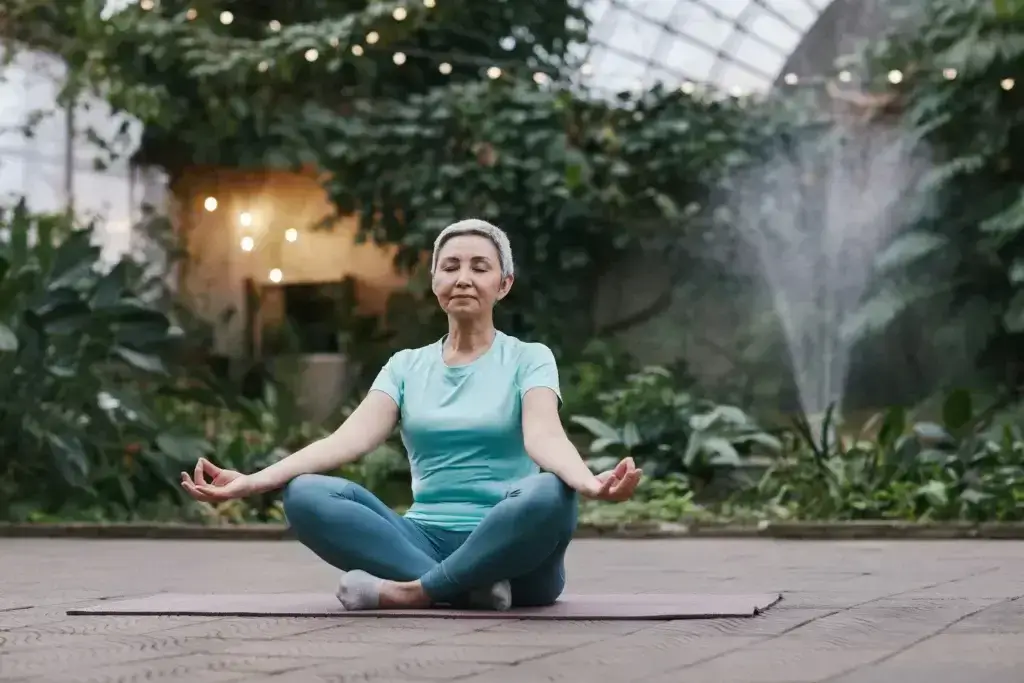
You now know what is meant by the term self-esteem and how meditation can help to improve it. Meditation also has numerous other benefits – for example, practising meditation can lead to improved mental health. Click here to read our article on “What are the benefits of meditation?”.
Deepen your meditation practice with Mindfulife
Meditation can be more than a short break in your everyday life. If you would like to understand more deeply how meditation works, how to build a steady practice of your own and how to guide others mindfully, our meditation teacher training is the next step. There you will not only get to know meditation in theory, but also develop more confidence, clarity and trust in your own practice.
Would you like to find out more about the training first? In our weekly webinar you will get an insight and learn more about what your path to becoming a meditation teacher could look like.
For regular support in your everyday life, you can also use our online meditation studio and join guided meditations flexibly via Eversports.
We look forward to accompanying you on your journey.
You can find more mindfulness inspiration on our channels too
References
Oberberg Kliniken. (o. J.). Wie kann ich mein Selbstwertgefühl steigern? Blog: Eltern, Kinder und Jugendliche. https://www.oberbergkliniken.de/artikel/selbstwertgefuehl-steigern
Stangl, W. (o. J.). Selbstwertgefühl. Stangl. https://lexikon.stangl.eu/627/selbstwertgefuehl
Wirtz, M. A. (o. J.). Selbstwert. In Dorsch – Lexikon der Psychologie. Hogrefe. https://dorsch.hogrefe.com/stichwort/selbstwert