Tea ceremony: how can it help you become more mindful?
A hot cup of tea - an everyday thing for most people, especially now in the colder months. In many cultures, however, tea is not just drunk, it is truly celebrated: in so-called tea ceremonies. Find out here what they are and how you can take part.

 · 9 min read
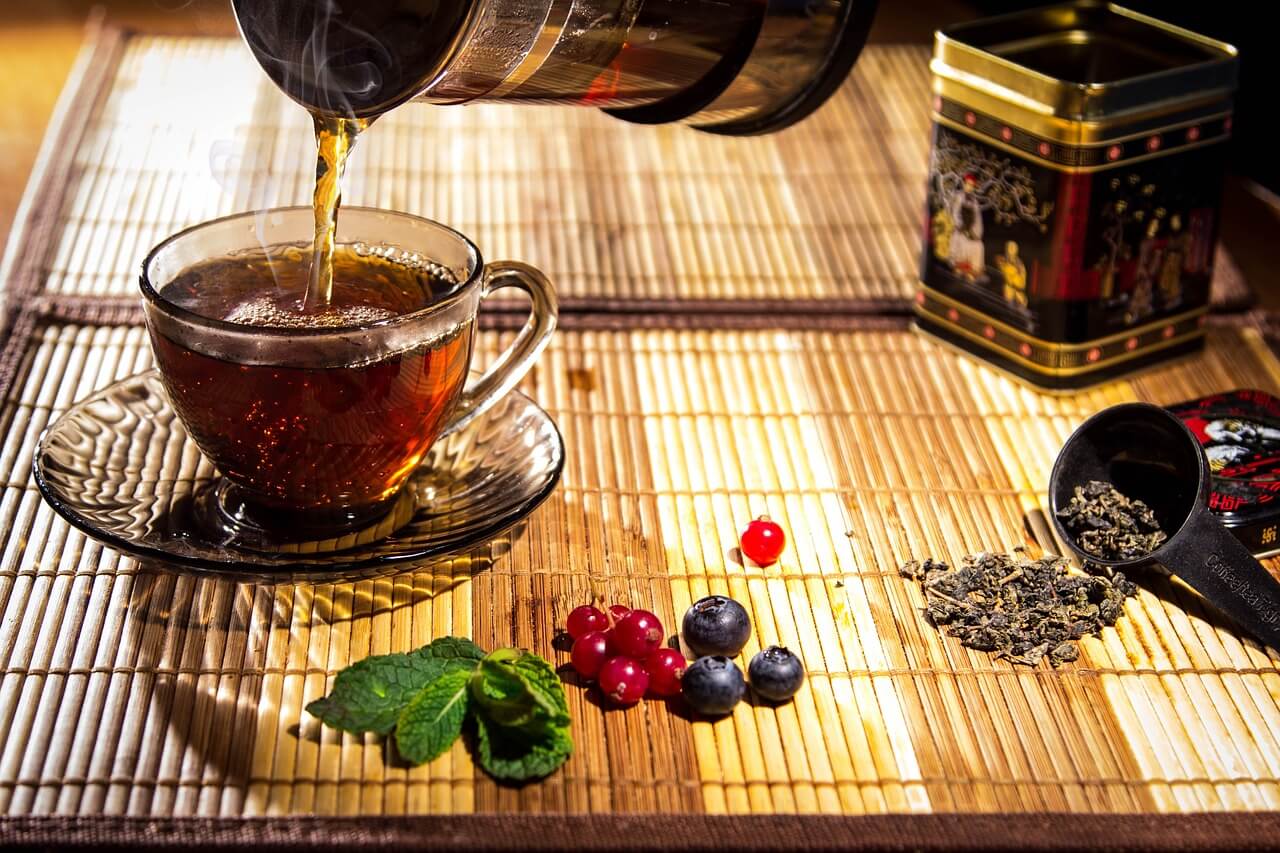
In a world full of appointments, notifications and constant availability, many people find it hard to truly arrive in the moment. This is exactly where a tea ceremony can help. It is far more than simply drinking tea – it is a conscious ritual that encourages calm, presence and mindfulness. Just a few minutes can be enough to slow down your day and reconnect with yourself.
Current research shows that mindful rituals can reduce stress and strengthen emotional wellbeing (Kiken et al., 2015). Regular mindfulness practice in particular helps you notice your thoughts more consciously and develop a sense of inner calm. A tea ceremony offers a simple, practical way to get started.
What exactly is a tea ceremony?
In short, it means serving and drinking tea according to a clear sequence. This usually takes place in the presence of the host. However, a tea ceremony is not just about drinking the tea. Rather, a tea ceremony is about consciously taking time to enjoy the tea.
You could even go so far as to call the tea ceremony the true art of drinking tea. The culture of each country, its society and certain routines and preferences for tea all shape a country’s tea ceremony. The sequence and duration depend on many factors: Where does the tea ceremony take place? Who leads the tea ceremony, and is there any talking? And last but not least, how many people take part in the tea ceremony? A tea ceremony with only a few participants usually takes less time than one with more people.
Why does a tea ceremony have a calming effect?
Many people go through their daily lives on ‘autopilot’. Their thoughts circle around the past or the future, while the present moment barely registers. This is exactly where mindfulness comes in. A tea ceremony engages several senses at once. The aroma of the tea, the warmth in your hands and the calm movements help your nervous system to regulate itself. Researchers have shown that mindful rituals can reduce stress responses in the body and improve emotional regulation (Tang et al., 2015).
Repetition is particularly effective here. When you regularly build small rituals into your everyday life, a sense of stability and inner calm develops. The following section takes you on a short journey through different tea cultures:
Tea culture in East Frisia
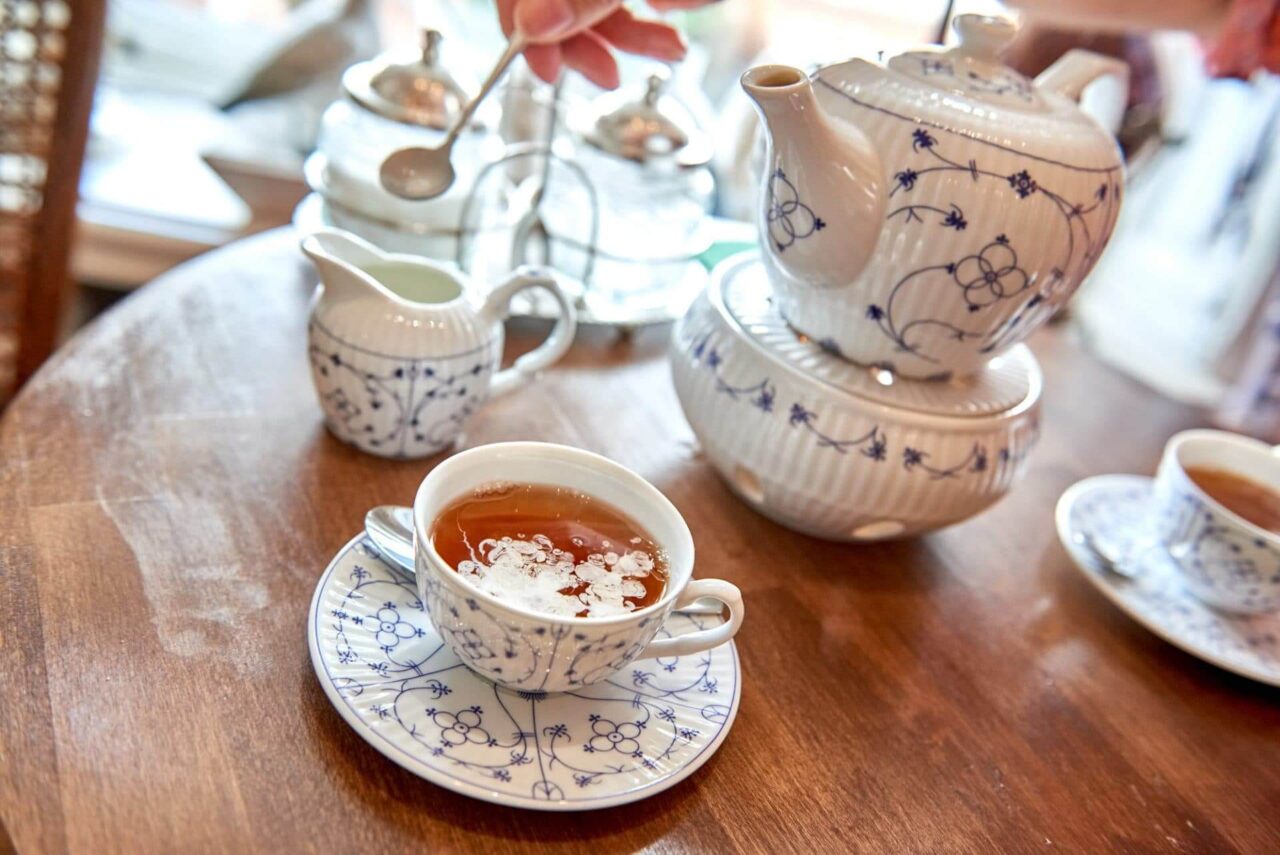
In northern Germany, or more precisely in East Frisia, the tea ceremony is widespread. Several times a day, a traditional black tea is served in this region. It is refined with a piece of rock sugar and a dash of cream. This tea ceremony brings families and friends together to chat over a cup of tea. Especially on the typically rainy days, which unfortunately are all too common in northern Germany, a cup of tea can be truly invigorating.
Tea culture in Morocco
Maghrebi tea culture is practised especially in the countries of North Africa. The tea consists mostly of fresh mint, over which boiling water is poured to release its distinctive aroma. Tea plays a special role in Moroccan culture. It is often served at family celebrations such as birthdays or weddings, but it is also enjoyed at home. The tea is served and drunk both in the hot summer months and in winter.

Tea culture in Russia
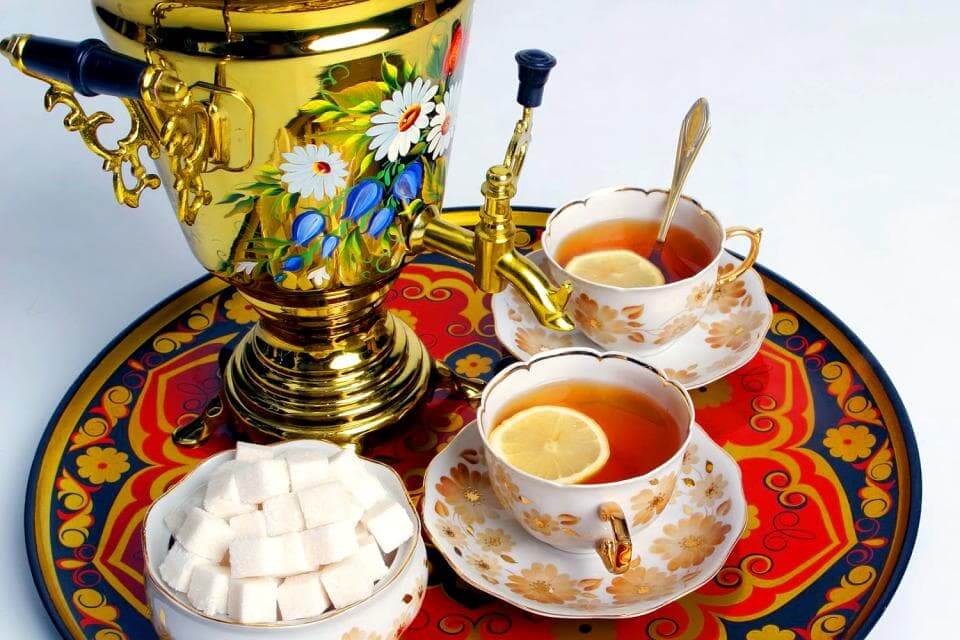
The tea ceremony is also widespread in Russia, and not only because of its geographical proximity to China. Especially in the colder regions, it brings the family together, and people fortify themselves with a warming cup of tea.
The majority of Russia’s population drinks at least one cup of tea a day. It is usually prepared by the woman of the house and enjoyed together with the family – mostly outdoors or on the balcony. It is accompanied by Russian preserves, sugar or honey and a slice of lemon for flavour.
Tea culture in China
Perhaps China is the first country that comes to mind when you think of tea. It is one of the largest tea-growing regions in the world. This is due not least to the country’s ideal climatic and geographical conditions.
Tea plays a very important role in China. Sources show that as early as 221 BC it was common to grow and dry tea leaves and then enjoy them brewed with hot water. At that time, however, drinking tea was not purely about enjoyment; rather, the tea was meant to protect the body from illness and support it in the event of sickness. Today, too, tea in China is not only drunk regularly but also given as a gift at weddings, engagement celebrations and birthdays.
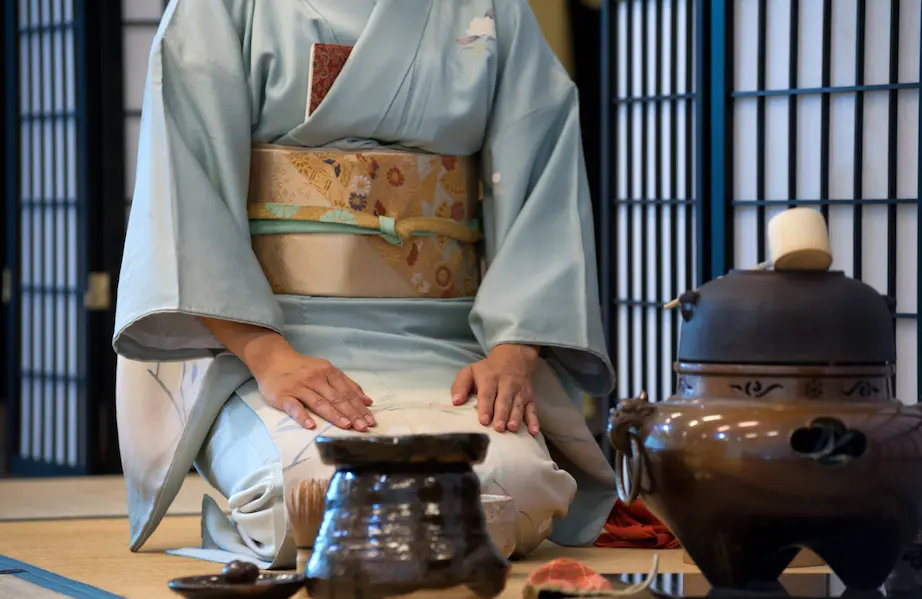
How a traditional Chinese tea ceremony unfolds
Probably the best-known and most widespread Chinese tea ceremony is called Gong Fu Cha. It can be translated as: “achieving a goal with particular care through patient and persistent work”.
A few utensils are needed for the tea ceremony: a teapot, a cup or a whole tea set, and a way of serving the tea – either at a table or on a tray if the tea is taken on the floor. You will also need a kettle, a bowl or flat plate holding the different types of tea, a strainer for the loose tea, a teaspoon for stirring and, if needed, a so-called tea towel for wiping away drops of water. If you like, you can add a lump of sugar or a slice of lemon, although this is rather rare in the Chinese tea ceremony. Occasionally, a singing bowl is also used.
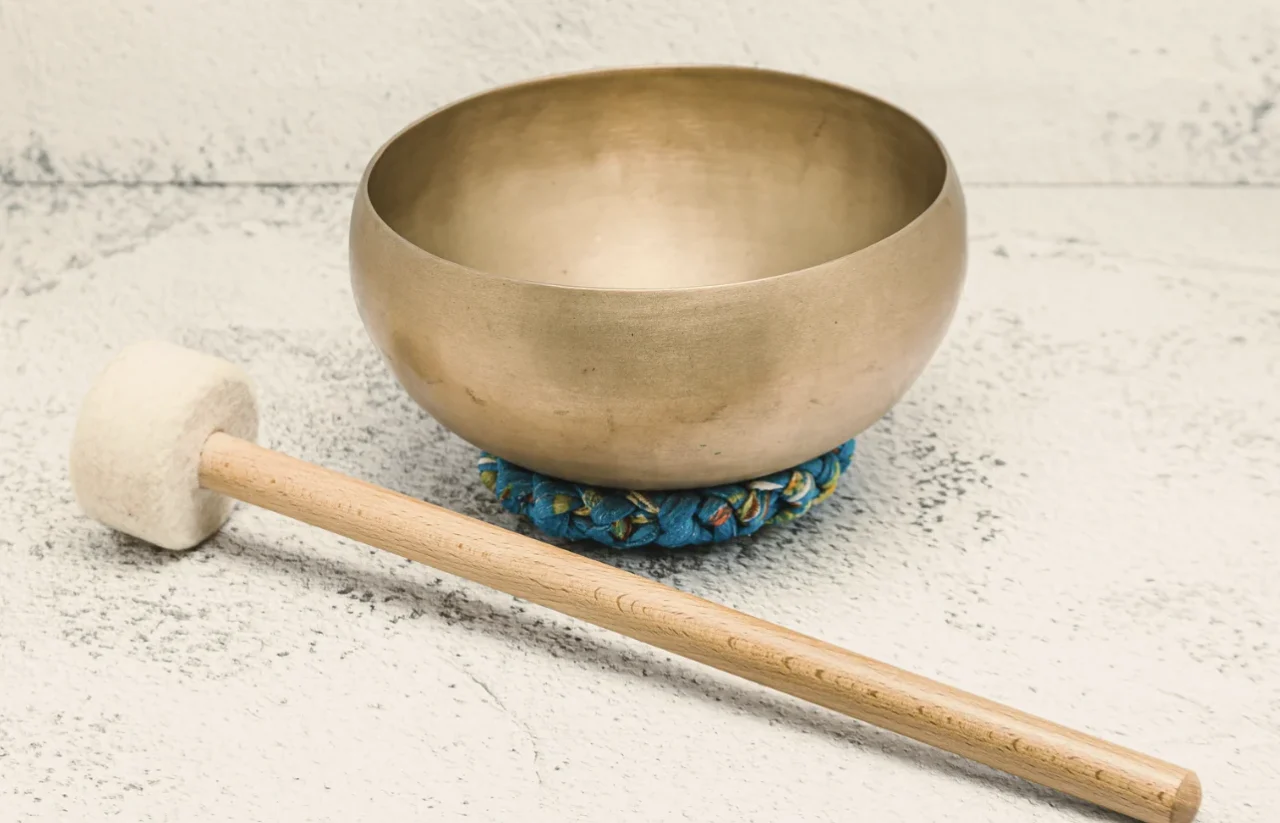
Once the guests have been welcomed, everyone takes their place at the site of the tea ceremony. In Chinese culture, this is usually done on the floor. The exact sequence is not set in stone and does not have to be followed strictly. How the tea ceremony is carried out depends on the host.
Unlike other common tea ceremonies, Gong Fu Cha involves tasting different types of tea one after another. In Chinese tea culture there are six types of tea in total. These include white tea, yellow tea, green tea, black tea, flower tea and fermented tea, which is further divided into semi-fermented and post-fermented tea. The types of tea differ not only in taste but also in their effects on the human body. If you would like to learn more about the different effects of tea, have a look at our blog post on mindfulness and tea.
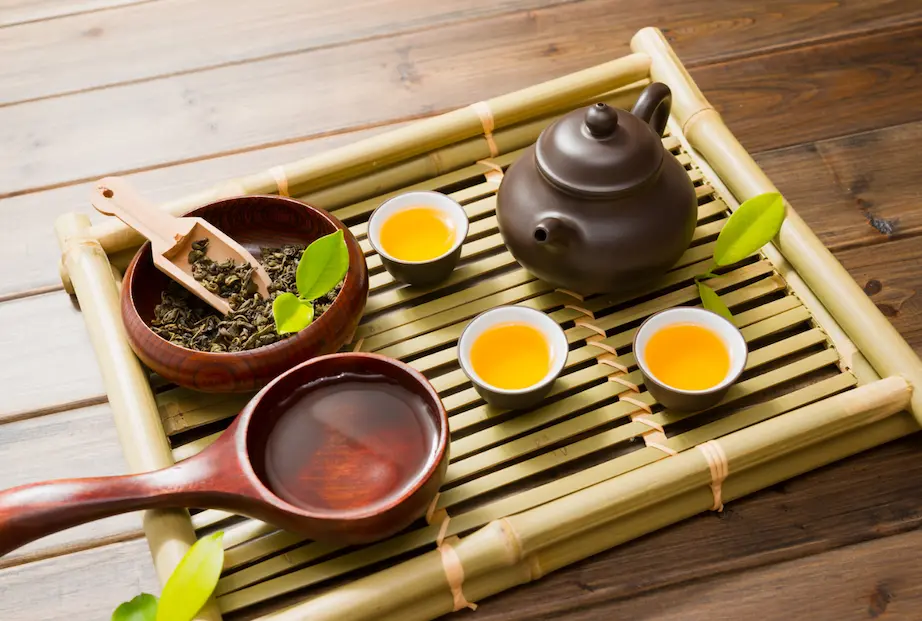
First, the teacups are warmed. The first infusion takes place as soon as the water is hot. The loose tea leaves or flowers are placed in a cup or bowl and boiling water is poured over them. You might think this infusion is now handed to the guests to drink – but you would be wrong. The first infusion usually serves to rinse the leaves and get rid of the bitter taste.
Once this important step is complete, the second infusion follows. The teacups are filled and handed to the guests. Yet it is not just about drinking the tea; rather, all the senses play an important role. With our eyes, we see the colour of the tea, or rather of the water, and how it slowly changes colour. With our nose, we can take in the scent of the tea.
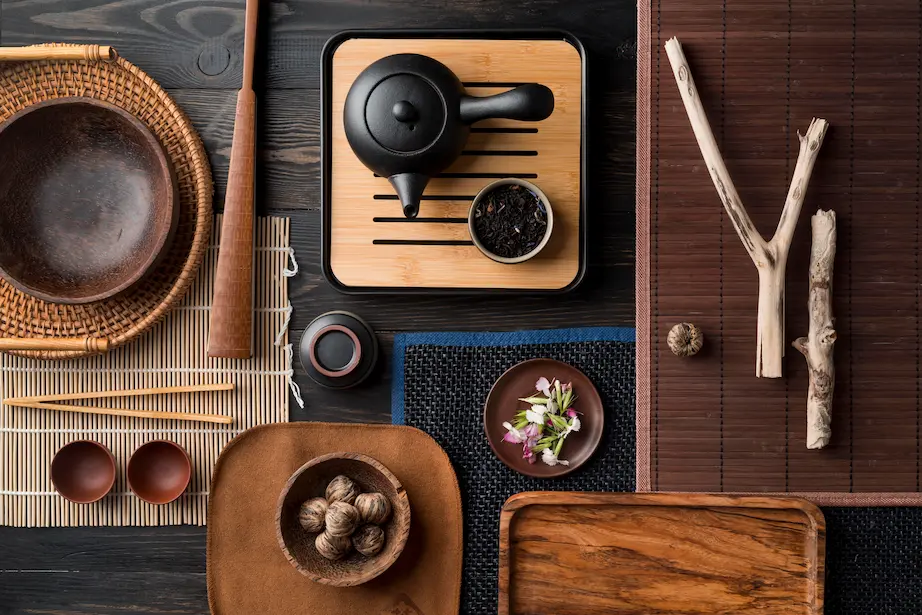
This also raises the question of what exactly we can smell. Do we smell a pleasant, refreshing breeze from the tea, or rather some bitter notes? What do our surroundings smell like, and how does this influence our perception? How do our surroundings feel? What do I notice when I sit on the floor or on a chair? How does my body feel? And last but not least: the warmth of the teacup. How does the warmth feel in my hand? Is it pleasant?
With our ears, we can pay attention to our surroundings. What kind of environment am I in, and what sounds can I hear? Can I still hear the kettle? Are we listening to the quiet conversations of the people sitting next to us? Is the host perhaps telling us something about the tea? But taste may well play the most important role for those taking part in the tea ceremony: What does the tea taste like? Sweet? Bitter? Tart? Or perhaps even a little grassy? The tea ceremony is never just about drinking tea – it is always a combination of different senses and sensory perceptions. In the end, all these experiences and perceptions are what define the tea ceremony and make it an unforgettable experience.
The infusions are repeated several times in total, usually up to seven or eight times, but there can be more than fifteen. So one thing is essential: time. A tea ceremony must never turn into a rush against the clock. The time should be taken consciously and planned for. Depending on where the host holds the traditional tea ceremony, a short walk between the individual infusions may be possible.
Many tea ceremonies are held in so-called Chinese gardens. The tea ceremony then takes place in a teahouse built especially for this purpose. The natural surroundings of the teahouse feature a variety of plants and herbs, mostly from Asia or China. A walk in the fresh air in particular can offer a short break. This is very pleasant because, as described above, many impressions act on the body when you take part in a traditional Chinese tea ceremony.
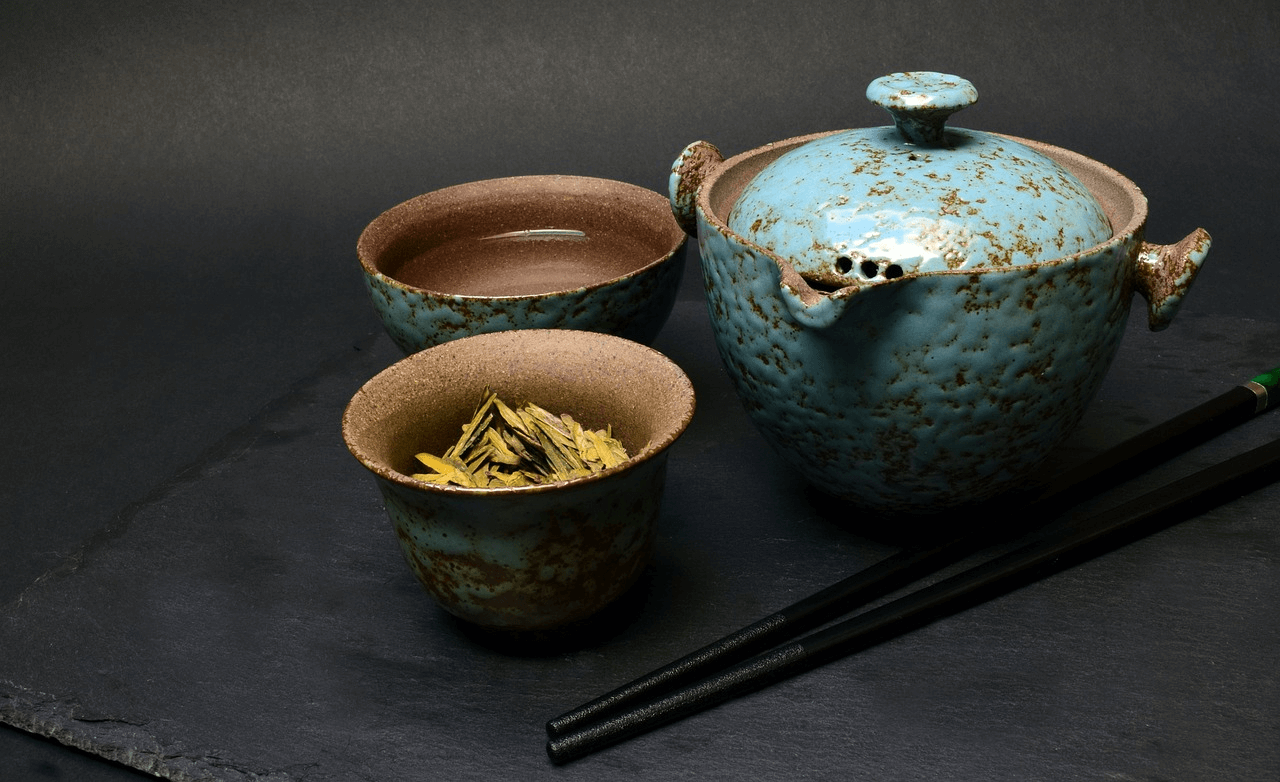
If you are now curious about a Chinese tea ceremony, there is good news for you! To take part in a traditional Chinese tea ceremony, you do not necessarily have to travel all the way to Asia. Many larger cities in Germany and other European countries offer tea ceremonies locally. So you too can enjoy this unique experience.
Tea ceremony, rituals and mindfulness – why do they go together?
Many people use mindful rituals specifically to cope with stress. In fact, studies show that regular mindfulness exercises can reduce the experience of stress and strengthen mental health (Grossman et al., 2004).
A tea ceremony can help you to:
- create conscious breaks
- notice inner restlessness
- slow down
- shift your focus to the present moment
The combination of ritual and repetition is particularly helpful. Over time, your body learns to associate these moments with relaxation. Rituals provide structure and security. Especially during stressful phases of life, small conscious habits can have a stabilising effect. Psychological research shows that rituals can reduce emotional strain and strengthen a sense of control (Hobson et al., 2018). Rituals do not have to be complicated. Often, just a few minutes of conscious attention are enough.
The greatest strength of a tea ceremony often lies in its simplicity. It reminds you that mindfulness does not have to be complicated. Even small conscious moments can make a difference. Perhaps it is less about achieving perfect inner peace. Rather, you can learn to give yourself time and attention on a regular basis. In this way, a cup of tea can become a symbol of slowing down, self-care and presence.
Conclusion: how does a tea ceremony help you become more mindful?
A tea ceremony is far more than a relaxing ritual. It can help you live more consciously, reduce stress and build small moments of calm into your everyday life.
In a fast-paced world especially, mindful breaks like these are valuable. You do not need to invest a lot of time or learn complicated techniques. Often, a warm cup of tea and the willingness to be fully present for a moment are all it takes.
When you regularly cultivate small rituals, you strengthen not only your mindfulness but also your connection with yourself.
Thomas M. (Business Psychologist BSc/MBA)
Deepen your meditation practice with Mindfulife
Meditation can be more than a short break in your everyday life. If you would like to understand more deeply how meditation works, how to build a steady practice of your own and how to guide others mindfully, our meditation teacher training is the next step. There you will not only get to know meditation in theory, but also develop more confidence, clarity and trust in your own practice.
Would you like to find out more about the training first? In our weekly webinar you will get an insight and learn more about what your path to becoming a meditation teacher could look like.
For regular support in your everyday life, you can also use our online meditation studio and join guided meditations flexibly via Eversports.
We look forward to accompanying you on your journey.
You can find more mindfulness inspiration on our channels too
References
Grossman, P., Niemann, L., Schmidt, S., & Walach, H. (2004). Mindfulness-based stress reduction and health benefits: A meta-analysis. Journal of Psychosomatic Research, 57(1), 35–43. https://doi.org/10.1016/S0022-3999(03)00573-7
Hobson, N. M., Schroeder, J., Risen, J. L., Xygalatas, D., & Inzlicht, M. (2018). The psychology of rituals: An integrative review and process-based framework. Personality and Social Psychology Review, 22(3), 260–284. https://doi.org/10.1177/1088868317734944
Kiken, L. G., Garland, E. L., Bluth, K., Palsson, O. S., & Gaylord, S. A. (2015). From a state to a trait: Trajectories of state mindfulness in meditation during intervention predict changes in trait mindfulness. Personality and Individual Differences, 81, 41–46. https://doi.org/10.1016/j.paid.2014.12.044
Tang, Y.-Y., Hölzel, B. K., & Posner, M. I. (2015). The neuroscience of mindfulness meditation. Nature Reviews Neuroscience, 16(4), 213–225. https://doi.org/10.1038/nrn3916