Can We Find Our Way to Ourselves Through Our Body? – with Raphael Kempermann

 · 5 min read
A queasy feeling in the stomach, a racing heart or shallow breathing – our body often reacts before we can put into words what we are feeling. It doesn’t just reflect our feelings, though; it also plays an important role in how we experience emotions and process experiences.
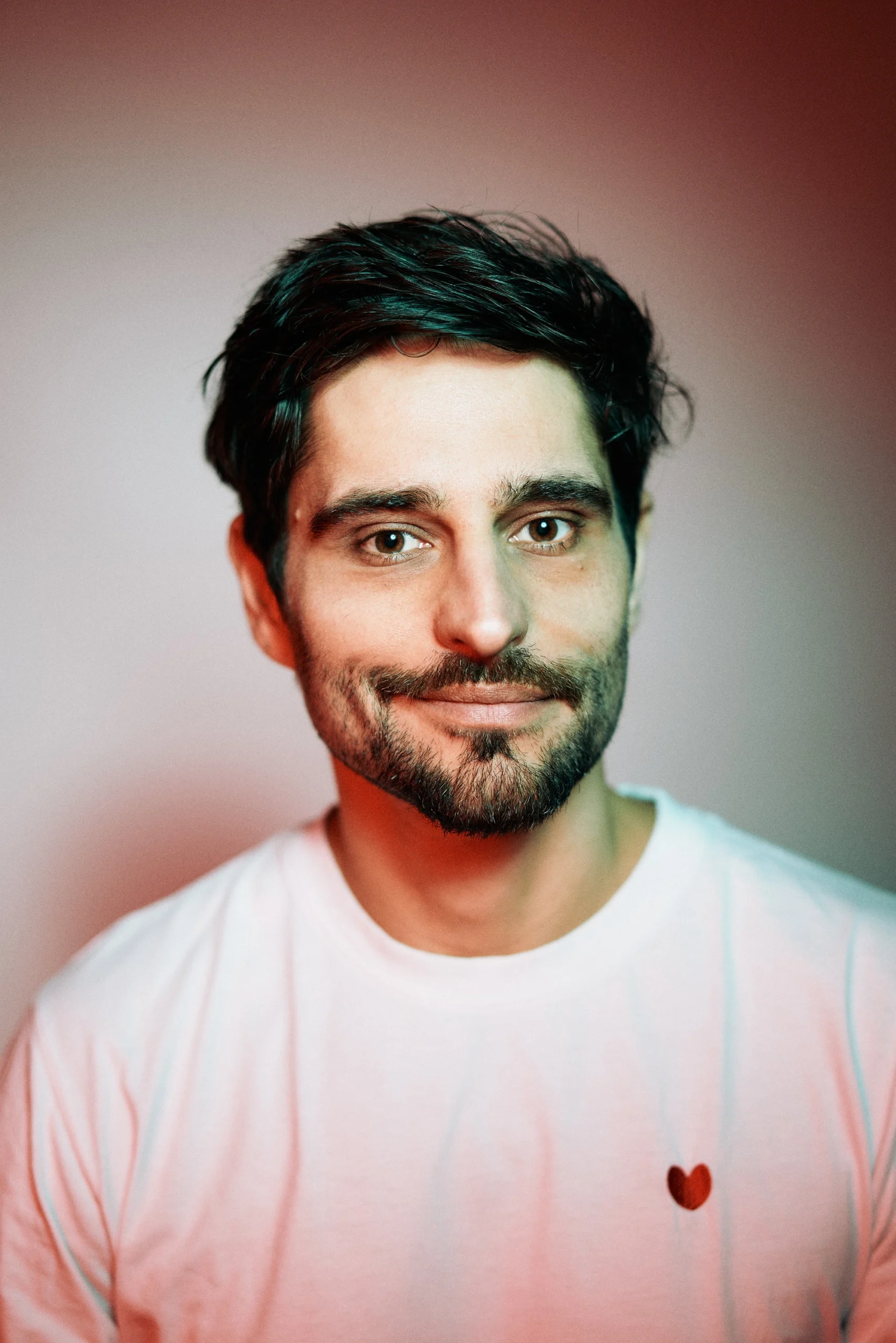
The story of Raphael Kempermann shows how significant working with your own body can be for personal development. After losing his father as a teenager, he set out on a journey that eventually led him to meditation, bodywork and spirituality. Today he works in this field as a workshop leader, author and meditation producer. On his YouTube channel Chakratunes, he also accompanies many people with his meditations. Talking to Raphael, it becomes clear that not only words, but also movement, touch and the conscious experience of our own body can open up new ways of engaging with our feelings and experiences.
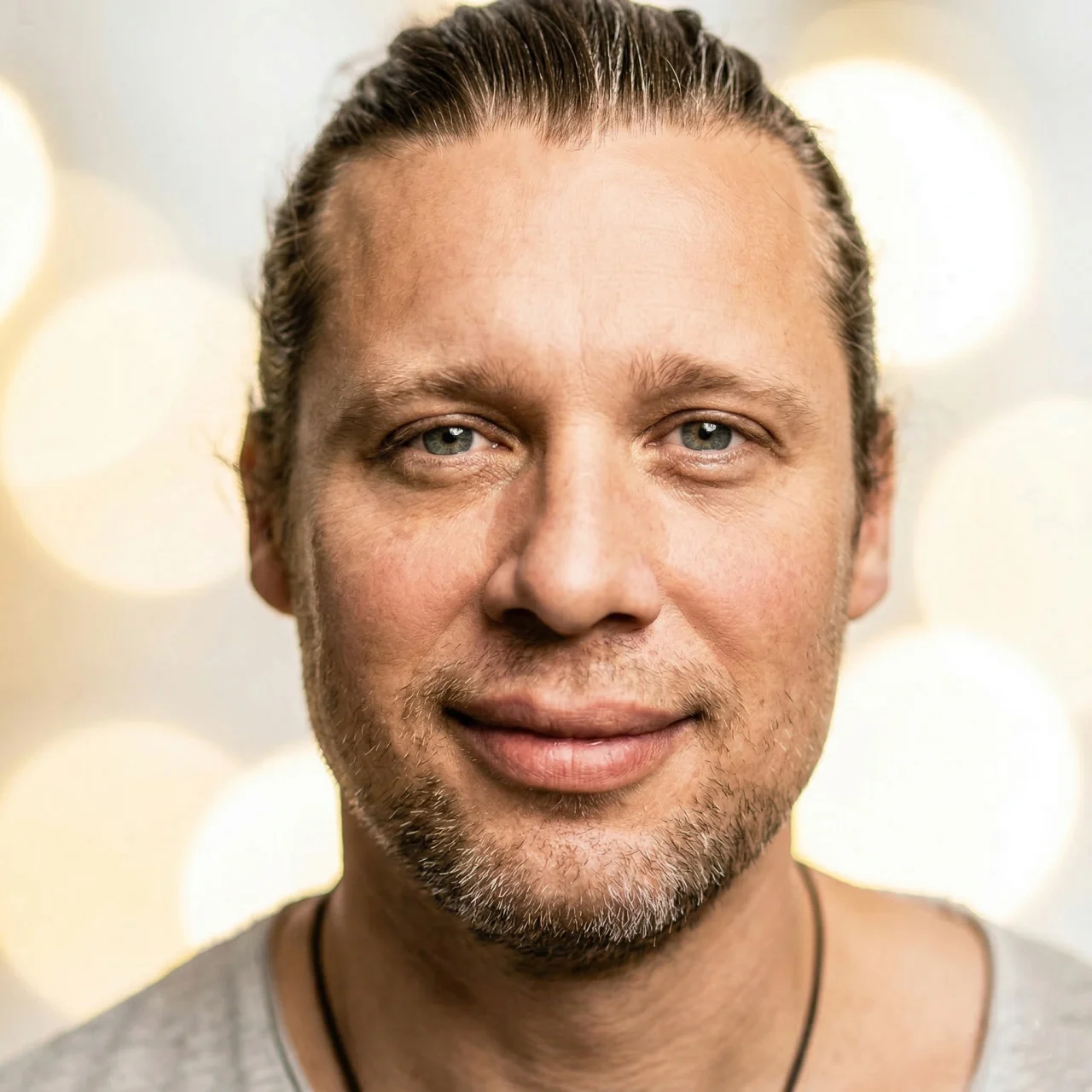
How can bodywork help us understand ourselves better?
When we want to understand ourselves better, we sometimes ask ourselves why we think, feel or act the way we do in certain situations. It can be helpful to include our own body in this exploration. This is exactly where bodywork comes in. It covers a range of methods that focus on physical experience.
Depending on the approach, this might happen through movement, touch or conscious breathing, for example. As Raphael describes from his own experience, this can help to direct our attention to sensations that would otherwise go unnoticed. Working with our own body isn’t necessarily about understanding every signal or reaction straight away, but rather about experiencing our body consciously. What sensations arise when I move? How does my tension change when I breathe more consciously? How do I notice physically that something is becoming too much for me?
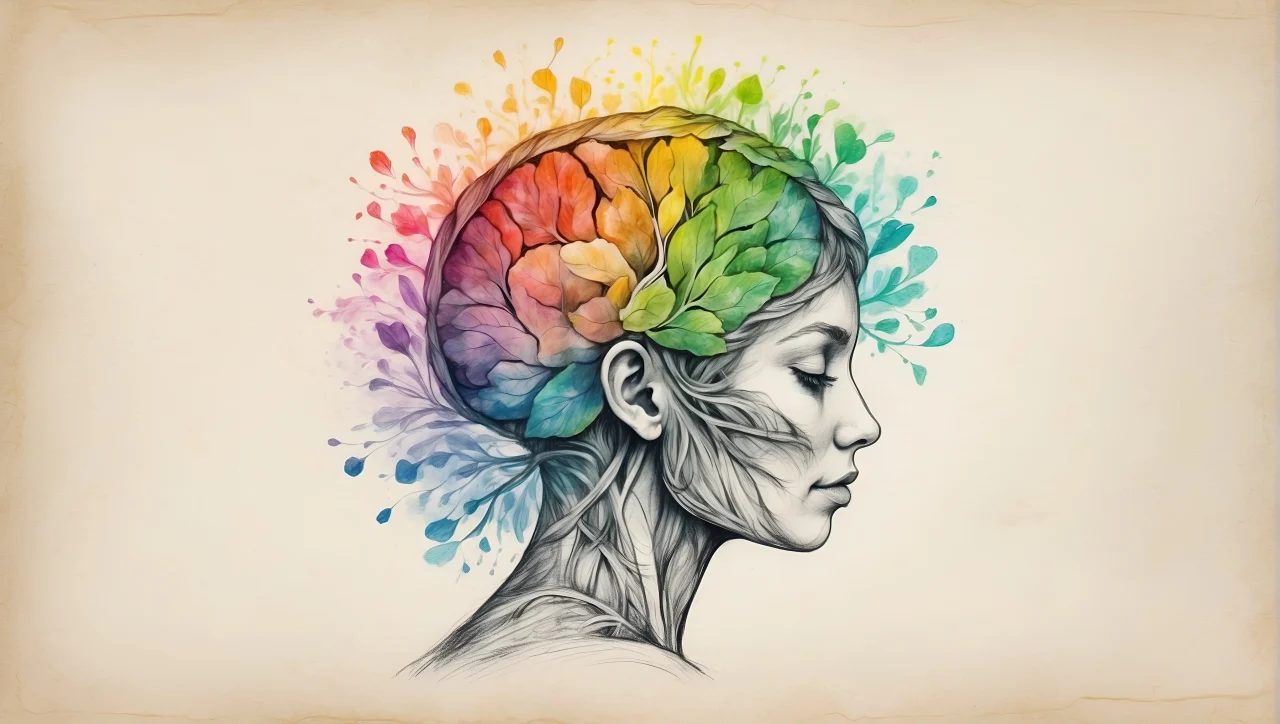
Questions like these can help to bring our focus to the present moment and to become aware of the information our body is constantly providing. Part of this body awareness is what is known as interoception. It refers to the perception of internal bodily signals, such as our heartbeat or our breathing. Because these signals are closely linked to our emotional state, consciously perceiving them can also help us to make better sense of our own feelings. In this way, working with our own body can offer a path to self-discovery.
How do body-oriented approaches differ?
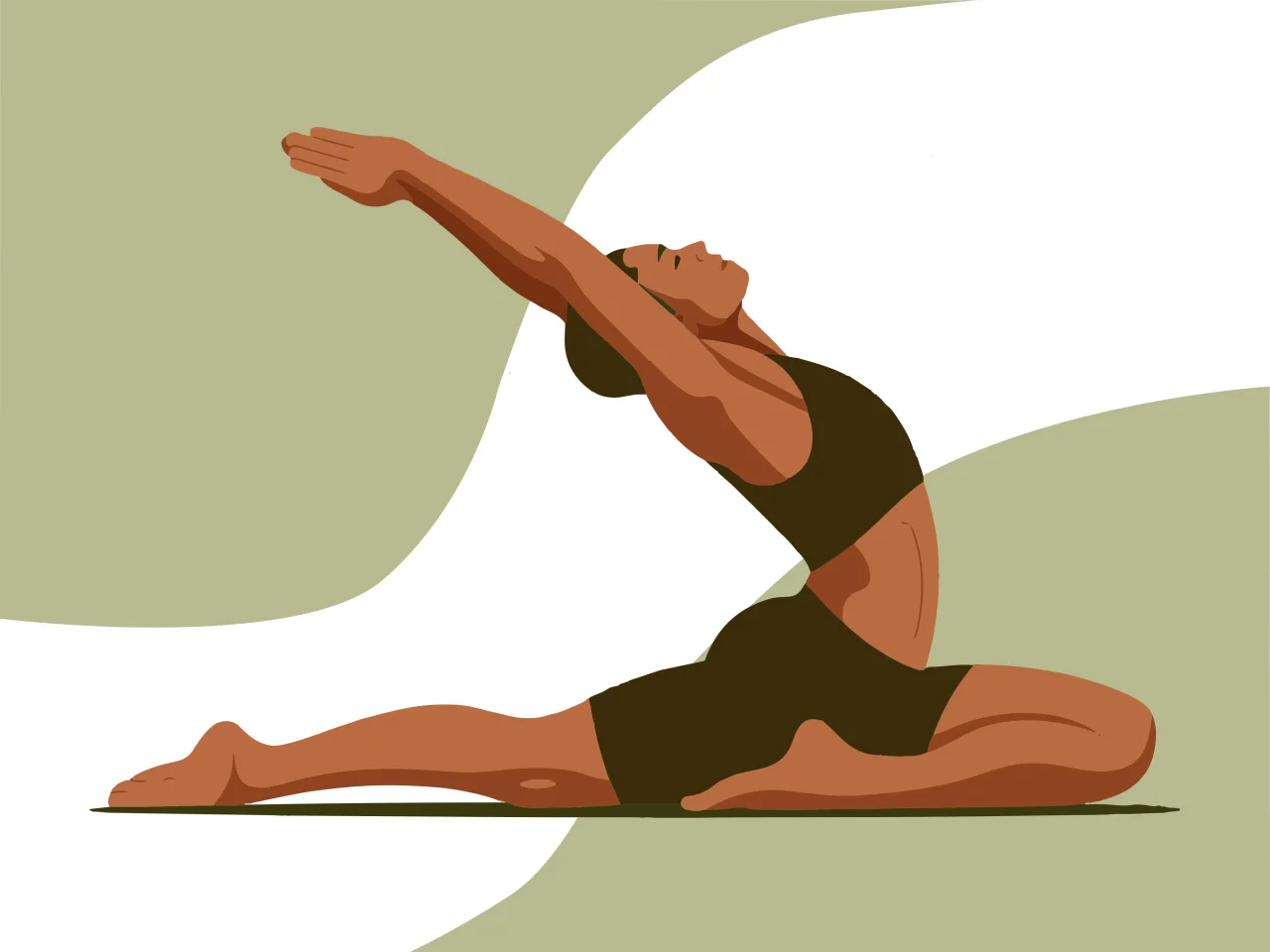
Not all bodywork is the same. Depending on the goal, different areas can be emphasised. While some approaches work mainly with breathing techniques, there are other forms that focus, for example, on targeted touch or posture.
One example, which is also reflected in Raphael’s professional background, is body psychotherapy. It combines body-oriented methods with psychotherapeutic conversations. This might involve exploring how different movements feel or what emotions they trigger. These can then be discussed and made sense of together with a psychotherapist. This in turn can help us to better understand our own behaviour and feelings. Scientific research suggests that body psychotherapy approaches can help to reduce psychological symptoms and distress.
Another form of bodywork that Raphael came across on his journey is Rolfing. This method was developed by Ida Rolf and is mainly concerned with our posture and the way we move. Fascia plays an important role here – the connective tissue that surrounds our muscles and links the structures of the body. The tissue is worked on through targeted touch and pressure. The aims include releasing tension and achieving freer movement and posture. For Raphael, Rolfing was one of several experiences that shaped him on his path to self-discovery.
So while body psychotherapy deliberately integrates physical experiences into the psychotherapeutic process, Rolfing focuses more on posture, movement and the structures of the body. These different approaches make it clear that there is no single way of doing bodywork, and therefore no single path to self-discovery.

What does Raphael’s story tell us about the path to ourselves?
Raphael’s personal journey shows how valuable it can be to try out methods that feel unfamiliar at first in order to get to know ourselves better. While earlier forms of support didn’t give him the help he had hoped for, through meditation, movement and bodywork he discovered new ways of accessing his feelings and experiences. The encounters on this journey not only gave him hope, but also shaped his professional path.
His story makes it clear that personal development doesn’t always follow a straight line, and that unexpected experiences can sometimes open doors behind which entirely new paths to ourselves lie waiting. We don’t always have to try to find the right words for our feelings and thoughts. Sometimes it can be just as helpful to become more aware of our own body and to open ourselves up to experiences we haven’t had before. Perhaps that is why his story is also a little encouragement to try something new yourself. After all, we often don’t know in advance which experiences or encounters will shape us.
Raphael talks about the other experiences that particularly shaped him on his journey, and the role bodywork played in them, in the latest podcast episode. Have a listen and find out more about his personal story:
Sina (psychology student)
Deepen your meditation with Mindfulife
Meditation can be more than a short break in your everyday life. If you’d like to understand more deeply how meditation works, how to build a stable practice of your own and how to guide others mindfully, our meditation teacher training is the next step. There you won’t just learn about meditation in theory – you’ll develop more confidence, clarity and trust in your own practice.
Would you like to find out more about the training first? In our weekly webinar you’ll get an insight and learn more about what your path to becoming a meditation teacher could look like.
For regular support in your everyday life, you can also use our online meditation studio and join guided meditations flexibly via Eversports.
We look forward to accompanying you on your journey.