How to Holistic Health? In Conversation with Franziska Senn

 · 4 min read
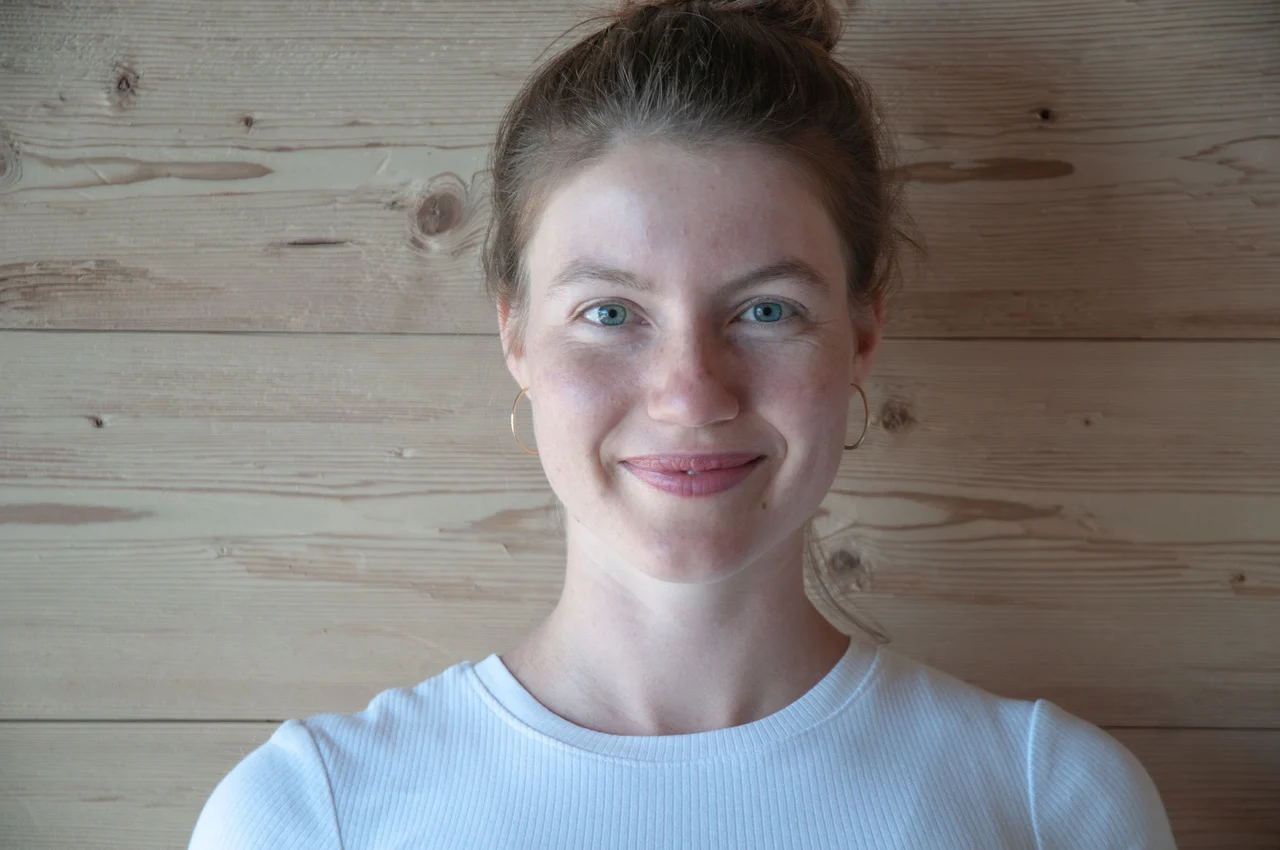
Health means far more than exercise and a healthy diet. Franziska Senn supports and guides people in understanding their bodies better and finding out what they need for long-term health, performance and self-determination. In this conversation, she talks about her personal journey and explains why health should always be viewed holistically.
Who is Franziska Senn and why does she focus on holistic health?
Franziska began her career as a personal trainer. Even then, she realised that physical fitness is only one part of a bigger picture. So she expanded her work to include nutritional advice and then trained as a Heilpraktiker (a state-licensed alternative health practitioner in Germany).
Today, through her company “Sennfit”, she accompanies people on their individual path to health. She also founded “How to Heilpraktiker”, a learning platform with easy-to-understand study notes originally developed for trainee Heilpraktiker. In the meantime, many people with an interest in health also use the materials to better understand medical connections and apply health knowledge in everyday life.
How did her passion for health and prevention come about?
The origins of her work lie in her own story. As a teenager, Franziska was often ill and frequently missed school. Although she had no serious chronic illness, constantly not functioning properly caused her a great deal of distress.
As neither doctors nor alternative practitioners could give her the answers she was looking for, she began to engage intensively with the subject of health herself. Through her own learning and experimenting, she gradually discovered which factors were good for her body.
These experiences still shape her work today. She knows what it feels like to be unable to take part in life the way you would like because of health problems. That is why she now supports people facing similar challenges.
What does “living healthily” really mean?
For Franziska, health means living in harmony with your own body. There is no one-size-fits-all solution that works equally well for everyone.
What helps one person may be unsuitable for another. This applies equally to diet, exercise, morning routines and relaxation methods. She therefore sees health not as a fixed state, but as an individual and ongoing process.
Above all, she says, it is important to take responsibility for your own wellbeing. If you learn to notice your body’s signals and respond to them, you can support both your physical and your mental health in the long term.
How do regular routines help you live healthily in the long term?
Many people basically know which behaviours are good for their health. The bigger challenge is building them into everyday life on a lasting basis. This is exactly where routines play an important role.
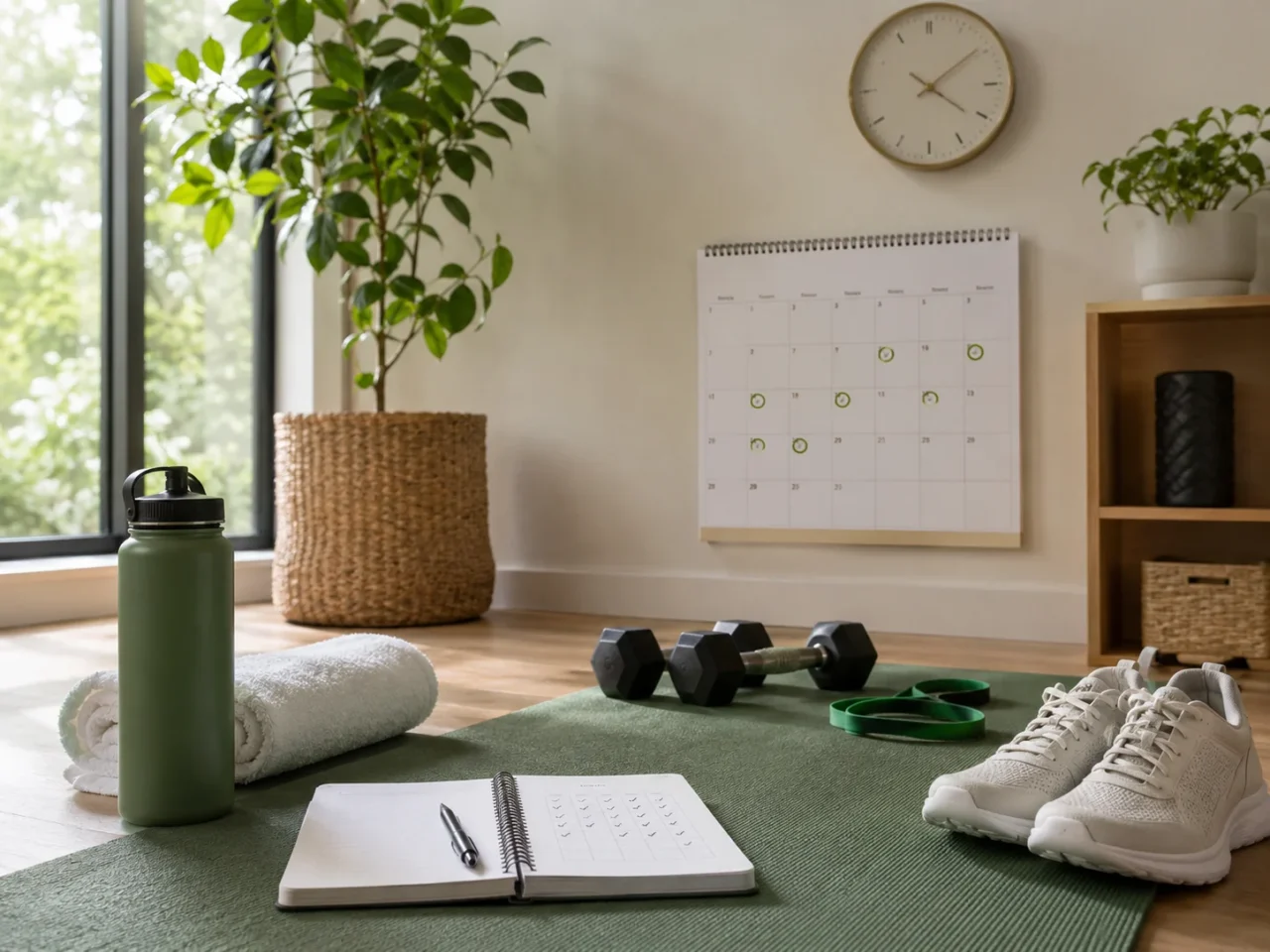
Franziska recommends linking new habits to fixed times or situations. If you want to exercise regularly, for example, it is best to schedule fixed training times rather than deciding afresh every day. Repeating the behaviour in the same context means it gradually becomes a habit.
Scientific findings also support this approach. Lally et al. (2010) showed that habits form above all when behaviours are repeated regularly under similar conditions. How long this process takes varies from person to person, but consistency is key.
On social media, people are often advised to listen more to their gut feeling. Franziska thinks this makes sense in principle, but stresses that structure can be helpful at first, especially when building new habits. Fixed routines reduce the number of daily decisions and save mental energy.
At the same time, they promote body awareness. If you regularly carry out certain habits, over time you learn to judge better which activities, foods or recovery periods suit your own needs. Structure and intuition are therefore not contradictory but can support each other.
How does Franziska help people improve their health holistically?
In her health coaching, Franziska takes a holistic approach. For her, health is influenced by the interplay of different areas of life. These include diet, exercise, recovery, time in nature, hormonal balance and social relationships, among others. Changes in one area often affect several others.

That is why working with her clients always begins with a detailed health history. Rather than focusing solely on individual symptoms, she looks at the person’s whole life situation. This often reveals connections that are not obvious at first glance.
Difficulties in reaching health goals may, for example, be linked to sleep problems, hormonal changes or stressful everyday structures.
Sharing knowledge is an important part of her work. Franziska explains physiological processes in an accessible way and shows why certain symptoms arise and which steps are needed for lasting change. This helps her clients develop a better understanding of their bodies and their health.
Her aim is not to hand out quick fixes, but to empower people to shape their health independently in the long term. Through knowledge, awareness and individually tailored routines, they learn to take responsibility for their own wellbeing and to make lasting changes.
Anastasia Prut (psychology student)
Curious to hear more? In the podcast episode, Franziska Senn talks in more detail about her work on holistic health:
Deepen your meditation practice with Mindfulife
Meditation can be more than a short break in your everyday life. If you would like to understand more deeply how meditation works, how to build a steady practice of your own and how to guide others mindfully, our meditation teacher training is the next step. There you will not only get to know meditation in theory, but also develop more confidence, clarity and trust in your own practice.
Would you like to find out more about the training first? In our weekly webinar you will get an insight and learn more about what your path to becoming a meditation teacher could look like.
For regular support in your everyday life, you can also use our online meditation studio and join guided meditations flexibly via Eversports.
We look forward to accompanying you on your journey.
You can also find more mindfulness inspiration on our channels:
References
Lally, P., van Jaarsveld, C. H. M., Potts, H. W. W. & Wardle, J. (2010). How are habits formed: Modelling habit formation in the real world. European Journal of Social Psychology, 40(6), 998–1009.