Strengthening Emotional Intelligence in Children: 4 Benefits of Meditation in the Digital World
The exponential growth of digital technology has already brought about numerous unexpected changes all over the world. This is where emotional intelligence (EI) comes in. In this article, we explore the crucial role emotional intelligence plays in preparing today's children for the digital future, with a particular focus on the transformative effect of meditation.

 · 4 min read

Emotional intelligence in children is more important today than ever. Children grow up taking smartphones, tablets, social media and digital learning tools completely for granted. This digital world brings many opportunities, but it can also be challenging for families: constant stimulation, distractions, comparisons and online conflicts are part of everyday life for many children.
By this we mean the ability to notice, understand and appropriately deal with one’s own feelings. Meditation can be a gentle way of nurturing emotional intelligence in children in everyday life.
This makes it all the more important to strengthen children not only technically but also emotionally. This can help them cope with stress, better recognise their inner signals and communicate empathetically with others.
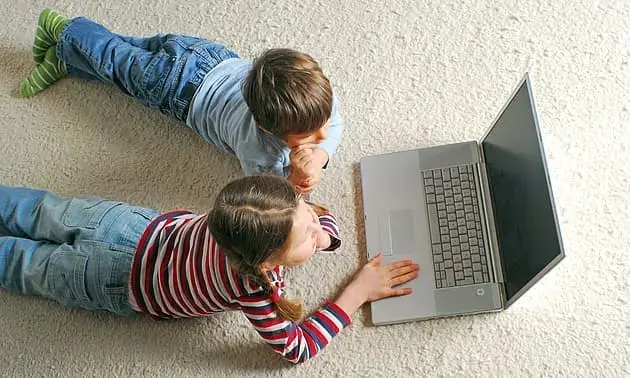
Emotional intelligence in children: why media literacy is also a matter of feelings
Many children today come into contact with digital media at an early age. As giving it up completely is usually neither realistic nor helpful in the modern world, the focus shifts to using it in a healthy way.
The American Academy of Pediatrics recommends that families develop an individual media plan. This is not just about screen time, but also about routines, sleep, distraction, family time and a mindful approach to digital media.
This also includes important emotional intelligence skills.
Self-awareness: Children learn to recognise more clearly how online content affects their feelings.
Self-regulation: Children practise not giving in to every impulse straight away, for example the urge to respond immediately to every message or notification.
Empathy: Children learn to treat others with compassion and respect, including in digital communication.
How can meditation support children in their everyday digital lives?
Mindfulness-based exercises and meditation are not a cure-all. However, they can make a valuable contribution to supporting children in dealing with stress, stimulation and feelings. A systematic review from 2022 concluded that school-based mindfulness interventions for children and adolescents can be associated with positive effects in several areas. At the same time, it is clear that the strength of the evidence varies depending on the area studied.
That is precisely why emotional intelligence in children is so valuable in everyday digital life: it can help them deal more mindfully with stimulation, comparisons and online conflicts.
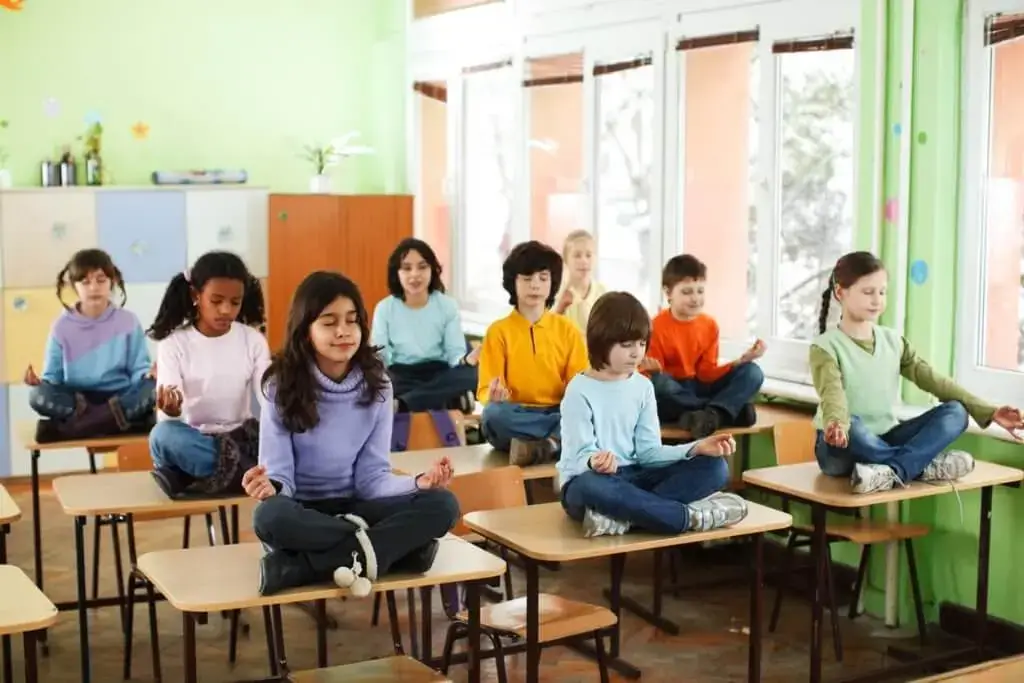
4 benefits of strengthening emotional intelligence in children
1. Support with emotional regulation
In digital spaces such as social media, children are often confronted with lots of stimuli at once. A report by WHO Europe found that problematic social media use among adolescents has increased.
Meditation can help children build a healthy distance from their impulses. They learn to first notice feelings such as anger, envy, insecurity or overwhelm before reacting straight away. This ability can be particularly helpful when it comes to online conflicts, comparisons or stressful messages.
2. Greater self-awareness in everyday life
Short, regular meditations can encourage self-reflection. Children who learn to pay attention to their bodies and feelings often notice more quickly in their everyday digital lives when something is no longer good for them.
They are more likely to sense when online comparisons are leaving them stressed, excluded or overwhelmed. This makes it easier for them to take breaks, talk to adults about it or use digital media more mindfully.
3. Fostering empathy and compassion
Digital communication is often fast, abbreviated and impersonal. This can lead to misunderstandings and lower the threshold for hurtful comments.
Special mindfulness exercises, such as loving-kindness meditation, can foster compassion and goodwill. This attitude can help children put themselves in other people’s shoes online too, and communicate more respectfully.
4. Better concentration in everyday digital life
The digital world is designed to capture attention. Pop-ups, push notifications, short videos and constant updates can make it harder for children to stay focused on one thing.
A frequently cited scientific review describes how mindfulness can be associated with less emotional reactivity and better behavioural regulation. Meditation can help children practise their own focus. They learn to stay more consciously in the moment and to notice distractions more readily.
Conclusion – emotional intelligence in children
A valuable companion for the future
Emotional intelligence is an important skill that can support children in their everyday digital lives. It helps them to make better sense of their own feelings, to treat others with compassion and to respond more mindfully to digital stimuli.
Meditation can be a practical tool here. Just a few minutes of shared mindfulness a day can help create more calm and conscious pauses in family life.
Nurturing emotional intelligence in children doesn’t have to be complicated: small rituals such as a short breathing exercise, a mindful moment before bedtime or a conscious pause after using media can already be a good start.
revised on 17 June 2026
by Katharina Richter (psychology student)
If you enjoyed this article and would like to learn more about how meditation can support emotional intelligence in children in everyday family life, feel free to read our post “Meditation for Parents”. There you will find further ideas on how you, as a parent, can bring more calm, mindfulness and small conscious pauses into your daily life.
Deepen your meditation practice with Mindfulife
Meditation can be more than a short break in your everyday life. If you would like to understand more deeply how meditation works, how to build a steady practice of your own and how to guide others mindfully, our meditation teacher training is the next step. There you will not only get to know meditation in theory, but also develop more confidence, clarity and trust in your own practice.
Would you like to find out more about the training first? In our weekly webinar you will get an insight and learn more about what your path to becoming a meditation teacher could look like.
For regular support in your everyday life, you can also use our online meditation studio and join guided meditations flexibly via Eversports.
We look forward to accompanying you on your journey.
You can find more mindfulness inspiration on our channels too
References
WHO Regionalbüro für Europa (2024): Teens, screens and mental health. Daten zu problematischer Social-Media-Nutzung und Gaming-Risiken bei Jugendlichen.
American Academy of Pediatrics: The Family Media Plan. Empfehlungen für einen individuellen Familien-Medienplan.
Phan et al. (2022): Mindfulness-based school interventions: A systematic review of outcome evidence quality by study design. Überblick zu schulbasierten Achtsamkeitsinterventionen bei Kindern und Jugendlichen. https://doi.org/10.31234/osf.io/bfkjn
Keng et al. (2011): Effects of Mindfulness on Psychological Health: A Review of Empirical Studies. Überblick zu psychologischen Effekten von Achtsamkeit. https://doi.org/10.1016/j.cpr.2011.04.006