How can meditation help with pain?

 · 3 min read

Pain can place a heavy burden on our everyday lives and diminish our joy in life. According to current data, around 23 million people in Germany report persistent pain. In this article, you’ll learn how pain develops and how mindfulness and meditation can help you cope with it better. Enjoy reading!
How does pain develop?
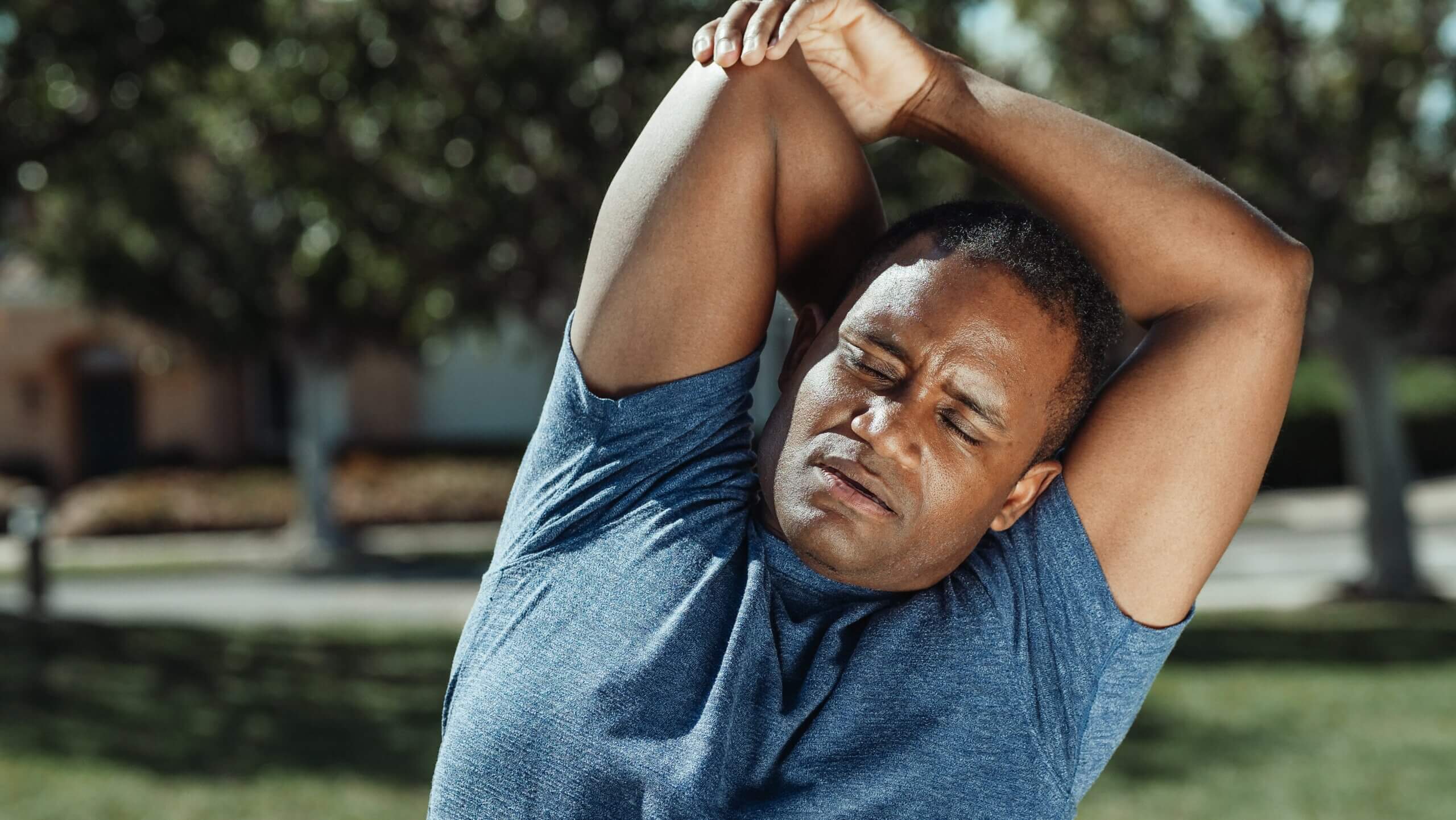
Pain is a sensory and emotional experience that arises when our nervous system responds to harmful stimuli. First and foremost, pain signals that tissue is threatened or damaged and that protective measures need to be taken. Acute pain is usually easy to locate, short-lived and subsides once the injury has been treated. When pain persists for months and outlasts the normal healing time, it is referred to as chronic pain. As a rule, it no longer serves a warning function and can become a major psychological burden.
Alongside medical treatment, relaxation and mindfulness techniques can also provide effective complementary support in dealing with pain, as the following study illustrates.
What effects does meditation have on pain?
Psychological studies have shown that meditation can change both the perception of pain and the neural activity associated with it. To find out whether many years of meditation practice have a lasting effect on pain processing in the brain, Lutz et al. (2013) carried out an experimental study comparing participants with and without meditation experience.
The study consisted of an experimental group (people with meditation experience) and a control group (people without meditation experience). A brief pain stimulus was induced using a hot metal plate on the forearm. Before each heat stimulus, a tone sounded, putting participants in anticipation of the impending pain. Throughout the study, brain activity during the phases of pain anticipation and pain sensation was measured using fMRI.
The control group without meditation experience showed activation of the pain-processing brain regions as early as the anticipation phase and also after the pain stimulus had ended. The duration of the pain sensation was longer than the duration of the actual physical pain.
The experimental group with meditation experience, by contrast, showed no activation of the pain-processing brain regions during the anticipation phase or after the pain stimulus had ended. The duration of the pain sensation roughly matched the duration of the actual physical pain.
In summary, the results show that participants with many years of meditation experience feel less anticipatory anxiety about the impending pain stimulus and show reduced pain processing. Mindfulness meditation practised over years can change the fundamental way the brain processes pain and help us to perceive pain more calmly and without judgement.
Guided meditation for pain relief
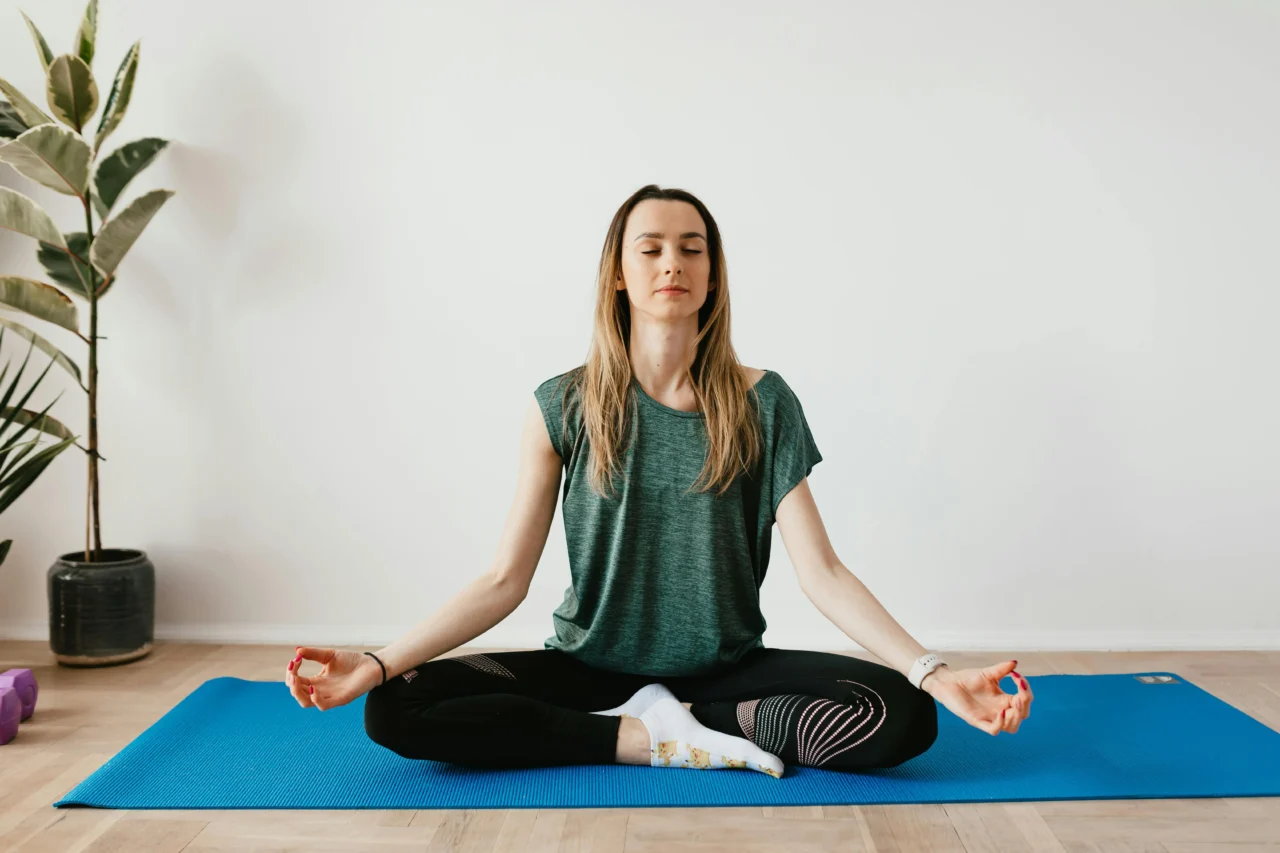
If you have no experience of meditating yet but the study above has made you curious, here is a short meditation for you that is well suited to beginners.
First, find a comfortable, upright sitting position. Your posture should allow you to be relaxed and focused so that you can turn your attention inwards. Feel free to close your eyes, or leave them open and lower your gaze.
Notice how you are feeling today. Sense the uprightness of your spine, your face, your jaw and your forehead – perhaps you can let go a little more here? Let your shoulders sink down and allow your whole body to become soft and heavy.
Bring your attention to your breath and take three deep breaths in through your nose and out through your open mouth. Then return to your natural breathing and observe it for a few moments.
If you notice your mind wandering during the meditation, simply acknowledge it, without judging or evaluating. Let go of your thoughts and mindfully come back to yourself and your breath.
Finally, in your own time, find your way back into your body and the room. Pay attention to the sounds around you, feel your breath and the surface beneath you once more, and gently open your eyes.
Meditations to join in with
If you would like to deepen your meditation experience or get started straight away, you’ll find a wide range of guided meditations on the YouTube channel “Phil Pham Meditation“. Do take a look!
Marie St. (Psychology student)
Deepen your meditation practice with Mindfulife
Meditation can be more than a short break in your everyday life. If you would like to understand more deeply how meditation works, how to build a steady practice of your own and how to guide others mindfully, our meditation teacher training is the next step. There you will not only get to know meditation in theory, but also develop more confidence, clarity and trust in your own practice.
Would you like to find out more about the training first? In our weekly webinar you will get an insight and learn more about what your path to becoming a meditation teacher could look like.
For regular support in your everyday life, you can also use our online meditation studio and join guided meditations flexibly via Eversports.
We look forward to accompanying you on your journey.
You can find more mindfulness inspiration on our channels too
References
Lutz, A., McFarlin, D. R., Perlman, D. M., Salomons, T. V., & Davidson, R. J. (2013). Altered anterior insula activation during anticipation and experience of painful stimuli in expert meditators. NeuroImage, 64, 538–546. https://doi.org/10.1016/j.neuroimage.2012.09.030
Mindfulife Meditation. (2020d, März 26). Wie Meditation bei Schmerz hilft | Geführte Meditation [Mindfulife goes MindfuLIVE #8] [Video]. YouTube. https://www.youtube.com/watch?v=Hsy_32ZwFSA