Can Training Build Resilience? Meaning and Tips

 · 5 min read

Building resilience through training – how exercise makes us mentally stronger
About the author: Coach Zimo studied sports science at the German Sport University Cologne and helps people achieve their dream body, even if they can’t yet imagine it today. In his podcast and magazine [Allround Athletics] you’ll find plenty of valuable tips on training, nutrition & mindset. Practical and anything but dogmatic.
1. What does resilience actually mean?
At its core, resilience describes the ability to get through crises and setbacks without losing your inner footing. It’s about responding flexibly to change, regulating yourself and even emerging stronger from difficult situations.
Even if it often seems that way, resilience isn’t something that some people have and others don’t. Everyone can train their own resilience. And physical training can be a powerful key to strengthening this mental toughness.
2. Why training does more than just work on your body
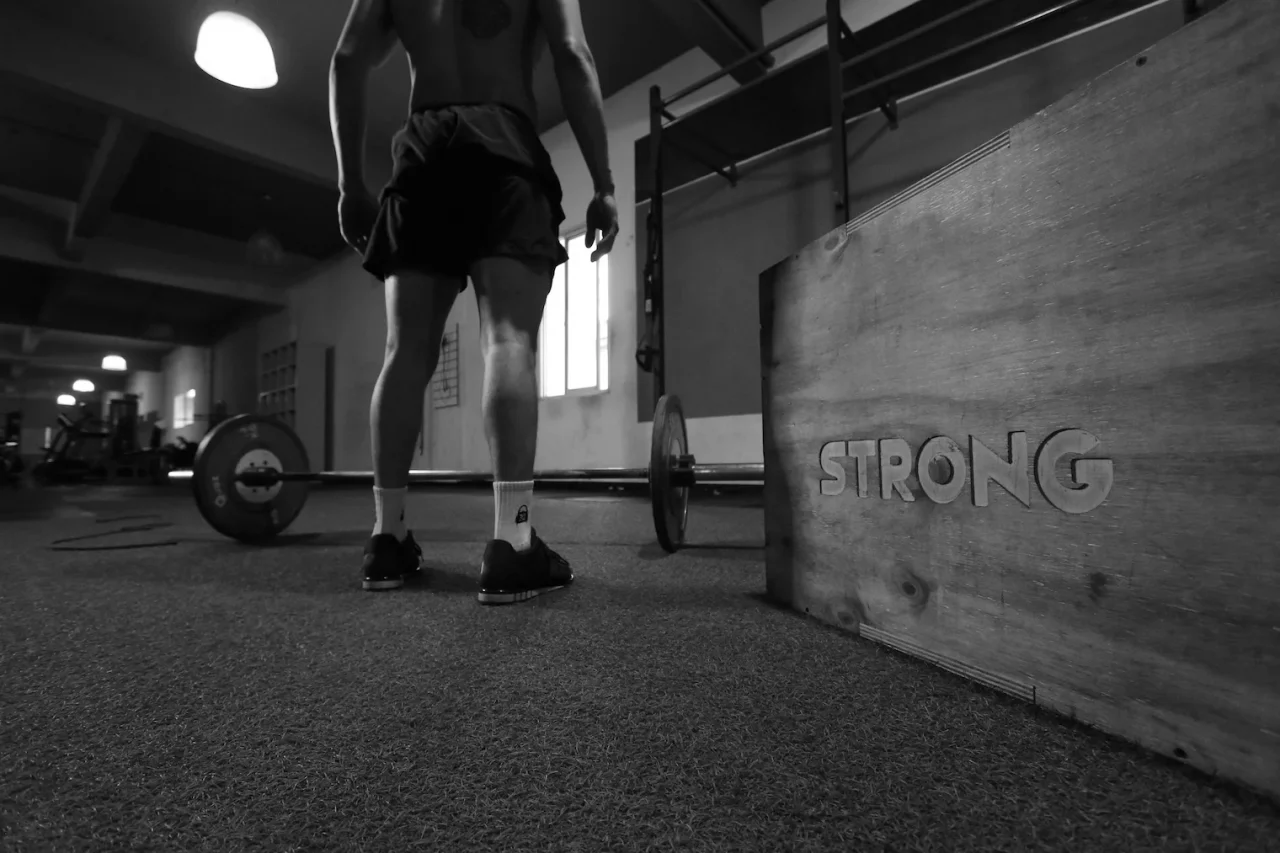
We often separate physical and mental health. Yet they are closely linked. When we train, we deliberately expose our body to stress – whether during strength training in the gym, a functional HIIT workout or an endurance run. This stress is controlled, measured and, above all, self-chosen.
That is exactly where the mental effect lies. You learn to deal with exertion, to stick with it, to keep going – even when it hurts. You overcome your inner couch potato and learn to cope with setbacks.
The mental training effect is especially strong when you have to find your way back into your routine and start from scratch after an illness or injury. Or when you hit a training plateau and make no progress for weeks.
3. How exercise boosts our mental strength
Here are a few concrete mechanisms by which training builds your resilience:
1. Discipline and routine give you stability
A fixed training plan gives your everyday life structure. In phases when a lot of other things are in flux, your training session is your anchor. A safe point that stays put – even when there’s a lot going on around you.
2. Successes make you proud – even the small ones
Every extra rep, every faster running time, every additional kilo you can lift – or even every gram less on the scales. These are all successes you have earned yourself. Regular training shows you your own self-efficacy again and again, and in doing so also strengthens your self-confidence. You realise: I can make things happen.
3. Mindfulness through movement
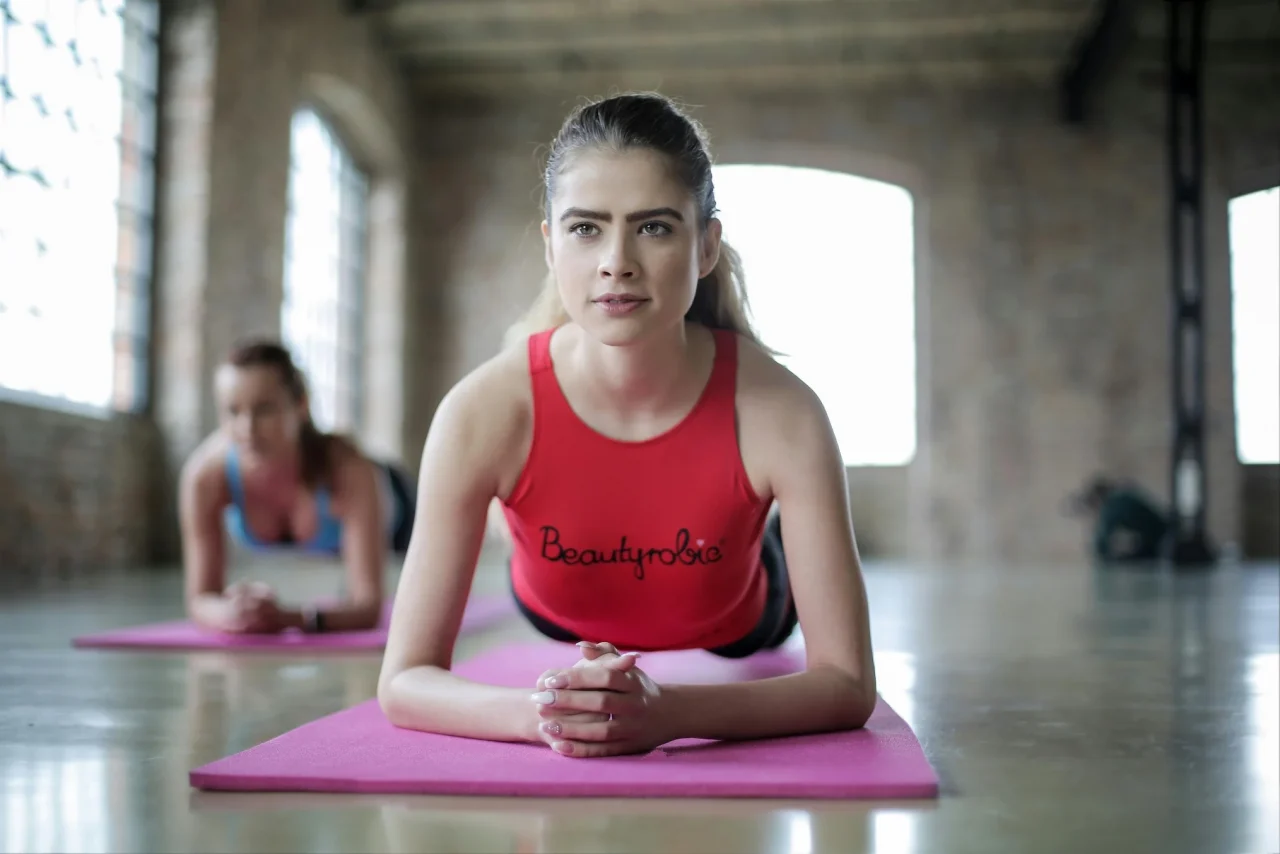
Training forces you into the here and now. You feel your body, your breath, your limits. That is pure mindfulness. And if you treat yourself mindfully, you also handle stress and pressure more consciously.
4. Stress relief with a long-term effect
Physical activity has been shown to help relieve stress. Exercise releases endorphins, reduces cortisol and improves mood in the long term. People who train regularly become more balanced – and respond to pressure more calmly.
4. Examples from everyday life
With regular strength and endurance training, the everyday things in life become easier and easier over time. Carrying the shopping up to the third floor is suddenly no longer an ordeal, but at most a short training session. And really, the strain is nothing compared to what you demand of yourself in the gym.
A 30-minute walk becomes pure relaxation, and certainly no longer a challenge, once you can already jog 10 kilometres without stopping. With a healthy level of strength and stamina, your quality of life improves, because activities that are a challenge for others suddenly come easily to you.
If you regularly push yourself to your physical limits in spinning classes, with HIIT workouts or through cross-training, you simply face fewer physical challenges overall and, at the same time, become mentally stronger too. Because training always gives you the experience of breaking through your own limits. What you think in many moments is far from being your real limit.

5. Tips: how to combine training and mental power
Start small – but regularly. Resilience comes from consistency. Three 30-minute sessions are better than one 2-hour session.
Set yourself realistic goals. Whether it’s 5 press-ups or a half marathon – what matters is that you have a goal to work towards.
Celebrate your progress. Write it down or tell someone about it. This reinforces your sense of self-efficacy.
Keep training during stressful times too. That’s exactly when it matters most. See your training as an investment in your mental health.
Consciously switch your focus. Sometimes intense, sometimes easy. Sometimes strength, sometimes endurance, sometimes stretching. That way you stay balanced – physically and mentally.
Conclusion
Resilience is not a fixed personality trait, but something you can develop and train – just like your body. People who exercise regularly learn perseverance, discipline and self-care. This makes you not only physically fitter, but mentally stronger too.
You won’t be able to stop life from getting stormy now and then. But you can make sure you stand steady in the wind – with both feet firmly on the ground. And often, that footing begins with the first step onto the training mat.
About the author
Dominic Zimmermann (Coach Zimo), sports scientist, trainer, author, founder – Allround Athletics
After studying sports science at the German Sport University Cologne, Zimo worked as a personal trainer and on the online editorial teams of various well-known food and fitness start-ups, as well as a lecturer for the Deutsche Sportakademie.
By founding [Allround Athletics], he now wants to inspire even more people to lead a sporty lifestyle that not only delivers visible results but, above all, is fun. With the free community training sessions, he aims to bring together people who share similar interests and goals.
That’s why every week Zimo offers a new [Allround Athletics] workout for all members of the community. How do you become a member? Simply sign up for the newsletter and receive a new free workout every week, which you can power through together with your friends or against each other in challenge mode.
If you’d like to book Zimo for individual personal coaching, you can do so at www.coachzimo.de.
Deepen your meditation practice with Mindfulife
Meditation can be more than a short break in your everyday life. If you would like to understand more deeply how meditation works, how to build a steady practice of your own and how to guide others mindfully, our meditation teacher training is the next step. There you will not only get to know meditation in theory, but also develop more confidence, clarity and trust in your own practice.
Would you like to find out more about the training first? In our weekly webinar you will get an insight and learn more about what your path to becoming a meditation teacher could look like.
For regular support in your everyday life, you can also use our online meditation studio and join guided meditations flexibly via Eversports.
We look forward to accompanying you on your journey.