What is mental illness in working life?
Mental illness can severely affect a person's life. At work in particular, it can become a heavy burden.

 · 6 min read
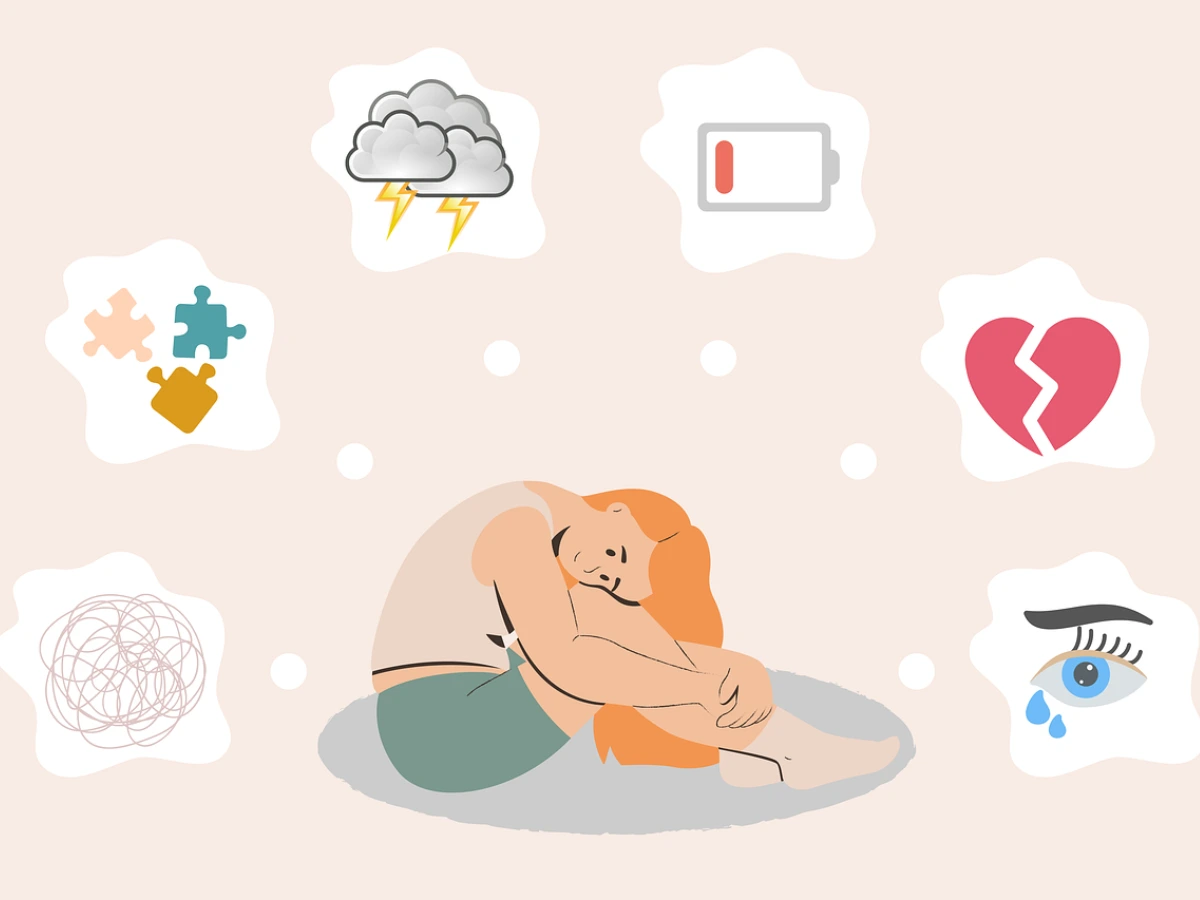
In today’s fast-paced, performance-driven society, mental illness is a widespread problem that affects many people. In the workplace in particular, these conditions can have serious effects on quality of life and professional performance. In this blog post, we shed light on the various facets of mental illness, especially depression, burnout and boreout, and share valuable tips on prevention as well as practical advice for those affected.

The invisible enemies in the workplace
Mental illness is a serious issue in the modern world of work. According to a study by the World Health Organization (WHO), more than a billion people worldwide live with mental disorders. These are often caused by stress, overload or being underchallenged at work. However, mental illness is not only a personal burden but also a serious problem for companies, as it can lead to losses in productivity and high healthcare costs.
To better understand the scale of the problem, it is worth looking at some further statistics:
- The German health insurer Techniker Krankenkasse found that almost 20% of all sick notes in Germany could be attributed to the category of mental disorders.
- According to a survey by the German Trade Union Confederation (DGB), 85% of respondents said they suffer from time pressure at work.
- Another study by Techniker Krankenkasse found that 58% of respondents feel stressed because of school, university or work.
- According to the German Federal Statistical Office, mental and behavioural disorders cause several billion euros in healthcare costs every year.
These figures highlight not only how widespread mental illness is in the world of work, but also its economic impact. Companies should therefore have a vested interest in promoting the wellbeing of their employees and taking preventive measures.

What are depression, burnout and boreout?
Depression
Depression is a serious mental disorder characterised by persistent sadness, lack of drive and a general feeling of hopelessness. It can manifest itself in various ways:
- Emotional symptoms: persistent sadness, irritability or anger.
- Cognitive symptoms: difficulty concentrating or memory problems.
- Physical symptoms: tiredness, sleep disturbances or changes in appetite.
At work, those affected may experience difficulty concentrating and reduced performance. The diagnosis is often made late, because people do not take their symptoms seriously or feel ashamed to talk about them.
Burnout
Burnout is a state of emotional, physical and mental exhaustion that is frequently caused by chronic stress at work. It is a process with several stages:
- Exhaustion: those affected are emotionally exhausted and feel drained.
- Detachment: those affected withdraw inwardly and develop negative attitudes towards their work.
- Decline in performance: eventually, performance drops considerably.
Typical symptoms of burnout include tiredness, feeling overwhelmed and physical complaints. Burnout can not only impair professional performance but also put a heavy strain on private life.
Boreout
Boreout describes a form of being underchallenged or bored at work. People with boreout often feel bored and unmotivated. They experience their tasks as unchallenging or meaningless. The difference between boreout and burnout therefore lies in the cause: whereas burnout arises from overload, boreout results from a lack of challenge.
Boreout can be just as harmful as burnout; those affected feel worthless and the strain on their health increases.
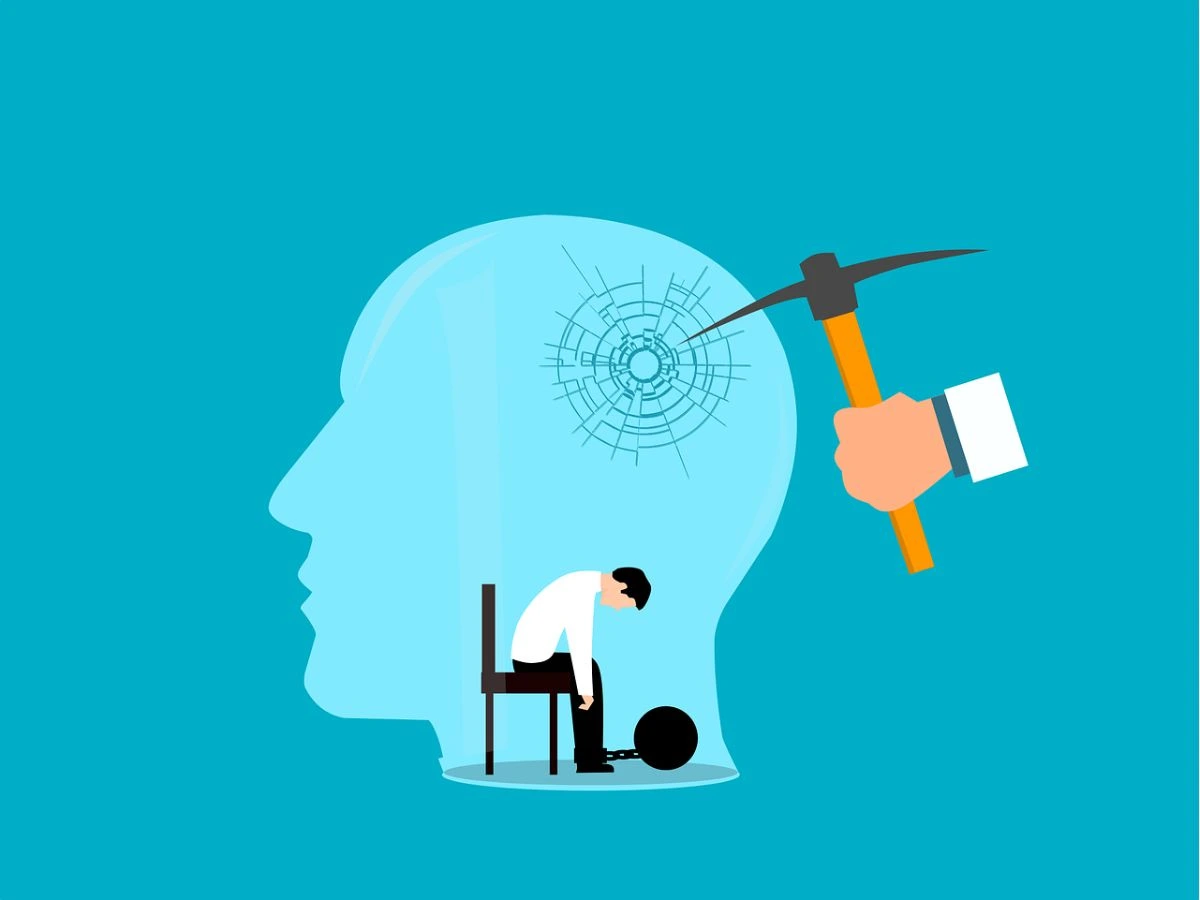
Why is it important to take mental illness seriously?
The effects of work-related mental illness are enormous. Not only can it significantly reduce the quality of life of those affected, it can also disrupt team dynamics and have a negative impact on company culture. A healthy working environment is crucial to a company’s long-term success.
Another aspect is the stigmatisation of mental illness in many cultures. It is often assumed that people with mental health problems are less capable or even lazy. These prejudices mean that those affected do not dare to seek help or talk about their problems.
The role of employers
Employers play a decisive role in preventing mental illness in the workplace. They should:
- Lend a sympathetic ear to their employees.
- Offer health-promoting measures and training programmes on stress management.
- Raise awareness of mental health.
- Allow flexible working hours and working from home.
- Foster a positive company culture and a sense of community.
Through measures like these, employers can help to reduce the risk of mental illness and increase the wellbeing of their employees.
Promoting mindfulness in working life
Employees can also take action to counteract the negative effects of mental illness:
- Practise mindfulness: Take regular breaks and learn stress management techniques. Mindfulness methods such as meditation, yoga or breathing exercises can help to calm the mind and reduce stress.
- Open communication: Lend your colleagues a sympathetic ear and talk about your own feelings. Transparent communication can help to clear up misunderstandings and create a supportive environment.
- Work-life balance: Finding a healthy balance between work and leisure is essential. It is important to make time for hobbies and social contact – this promotes your overall wellbeing.
- Further training: Attend training courses on stress management or time management. Many companies now offer workshops to support their employees in these areas.
- Regular feedback meetings: Have regular conversations with your line manager about your workload – this can help to ensure that your tasks are distributed appropriately.

Tips for those affected
If you are living with a mental illness yourself or feel burnt out, the following tips may be helpful:
- Seek professional help: Don’t hesitate to see a therapist or psychologist – professional support can make all the difference.
- Look for social support: Talk to friends or family about your feelings or join a self-help group – sharing your experiences can be a relief.
- Establish healthy routines: Make sure you get enough sleep (7-9 hours a night), eat a healthy diet (plenty of fruit and vegetables) and exercise regularly (at least 150 minutes of moderate activity per week). All of this can help to boost your wellbeing.
- Self-reflection and self-care: Take time for yourself and reflect on your feelings and needs. Write your thoughts down in a journal – this can help you gain clarity about your emotions. Treat yourself to small breaks regularly, whether it’s a bath, reading or a walk in nature. Studies show that spending time outdoors demonstrably reduces stress and has a lasting positive effect on overall wellbeing.
- Cultivate gratitude and positivity: Keep a gratitude journal in which you note down three things you are grateful for each day. This encourages positive thinking and noticeably improves quality of life. Daily positive affirmations can also build your self-confidence. Sentences such as “I am capable” or “I deserve happiness” can work wonders.
- Use technology: There are numerous apps for managing stress or promoting mindfulness (e.g. Headspace, Calm or our Mind Club app) that can help you deal with your feelings better.
- Set goals: Set yourself realistic goals both at work and in your private life – small successes can be motivating and strengthen your self-esteem.
- Be open to change: See change as an opportunity rather than a threat. Flexibility enables growth and the development of personal skills.
- Use humour: Laughter is healthy. Try to consciously notice humorous moments. Laughter helps to release tension and lifts your mood within a short time.
- Express your creativity: Find creative forms of expression, e.g. painting, music, writing etc.; creative activity has therapeutic effects and supports emotional processing.
- Train your mental strength: Working on your mental strength helps you cope better with setbacks. Techniques such as resilience training strengthen your inner resilience in the long term.
- Set boundaries: Learn to say “no” and communicate your boundaries clearly – both at work and in your private life. Overload often leads to a vicious circle of stress and exhaustion.
Conclusion
Work-related mental illnesses are serious challenges in working life; they affect not only individuals but entire teams within companies. By promoting mindfulness and talking openly about our experiences, we can not only improve our own wellbeing but also help to create a healthier working environment. Let’s work together to recognise mental illness at work early and counteract it!
This article was written by Michelle Brühl
revised on 16 December 2025
by Annika H. (psychology student)
Deepen your meditation practice with Mindfulife
Meditation can be more than a short break in your everyday life. If you would like to understand more deeply how meditation works, how to build a steady practice of your own and how to guide others mindfully, our meditation teacher training is the next step. There you will not only get to know meditation in theory, but also develop more confidence, clarity and trust in your own practice.
Would you like to find out more about the training first? In our weekly webinar you will get an insight and learn more about what your path to becoming a meditation teacher could look like.
For regular support in your everyday life, you can also use our online meditation studio and join guided meditations flexibly via Eversports.
We look forward to accompanying you on your journey.
You can find more mindfulness inspiration on our channels too
References
Institut DGB-Index Gute Arbeit (2025). Jahresbericht 2025: Ergebnisse der Beschäftigtenbefragung zum DGB-Index Gute Arbeit 2025. https://index-gute-arbeit.dgb.de/++co++3c553e0e-cbaa-11f0-82c3-a9cec436047c
Institut für Qualität und Wirtschaftlichkeit im Gesundheitswesen (2023). Was ist ein Burnout? https://www.gesundheitsinformation.de/was-ist-ein-burnout.html
Hunter, M. R.; Gillespie, B. W. & Chen, S. Y.-P. (2019). Urban Nature Experiences Reduce Stress in the Context of Daily Life Based on Salivary Biomarkers. Front. Psychol., 10(722). https://doi.org/10.3389/fpsyg.2019.00722
Statistisches Bundesamt (2025). Kreislauferkrankungen sowie psychische und Verhaltensstörungen verursachen zusammen 26,0 % der Krankheitskosten im Jahr 2023. https://www.destatis.de/DE/Presse/Pressemitteilungen/2025/08/PD25_293_236.html
Stiftung Deutsche Depressionshilfe und Suizidprävention (o. J.). Depression und Arbeit. https://www.deutsche-depressionshilfe.de/depression-infos-und-hilfe/depression-in-verschiedenen-facetten/depression-und-arbeit
Techniker Krankenkasse (2024). Boreout - Wenn Langeweile zur Belastung wird. https://www.tk.de/firmenkunden/service/gesund-arbeiten/betriebliche-gesundheitsfoerderung/boreout-2047504
Techniker Krankenkasse (2025a). Gesundheitsreport 2025 – Arbeitsunfähigkeiten. https://www.tk.de/resource/blob/2194002/828793b4b4a5953abece5e4874ce79b9/gesundheitsreport-au-2025-data.pdf
Techniker Krankenkasse (2025b). Stressreport 2025. https://www.tk.de/resource/blob/2207446/19c9824592652569ea05973fbdc1b6c9/tk-stressreport-2025-data.pdf
World Health Organization (2025a). World mental health today: latest data. https://iris.who.int/server/api/core/bitstreams/31714489-1345-4439-8b37-6cbdc52e15ca/content
World Health Organization (2025b). Depressive disorder (depression). https://www.who.int/news-room/fact-sheets/detail/depression