How can meditation strengthen the immune system?

 · 5 min read

During the colder months, our immune system faces particular challenges. In this article, you will find out how and why meditation affects your immune defences from a scientific perspective, and whether your meditation practice can really protect you from your next cold.
Why is our immune system weakened in winter?
The cold season is especially challenging for our immune system for a number of reasons. It is peak season for cold viruses: around 4 out of 5 colds occur during the colder months of the year. But why is that?
Contrary to what the word “cold” might suggest, it is not the cold itself that makes us ill. You don’t catch a cold just because you feel chilly – since Covid-19 at the latest, most people probably know that respiratory illnesses are caused by viruses. And in cold air, viruses find it easier to overcome our immune defences.
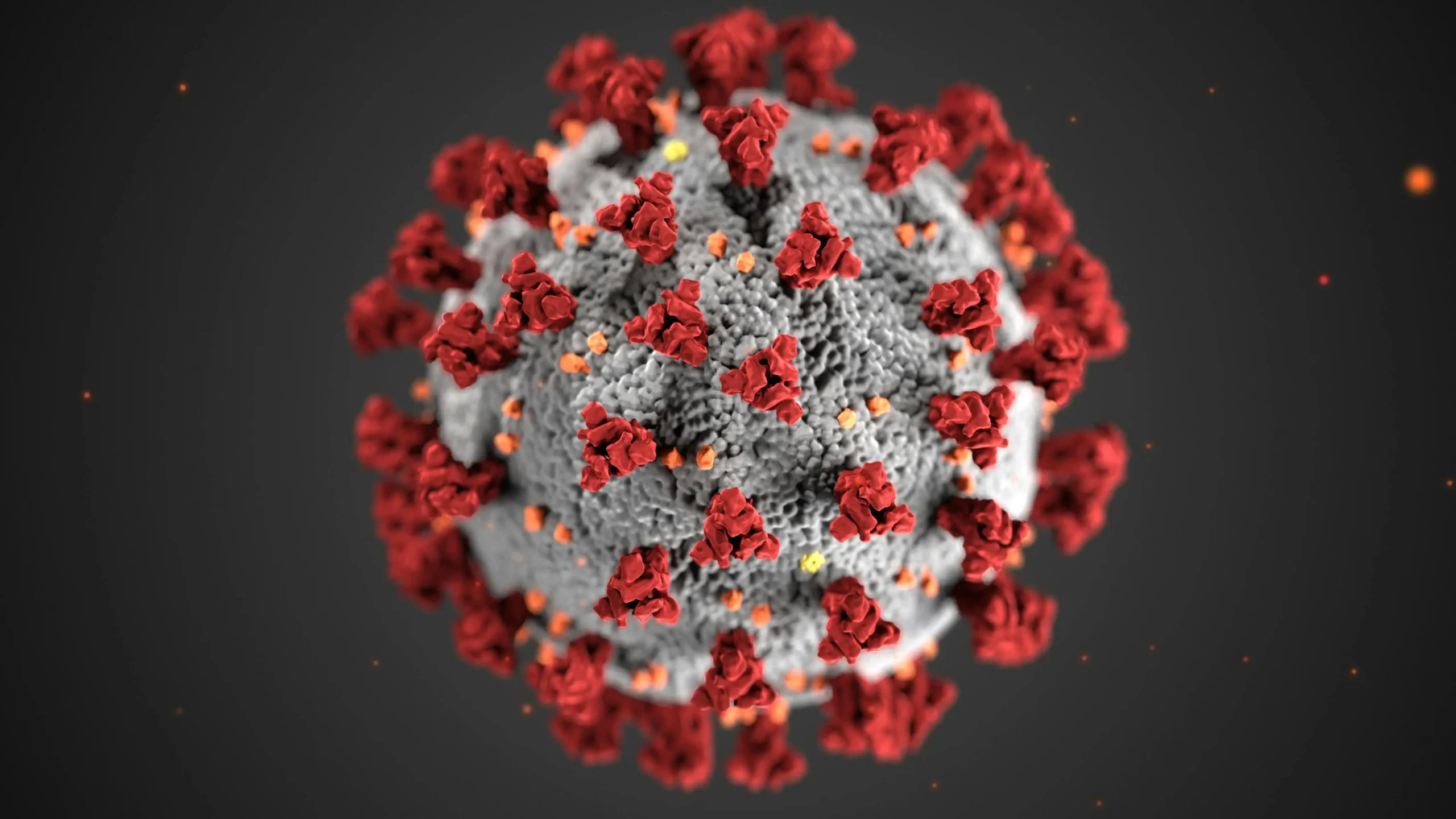
One reason is that the outer shell of viruses is made of lipids, in other words fats. These become harder at lower temperatures, which makes viruses more robust. In addition, cold air is drier, meaning it contains fewer water vapour particles. As a result, the mucous membranes in our nose become drier. And in most cases, our immune system’s first line of defence is in the nose: this is where inhaled viruses end up, and where immune cells in the nasal mucosa can fight them off. Researchers have shown that this immune response in the nose is reduced by more than 40% at cold temperatures. This effect is intensified further when heated indoor air dries out our mucous membranes even more.
On top of this, several other factors affect our immune system during the colder months. As a rule, we spend less time outdoors and get less sunlight, so our skin can produce less vitamin D. Our immune system needs vitamin D for regulation and activation, which is why a deficiency leads to weaker immune defences. We also exercise less on average, and recent studies suggest that exercise has an activating effect on our immune system.
Why can meditation support the immune system?
For a number of years now, many researchers have been studying the positive effects of a regular meditation practice. Meta-analyses show that meditation improves quality of life and general health and reduces stress. But can meditation also specifically strengthen the immune system?
How are the immune system and stress connected?
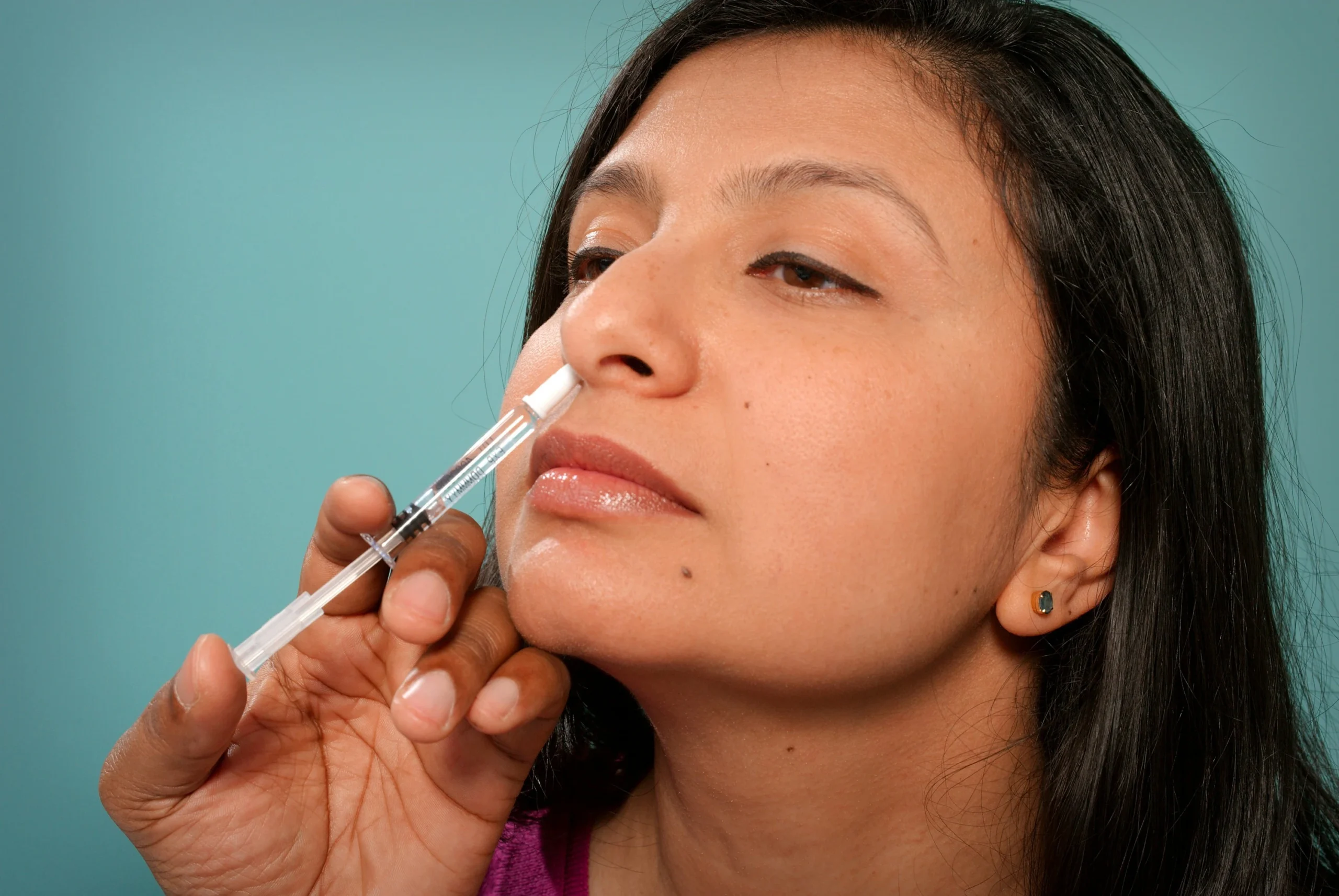
As early as the beginning of the 1990s, a British research group investigated in a series of experimental studies whether stress influences the likelihood of catching a cold. First, they used several questionnaires to assess the participants’ current levels of perceived stress. The participants then received nasal drops containing either a saline solution or cold viruses. The participants remained in quarantine for 2 days before and 7 days after receiving the nasal drops.
The researchers were able to show that people with high levels of perceived stress fell ill significantly more often, meaning they developed visible cold symptoms. But that’s not all: blood tests carried out weeks later also detected antibodies more frequently in stressed people. So stressed people didn’t just feel more unwell – they had actually been infected with the viruses more often.
Similar results have been confirmed in further studies – and they provide fairly compelling evidence of a causal link between stress and a weakened immune system. Since it is also considered scientifically established that meditation can reduce stress, this connection alone makes it seem sensible to support the immune system through meditation.
State of research: is there a link between the immune system and meditation?
In the meantime, however, some researchers have also looked at whether and how meditation directly affects our immune system. In 2016, American scientists at the University of Southern California reviewed previous studies on the subject in a meta-analysis. Across a total of more than 1,600 participants, they calculated whether meditation has consistent effects on the immune system.
And indeed, consistent effects emerged for several biomarkers. For example, certain inflammatory markers were reduced after mindfulness-based meditation (such as CRP levels). The scientists conclude from this that meditation can reduce inflammatory processes in the body, which play a role in every infection. In addition, telomerase activity was increased after meditation. This is an enzyme that can slow down the ageing of immune cells, helping defence cells to survive for longer.
Some studies in the analysis were also able to show that after meditation, the immune system responds more favourably to a flu vaccination: after meditation, antibody levels in response to a vaccination were higher. In other words, participants responded better to the vaccination and produced more defence cells against the virus. However, these effects are not consistent across all studies. According to the scientists, one reason for this could be that the meditation practice was not the same in all the studies examined, which may have blurred the effects.
So what does this mean in practice for the immune system and meditation?
When it comes to colds, the results of the meta-analysis show that meditation can also support the immune system directly. A better-regulated inflammatory response and more robust defence by immune cells can help to fend off infections entirely, or at least keep them milder if you do become infected.
Meditation is no substitute for vaccination or medical treatment. But from a scientific point of view, it is also a sensible way to support your immune system in autumn and winter. It works both directly on the immune system and indirectly by reducing stress.
How can you use meditation for your immune system?
Overall, the results of the American researchers’ meta-analysis suggest that the effects of meditation on the immune system are dose-dependent, meaning more practice leads to stronger effects. However, if you don’t have any experience with meditation yet, we recommend starting with short sessions. At least when it comes to reducing stress, even short meditation sessions have noticeable effects. And as you now know, this can also indirectly strengthen your immune system.
To begin with, sessions of just a few minutes are enough, and they fit easily into any daily routine. Breathing meditations or a short body scan, for example, are well suited. You can find suitable guidance for getting started with meditation here on our blog or on the YouTube channel of Phil Pham.
Sarah B. (BSc Psychology)
Deepen your meditation practice with Mindfulife
Meditation can be more than a short break in your everyday life. If you would like to understand more deeply how meditation works, how to build a steady practice of your own and how to guide others mindfully, our meditation teacher training is the next step. There you will not only get to know meditation in theory, but also develop more confidence, clarity and trust in your own practice.
Would you like to find out more about the training first? In our weekly webinar you will get an insight and learn more about what your path to becoming a meditation teacher could look like.
For regular support in your everyday life, you can also use our online meditation studio and join guided meditations flexibly via Eversports.
We look forward to accompanying you on your journey.
You can find more mindfulness inspiration on our channels too
References
Black, D. & Slavich, G. M. (2016). Mindfulness meditation and the immune system: a systematic review of randomized controlled trials. Annals of the New York Academy of Sciences, 1373, 13–24.
Choudhary, A. K., & Abirami, R. (2025). Spirituality and Medicine in the USA, Europe, and the UK: A Systematic Review and Meta-analysis of Integrative Approaches to Patient Satisfaction, Quality of Life, and Health Outcomes. Journal of Religion and Health, 1–31.
Cohen, S., Tyrrell, D. A. J., & Smith, A. P. (1991). Psychological Stress and Susceptibility to the Common Cold. The New England Journal of Medicine, 325(9), 606–607.
Grushko, V., Kernas, A. et al. ((2025) The Impact of Sports Activities on the Immune System: Sports Pedagogy. Romanian Journal for Multidimensional Education / Revista Românească pentru Educaţie Multidimensională, 17(2), 378–394.
Huang, D., Taha, M. S., Nocera, A. L., Workman, A. D., Amiji, M. M., & Bleier, B. S. (2023). Cold exposure impairs extracellular vesicle swarm–mediated nasal antiviral immunity. The Journal of Allergy and Clinical Immunology, 151(2), 509–525.
Johnson, C. R., & Thacher, T. D. (2023). Vitamin D: immune function, inflammation, infections and auto-immunity. Paediatrics & International Child Health, 43(4), 29–39.
Koncz, A., Demetrovics, Z., & Takacs, Z. K. (2021). Meditation interventions efficiently reduce cortisol levels of at-risk samples: a meta-analysis. Health Psychology Review, 15(1), 56–84.
Seekircher, J., Burgard, T., & Bosnjak, M. (2023). The effects of clinical meditation programs on stress and well-being: An updated rapid review and meta-analysis of randomized controlled trials (RCTs) with active comparison groups. Zeitschrift für Psychologie, 231(1), 16–29