The power of meditation: how does meditation affect your brain?

 · 4 min read
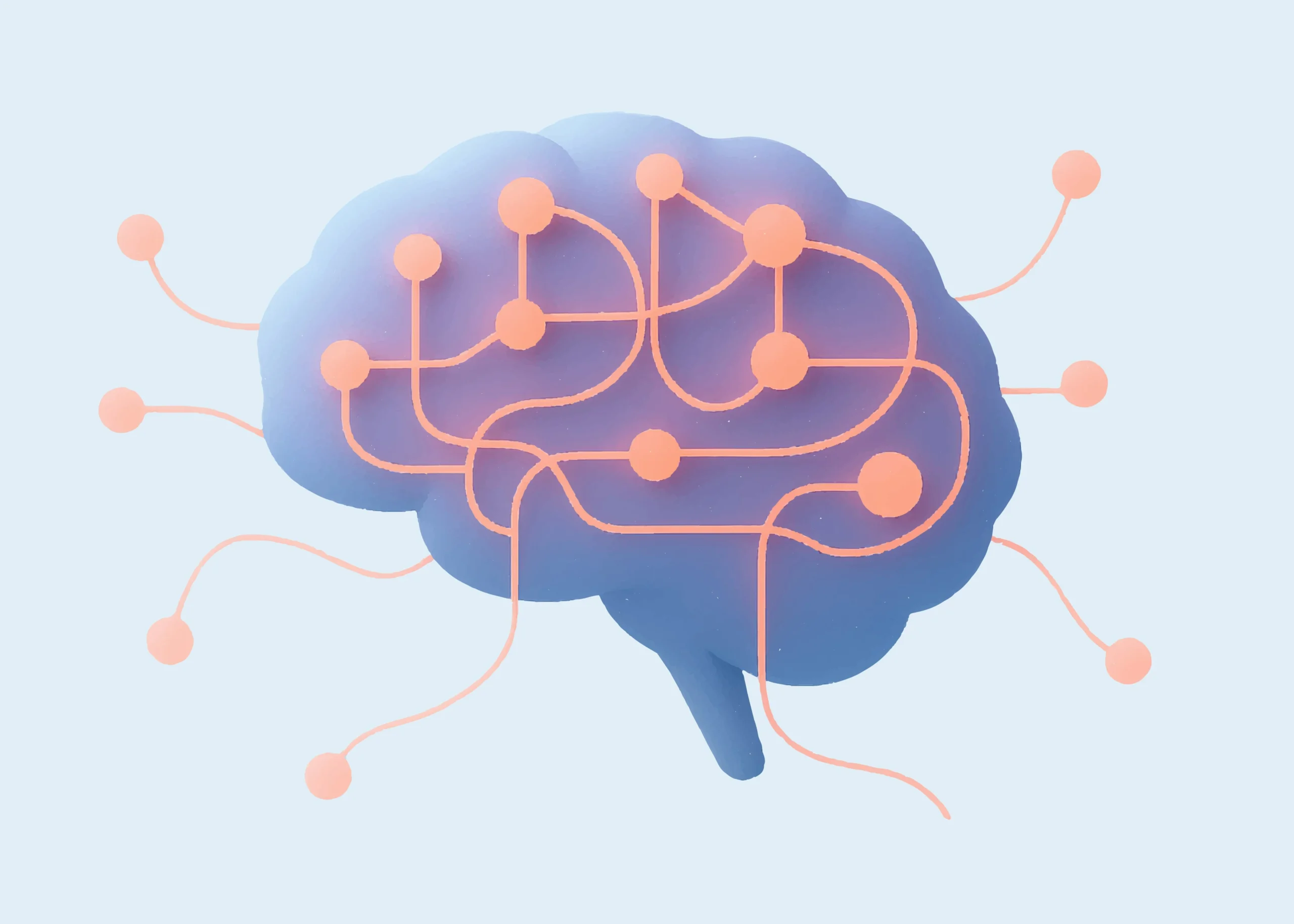
Meditation and the brain share a fascinating connection, because meditating regularly can have a positive effect on how we process stress and on our mental wellbeing.
You may already know that meditating, or practising mindfulness, is said to have positive effects on stress reduction and general mental wellbeing. Every now and then you hear that regular meditation makes you calmer and more relaxed and helps you turn away from the outside world and find your way back to your own centre.
All well and good. But perhaps you have wondered how effective meditation really is – and whether it is actually worth all the hype? That is exactly what this article is about.
Because meditation is far more than just a spiritual practice lacking any scientific basis. Quite the opposite: meditation has been studied extensively in research. One of the key areas of focus is the effect of meditation on processes in the brain, and one of the central concepts in this context is neuroplasticity.
What is neuroplasticity?
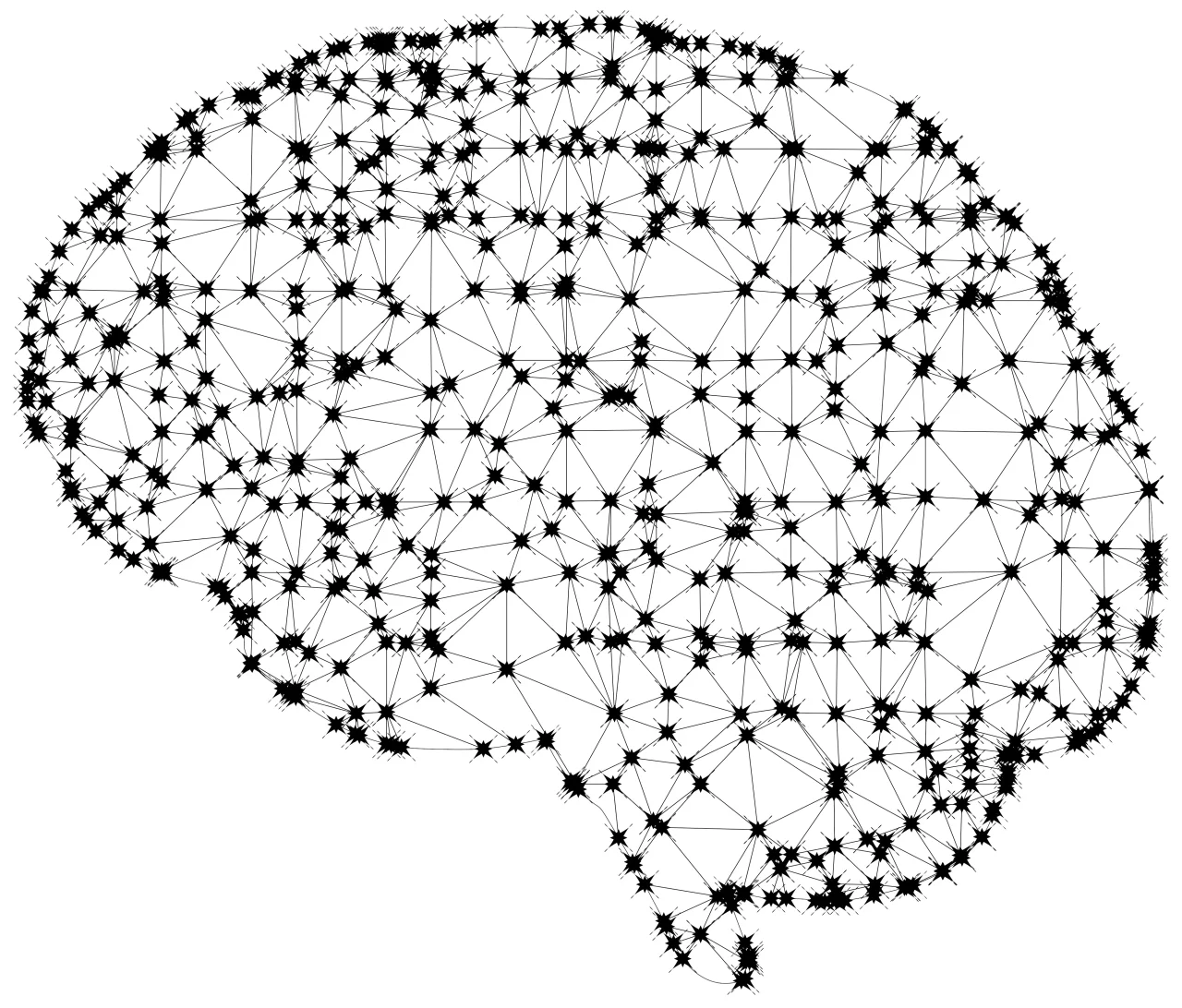
Neuroplasticity refers to changes in the brain through neural reorganisation (Gazerani, 2025). You could say the brain is ‘capable of learning’. It can adapt to new influences and experiences and develop accordingly. We now also know that the brain’s capacity to learn essentially lasts a lifetime. So even as an adult, you can benefit from the flexibility of the neural pathways in your brain.
These neural changes can be brought about by both external and internal experiences and influences.
In general, the neural connections in the brain can be either adaptive or maladaptive in nature. Addiction or chronic pain, for example, can occur as negative consequences of the brain’s adaptability. But learning new skills or healthy ageing can also go hand in hand with neuroplastic changes (Gazerani, 2025).
How are neuroplasticity and meditation connected?
Meditation, or the practice of mindfulness, has been researched extensively in relation to neuroplasticity. Studies have shown that regular meditation can bring about changes in several areas of the brain, including those associated with emotion regulation, concentration and self-awareness. Meditation has also been shown to improve stress resilience. In addition, meditation can be a coping strategy for pain (Calderone, 2024). So meditation can help you unwind after a stressful day, focus on a particular task, notice for yourself when you are drifting into spirals of thought, and even cope better with pain.
Drifting into loops of thoughts and worries is linked above all to activity in the default mode network (DMN). This activity decreases during meditation (Calderone, 2024). In the video linked below, you can find out more about the connection between meditation and activity in the DMN.
Can meditation improve mental and physical health?

How far do the positive effects of meditation really reach? Can you influence your physical and mental health through regular practice?
Research says: yes! Meditation can make you healthier. And the wonderful thing is that this lever is in your own hands. We often feel as though we are at the mercy of our body or our mind, but you can actively choose to meditate and, in doing so, cultivate greater wellbeing within yourself.
What health effects can meditation have?
Thanks to the positive emotions evoked during practice, meditation can help in dealing with PTSD, depression or anxiety disorders .
Besides its emotional effects, meditation also influences cognitive processes in the brain. At a biological level, it has been observed that the ageing process can be slowed down when meditation is practised effectively. Anti-inflammatory processes have also been shown to improve through meditation (Jamil et al., 2023).
Meditation and the brain – conclusion
If you know what really matters when meditating and can practise it without stress as a way of doing something good for yourself, it can benefit not only your mental health but even your physical health!
Feel free to watch the following YouTube video from the Phil Pham channel to learn more about what focus meditation is all about, which common but mistaken assumptions people have about meditation, and what really matters if you want to get the most out of it:
Neo Holste (German studies student)
Deepen your meditation practice with Mindfulife
Meditation can be more than a short break in everyday life. If you would like to understand more deeply how meditation works, how to build a stable practice of your own and how to guide others mindfully, our meditation teacher training is the next step. There, you will not only get to know meditation in theory, but also develop more confidence, clarity and trust in your own practice.
Would you like to find out more about the training first? In our weekly webinar you will get an insight and learn more about what your path to becoming a meditation teacher could look like.
For regular support in everyday life, you can also use our online meditation studio and join guided meditations flexibly via Eversports.
We look forward to accompanying you on your journey.