Meditation for Highly Sensitive People – How Can Highly Sensitive People Find Calm?

 · 3 min read

Meditation can influence how we perceive the world. It can teach us to perceive more consciously while keeping a certain distance at the same time. So what role does mindfulness play in high sensitivity, and is there such a thing as meditation for highly sensitive people? This article explores that question.
What does high sensitivity mean?
One study was able to show that people feel most comfortable when they are neither bored nor overstimulated. This perception depends on the nervous system’s individual, ideal level of stimulation. An estimated 15-20 % of the world’s population are highly sensitive. These people tend to feel overstimulated more easily, as they are able to perceive more stimuli. People who are not highly sensitive would be less aroused by the same perception and would therefore not become overstimulated. In other words, people who are not highly sensitive are better able to filter the stimuli of everyday life and thus protect themselves from genuine sensory overload.
What particularly characterises highly sensitive people is that they perceive things very precisely and process information at deeper levels, which is why they are usually strongly affected by other people’s moods and emotions. They also generally need longer to recover from stimulation (Aron, 2009). According to Smolewska and colleagues (2006), high sensitivity can be explained by three dimensions: a low sensory threshold, ease of excitation and aesthetic sensitivity.
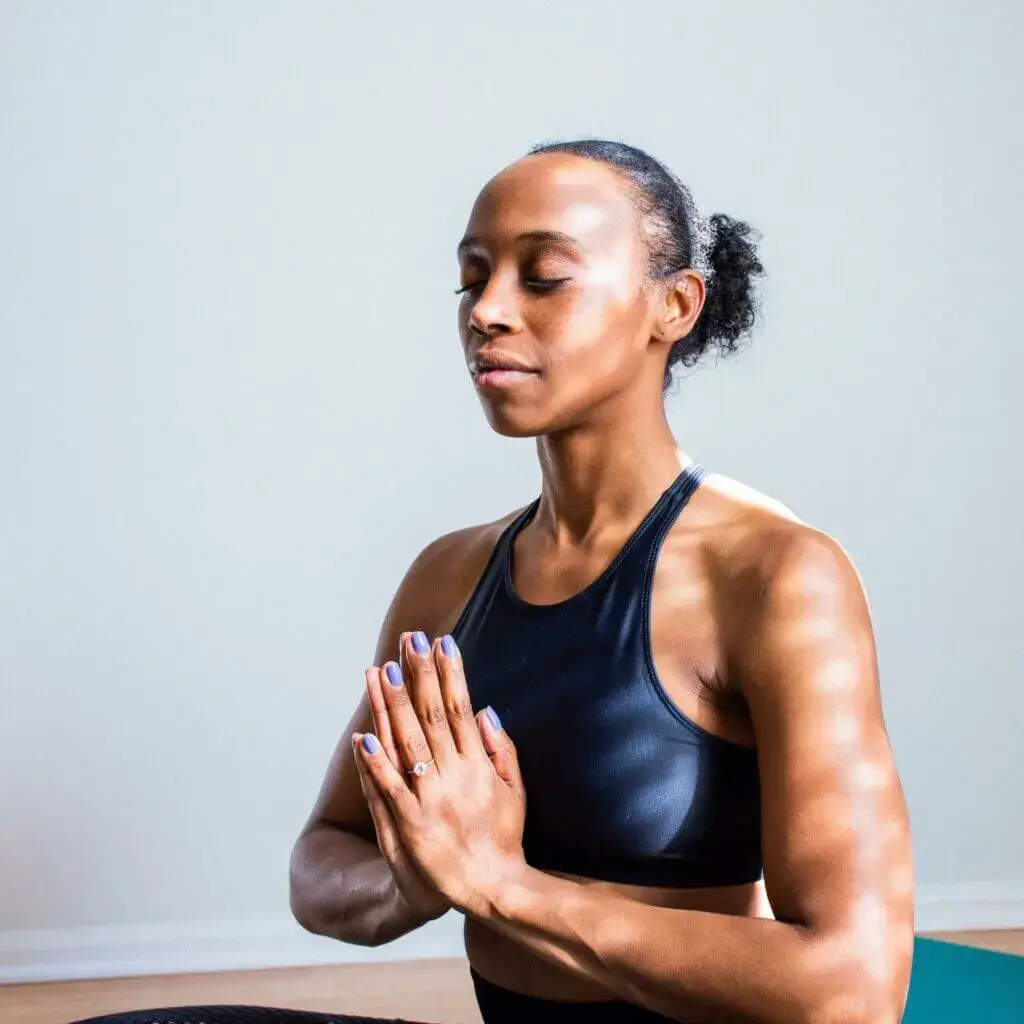
Meditation for highly sensitive people
One way of dealing with the intensity of stimuli is meditation, which is particularly useful for managing stress (Jaeger, 2004). Elaine N. Aron (2009), who first proposed the construct of high sensitivity in her book “The Highly Sensitive Person”, also recommends meditation to highly sensitive people. It helps them gain a clear, fresh view of life and feel completely at one with themselves. It can also help them reach a state of pure awareness, free from physical activity, concentration and effort. This can help them recover from everyday life (Aron, 2009), since constant stimulation poses a serious risk for highly sensitive people and leads to burnout more often (Jaeger, 2004).
Meditation can also be used to support therapy with highly sensitive people. In addition, meditation can help them direct their attention towards the outside world, making it easier to maintain social contacts without focusing too much on themselves (Aron, 2009).
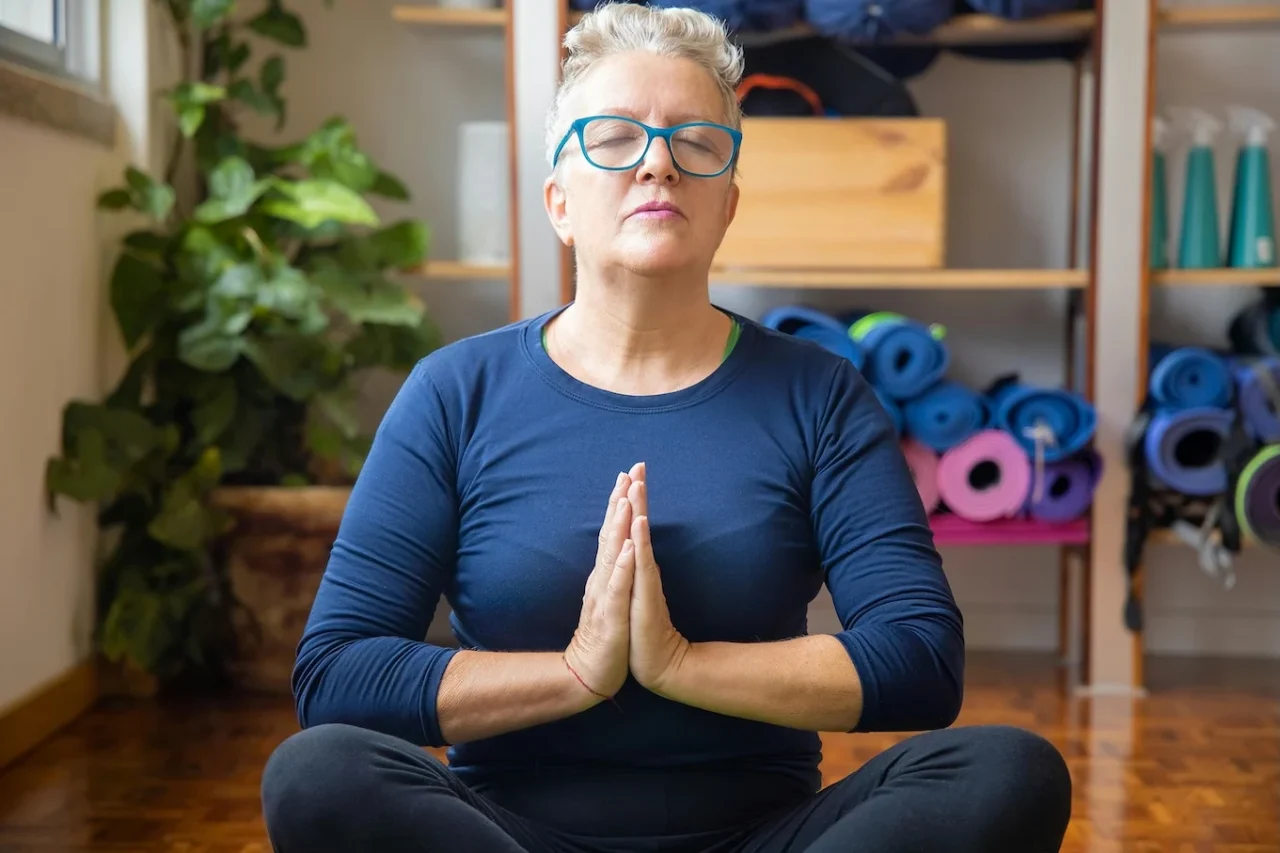
Can meditation help if you are highly sensitive?
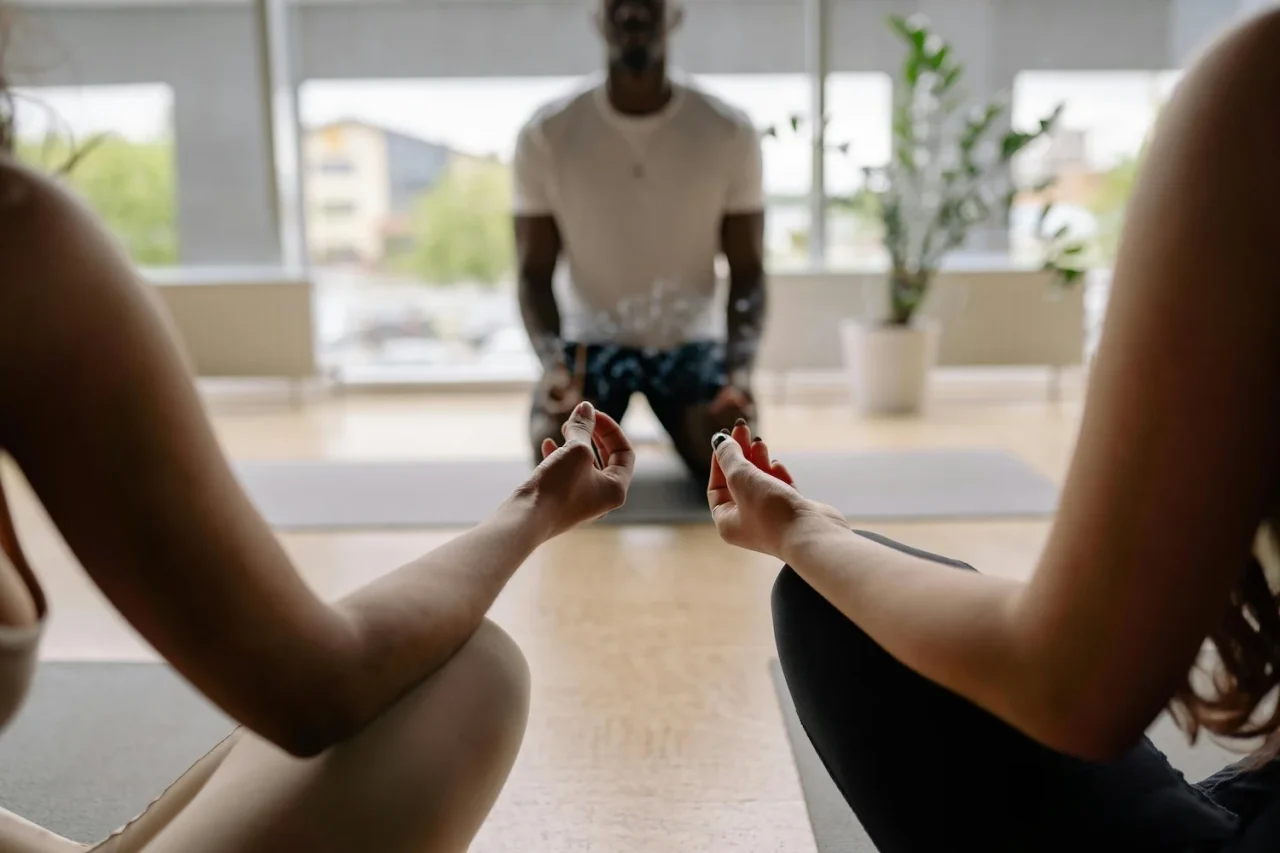
Because highly sensitive people have very fine-tuned perception, being guided during meditation can be especially important. As meditation involves engaging with your own body and mind, it may have a negative effect on highly sensitive people if they are not guided. One reason for this might be that they feel overwhelmed by an altered state of consciousness. Caution is also advised in the case of mental illness, as mindfulness exercises could trigger negative spirals of thought. It is advisable to first familiarise yourself with meditation and to be guided while meditating.
Meditation for highly sensitive people – this article in brief
- People feel most comfortable at their ideal level of stimulation
- Highly sensitive people tend to become overstimulated more easily
- Meditation helps them deal better with feeling overwhelmed
- Meditation also helps people recover from everyday life and can support therapy
- Guidance from meditation teachers is important when meditating
Mindful self-compassion
If you would like to learn more about mindful self-compassion, we have an interesting article for you here! See you there!
Deepen your meditation practice with Mindfulife
Meditation can be more than a short break in your everyday life. If you would like to understand more deeply how meditation works, how to build a steady practice of your own and how to guide others mindfully, our meditation teacher training is the next step. There you will not only get to know meditation in theory, but also develop more confidence, clarity and trust in your own practice.
Would you like to find out more about the training first? In our weekly webinar you will get an insight and learn more about what your path to becoming a meditation teacher could look like.
For regular support in your everyday life, you can also use our online meditation studio and join guided meditations flexibly via Eversports.
We look forward to accompanying you on your journey.
You can find more mindfulness inspiration on our channels too
References
Aron, E. N. (2009). The Highly Sensitive Person in Love: Understanding and Managing Relationships When the World Overwhelms You. Potter/Ten Speed/Harmony/Rodale.
Jaeger, B. (2004). Making work work for the highly sensitive person (S. xiv, 239). McGraw-Hill.
Smolewska, K. A., McCabe, S. B., & Woody, E. Z. (2006). A psychometric evaluation of the Highly Sensitive Person Scale: The components of sensory-processing sensitivity and their relation to the BIS/BAS and “Big Five”. Personality and Individual Differences, 40(6), 1269–1279. https://doi.org/10.1016/j.paid.2005.09.022