What exactly is mindfulness and how does it work?

 · 4 min read
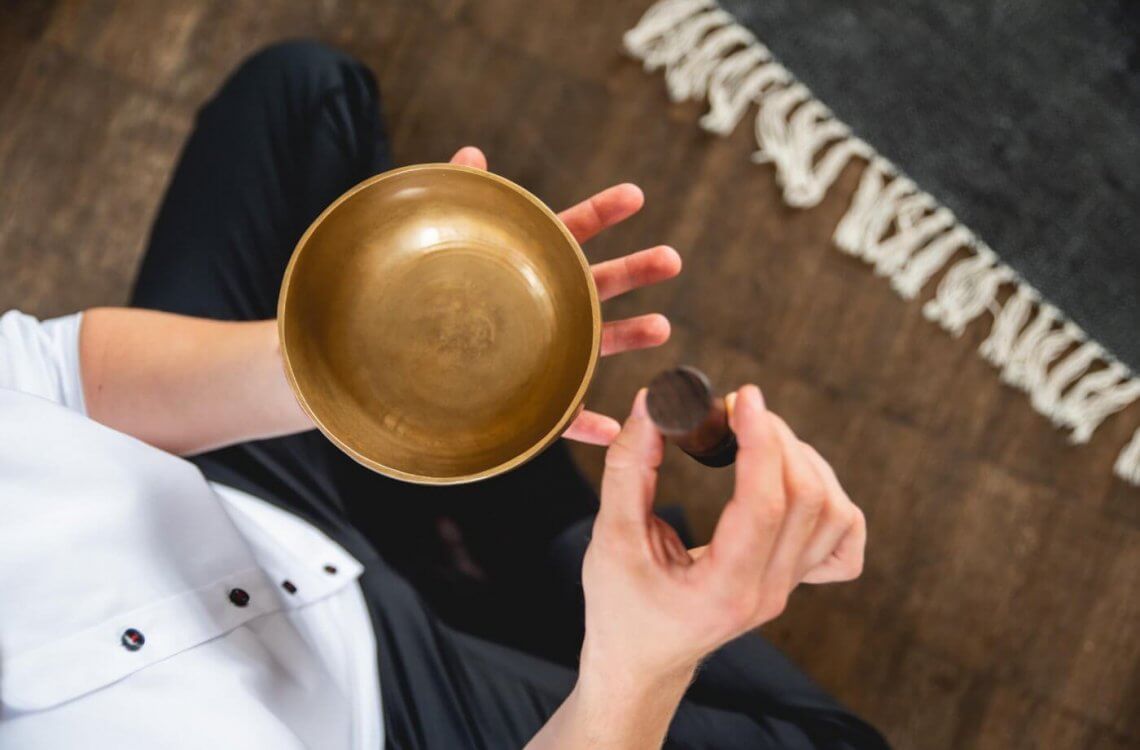
Mindfulness is a term nobody can avoid these days. On the internet, at trade fairs and in gyms, the word ‘mindfulness’ is used to sell things. There are even magazines devoted mainly to the subject, and we at Mindfulife have also made mindfulness meditation the heart of our company.
But what actually is mindfulness?
Doris Kirch, head of the German Centre for Mindfulness (Deutsches Fachzentrum für Achtsamkeit), defines it as ‘a special form of attention’ that consciously perceives the present moment without judging it.
This very sentence contains two core principles of mindfulness:
The conscious perception of the moment, which places the focus on the here and now , and non-judgement, with which every experience is accepted without categorising it with adjectives such as ‘good’ or ‘bad’.
At first this sounds quite simple – but when you look at it more closely, you soon realise that it is not quite so easy after all.
With increasing digitalisation and the constant demands placed on us in both our working and private lives, it is often hard to experience the moment consciously. We are constantly expected to have a concrete plan for the future or entertaining anecdotes from the past at the ready, so that we are as well prepared as possible for every eventuality.

Why do we forget the moment?
In all this, the here and now is often forgotten. In our minds we are already working through the shopping list or quickly going over the last emails we still need to answer. This often comes at the expense of our own needs. Just think about how often last week you ignored hunger and thirst, or simply didn’t notice them, because you were so busy finishing something off ‘really quickly’.
Mindfulness meditation helps us to perceive more consciously once again what is happening around us and, above all, within us. Through regular practice we also learn an open basic attitude that brings us more calm, because we are able to meet experiences with less judgement.
What is the difference between mindfulness and meditation?
What exactly do mindfulness and meditation have to do with each other? We can answer this question by taking a closer look at meditation and its history.
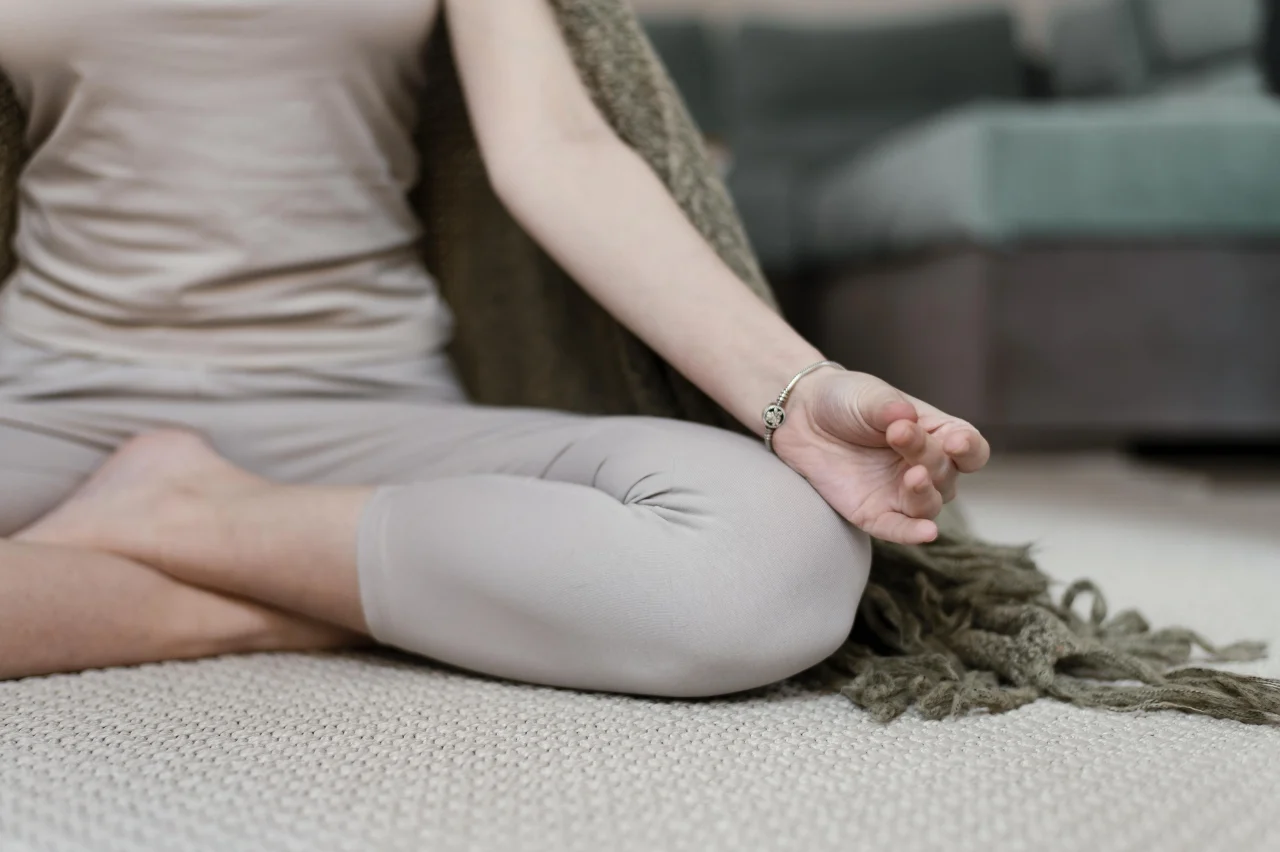
Meditation has many faces. The classic image of a monk sitting in silence, which instinctively comes to mind for many people as soon as they think of meditation, represents only one form. Tai chi, mantra meditation, qigong and yoga are also forms of meditation in their own right – as is mindfulness meditation.
Distinguishing between the terms has become difficult at this point, as ‘mindfulness’ has in recent years been used as a word for everything and nothing at the same time. Being mindful, however, does not mean handling an object carefully or dwelling at length on the reasons for your current emotional state.
On the contrary – someone with a mindful basic attitude perceives the moment consciously and without judgement, without searching for reasons behind the current situation or drawing conclusions from it. It is precisely through this basic attitude that we find our way back to meditation as we often imagine it, which closes the circle: in moments of stillness, when we direct our attention quite consciously and calmly to the present moment, we can learn and internalise this basic attitude. Read more about the effects of meditation here.
Are these ideas new?
Of course, mindfulness is not a new concept that modern humans have developed over the last few decades. Meditation – including mindfulness meditation – has roots going back thousands of years. The oldest written records date from around 1500 BC, in the Vedas, collections of religious Hindu texts.
In the Buddhist tradition, written records can be found from around 100 BC, which is still roughly 2118 years before the present day. An unimaginably long time – and just one piece of evidence that meditation was recognised as a valuable practice long before us. And not only in Eastern religions: records of various forms of meditation practice can also be found in Judaism, Christianity and Islam. If you’re interested, read more about the history of meditation.
What does this mean today?
Nowadays, mindfulness meditation is often practised as a counterbalance to stressful working life, without any religious or spiritual component. The aim of a secular mindful practice is not the path to enlightenment, as in Buddhism, but rather to benefit from the positive effects of mindfulness meditation in everyday life. The benefits of mindful practice (for example mindful eating) are many and varied. For some years now, meditation has also been a subject of scientific research – and the findings so far are compelling in many areas.
What are the effects of regular mindfulness meditation?
Numerous studies demonstrate the positive effects of regular mindfulness meditation. By experiencing the moment consciously and without judgement, we can perceive our own body and feelings without them immediately putting us under pressure to act. Our attention is trained and our ability to concentrate can be improved. We can learn not to let ourselves be distracted so much from what we are currently doing, and the mental ‘But I still have to …!’ that creeps in while we are actually giving our body and mind a well-deserved break can – and this is important – be let go.
Not pushed away. Because, contrary to the widespread belief that meditating means thinking about nothing at all, this is not the case. By consciously perceiving our thoughts and refraining from classifying them as unpleasant, urgent or irrelevant, we can more easily bring our attention back to the present. This can be liberating and reduce stress – another scientifically proven effect.

Further reading
If you’d like to know how to formulate your goals better and then achieve them more efficiently, take a look at our article on the SMART method. See you there!
Deepen your meditation practice with Mindfulife
Meditation can be more than a short break in your everyday life. If you would like to understand more deeply how meditation works, how to build a steady practice of your own and how to guide others mindfully, our meditation teacher training is the next step. There you will not only get to know meditation in theory, but also develop more confidence, clarity and trust in your own practice.
Would you like to find out more about the training first? In our weekly webinar you will get an insight and learn more about what your path to becoming a meditation teacher could look like.
For regular support in your everyday life, you can also use our online meditation studio and join guided meditations flexibly via Eversports.
We look forward to accompanying you on your journey.
You can find more mindfulness inspiration on our channels too
References
Tang, Y. Y., Hölzel, B. K., & Posner, M. I. (2015). The neuroscience of mindfulness meditation. Nature Reviews Neuroscience, 16(4), 213–225. https://doi.org/10.1038/nrn3916
Hölzel, B. K., Lazar, S. W., Gard, T., Schuman-Olivier, Z., Vago, D. R., & Ott, U. (2011). How does mindfulness meditation work? Proposing mechanisms of action from a conceptual and neural perspective. Perspectives on Psychological Science, 6(6), 537–559. https://doi.org/10.1177/1745691611419671
Deutsches Fachzentrum für Mindfulness. (n.d.). Was ist Achtsamkeit? Wirkung und Anwendung. https://dfme-achtsamkeit.com/was-ist-achtsamkeit-wirkung/