My Experience with Meditation: A Personal Account

 · 3 min read
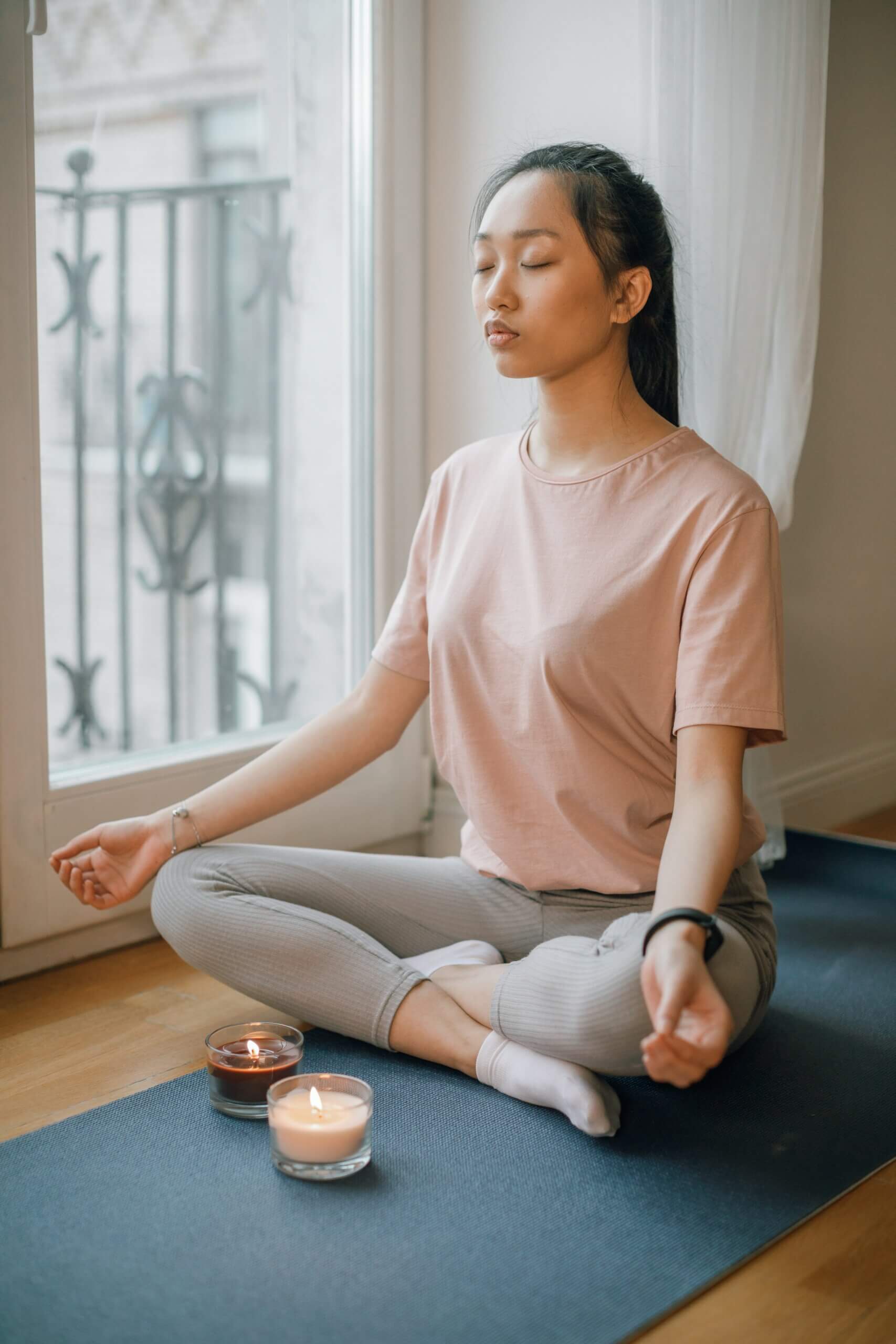
In this personal account, you will find out how Benji from Mindfulife came to meditation and how his perspective changed through his own experiences and scientific findings. You will also get tips on how to start meditating yourself and learn how sharing experiences with others can enrich your own practice. We hope you enjoy reading it!
What did I used to think meditation was?
I used to think meditation was pure esotericism. To me, it was something mystical, untouchable, not really tangible. That was until 2021, the year I discovered the power and profound effects of meditation.
I was in the fifth semester of my degree and chose the specialisation “Mindful Leadership” – this module gave me a new way into mindfulness and meditation.
How can I make the most of the power of meditation?
Through practical exercises, scientific theories about the effects of meditation, daily sessions as part of lectures and a meditation I led myself during the semester, I came to recognise the value of meditating. The key was regularity and consistency. We were introduced to studies of Tibetan monks and shown how the brain changed at a neurobiological level with regular meditation – for example, how the frontal lobe grows like a muscle, creating more capacity in the mind. I was fascinated.
Is meditation a miracle cure?
From that point on, meditating every day became more and more important to me. At first in the evening before going to bed, and later also in the morning after getting up. I don’t want to present meditation here as a miracle cure that heals all your worries. So what are the benefits of meditation? As a valuable tool, it can help you change your perspective on your worries, which is a huge gain. In addition, meditation teaches you to build a relationship with your emotions and thoughts. You learn to recognise your mental ‘current state’. You learn to deal with your emotions in a different way – to accept them. In general, regular practice can create more spaciousness and acceptance in the mind. At least, that is what I can say from my own experience.
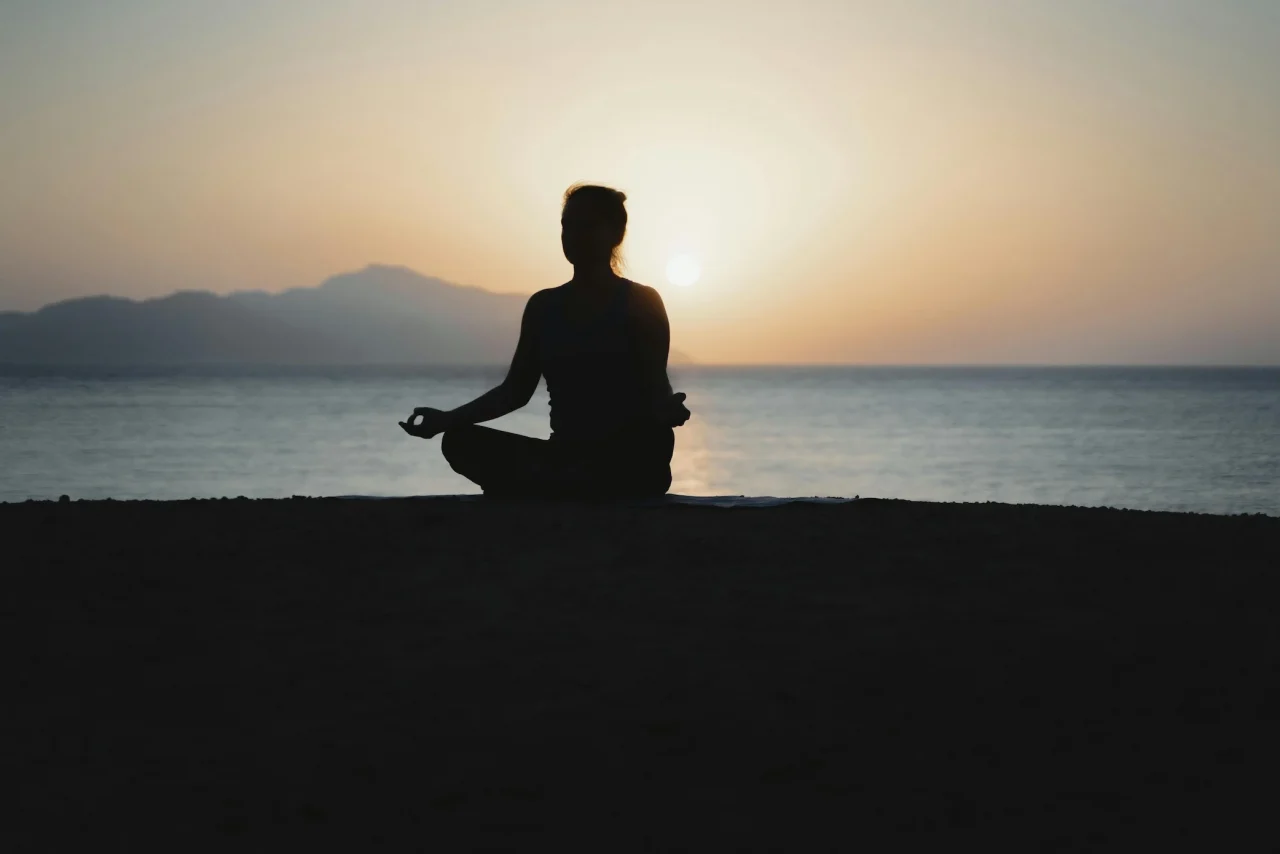
My meditation teacher training
Meditation can help you build a new, deeper connection to your mind, your soul and your heart. Meditation can be helpful for everyone – whether young or old, stressed or relaxed. Over the coming months, I plan to take the next step and start a meditation teacher training so that I can lead meditations myself in the future.
I can complete the 100-hour training with Mindfulife flexibly from home and come one step closer to my goal. Once I have finished my bachelor’s degree next year, I will be able to offer meditation classes on the trip my girlfriend and I have been planning for a long time. Perhaps meditation is something for you too – feel free to give it a try in our app for online meditations.
More personal accounts
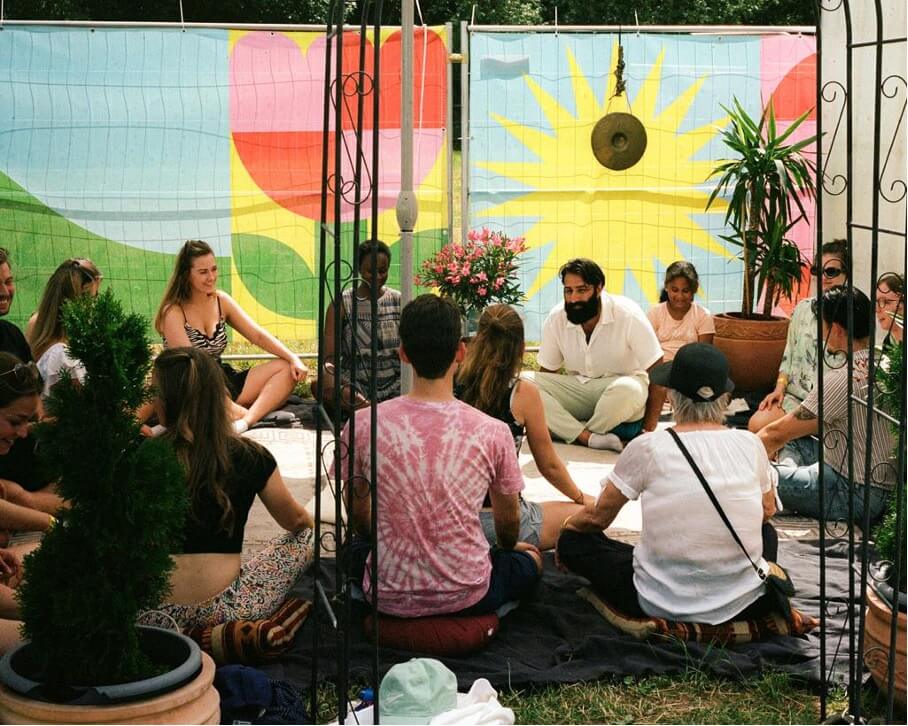
Sometimes it helps to talk to other people about their opinions and experiences on a topic. That is how we grow and learn from one another. The same goes for meditation. Don’t know anyone you can talk to about it? No problem! In our ’10 Questions for’ series, you get fascinating insights into the lives and meditation practice of our team members, such as Frank, Stella or Katrin.
Deepen your meditation practice with Mindfulife
Meditation can be more than a short break in your everyday life. If you would like to understand more deeply how meditation works, how to build a steady practice of your own and how to guide others mindfully, our meditation teacher training is the next step. There you will not only get to know meditation in theory, but also develop more confidence, clarity and trust in your own practice.
Would you like to find out more about the training first? In our weekly webinar you will get an insight and learn more about what your path to becoming a meditation teacher could look like.
For regular support in your everyday life, you can also use our online meditation studio and join guided meditations flexibly via Eversports.
We look forward to accompanying you on your journey.
You can find more mindfulness inspiration on our channels too
References
Baer, R., Crane, C., Montero-Marin, J., Phillips, A., Taylor, L., Tickell, A., & Kuyken, W. (2021). Frequency of Self-reported Unpleasant Events and Harm in a Mindfulness-Based Program in Two General Population Samples. Mindfulness, 12(3), 763–774. https://doi.org/10.1007/s12671-020-01547-8
Britton, W. B., Lindahl, J. R., Cooper, D. J., Canby, N. K., & Palitsky, R. (2021). Defining and Measuring Meditation-Related Adverse Effects in Mindfulness-Based Programs. Clinical Psychological Science, 9(6), 1185–1204. https://doi.org/10.1177/2167702621996340
Farias, M., Maraldi, E., Wallenkampf, K. C., & Lucchetti, G. (2020). Adverse events in meditation practices and meditation‐based therapies: A systematic review. Acta Psychiatrica Scandinavica, 142(5), 374–393. https://doi.org/10.1111/acps.13225