Meditation in Everyday Life: How Does It Really Work? 5 Effective Types

 · 4 min read
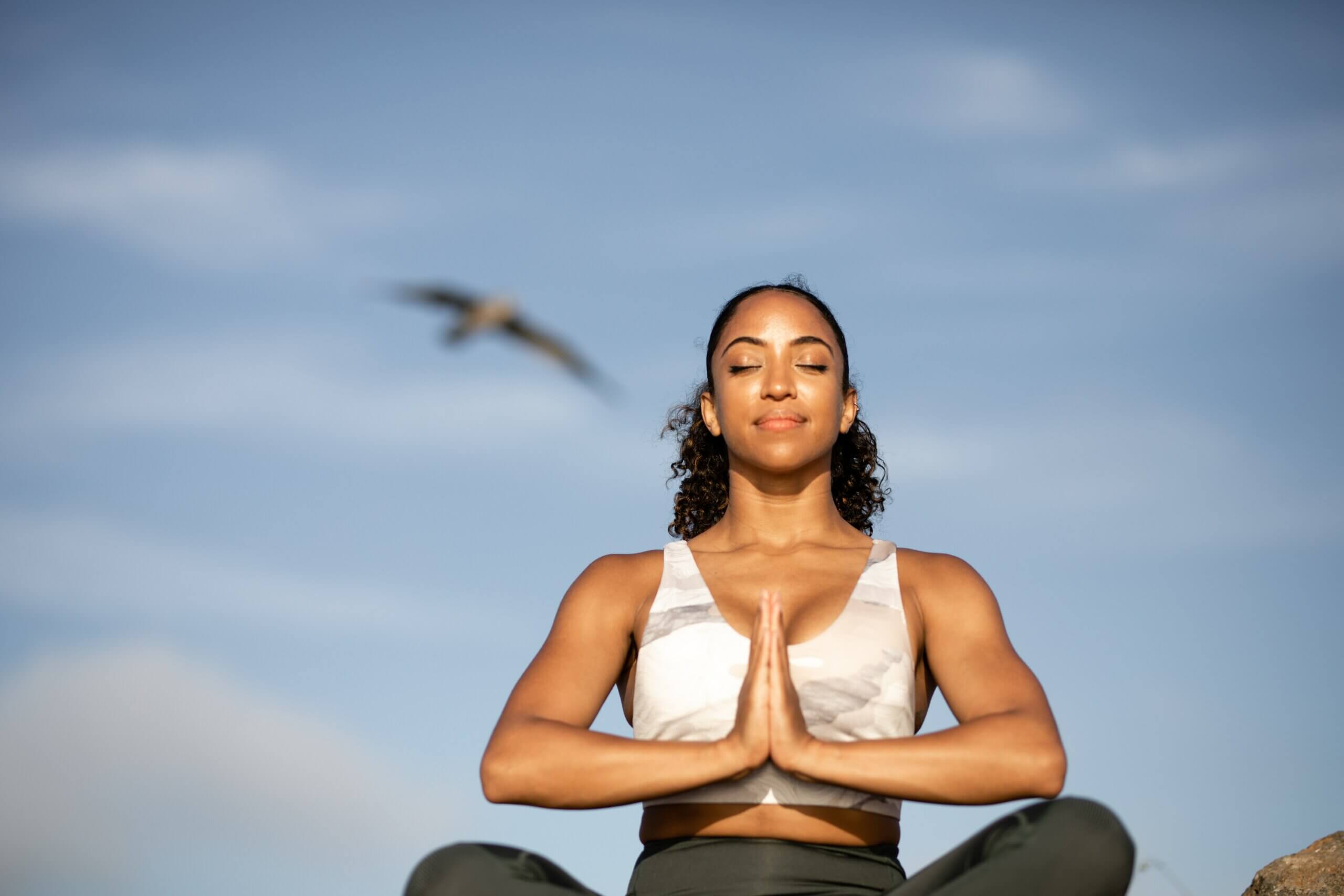
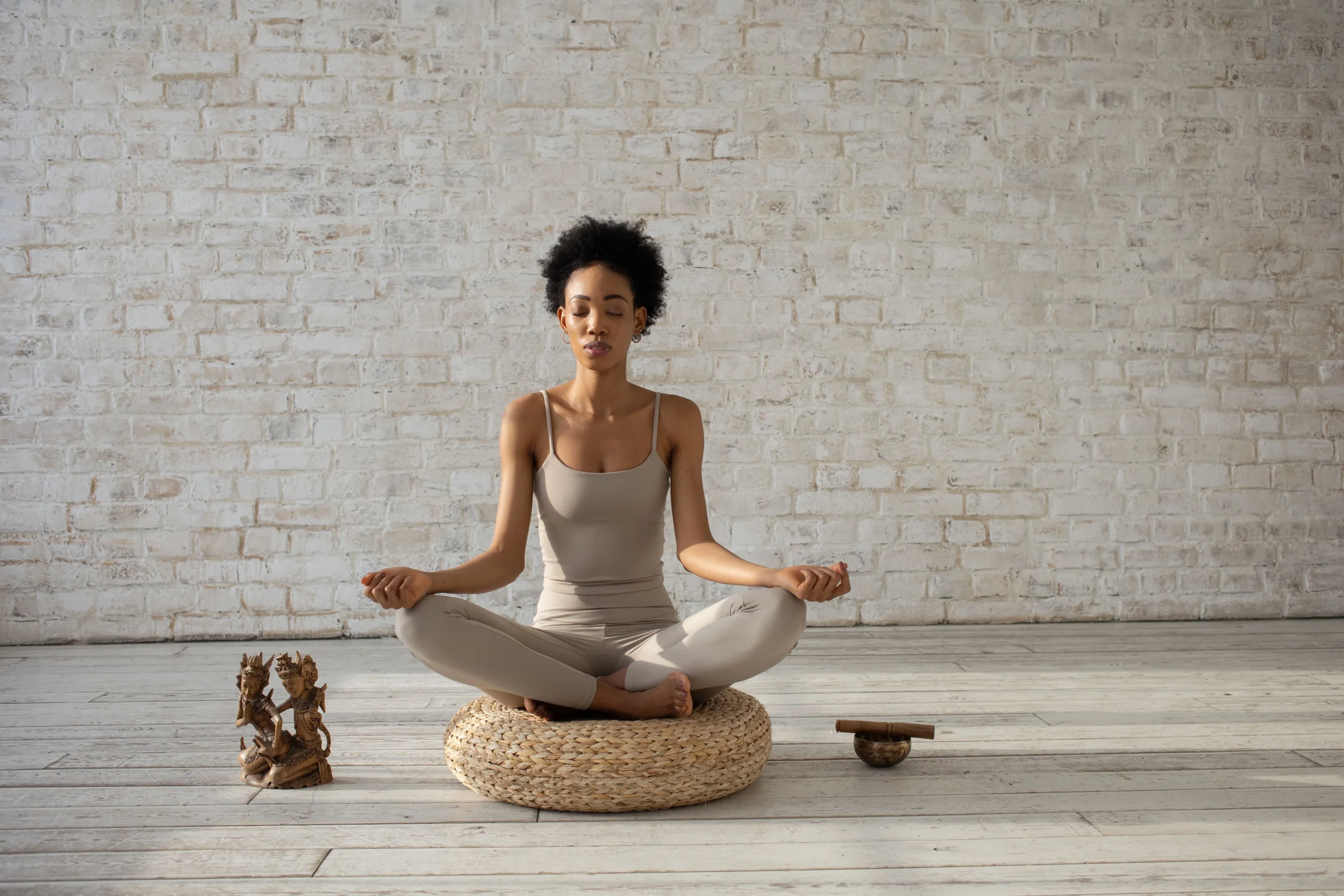
Over the last few decades, meditation has evolved from a predominantly spiritual practice into an intensively researched subject of psychological and medical science. Particularly against a backdrop of growing everyday pressures, chronic stress and the rising prevalence of mental illness, meditation in everyday life is becoming increasingly important as a practical tool for promoting health, wellbeing and self-regulation. The aim of this article is to provide a scientifically grounded overview of meditation in everyday life, to introduce various types of meditation and exercises, and to offer practical tips for integrating it into daily life.
Definition and scientific classification
The term meditation refers to a group of mental training methods that aim to systematically train attention and awareness. In psychological research, meditation is often understood as a self-regulation strategy in which cognitive, emotional and attentional processes are deliberately influenced. Particularly well researched is mindfulness meditation, which aims at a non-judgemental, present-focused awareness of inner and outer experiences.
Neurobiological studies show that regular meditation practice is associated with structural and functional changes in the brain. These include, among other things, increased grey matter density in the prefrontal cortex and the hippocampus, as well as changes in the amygdala, which are associated with improved emotion regulation and stress processing. In addition, numerous randomised controlled trials have demonstrated positive effects on stress, anxiety, depressive symptoms, attention and subjective wellbeing.
Different forms of meditation
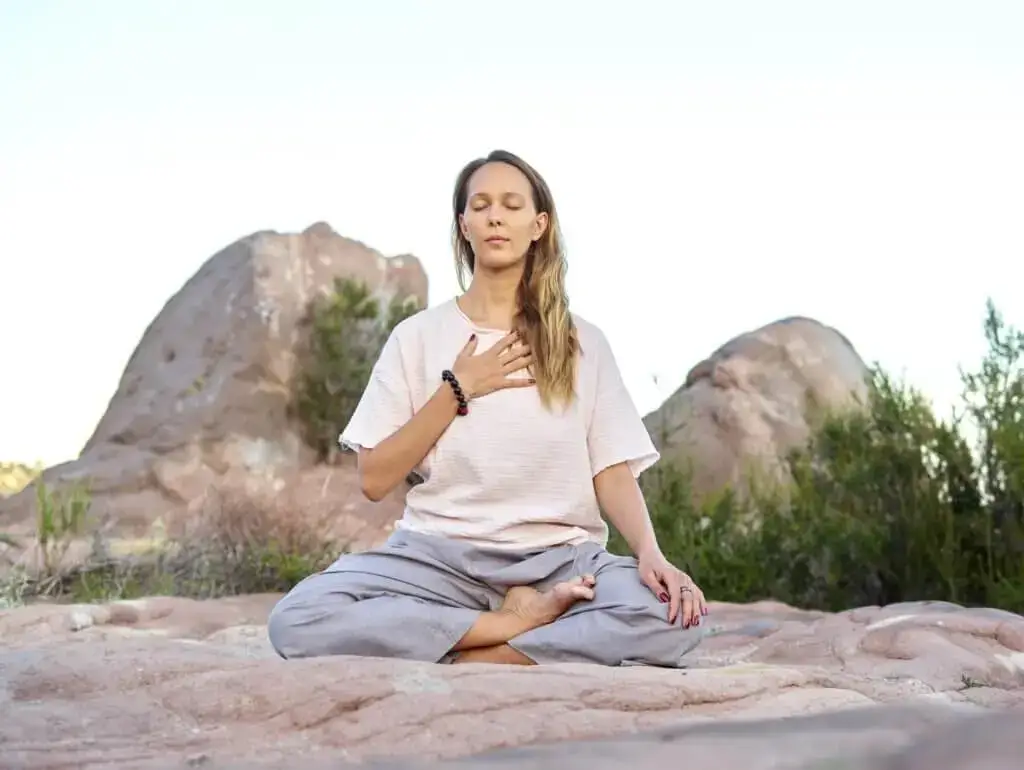
Meditation is not a single uniform method; it encompasses different approaches, each with its own specific aims and exercises.
Mindfulness meditation
Mindfulness meditation is rooted in Buddhist traditions, but has been popularised in secular form above all through Kabat-Zinn’s Mindfulness-Based Stress Reduction programme (MBSR). At its heart is the conscious, non-judgemental awareness of the present moment. Typical exercises include observing the breath, the body scan and open monitoring of attention.

Concentrative meditation
In concentrative forms of meditation, attention is deliberately directed towards an object, such as the breath, a mantra or a visual symbol. The aim is to stabilise attention and reduce mental distraction. This form is particularly suitable for beginners, as it offers a clear structure.

Compassion and loving-kindness meditation
This form of meditation focuses on cultivating positive emotional states such as compassion, kindness and connectedness – first towards oneself, and later towards other people. Studies show that this practice is associated with greater empathy, prosocial behaviour and emotional wellbeing.
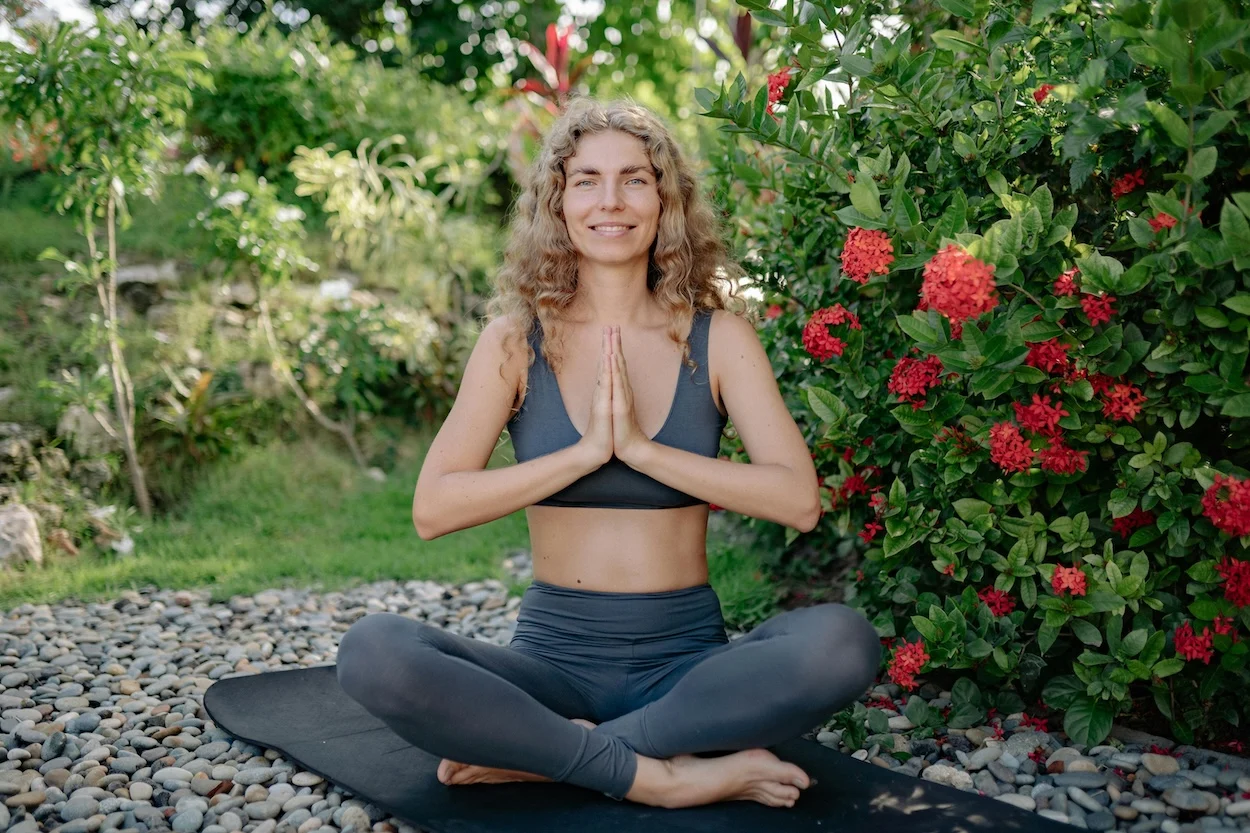
Movement-based meditation
Mindful forms of movement such as yoga, tai chi or walking meditation are also considered meditation. They combine physical activity with conscious awareness and are particularly suitable for people who find silent seated meditation difficult.

Meditation in everyday life: significance and practical application
A central aspect of modern meditation practice is its integration into everyday life. Scientific research shows that even short meditation sessions, practised regularly, can have positive effects. What matters is not so much the length as the consistency of the practice.
Everyday meditation means cultivating meditative qualities – such as mindfulness, presence and acceptance – in ordinary, day-to-day situations too. Examples include mindful eating, conscious walking or short breathing breaks at work.
Practical exercises for meditation in everyday life
A simple breathing meditation can be done in as little as two to five minutes. Attention is directed to the natural flow of the breath without changing it. Wandering thoughts are noticed, and attention is gently guided back to the breath.
The body scan is another exercise that fits easily into everyday life, in which attention is systematically guided through the body. This exercise promotes body awareness and relaxation and can be done lying down or sitting.
Mindful pauses can also be built into everyday life without formal meditation. For example, before opening an email or before a meeting, you can consciously take a breath to pause for a moment.
Practical tips for integrating meditation into everyday life
To integrate meditation into everyday life in a lasting way, it helps to set fixed times, for example in the morning after getting up or in the evening before going to bed. Short sessions of five to ten minutes are enough to get started.
A kind and accepting attitude towards yourself is crucial. Meditation is not a performance goal but a path of practice. Distractions and restless thoughts are part of the process.
Using guided meditations or structured programmes can also make it easier to get started. Studies show that guided interventions are particularly effective for beginners.
Conclusion
Meditation in everyday life is an evidence-based way of promoting mental health, self-regulation and wellbeing. Scientific research shows that even short meditation sessions, practised regularly, can have positive effects on psychological and physical processes. Thanks to the wide variety of forms of meditation, everyone can find a practice that suits them and can be integrated into everyday life in a lasting way. Meditation is therefore best understood not as a time-consuming extra task, but rather as an attitude that helps us deal with the challenges of modern life.
revised by Valerie Thürmer (psychology student, B.Sc.)
Deepen your meditation practice with Mindfulife
Meditation can be more than a short break in your everyday life. If you would like to understand more deeply how meditation works, how to build a steady practice of your own and how to guide others mindfully, our meditation teacher training is the next step. There you will not only get to know meditation in theory, but also develop more confidence, clarity and trust in your own practice.
Would you like to find out more about the training first? In our weekly webinar you will get an insight and learn more about what your path to becoming a meditation teacher could look like.
For regular support in your everyday life, you can also use our online meditation studio and join guided meditations flexibly via Eversports.
We look forward to accompanying you on your journey.
You can find more mindfulness inspiration on our channels too
References
Baer, R. A. (2003). Mindfulness training as a clinical intervention: A conceptual and empirical review. Clinical Psychology: Science and Practice, 10(2), 125–143. https://doi.org/10.1093/clipsy.bpg015
Creswell, J. D. (2017). Mindfulness interventions. Annual Review of Psychology, 68, 491–516. https://doi.org/10.1146/annurev-psych-042716-051139
Fox, K. C. R., et al. (2016). Is meditation associated with altered brain structure? A systematic review and meta‑analysis. Neuroscience & Biobehavioral Reviews, 43, 48–73. https://doi.org/10.1016/j.neubiorev.2014.03.016
Kabat‑Zinn, J. (1990). Full catastrophe living. New York: Delacorte.
Khoury, B., et al. (2015). Mindfulness‑based therapy: A comprehensive meta‑analysis. Clinical Psychology Review, 33(6), 763–771. https://doi.org/10.1016/j.cpr.2013.05.005