Neurological Disorders: Types, Explanation & Treatment
 · 14 min read
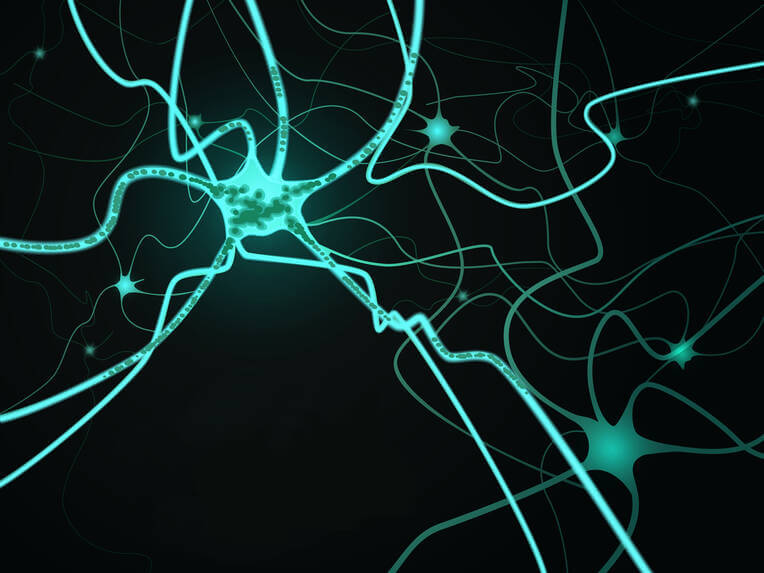
Neurological disorders are all conditions associated with the (peripheral) nervous system, the spinal cord or the brain. If you would like an overview of the best-known neurological disorders, read on!
What are neurological disorders?
Neurological disorders are all conditions relating to dysfunctions of the central nervous system (brain and spinal cord) or the peripheral nervous system. They can affect our sleep, thinking, concentration, memory, speech, vision and many other areas of everyday life.
There is a wide range of neurological disorders. The best known include:
- Stroke
- Dementia
- Traumatic brain injury (concussion)
- Meningitis
- Headaches
- Epilepsy
- Parkinson’s disease
- Brain tumours
- Multiple sclerosis
- Polyneuropathy
Below, we give you an overview of the neurological disorders just mentioned. We look at the neurological explanation of each one, as well as its symptoms, causes and treatment options.
💡Note
Please bear in mind that the following list is only intended to give you an initial overview of the most common neurological disorders. We therefore cannot go into every main category or subcategory of each condition, as these can vary greatly depending on the functions affected.
What neurological disorders are there?
First of all, it helps to understand that neurological disorders can basically be assigned to two parts of the nervous system:
- Central nervous system (CNS)
The central nervous system comprises both the brain and the spinal cord. - Peripheral nervous system (PNS)
The peripheral nervous system includes all other nerve structures in the human body. It therefore lies outside the central nervous system and can be further divided into the somatic and the autonomic nervous system.
The central nervous system covers all human functions responsible for logical thinking, memory, motor control, consciousness, the intake and transmission of information, and feelings and emotions.
The task of the peripheral nervous system, on the other hand, is the transmission of information between the body and the environment on the one side and the brain and spinal cord on the other.
1. What is a stroke?
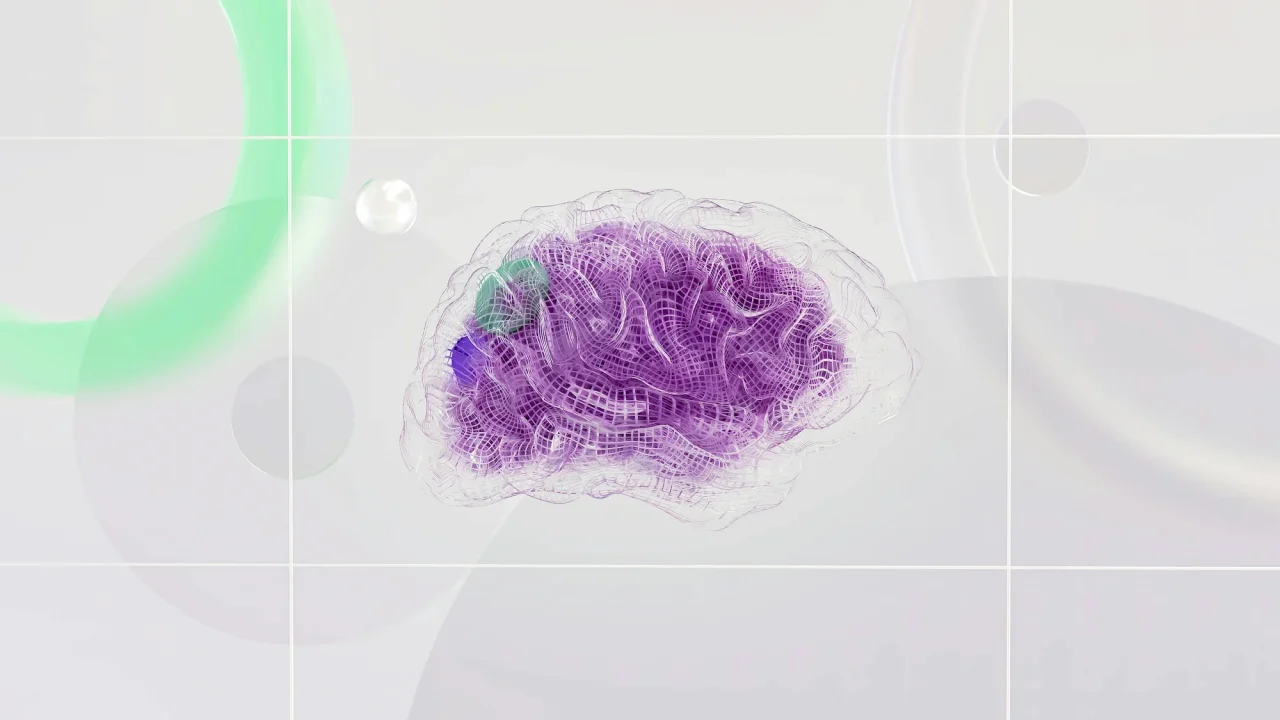
In a stroke (also called a cerebral infarction), parts of the brain, i.e. of the central nervous system, no longer receive a sufficient blood supply. As a result, large numbers of brain cells can die, which can then lead to symptoms such as numbness and paralysis in certain parts of the body, as well as speech and visual disturbances. In the worst case, a patient may even die from the condition.
A stroke is usually caused by a blocked blood vessel (e.g. due to a blood clot) in certain areas of the brain, but it can also be triggered by a brain haemorrhage (e.g. due to a serious accident). This is why it is classed as a neurological disorder. Despite qualified treatment, a full recovery is rarely possible. Patients often have to cope with physical or mental limitations for the rest of their lives.
2. What is dementia?
Dementia refers to lasting impairment of the areas of the brain responsible for thinking, memory and other brain functions. There are over 50 known forms of dementia; the most common include Alzheimer’s disease, vascular dementia, dementia with Lewy bodies and frontotemporal dementia. These can be divided into primary and secondary dementias. The causes of primary dementias (such as Alzheimer’s) are still unclear. Secondary dementias, as the name suggests, are a consequence of other conditions, such as metabolic disorders or addictions (alcohol addiction or medication misuse).
Symptoms of dementia always include a lasting decline in mental capacity. However, changes in personality or in interpersonal behaviour can also be signs of dementia. According to current knowledge, primary dementias cannot be cured, but the progression of the disease can be slowed, reducing the suffering of the person affected. Secondary dementias, on the other hand, can be cured with the right treatment, but only if the causes are identified early.
So if you have any concerns about yourself or someone close to you, be sure to have them checked by a trained medical professional!
3. What is a traumatic brain injury?
A traumatic brain injury (milder forms are known as concussion) is any kind of injury to the brain caused by an external force (e.g. an accident or violence).
Symptoms of a traumatic brain injury can include visual and cognitive disturbances, headaches, nausea, dizziness and loss of consciousness.
Treatment options (medication, bed rest or surgery) vary depending on the severity of the injury. On the basis of this information, a prognosis for recovery can then be made.

4. What is meningitis?
Meningitis is an inflammation of the membranes surrounding the spinal cord and the brain (the meninges).
The main causes of meningitis are viruses, but in some cases bacteria. Meningitis caused by bacteria (e.g. meningococci, pneumococci) is particularly dangerous, as it can lead to a life-threatening medical condition within just a few hours.
Symptoms of meningitis are often flu-like, i.e. characterised by fever, nausea, headaches and aching limbs. However, difficulties with speaking and walking, sensitivity to noise and light, and impaired consciousness can also occur.
Meningitis is usually treated with medication. The timing of the diagnosis and the start of treatment are crucial to ensuring the survival of the person affected.
5. What exactly are headaches?
There are two types of headache: primary and secondary headaches.
Primary headaches are any headaches that occur as a condition in their own right rather than, for example, as a result of a traumatic brain injury. The most common forms include migraine, tension headaches and cluster headaches.
Secondary headaches are directly linked to other conditions such as cancer, infections or addictions and their withdrawal symptoms.
Whether primary or secondary, headaches can significantly reduce the quality of life of those affected, especially when they become chronic.
Primary headaches are treated with medication such as ibuprofen, paracetamol or other painkillers. These medicines are also prescribed for secondary headaches, but here the aim is to treat the underlying primary condition that is causing the headaches.
6. What is epilepsy?
Epilepsy (historically also known as the ‘falling sickness’) is a disorder of brain function characterised by recurring epileptic seizures. An epileptic seizure is triggered by a brief, excessive discharge of nerve cells.
Triggers of an epileptic seizure can include flickering light and lack of sleep, but also meningitis or strokes. Other causes can also lead to an epileptic seizure, for example alcohol withdrawal, low blood sugar or poisoning.
Depending on their severity, symptoms of epilepsy can range from a simple absence (a brief lapse of awareness) to seizures with convulsions or loss of consciousness. ‘Focal seizures’ can also occur, in which only a specific area of the brain or one hemisphere is affected.
Epilepsy is usually treated with medication. If this does not work, or does not work well enough, surgery may be necessary in exceptional cases.

7. What is Parkinson’s disease?
Parkinson’s disease (also known as ‘shaking palsy’) is a neurological disorder in which the flow of information between the brain and the muscles is disrupted. It is therefore classed as a movement disorder and is characterised, among other things, by sudden involuntary cramps or movements. Balance problems, a rigid facial expression or reduced movement can also be symptoms of Parkinson’s disease.
Parkinson’s disease is usually caused by a deficiency of the messenger substance dopamine. The reason for this deficiency is usually unknown. In rare cases, it can be caused by medication or genetic changes. In addition, the older a person is, the higher the likelihood of developing Parkinson’s.
For the treatment of Parkinson’s, medicines such as levodopa, dopamine agonists or other drugs are usually prescribed. These are intended to help the body produce dopamine or compensate for its lack, and thus counteract the disease. However, medicines such as levodopa (also called L-dopa) can cause side effects such as involuntary movements or twitching, which may become stronger with continued treatment. It is therefore advisable, especially when the disease is not yet far advanced, to start medication with dopamine agonists, as these have a weaker effect and therefore delay the onset of side effects.
In addition to medication, forms of therapy such as occupational therapy and physiotherapy or deep brain stimulation are also used to maximise the treatment effect or, if medication is ineffective, to achieve any improvement in symptoms at all.
8. What is a brain tumour?
A brain tumour is a disease of the central nervous system that mainly affects children and older people. Brain tumours are basically divided into two forms: primary and secondary brain tumours.
The causes of primary brain tumours are usually unknown. Secondary brain tumours are triggered by other cancers.
Common types of brain tumour are gliomas, meningiomas and lymphomas. Gliomas are primary brain tumours that arise in the central nervous system, mostly in the brain. Meningiomas develop from the meninges, the membranes surrounding the brain. They are mostly benign. Lymphomas are often malignant tumours that mainly develop in the lymph nodes but can also affect any other organ or tissue, including the brain.
As there are both benign and malignant brain tumours, which can develop in very different locations, treatment varies widely. Treatment options range from surgery and chemotherapy to radiotherapy. The lower the severity of the disease and the earlier treatment begins, the better the prognosis.
9. What is multiple sclerosis?
Multiple sclerosis (MS) is a chronic neurological disease affecting the central nervous system. Multiple sclerosis is caused by a faulty response of the immune system that leads to nerve structures being destroyed.
The triggers that lead to multiple sclerosis have not yet been fully explained scientifically. However, it is assumed that several causes act together. Both genetic predisposition and external factors, such as infections (herpes or measles viruses), the consumption of nicotine (e.g. through smoking) or a lack of vitamin D, are thought to be responsible for the development of MS.
The symptoms of multiple sclerosis can be very varied, as inflammation can occur in many different areas of the central nervous system, so different parts of the body are affected each time. They range from visual and walking difficulties to persistent fatigue and impaired sexual function.
Multiple sclerosis usually progresses in relapses and, according to current knowledge, is incurable. However, high-quality treatment at the right time can have a positive influence on the course of the disease and help the person affected to a better quality of life.
10. What is polyneuropathy?
Polyneuropathy is the general term for disease of the peripheral nervous system, which lies outside the spinal cord and the brain. Where motor, sensory and autonomic nerve fibres join together to form a bundle, a so-called ‘peripheral nerve’ is formed. It is precisely these peripheral nerves that are damaged in polyneuropathy.
The main causes of polyneuropathy are the metabolic disease ‘diabetes mellitus’ and alcohol misuse. However, other triggers such as infections, nutrient deficiencies or side effects of certain medicines can also lead to this condition. In some cases, though, no cause for the polyneuropathy can be found.
Depending on which nerves are affected, the symptoms can also vary greatly. Polyneuropathy is often characterised by numbness, paralysis and pain in the affected areas. Other symptoms can include disturbances in the sense of touch or temperature.
The course of the disease can be slowed or even stopped with appropriate treatment. However, any functional impairments that have developed up to that point remain. Treatment begins, where possible, by removing the triggers (e.g. by stopping the medication responsible). A complete cure, however, is possible only in very rare cases.
How are neurological disorders diagnosed?
Neurological history
The diagnosis of neurological disorders begins with taking a neurological history, in which the person affected talks to the treating doctor (neurologist) about the distressing symptoms they have experienced so far. The neurologist’s task is to record the person’s complaints as accurately as possible and, on this basis, gain a precise overview of their medical condition.
The patient is therefore also asked about any illnesses that run in the family (heredity) and about any other existing conditions. After all, it is possible that the reported symptoms stem from an existing illness and that no further disorder is present.
The neurologist can then better decide which examinations to initiate in order to confirm any suspicions and subsequently suggest one or more treatment options to the patient that will relieve or ease their symptoms.
How are neurological disorders examined?
Next, neurological examinations can be carried out to detect any abnormalities in the functioning of the nervous system and thus possible neurological disorders.
A range of diagnostic methods is available for this examination:
- Inspection
During inspection (observation of the person affected), the neurologist tries to identify initial signs of motor dysfunction, such as abnormal posture, an unusual gait or balance problems. Skin changes such as rashes or injuries can also point to a possible neurological condition.
- General medical examination
A general medical examination is intended to provide information on the proper functioning of the heart, the large blood vessels in the neck and the pulses in the arms and feet.
- Examination of the cranial nerves
Dysfunctions can also be found by examining the 12 cranial nerves. If such disorders are present, irregularities in vision, hearing, taste and smell may occur. The patient’s facial expressions, swallowing, speech and eye movements are also examined. For this purpose, a neurologist may, for example, ask the patient to pull a face so that their facial movements can be inspected, or to read a text aloud without errors from a certain distance to check their eyesight.
- Testing reflexes
A reflex hammer is usually used to test reflexes. It can be used to trigger the intrinsic muscle reflexes and stretch reflexes and to test whether they function correctly. For example, the examiner can place a thumb on the biceps tendon of the person being examined and tap it with the reflex hammer. If the forearm does not then bend, an injury to the associated nerves can be suspected.
- Examination of motor functions
Motor functions are examined across all parts of the musculoskeletal system, such as the spine, limbs and joints, including the muscles. Fine motor skills, joint mobility and muscle tone, which can indicate reduced muscle strength or even muscle paralysis, are checked for correct function.
- Testing coordination
To test coordination, the patient has to complete various tests intended to confirm that their muscles are working properly. One such test is the ‘finger-to-nose test’, in which the patient first stretches out their arm with the index finger and then touches their nose. Walking with eyes closed according to certain instructions can also provide clues about coordination.
- Sensory testing
Sensory testing checks that the perception of pain and temperature, as well as of pressure and touch, is working correctly. For example, the doctor may press a pointed object lightly against the skin of the person being examined to test their sensitivity to pain.
- Assessment of autonomic functions
The assessment of autonomic functions concerns the proper functioning of breathing, pulse, digestion and sweating. Normally, we have no conscious control over these functions, but they are essential to the proper functioning of the peripheral nervous system.
- Examination of cognitive functions
Cognitive functions, i.e. the performance of the brain, can be examined through speech, solving arithmetic problems, recognising certain objects or shapes, identifying them by touch, or analysing language comprehension.
- Assessment of mental state
The mental state of the person affected must also be assessed when checking for a neurological disorder. Reduced concentration or memory, changes in mood or impaired consciousness could all be consequences of a neurological disorder.
Using the examination tools just described, initial symptoms of neurological disorders can already be identified. However, in order to make a high-quality diagnosis, further neurological tests are often carried out to clearly confirm a suspected case.
Neurological disorders -💡Further tests
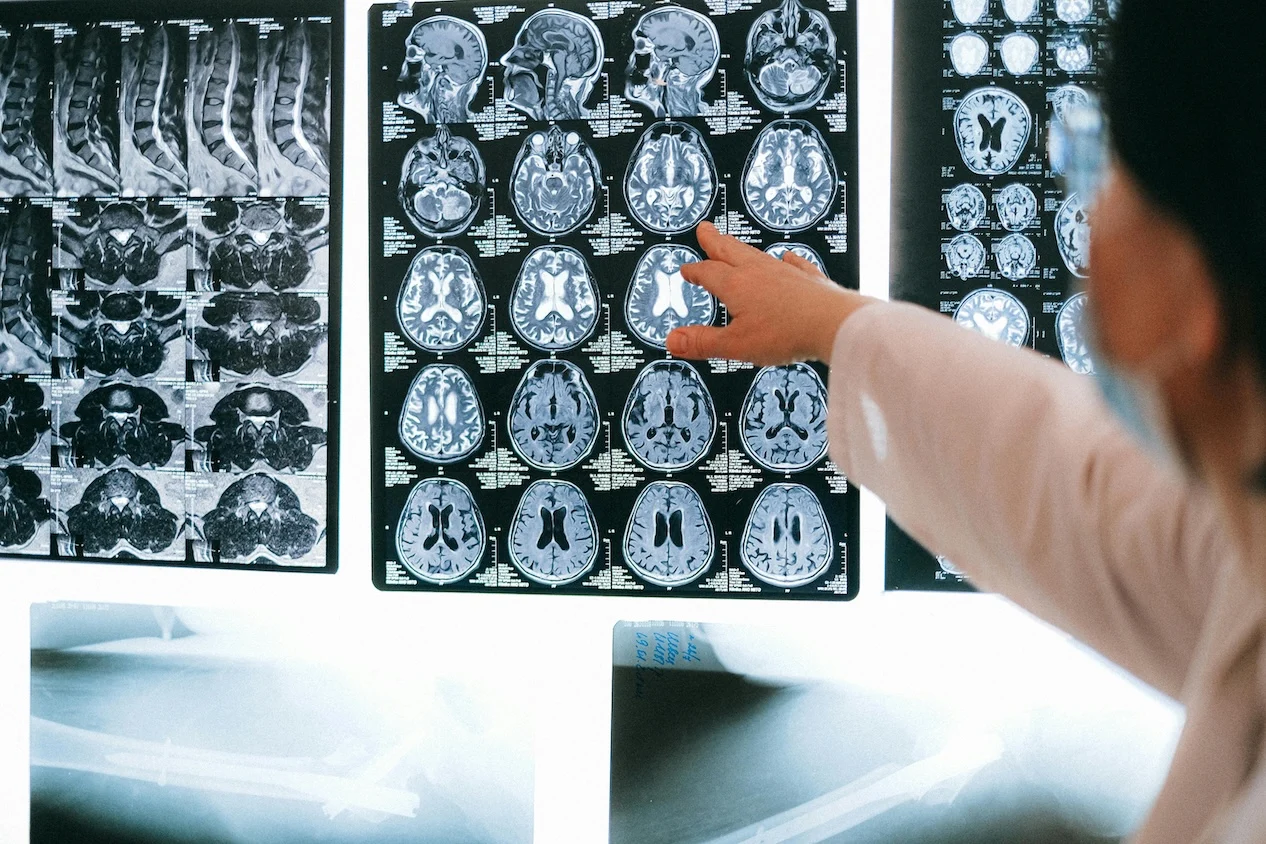
As already mentioned, further neurological tests can be carried out, such as laboratory tests analysing blood, urine or cerebrospinal fluid, magnetic resonance imaging (MRI) or X-rays of the affected parts of the body. The results of these tests and analyses help to confirm the diagnosis and to recommend the appropriate treatment.
Neurological disorders – Specialised neurological diagnostics
EEG in neurology
Electroencephalography (EEG) records electrical signals emitted by the cerebral cortex. The aim of this method is therefore to measure the electrical activity of the brain. To do this, electrodes are attached to certain points on the head and then connected to an EEG machine via cables. During the examination, the patient may be exposed to flickering light or other stimuli to stimulate brain activity.
Electroencephalography is one of the most widely used examination methods in neurology. It is so popular because it is straightforward to carry out and has no side effects. Although the electrodes pick up electrical voltages, these occur naturally in the body.
EEG is particularly suitable for diagnosing encephalitis, epilepsy and other localised brain damage.
EMG in neurology
Electromyography (EMG) is a neurological diagnostic method that measures the electrical activity of individual muscles. One type of measurement is the so-called ‘needle EMG‘. Here, thin needles are carefully inserted into the muscles to measure their electrical activity. The resulting data are displayed as an electromyogram, which the treating neurologist then analyses to see how particular muscles respond to the electrical signal of a nearby nerve. Another method is ‘surface EMG‘. Here, adhesive electrodes can even record the activity of an entire muscle group. This method is often preferred to needle EMG because it avoids possible infections or bleeding.
With both methods, electrical activity is measured both at rest (e.g. while sitting) and under exertion (e.g. while running on a treadmill) in order to better assess the severity of a possible disorder and its origin.
ENG in neurology
Electroneurography (ENG) measures nerve conduction velocity. Using a skin electrode, a doctor stimulates a nerve at two different points in succession with mild electrical impulses. The nerve then emits a signal, which is received at the muscle supplied by that nerve. A skin electrode also attached to this muscle makes it possible to measure the arrival of the signal and thus the nerve conduction velocity. If the signal takes too long or is not transmitted at all, the neurologist can assume nerve damage (which may be caused by an accident, for example).
Forms of therapy
You now know what neurological disorders are and how they can be treated. Would you also like to learn about forms of therapy for mental health conditions? Then we have just the right article for you here. See you there!
Deepen your meditation practice with Mindfulife
Meditation can be more than a short break in your everyday life. If you would like to understand more deeply how meditation works, how to build a steady practice of your own and how to guide others mindfully, our meditation teacher training is the next step. There you will not only get to know meditation in theory, but also develop more confidence, clarity and trust in your own practice.
Would you like to find out more about the training first? In our weekly webinar you will get an insight and learn more about what your path to becoming a meditation teacher could look like.
For regular support in your everyday life, you can also use our online meditation studio and join guided meditations flexibly via Eversports.
We look forward to accompanying you on your journey.
You can find more mindfulness inspiration on our channels too
References
Hacke, W., et al. (2019). Neurologie (14., überarb. Aufl.). Heidelberg: Springer.
Klingelhöfer, J., & Berthele, A. (2020). Klinikleitfaden Neurologie (7. Aufl.). München: Elsevier.
Urban, P. (2022). Klinisch-neurologische Untersuchungstechniken (3. Aufl.). Stuttgart: Thieme.
Zettl, U. K., & Sieb, J. P. (2022). Diagnostik und Therapie neurologischer Erkrankungen: State of the Art (4. Aufl.). München: Elsevier.