What is minimalism? 4 practical tips

 · 5 min read

A path to a more conscious life
In today’s increasingly complex and fast-paced world, many people are looking for more clarity, calm and inner balance – in other words, for ways to simplify their lives and live more consciously. Two approaches to life that address these needs and build on each other are minimalism and mindfulness. They help you shed excess baggage – both material and emotional – and turn your focus to what really matters. But what exactly lies behind these approaches? What benefits do they offer? And how can you integrate them into your everyday life?

What is minimalism?
Minimalism describes a lifestyle that deliberately does without the superfluous. It is not about radical self-denial, but about taking a critical look at your own consumer behaviour, commitments and habits. The aim is to let go of what is superfluous in order to make room for what really matters – be it experiences, relationships or personal growth. A simple life reduces stress and brings clarity.
In his research, the psychologist Tim Kasser has emphasised that materialistic values – that is, a focus on possessions, status and consumption – often go hand in hand with lower psychological well-being. Minimalism, on the other hand, can help to reorder these values. Studies show that people who live minimalist lives are often less stressed, more satisfied and more emotionally stable.
Forms of minimalism
It is far more than just clearing out cupboards – it is a holistic lifestyle that can be applied to many areas of everyday life. There are various forms, each relating to different aspects of life:
- Material minimalism: This is the best-known form. It means parting with superfluous possessions and keeping only the things that are genuinely useful or have personal value. It is about making spaces clearer, more functional and more intentional.
- Digital minimalism: In an age of constant availability and information overload, digital minimalism helps you use your smartphone, social media and digital devices more consciously. The aim is to reduce screen time and minimise digital distractions in order to gain more time and concentration for real life.
- Time minimalism: This form aims at a more conscious use of your own time. Instead of working through an overloaded diary, the key question here is: what really matters? It is about setting priorities, creating free time and not constantly putting yourself under pressure.
- Emotional minimalism: We often carry inner baggage around with us too – in the form of worries, old hurts or negative thought patterns. Emotional minimalism means freeing yourself from such burdens, treating yourself more mindfully and putting your own well-being at the centre.
- Social minimalism: Social relationships can also be overwhelming. Here, it is about distancing yourself from toxic or superficial contacts and focusing instead on genuine, nourishing relationships. Quality over quantity – in our interpersonal lives, too.
Each of these forms, on its own or in combination, can lead to a more conscious, calmer and more contented life. Minimalism is not a rigid concept, but an individual journey towards more clarity and quality of life.
Why does mindfulness play a role?
Mindfulness is the conscious, non-judgemental awareness of the present moment. Through practices such as attention training or meditation, we learn to better understand and regulate our thoughts and feelings. The link between mindfulness and stress in particular is well researched: regular practice can reduce stress significantly.
Numerous studies demonstrate the positive effects of mindfulness on mental health: regular practice reduces stress, eases anxiety and depression and improves emotional regulation. Mindfulness means meeting yourself and your surroundings with more clarity and openness – an attitude that is in harmony with the principles of minimalism.
How can you combine minimalism and mindfulness?
Combining minimalism and mindfulness leads to a deeper understanding of your needs. While minimalism helps you let go of external clutter, mindfulness in everyday life helps you recognise and reduce inner baggage too – such as automatic thought patterns, excessive rumination or destructive behaviours.
When you are mindful in everyday life, you are able to see more clearly what you really need – and what is only part of your life out of habit, fear or social pressure. This clarity is the first step towards a minimalist lifestyle.
An example: instead of striving for new possessions, you can focus on a fulfilling life. Anyone who regularly and mindfully listens to themselves will notice that many purchasing decisions arise not from genuine need, but from emotional emptiness or distraction. Minimalism helps us let go of the superfluous, and mindfulness helps us enjoy the moment.
Practical tips to get started
- Live simply: Declutter your home and keep only what brings you joy. Tidy one area of your home each day and ask yourself about every item: “Do I really need this? Does it bring me joy or serve a purpose?”
Tip: Marie Kondo’s “KonMari Method” is a good starting point for structured decluttering. - Less is more: Consciously limit your consumption. Before every purchase, ask yourself: “Does this serve a genuine purpose in my life?” or “Could I live without it?”
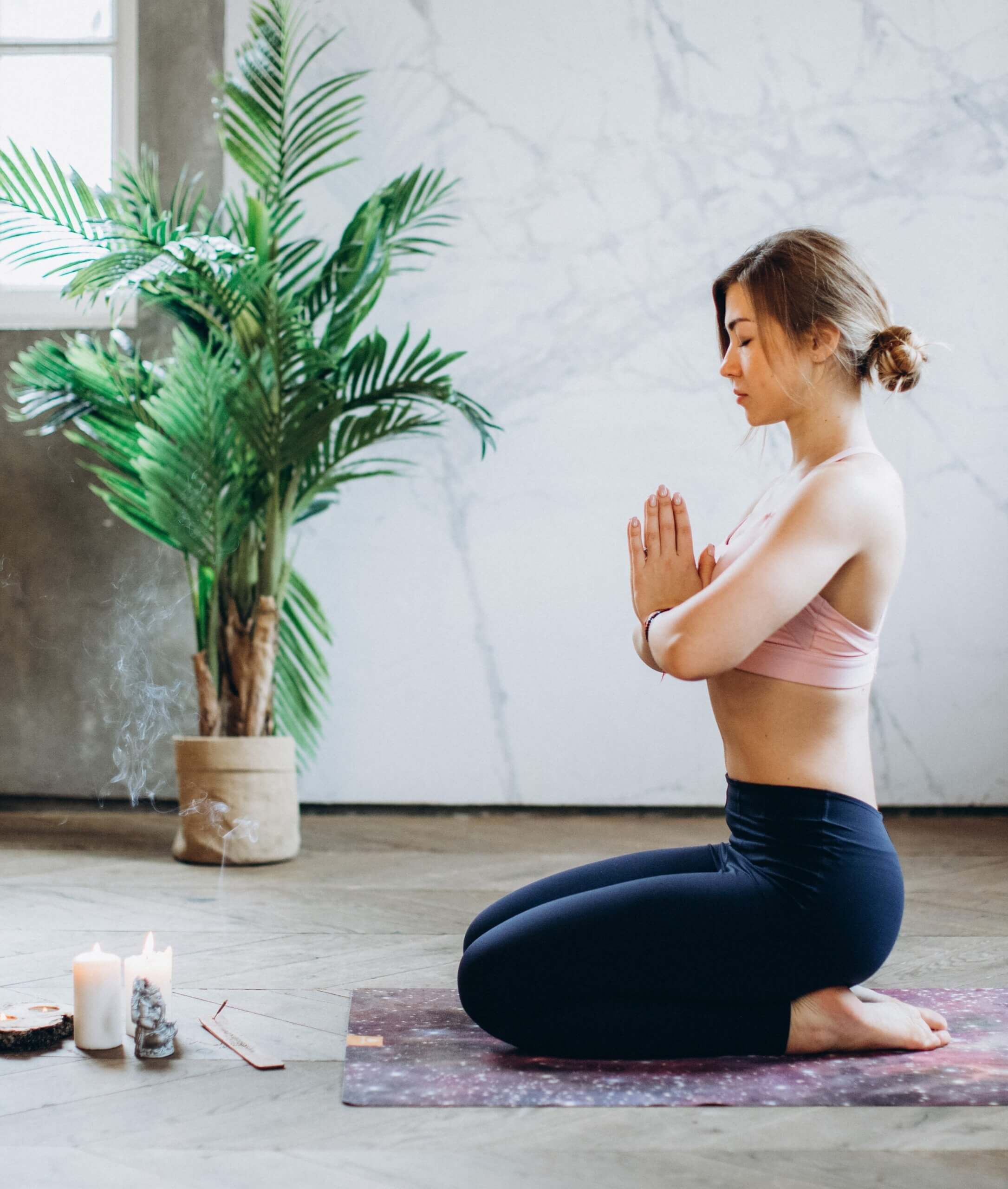
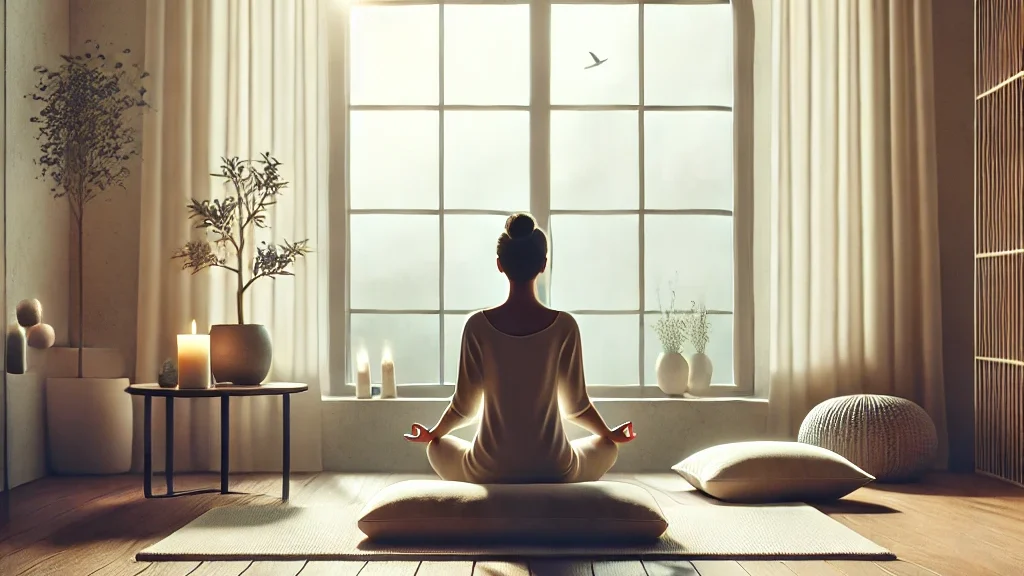
- Use mindfulness techniques: Start or end your day with a short mindfulness exercise – for example, five minutes of conscious breathing or a gratitude meditation.
- Minimalism in everyday life: Plan deliberate breaks and pay attention to how you spend your time. Bring mindfulness into everyday activities: eat more slowly, go for a walk without music in your ears, really listen to the person you are talking to. This creates a deeper connection with yourself and others.
Scientific findings
Current research shows that regular attention training not only increases well-being but also has a positive effect on the brain. According to a meta-analysis of more than 200 studies, mindfulness contributes significantly to stress reduction, better emotion regulation and a higher quality of life. Studies on minimalism likewise show that a conscious lifestyle leads to greater life satisfaction. It has also been scientifically demonstrated that less materialistic people tend to be happier, healthier and more empathetic.
Conclusion
Combining minimalism and mindfulness makes a more conscious, less stressful life possible. By reducing things to the essentials and focusing on the moment, you can experience more contentment and clarity. Start today – for example, by parting with some old clothes and then taking five minutes for a mindfulness exercise – because a simple life is a first step towards a fulfilling one.
Deepen your meditation practice with Mindfulife
Meditation can be more than a short break in your everyday life. If you would like to understand more deeply how meditation works, how to build a steady practice of your own and how to guide others mindfully, our meditation teacher training is the next step. There you will not only get to know meditation in theory, but also develop more confidence, clarity and trust in your own practice.
Would you like to find out more about the training first? In our weekly webinar you will get an insight and learn more about what your path to becoming a meditation teacher could look like.
For regular support in your everyday life, you can also use our online meditation studio and join guided meditations flexibly via Eversports.
We look forward to accompanying you on your journey.
You can find more mindfulness inspiration on our channels too
References
Bornemann, B. (2024). Übersicht über zusammenfassende Studien zu Achtsamkeit und Meditation. https://www.ffb-bw.de/fileadmin/ffb/pdf_zum_download/Vortraege/ForumAmPuls_Meditation_und_Achtsamkeit_-_Studienuebersicht.pdf (abgerufen am 28.06.25)
Kasser, T. (2002). The High Price of Materialism. MIT Press. https://doi.org/10.2307/20159018
Khoury, B. et al. (2013). Mindfulness-based therapy: A comprehensive meta-analysis. Clinical Psychology Review, 33(6), 763–771. https://doi.org/10.1016/j.cpr.2013.05.005
Kondo, M. (2014). The life-changing magic of tidying: A simple, effective way to banish clutter forever. Random House.
Schmiedeler, S. (2024). Das Potenzial der Achtsamkeit – trotz Risiken und Nebenwirkungen. Psychotherapie 69, 129–133. https://doi.org/10.1007/s00278-023-00706-1
Steffen, A. et al. (2023). Konsumverzicht, Minimalismus und Well-Being. Konsumlust und Konsumfrust. Psychologische, soziologische und ethische Aspekte des Konsums, 117-143. https://www.verbraucherforschung.nrw/sites/default/files/2023-04/jbkv-02-2022-07-steffen-bozdemir-doppler-konsumverzicht-minimalismus-und-well-being.pdf (abgerufen am 28.06.25)
Verband der Achtsamkeitslehrenden: Studien im Überblick. https://www.mbsr-verband.de/achtsamkeit/forschung. (abgerufen am 28.06.25)
Wom, D. (2024). Die Auswirkungen des Minimalismus auf das Wohlgefühl. https://das-wissen.de/die-auswirkungen-des-minimalismus-auf-das-wohlgefuehl/ (abgerufen am 28.06.25)