Meditation and Transcendence – More Than Just Self-Discovery?
In this blog post, we explain what the concept of transcendence is all about and how it is connected to meditation.

 · 3 min read
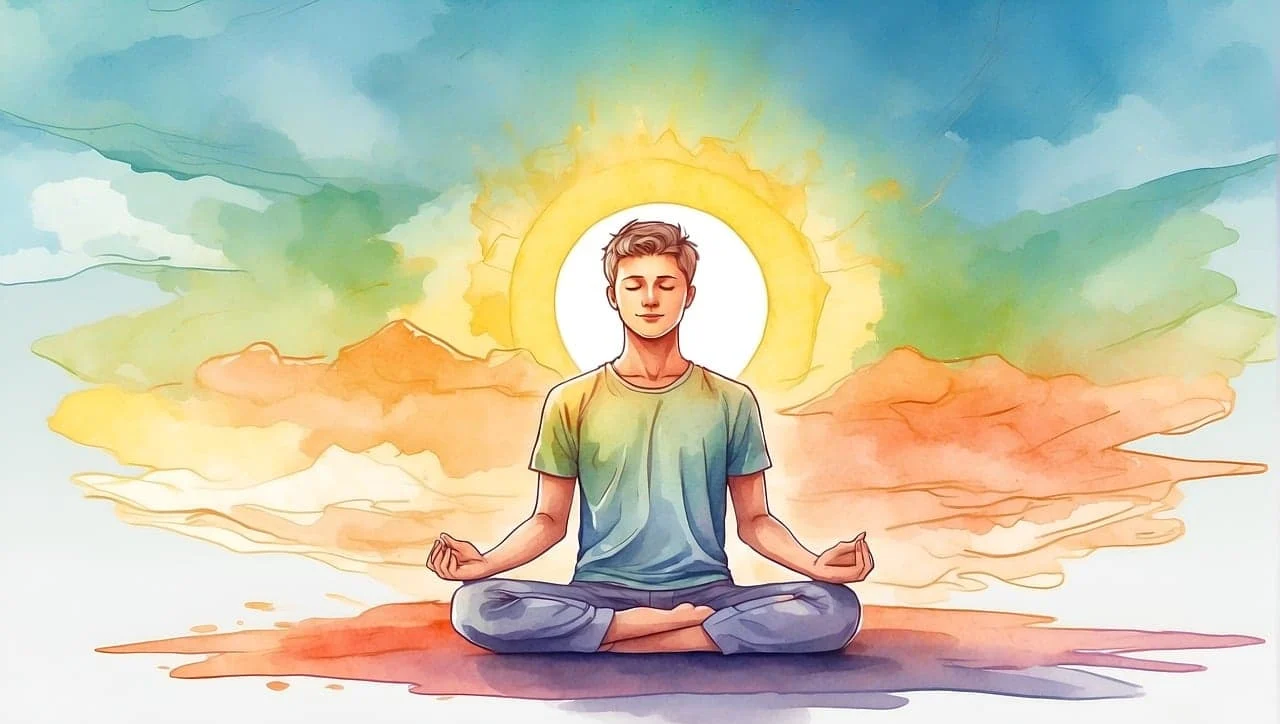
Studies show that in Germany alone, almost 16 million people meditate regularly. Some people also report that meditation has helped them reach a state that goes beyond the here and now. For these people, this is where transcendence occurs. Meditating affects not only the body but also the mind. Regular meditation strengthens the immune system, reduces stress and contributes to a more relaxed outlook on life. This can help us to perform better and concentrate more effectively in our everyday working lives.
What is meant by the term transcendence?
The term transcendence has many layers and appears in various fields. A distinction is usually made between the religious, philosophical and spiritual concepts of transcendence. In general, transcendence describes a physical and mental state in which boundaries are overcome and crossed. In religion, a transcendent experience means having received a divine experience that is rooted beyond the material world. In a philosophical as well as a spiritual context, transcendence means going beyond one’s physical identity, which has consequences for the body and how it is perceived.
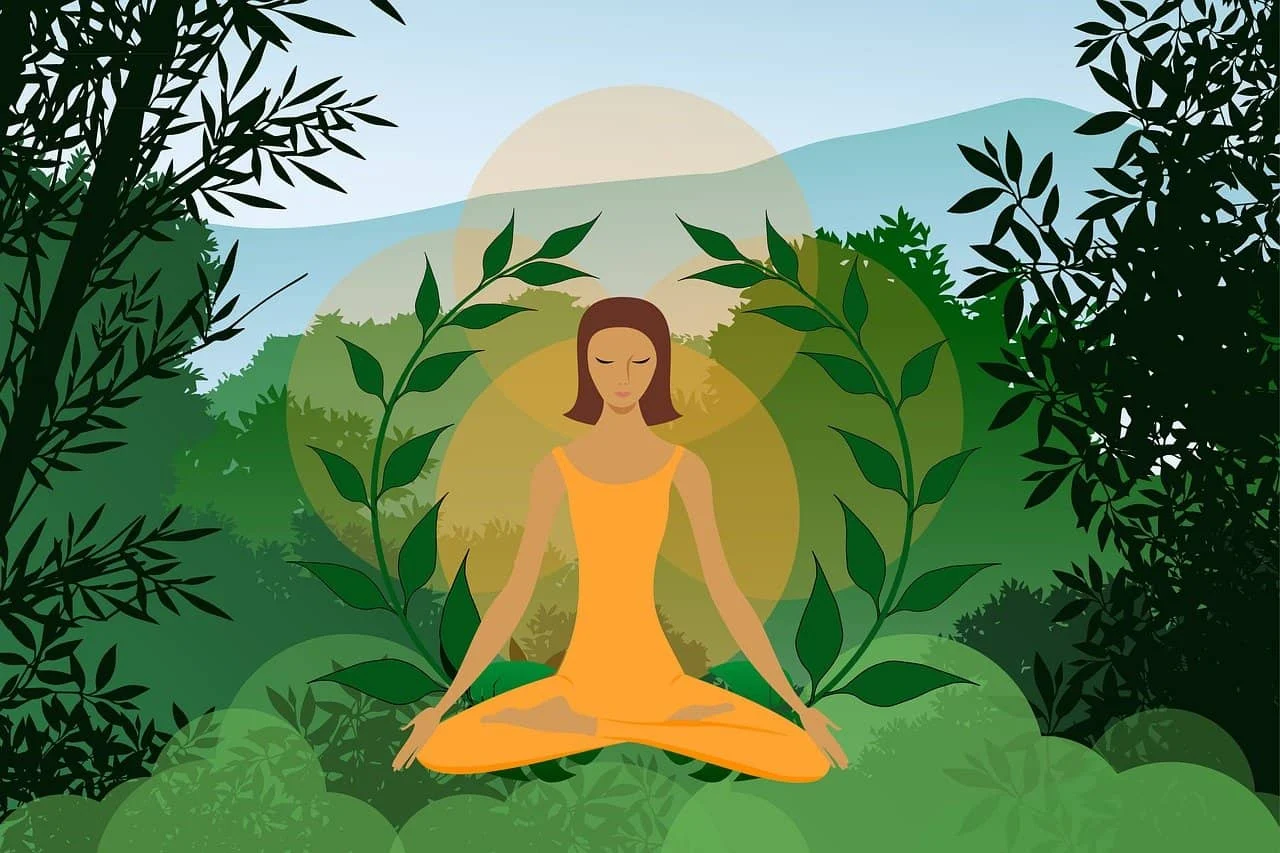
Transcendence and meditation
Meditation helps you to get to know your body better and to live in harmony with it. You learn to relax more easily and to let go of all pressing thoughts during meditation, so that you can then get going again with greater concentration, energy and focus. While there are various types of meditation, such as metta meditation, Zen meditation or mindfulness meditation, you can also practise transcendental meditation.
Transcendental meditation uses a personal mantra. This mantra is entirely your own and may well differ from person to person. In ordinary meditation, by contrast, the focus can be on various areas of the body, such as the breath or particular bodily sensations. Transcendental meditation is therefore more spiritual than ordinary meditation. Belief in the supernatural also plays its part.
This form of meditation requires a special kind of training and is usually taught by meditation teachers. It is of course also possible to practise transcendental meditation on your own, but in this spiritual area it is easier to be guided by someone who knows how a transcendental state can be reached.
It is very important to mention here that a transcendental experience cannot be had at the push of a button. In other words, it cannot be forced. It is quite possible that you will only have a transcendental experience after meditating several times, or perhaps not have one at all. Don’t stress yourself out if this is the case, and remember that everything takes its time.

What might a transcendent experience actually look like?
There is no standard definition of what makes up a transcendent experience, or of what meditators must have seen before their eyes. Here, too, the experiences are subjective and differ from person to person. In most cases, however, a transcendental experience marks a turning point in life. The body and mind have gone through something that can shape one’s whole life, usually in a positive way. This is why a transcendental experience is often accompanied by a change in consciousness. You may feel more drawn to yourself, but also to the universe.
Situations and challenges can be approached and dealt with differently than before this spiritual experience. A strong sense of unity and connectedness can also emerge, for example towards the environment or nature. But it is also perfectly fine not to be able to put your transcendental experience into words and simply to feel a sense of stillness.
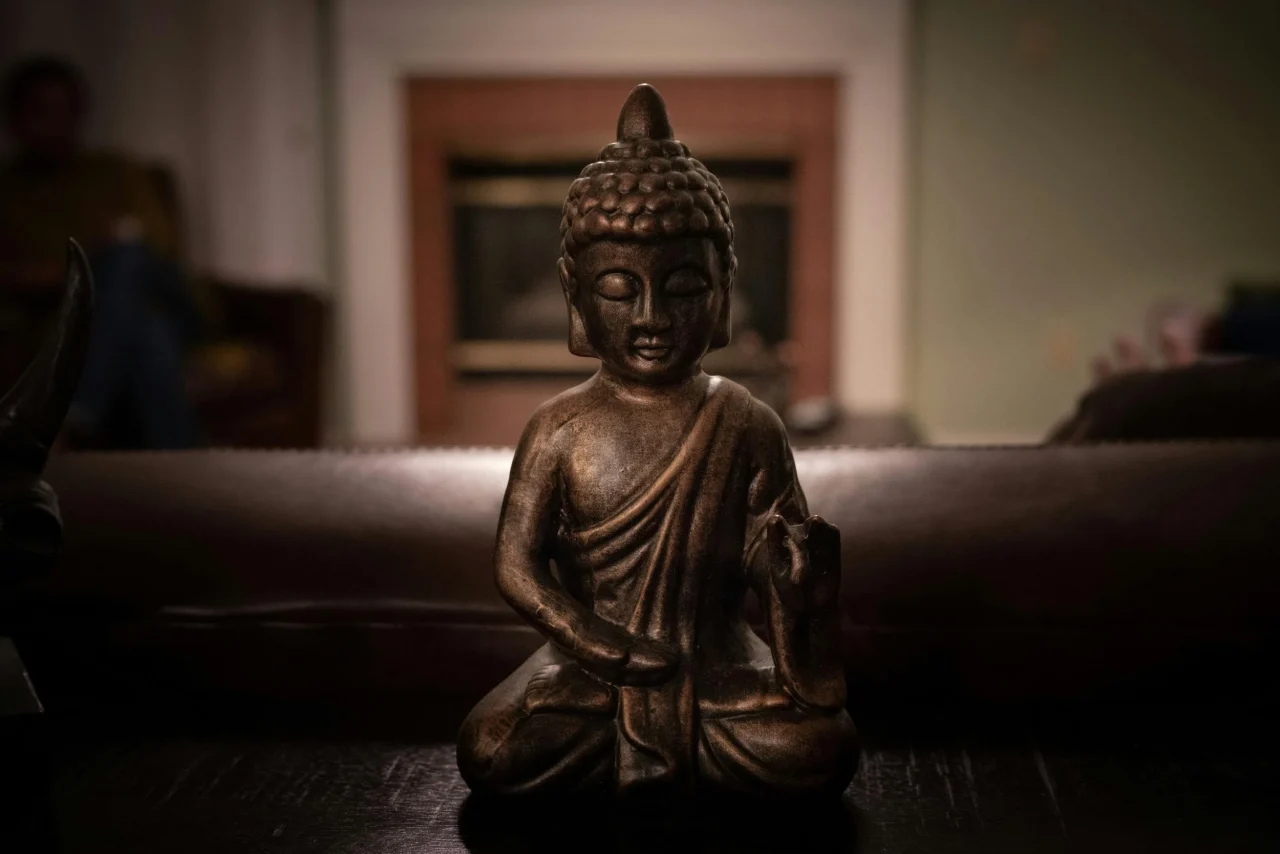
Conclusion
A transcendental experience can change your body and your personal attitude to life. Such an experience can arise during transcendental meditation. The emphasis here is very much on the word “can”, because not every transcendental meditation will actually lead to such an experience. Every transcendental experience differs from person to person and cannot be described in general terms, as everyone feels something different.
Deepen your meditation practice with Mindfulife
Meditation can be more than a short break in your everyday life. If you would like to understand more deeply how meditation works, how to build a steady practice of your own and how to guide others mindfully, our meditation teacher training is the next step. There you will not only get to know meditation in theory, but also develop more confidence, clarity and trust in your own practice.
Would you like to find out more about the training first? In our weekly webinar you will get an insight and learn more about what your path to becoming a meditation teacher could look like.
For regular support in your everyday life, you can also use our online meditation studio and join guided meditations flexibly via Eversports.
We look forward to accompanying you on your journey.