What is a dopamine detox? – Everything you need to know

 · 6 min read

The concept of the dopamine detox is becoming increasingly important in the world of self-optimisation. It describes a tactic for calming the brain and making a fresh start. Imagine that your brain is sometimes overloaded. In the modern world, we are constantly surrounded by stimuli from social media, games and other forms of entertainment. As a result, the brain can become overwhelmed and stressed. To calm the brain and restore its balance, it is necessary to consciously give up these stimulating activities for a defined period of time. This means spending less time watching TV, on your smartphone or doing exciting activities.
Now that we have understood the basic concept of the dopamine detox, we can explore the scientific aspects of this phenomenon.
What is a dopamine detox and what effect does it have?
“Dopamine detox” is a term that has emerged in recent years in psychology, self-help and productivity optimisation. It refers to the idea that temporarily reducing stimulation and reward in everyday life can help to increase the brain’s sensitivity to dopamine.
But why should you do a dopamine detox if the happiness hormone has a positive effect up to a certain point? The trend comes from Silicon Valley and, put very simply, means: “Eliminate everything that is fun”. No phone, no social media, no social contact. The form and duration of the fast is entirely up to each individual.
The aim of the method is to counteract an excess of stimuli.
As soon as we feel anticipation for an upcoming event, dopamine is released.
When it comes to social media, this anticipation can relate both to new likes on a picture or a post and to requests from new followers.
A dopamine detox aims to suppress precisely this anticipation so that the brain can recover from the stimuli. The body always strives for a state of equilibrium and develops a dopamine tolerance over time. As a result, more and more dopamine is needed to feel good. This makes it much harder to motivate yourself to do things that release little dopamine. A dopamine detox helps to lower your dopamine tolerance again and find new motivation.
How does dopamine work? – A look inside the brain
Dopamine is a hormone that acts as a messenger in the brain, enabling nerve cells to communicate. It conveys positive feelings and is therefore also known as the “happiness hormone”. In the brain, dopamine can boost drive and increase motivation in the longer term.
Your brain releases dopamine during any activity from which it expects a reward. Since learning or working does not involve an immediate reward, comparatively little or no dopamine is released. The brain ranks everything by priority: the things that release the most dopamine are given the highest priority.
Dopamine can even lead us to do things that turn out not to be good for us, such as eating unhealthy food or taking drugs. This is because the brain is already preparing itself for a reward.
What are the symptoms of a dopamine excess?
According to Yale Medicine on how the addicted brain works, the following symptoms can occur when dopamine is overproduced:
- Craving for the substance or behaviour: an overwhelming urge to consume the substance or engage in the activity.
- Loss of control: being unable to stop or limit use of the substance or the behaviour, even when you want to.
- Developing tolerance: more of the substance is needed to achieve the same pleasant effect, because the brain becomes less sensitive to dopamine.
- Withdrawal symptoms: physical or emotional discomfort when the substance is no longer available, which intensifies the craving for more.
- Preoccupation with the addiction: constantly thinking about the substance or behaviour, often at the expense of other important activities.
- Compulsive behaviour: repeatedly acting on the addiction, driven more by habit than by conscious, rational decisions.
- Impaired judgement: difficulty making clear decisions, which often leads to risky or harmful behaviour.
- Memory and concentration problems: problems with memory, learning and concentration due to changes in the brain.
- Social and personal consequences: strained relationships, reduced performance at work or in studies, and neglect of responsibilities because of the addiction.
- Inability to feel pleasure: loss of interest in, or of the ability to enjoy, activities that used to be fun outside the addiction.
Why should you do a dopamine detox?
Nowadays it is completely normal, especially for young people, to spend several hours a day on their phones. A lot of this time is spent on social networks such as Facebook and Instagram. As a result, in most cases there is “no time” left for real-life activities such as doing sport, reading books or focused work. Using social media releases dopamine. In the long term, this leads to a raised tolerance threshold for dopamine.
Is there a dopamine detox plan? What is allowed and what isn’t?
There are no clear rules for a dopamine detox. Everyone enjoys different activities. In practice, however, most people are concerned with distancing themselves from social media and digital influences. To do this, it is important not to use any technical devices, such as your phone, laptop, TV and so on. Other things, such as music or fast food, can also be avoided for the set period of time.
To make good use of your time during a dopamine detox, activities such as meditation, reading, going for walks and tidying up are recommended. After all, these are tasks that are often put off or neglected.

How can you start to lower your dopamine tolerance again?
Lowering dopamine can be achieved in small steps. You could set aside one day a week and refrain from everything you enjoy. This means the brain is no longer flooded with dopamine and the receptors can recover. You don’t have to do a dopamine detox for a whole day each week, though. You can also start by going without your phone or laptop for a few hours a day. At some point you will most likely get bored and start doing the things you would otherwise have put off because you didn’t enjoy them. You may even find that you enjoy them again!
Walks, yoga and meditation are also helpful, as are mindful activities such as journaling and reading.
Here is a 5-minute meditation by Philip Pham, the co-founder of Mindfulife.
Dopamine imbalance: the consequences of deficiency and excess
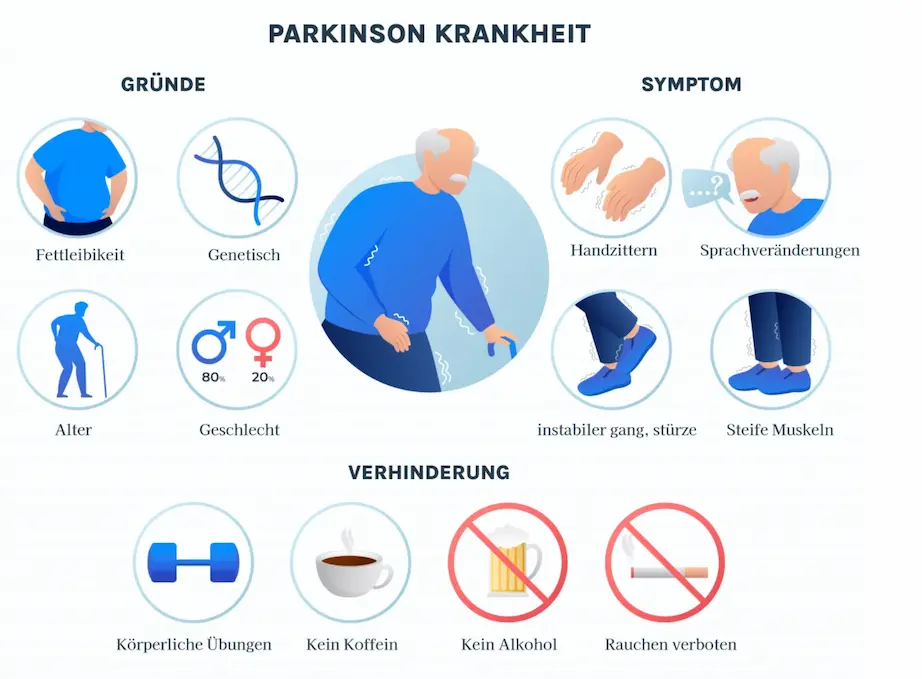
A deficiency of dopamine in the central nervous system can be a trigger for the neurodegenerative disease Parkinson’s. In this disease, nerve cells in the brain die off. Over time, the body becomes increasingly weak as the muscles stiffen. Another consequence of Parkinson’s is dementia, as the thinking of those affected also becomes increasingly impaired.
An excess of dopamine can also have negative consequences: in mental disorders such as schizophrenia, dopamine levels are elevated. Antipsychotics are administered to correct this. Since both a dopamine deficiency and a dopamine excess can result in serious illnesses, which, however, our behaviour usually has no influence on, it is essential to keep dopamine levels in balance as far as possible.
Summary:
- Dopamine is an important messenger in the brain that conveys positive feelings and is known as the “happiness hormone”.
- A deficiency of dopamine can lead to neurological diseases such as Parkinson’s, while an excess can lead to negative effects such as schizophrenia.
- The dopamine detox is a trend that aims to lower dopamine tolerance by giving up stimuli such as social media.
- There are no fixed rules for a dopamine detox, but going without technical devices and other pleasures is recommended.
- During a dopamine detox, activities such as meditation, reading and going for walks can help you make good use of your time.
- Dopamine tolerance can be lowered by setting aside times without pleasurable activities.
Neurological disorders
Thank you for reading our latest blog article on the dopamine detox! If you would like to learn more about neurological disorders, including Parkinson’s disease, take a look at our other blog article covering this topic. Click here to read on: Link to our other article on neurological disorders. Enjoy exploring!
Deepen your meditation practice with Mindfulife
Meditation can be more than a short break in your everyday life. If you would like to understand more deeply how meditation works, how to build a steady practice of your own and how to guide others mindfully, our meditation teacher training is the next step. There you will not only get to know meditation in theory, but also develop more confidence, clarity and trust in your own practice.
Would you like to find out more about the training first? In our weekly webinar you will get an insight and learn more about what your path to becoming a meditation teacher could look like.
For regular support in your everyday life, you can also use our online meditation studio and join guided meditations flexibly via Eversports.
We look forward to accompanying you on your journey.
You can find more mindfulness inspiration on our channels too
References
Yale Medicine. (2022, 25. Mai). How an addicted brain works. Yale Medicine. Abgerufen am 21. August 2025, von https://www.yalemedicine.org/news/how-an-addicted-brain-works