What is fasting? 5 good reasons to go without food

 · 5 min read

Imagine that just a few days of going without could not only do your body good, but also help you shake off stress, sharpen your concentration and become more mindful. Sounds too good to be true? Fasting is not a new trend but an ancient practice that can take your mental and physical strength to a new level. In this article, discover what it really does to you – and why it is so much more than going hungry. Are you ready for a challenge?
What is fasting?
Fasting means more than simply not eating. It is a conscious decision to go without food, drinks or certain indulgences such as alcohol or sweets for a set period of time. This abstinence can take different forms, from breaks lasting a few hours, as in intermittent fasting, to fasting cures lasting several days, as in therapeutic fasting. Religiously motivated periods of fasting, such as Ramadan or the Christian season of Lent, also fall into this category. For centuries, going without food has been regarded as a path to self-healing, meditation and spiritual renewal. And today, this tradition is also being confirmed by modern scientific findings.
The aims of fasting
Many people go without food to give their body a break from digestion, cleanse it from the inside and get their metabolism going. At the same time, fasting encourages mindfulness and helps you recognise your inner patterns more clearly. Whether your focus is physical wellbeing or spiritual experience, fasting is easy to adapt and fit into your everyday life.

What does fasting do to our body?
Fasting brings about many changes in the body, which can also have a positive effect on the mind. At first, the body uses its sugar reserves for energy; later, it turns to its fat reserves. In the process, substances are produced that help the brain work more clearly and with greater focus. The body also begins to break down old or damaged cells, which strengthens health. Your hormonal balance adapts too: more of the hormones that support circulation and alertness are released. Inflammation in the body can also be reduced, the heart strengthened, and your digestive system gets a break as well. Current studies show that these effects can also benefit your body’s health in the long term.
What does fasting do to our mind?
As you can see, going without food has a wide range of effects on your body. And these physical changes have a direct impact on our brain and our mind. This is also the subject of current research. Here you can take a look at the most important positive effects:
- Improved mood: As your metabolism switches over, your body produces more neurotransmitters such as serotonin, dopamine and endorphins. These substances are known to increase wellbeing, lift your mood and reduce stress. This biochemical effect explains why many people report a greater joy in life and a sense of inner balance.
- Increased concentration: The production of ketone bodies provides the brain with a source of energy that leads to greater mental clarity and focus. Many people experience a state of “flow” and intense concentration while fasting.
- Stress reduction: The production of the stress hormone cortisol is inhibited. At the same time, hormones that promote relaxation are released, deepening your inner calm and composure.
- Emotional stability: The hormonal adjustments promote emotional balance. Many people who fast report feeling more stable, experiencing fewer mood swings and sensing a deeper connection with their feelings.
- Encouraging mindfulness: Because the body is less busy with digestion, attention turns increasingly inwards. Thoughts and emotions emerge more clearly, which encourages self-reflection and conscious experience.
So these psychological effects arise from an interplay between biochemical changes in the brain and the inner calm that conscious abstinence brings with it. Have we convinced you of the benefits? Then why not give it a try straight away!

How to fast
If you would like to try it yourself, you can follow these steps:
- Preparation: Inform yourself well and gradually reduce your food intake.
- Getting started: Set yourself clear goals and make sure you drink enough.
- Fasting phase: Keep moving gently, for example by going for walks, and allow yourself plenty of rest.
- Breaking the fast: Slowly get your body used to food again.
- Aftercare: Reflect on your experiences and consider what you would like to carry over into your everyday life.
Challenges and tips
- Hunger: Drink plenty of water, herbal tea or clear broths to ease feelings of hunger.
- Headaches: These are often caused by detoxification. Drinking enough water and taking in a little salt can help.
- Circulation problems: Gentle exercise, such as walking, can help stimulate your circulation.
- Irritability: Mood swings can occur. Meditation or mindfulness exercises can help with this.
- Sleep problems: Relaxing rituals and a regular sleep routine promote good sleep.
The important thing is to be patient with yourself and pay attention to your body’s signals. Don’t force anything that doesn’t feel right. Especially for longer periods of fasting, you should always seek medical advice beforehand.
The connection with meditation
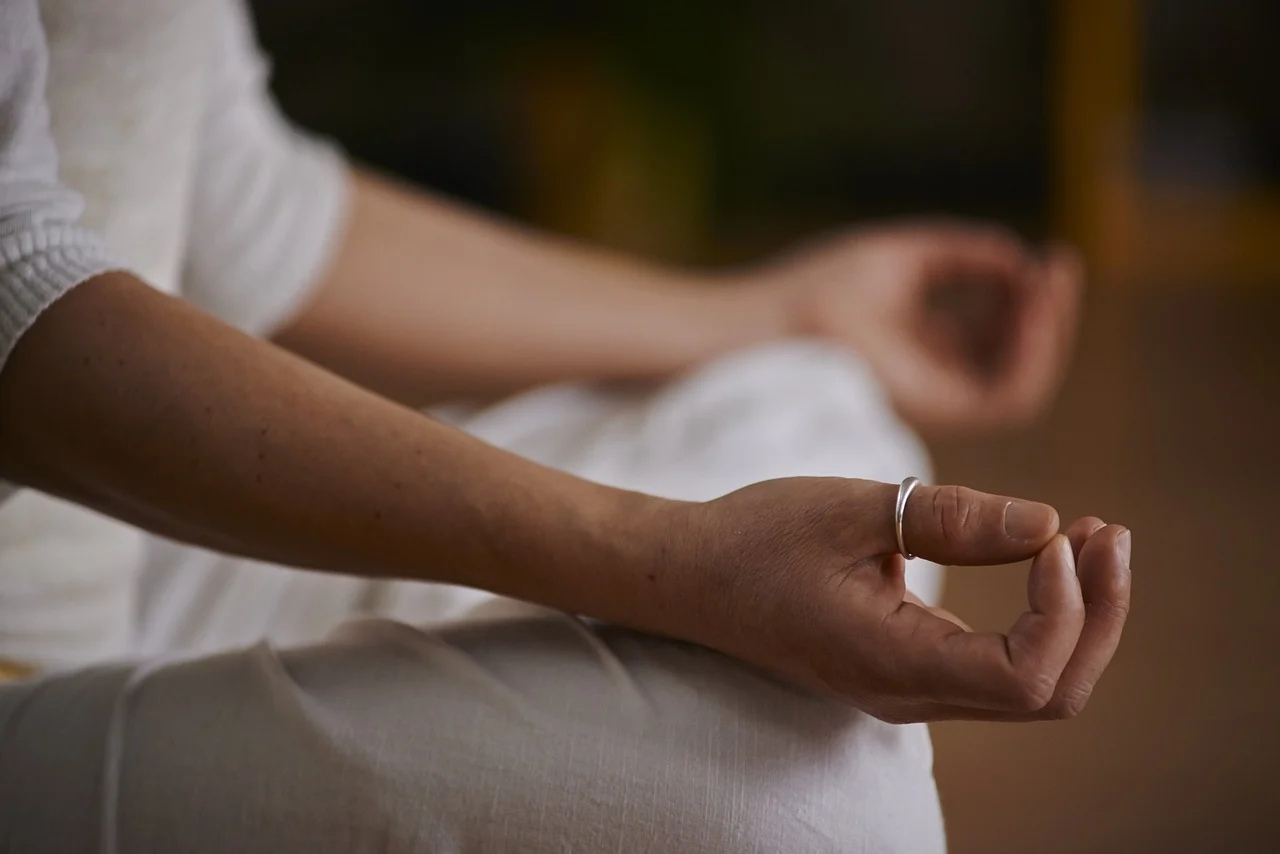
Fasting and meditation complement each other perfectly, as both practices encourage mindfulness and the conscious experience of the present moment. Fasting sharpens the senses and your awareness of your own body, while meditation helps you consciously accept these inner processes. Both methods reduce stress and support emotional balance by helping you mindfully notice your feelings and let them go. Combining the two practices can also lead to deeper spiritual insights and foster inner calm and clarity.
Conclusion
Fasting is more than going without food. It is a journey towards better health and inner balance. It boosts the metabolism, supports cellular cleansing and strengthens the mind. Especially when combined with meditation, it helps to release inner blockages and gain greater clarity. But voluntary abstinence requires patience and discipline. Those who embrace this experience can not only strengthen their health, but also develop new mental strength and live more consciously.
If you would like to give fasting a try, we recommend combining it with regular meditation. That way, you can get the most out of its positive effects on your health. Why not take a look at our class schedule – we offer meditations every day!
Laura B.
Deepen your meditation practice with Mindfulife
Meditation can be more than a short break in your everyday life. If you would like to understand more deeply how meditation works, how to build a steady practice of your own and how to guide others mindfully, our meditation teacher training is the next step. There you will not only get to know meditation in theory, but also develop more confidence, clarity and trust in your own practice.
Would you like to find out more about the training first? In our weekly webinar you will get an insight and learn more about what your path to becoming a meditation teacher could look like.
For regular support in your everyday life, you can also use our online meditation studio and join guided meditations flexibly via Eversports.
We look forward to accompanying you on your journey.
You can find more mindfulness inspiration on our channels too
References
Brunnhuber, S., & Somburg, O. (2018). Psychologie des Fastens. Zeitschrift für Komplementärmedizin, 2, 56–62. https://doi.org/10.1055/a-0572-8367
Max-Planck-Gesellschaft. (2023, 6. Oktober). Gehirn löst nach Fasten Recycling in der Leber aus. Max-Planck-Gesellschaft. https://www.mpg.de/20185165/hungrig-gehirn-sagt-der-leber-dass-sie-recyceln-soll
Oberberg Kliniken. (2022, 1. März). Das Fasten und die Auswirkungen auf Körper und Psyche. Oberberg Kliniken. https://www.oberbergkliniken.de/pressemitteilung/das-fasten-und-die-auswirkungen-auf-koerper-und-psyche
Pietzner, M., et al. (2024). Systemic proteome adaptions to 7-day complete caloric restriction in humans. Nature Metabolism, 6(4), 764–777. https://doi.org/10.1038/s42255-024-01008-9
Schlossparkklinik Dirmstein. (2023). Fasten und psychische Gesundheit. Schlossparkklinik Dirmstein. https://www.schlosspark-klinik-dirmstein.de/fasten-fuer-die-bestform