My Journey with Lipoedema – Lea’s Personal Story
I'm Lea, and I'd like to share my experiences with you to help create a better understanding of lipoedema and to give others living with it some encouragement.

 · 7 min read
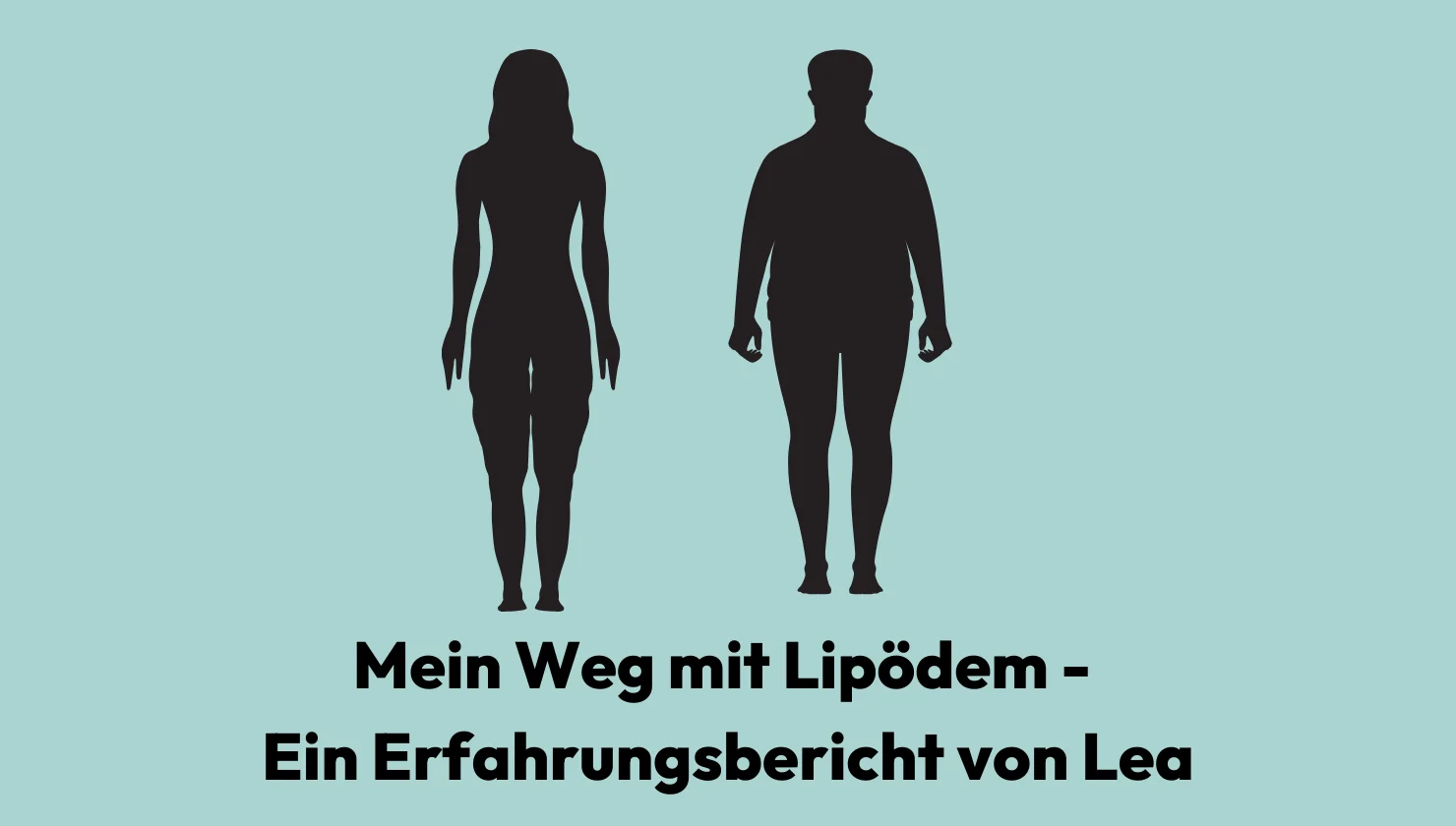
Hello, I’m Lea, I’m 25 years old, and today I’d like to share my personal journey with lipoedema with you. At the moment, I’m moving from stage 2 to stage 3 of this often misunderstood condition. Lipoedema is more than just a physical challenge; it also affects emotional wellbeing and quality of life. In this post, I’d like to share my experiences, challenges and insights along the way, to help create a better understanding of this condition and to give others living with it some encouragement.
What is lipoedema?
Lipoedema is a medical condition, more precisely a disorder of fat distribution, in which fatty tissue builds up unevenly in the body – on the legs, hips and buttocks and, in some cases like mine, on the arms as well.
One consequence of this is that the different parts of the body are out of proportion with one another. So it’s not unusual for someone to wear a size S top and XXL trousers. It’s estimated that around 3.8 million people, mostly women, are affected. The true number is probably higher, as misdiagnoses are common and those affected may think it’s simply down to a poor diet or a lack of exercise.
Lipoedema is often mistaken for cellulite, but it is a medical condition that needs treatment. The exact causes of lipoedema have not yet been fully researched, but genetic factors probably play a role.
Treatment options include conservative measures such as compression garments and physiotherapy exercises and, in some cases, surgical procedures known as liposuction. It’s important for those affected to seek medical help early on in order to relieve symptoms and improve their quality of life.
The stages of lipoedema
Lipoedema occurs in different stages, which differ in the extent and severity of the symptoms.
-
Stage I: Symptoms are usually mild. Often slight swelling, sensitivity to pressure and occasional pain in the affected areas. The fatty tissue is unevenly distributed, but pronounced deformities are not yet visible.
-
Stage II: Symptoms increase and become more noticeable. Persistent swelling, pain and a ‘heavy’ feeling in the affected areas are typical. The fatty tissue is more enlarged, and the first signs of cellulite may appear.
-
Stage III: Symptoms are at their most pronounced. Severe swelling, intense pain, restricted mobility and marked deformities. The fatty tissue is greatly enlarged, larger folds of fat can form, and the skin is often heavily stretched.
It’s important to stress that lipoedema is a progressive condition, which means that the symptoms can get worse over time. That’s why early diagnosis and treatment are crucial to slow the progression of lipoedema and improve the quality of life of those affected.
How it started for me
When I started getting bad bruises from even the slightest knock, I knew something wasn’t right. The pain when walking longer distances or climbing stairs was at times unbearable. I could feel my legs getting heavy and swelling up, and it felt as if my body was working against me.
Sometimes my arms even hurt when friends or family touched me, which, of course, subconsciously led me to avoid hugs most of the time.
After seeing various doctors, I was finally diagnosed with lipoedema, as I was lucky enough to find a good phlebologist.
Support, help and tips
As someone who wears compression garments regularly, it’s important to me to make my compression wear as comfortable as possible.
Before your appointment at the medical supply shop, I’d recommend preparing well. I usually start with a shower and put on fresh, comfortable underwear to make myself feel good. For the appointment itself, I usually wear loose clothing so that it’s easier to put the stockings on and take them off. I also often think beforehand about which colours or patterns could liven up my compression wear and reflect my personal style. To do this, I look at the different styles on the manufacturers’ websites beforehand or use lipoedema groups on Facebook to get ideas for different looks.
Especially in summer, donning and doffing aids are useful to make the process easier. These are often available through your health insurance.
It’s important to visit a doctor’s surgery first to choose the right aids and get a prescription for them. Wearing and washing your compression stockings regularly is crucial for their effectiveness, which usually lasts about six months.
If you lose a stocking, don’t panic: statutory health insurers in Germany usually cover two sets per year. In warm weather, your legs can feel heavier because the veins expand. When this happens, it helps to put your legs up and relax.
With the right support and care, medical compression garments can help you move through life with a lighter step.
However, you should take your compression garments off to sleep, because when you’re lying down, your venous and lymphatic systems don’t have to work against gravity, which makes it easier for blood and lymph to drain. On top of that, your skin regenerates overnight.
Finding the right doctor
When looking for a medical specialist who specialises in lipoedema or has experience in this area, there are a few important steps to bear in mind.
First of all, it’s a good idea to ask friends, family or other healthcare professionals for recommendations. Personal recommendations can be very helpful in finding qualified doctors.
It also makes sense to use online platforms and review sites to look for patient reviews and feedback. This can give you an insight into other people’s experiences and help you make your decision.
Another important step is booking a consultation at a doctor’s practice. During the appointment, you can get to know the doctors, ask any questions you have and pay attention to how well your concerns are understood. It’s important to choose a practice where you feel comfortable and where your questions and concerns are taken into account.
Also consider where the practice is located and how easy it is to reach in an emergency or for regular visits. Find out in advance how much the treatment costs and whether it’s covered by your health insurance.
Ultimately, it’s crucial to trust your gut feeling. If you don’t feel comfortable at your practice or have doubts, keep looking. Good communication and a relationship of trust between you and your doctors are key to successful treatment.
Liposuction for lipoedema
Liposuction is an effective treatment for relieving the symptoms of lipoedema and improving the appearance of the affected areas. The procedure is carried out by specialist surgeons who have experience in treating lipoedema.
There are various techniques that can be used in liposuction, including tumescent liposuction, PAL (power-assisted liposuction) and WAL (water-jet assisted liposuction). In tumescent liposuction, a special solution is injected into the fatty tissue to soften it and make it easier to suction out. The PAL technique uses a mechanical device for suction, while the WAL technique uses a jet of water to loosen the fatty tissue and suction it out.
After liposuction, patients usually need to wear compression garments and receive post-operative aftercare in order to achieve the best possible results and avoid potential complications. It’s important for patients to have realistic expectations and to understand that liposuction for lipoedema is not a permanent cure, but a symptomatic treatment to improve quality of life.
Overall, liposuction can be an effective option for reducing the discomfort and limitations of lipoedema and helping patients feel better. However, it’s important that each case is assessed individually and that patients find out about the risks, benefits and alternatives in detail before the procedure.
The road to improvement
As someone who has experienced the challenges of lipoedema first-hand, I can say from my own experience that regular exercise can make a big difference. For me, swimming, hula hooping and running have helped improve my circulation and support my lymphatic system. This has eased my symptoms and boosted my wellbeing.
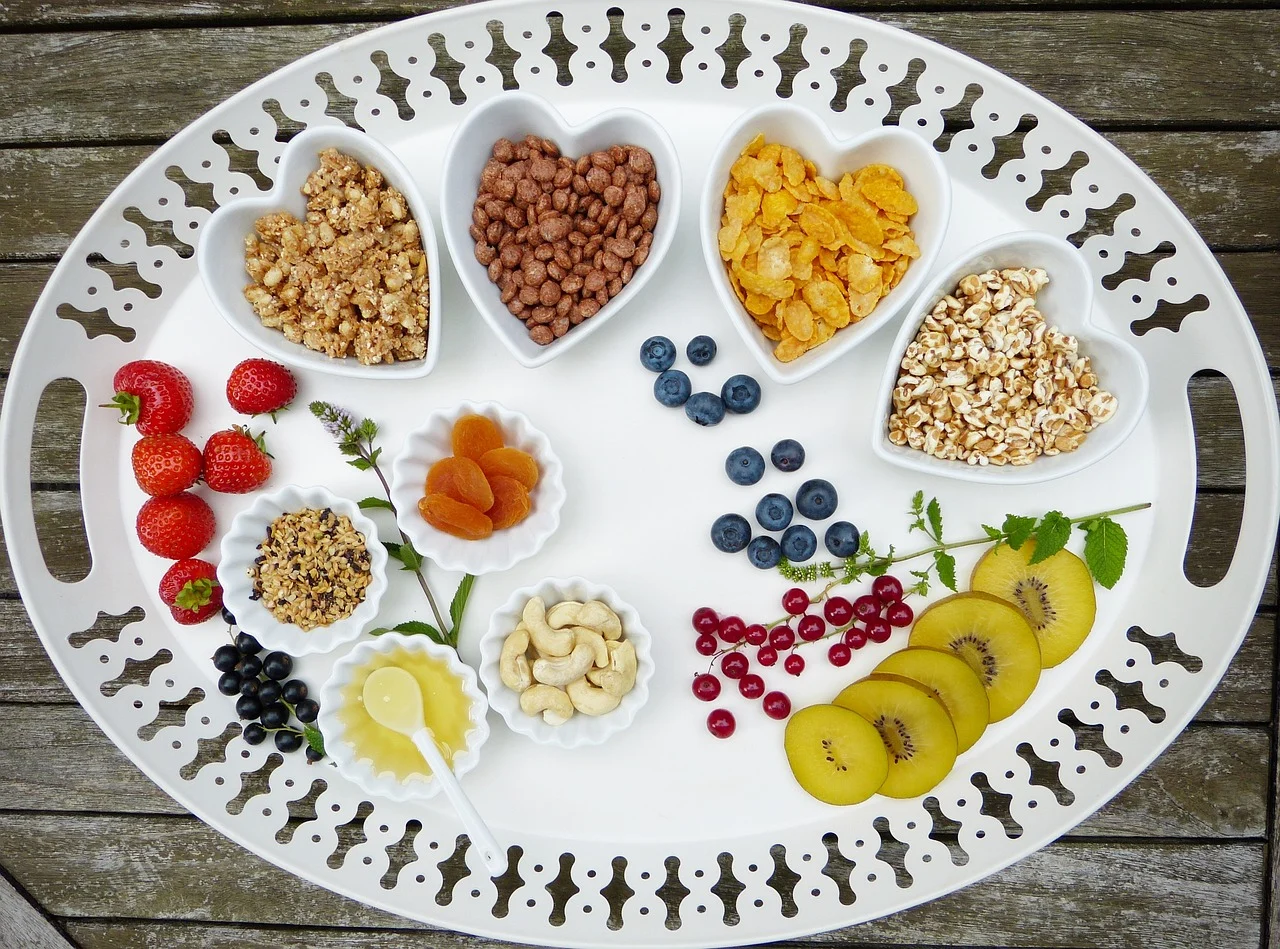
A balanced diet also plays a crucial role for me. By focusing on plenty of vegetables, fruit, wholegrain products and healthy fats, I was able to reduce inflammation in my body and manage my weight better. It was important for me to take my individual needs into account and to be mindful of any restrictions.
Batch-cooking healthy meals is a big help for me in avoiding unhealthy options. Planning my meals well also made it easier to stick to a balanced diet. I made sure to keep an eye on portion sizes and to eat mindfully.
I’ve learnt that it’s a good idea to bring in professionals such as physiotherapists or nutritionists. And if you’re itching to get going straight away, it’s worth saying that starting an exercise programme slowly helps you avoid injuries and stay motivated in the long run. To stay motivated, it can also help to start with sports you enjoy and that fit well into your everyday life.
Of course, I treat myself to an ice cream now and then – especially in summer. But the important thing, as with everything, is enjoying it in moderation. By combining these measures, I’ve been able to improve my lipoedema symptoms or keep them stable, and boost my overall wellbeing.
This article was written by Lea F.
Deepen your meditation practice with Mindfulife
Meditation can be more than a short break in your everyday life. If you would like to understand more deeply how meditation works, how to build a steady practice of your own and how to guide others mindfully, our meditation teacher training is the next step. There you will not only get to know meditation in theory, but also develop more confidence, clarity and trust in your own practice.
Would you like to find out more about the training first? In our weekly webinar you will get an insight and learn more about what your path to becoming a meditation teacher could look like.
For regular support in your everyday life, you can also use our online meditation studio and join guided meditations flexibly via Eversports.
We look forward to accompanying you on your journey.