3. What do you learn in meditation teacher training?
This post is Part 3 of our article series on meditation teacher training. In Part 1, you will find out how you can become a meditation teacher and which requirements matter. Part 2 shows you what to look out for when choosing an online training programme. Now we take a closer look at what you actually learn in meditation teacher training - from your own meditation practice and theoretical background knowledge to guiding other people safely.

 · 5 min read
This post is Part 3 of our article series on meditation teacher training. In Part 1, you will find out how you can become a meditation teacher and which requirements matter.
Part 2 shows you what to look out for when choosing an online training programme.
Now we take a closer look at what you actually learn in meditation teacher training – from your own meditation practice and theoretical background knowledge to guiding other people safely.
What can you expect from meditation teacher training?
When people picture meditation teacher training, many imagine one thing above all: getting to know as many different types of meditation as quickly as possible.
In reality, though, there is far more to it than technique. Anyone who wants to accompany people responsibly needs not only their own practical experience but also an understanding of how meditation actually works, what challenges can arise along the way and how to guide groups within a safe setting.
In Part 3 of our article series on meditation teacher training, we show you what a well-founded training programme teaches – and why each of these pillars matters.
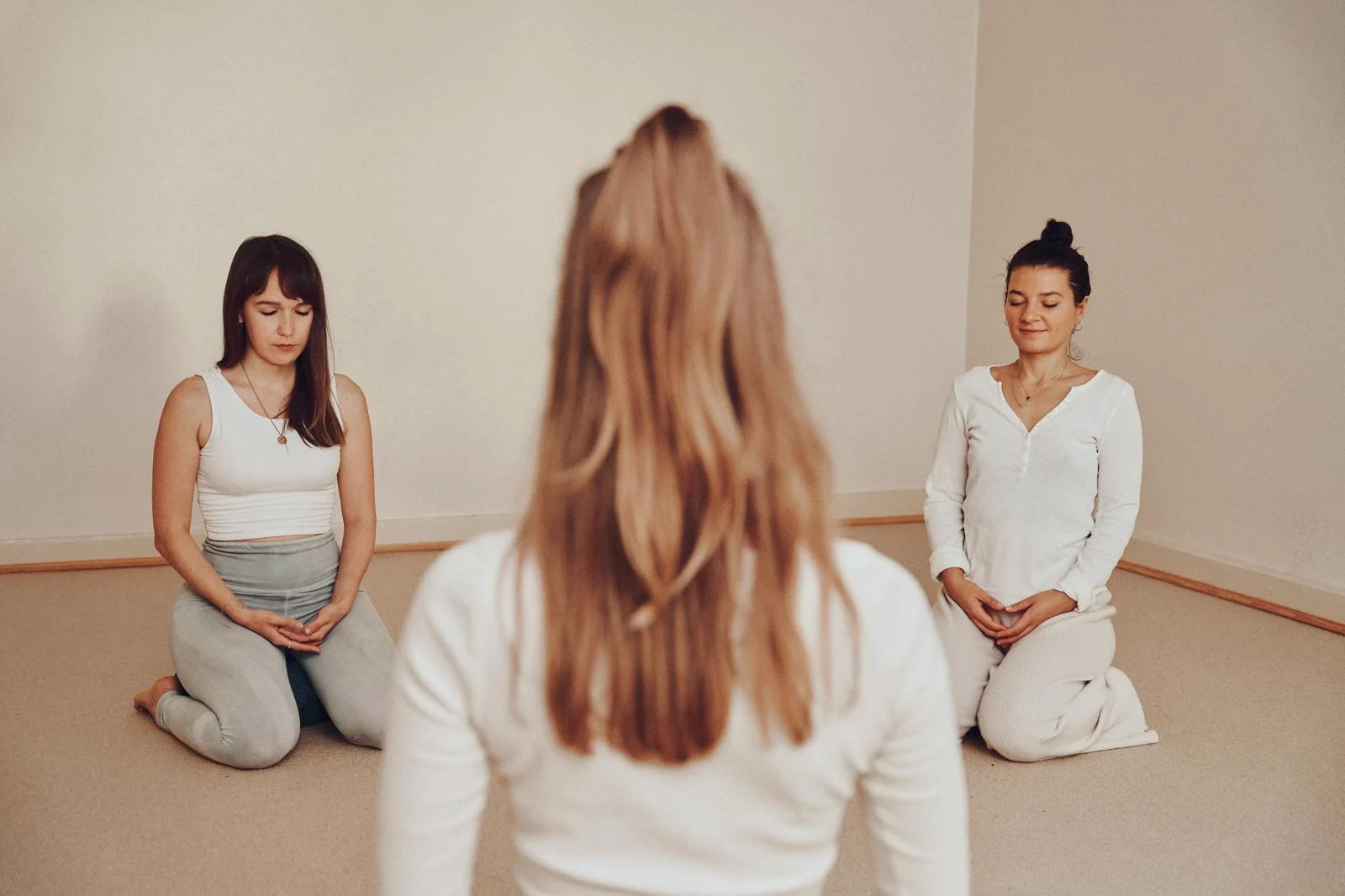
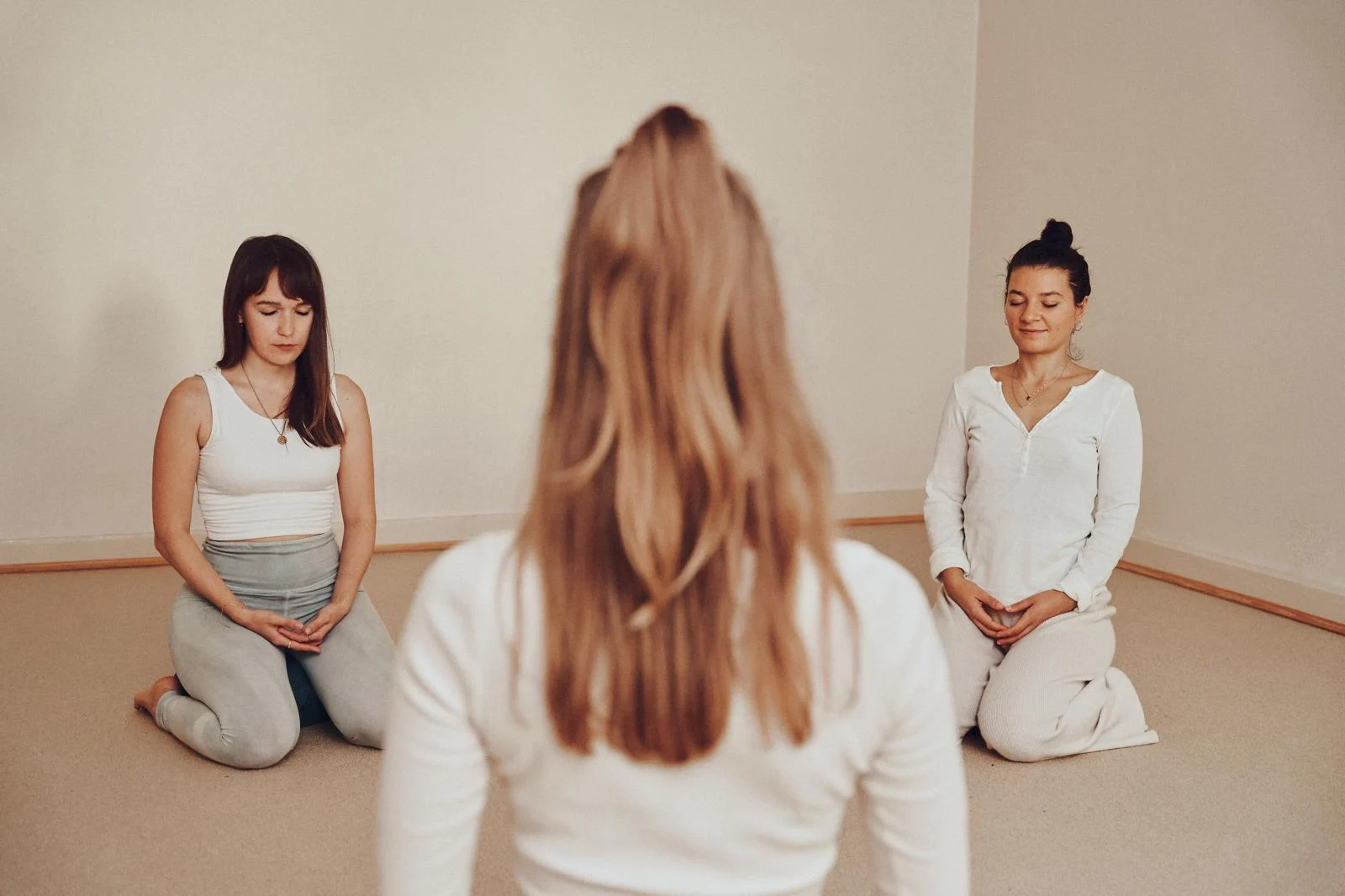
First, you develop your own practice
Before we can accompany others, we first need to gain experience ourselves. That is why a well-founded training programme does not start with teaching straight away, but with your own meditation practice. It also means you don’t necessarily need years of prior experience to start training with us. We begin at square one.
In a range of weekly live online sessions (Wednesdays from 19:00-20:30, recordings included), we deepen your practice and try out different types of meditation. Along the way, you discover which form you particularly enjoy and benefit from, and you feel the clear differences between the various methods. So that you always feel well supported and guided, we always practise together in the live groups. This way, you receive direct, individual guidance as well as personal feedback and exchange within the training group.
In addition, you can flexibly choose 3 retreat days from our monthly retreats, and you receive one year of free access to our online meditation studio “MindClub”.
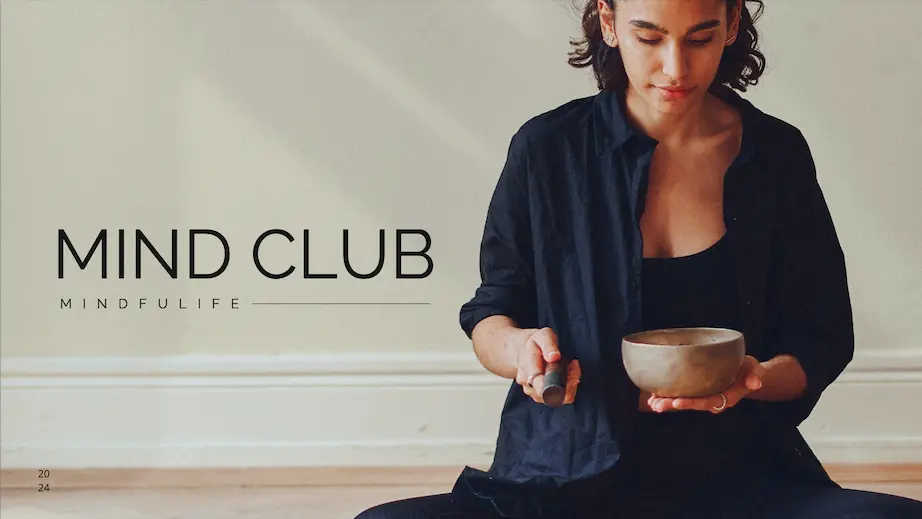
This is how we want to enable you to immerse yourself even more deeply in meditation and try out different practices.
All of this may sound like a lot at first. But on average, you can plan on 3 hours per week for the training. Because you can organise your hours very flexibly, you can complete the training alongside work, everyday life, university or family.
You understand why meditation works
As we delve deeper into the individual practices, we don’t simply practise different types of meditation – such as focus meditation (Shamatha) – but also look ever more closely at how and why each type of meditation affects our brain and nervous system. In this way, we combine practice with essential theory and knowledge from psychology, neuroscience and philosophy.
Our three trainers have many years of professional background in exactly these fields and will support you throughout the entire training. That is what makes our training so special.
Because we know that theory often only sinks in after being revisited several times, we have created a companion book of over 100 pages that will guide you on your journey. This gives you the opportunity to read up, explore and reflect again and again.
By the end of your training, you won’t just be able to meditate well – you will also be an expert in the field.
You learn to guide people
Once you have been able to build up your own meditation practice and get to know and practise different types of meditation, the next step is learning how to guide other people safely and competently – from a single meditation to your own course.
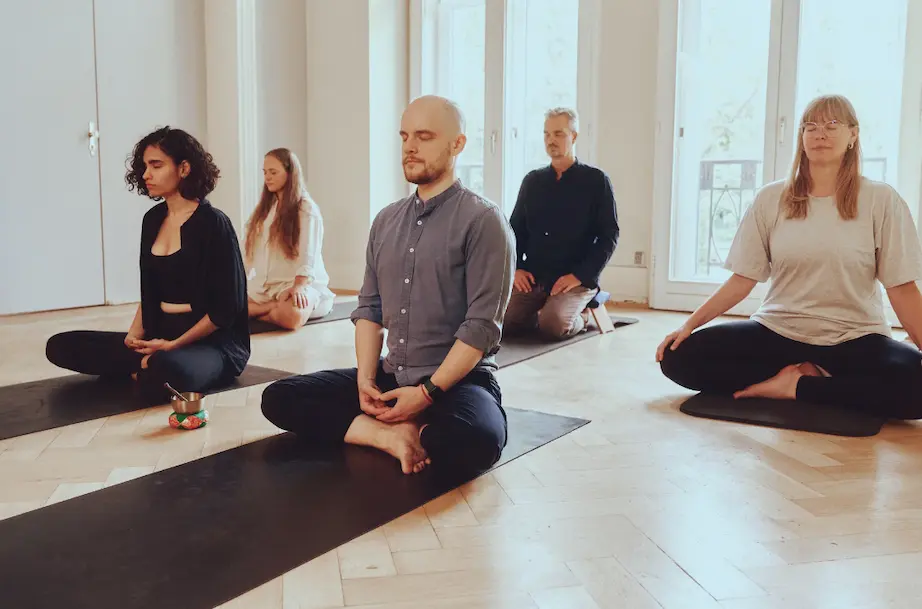
This is about more than simply passing on knowledge and technique. What matters to us is supporting you in finding your own authentic way of teaching. We look closely at your language, voice, presence and the way you work with the group, and we give you feedback. Not to judge you, but to help you discover your personal expression – one that feels right both for you and for your future groups.
You gain practical experience
Nobody becomes a meditation teacher just by watching videos. And that is exactly why we have our live sessions. Personal exchange, direct feedback and practising together are the heart of our training, because we are convinced that this is how you learn best.
At the end, there will also be various forms of assessment so that you feel truly ready. These include:
- Taking part in 40 live meditations
- 3 meditation recordings (creating your own audios)
- 1 video of your meditation posture (for self-reflection & to receive feedback)
- 1 reflective essay (approx. 1,000 words)
- Taking part in 3 retreat days of your choice
This may sound like a lot at first, but you will notice that these set exercises give you the confidence you are looking for and can rely on in the future. This training is meant to be the foundation you build on.
You develop your own style
Good meditation teachers don’t all sound the same. Courses don’t simply pass on knowledge – every session gets a very personal touch through your experiences, your presence and impact, your convictions and your character. That is exactly what matters to us: that you don’t just guide one meditation among many, but can also pass on a piece of yourself.
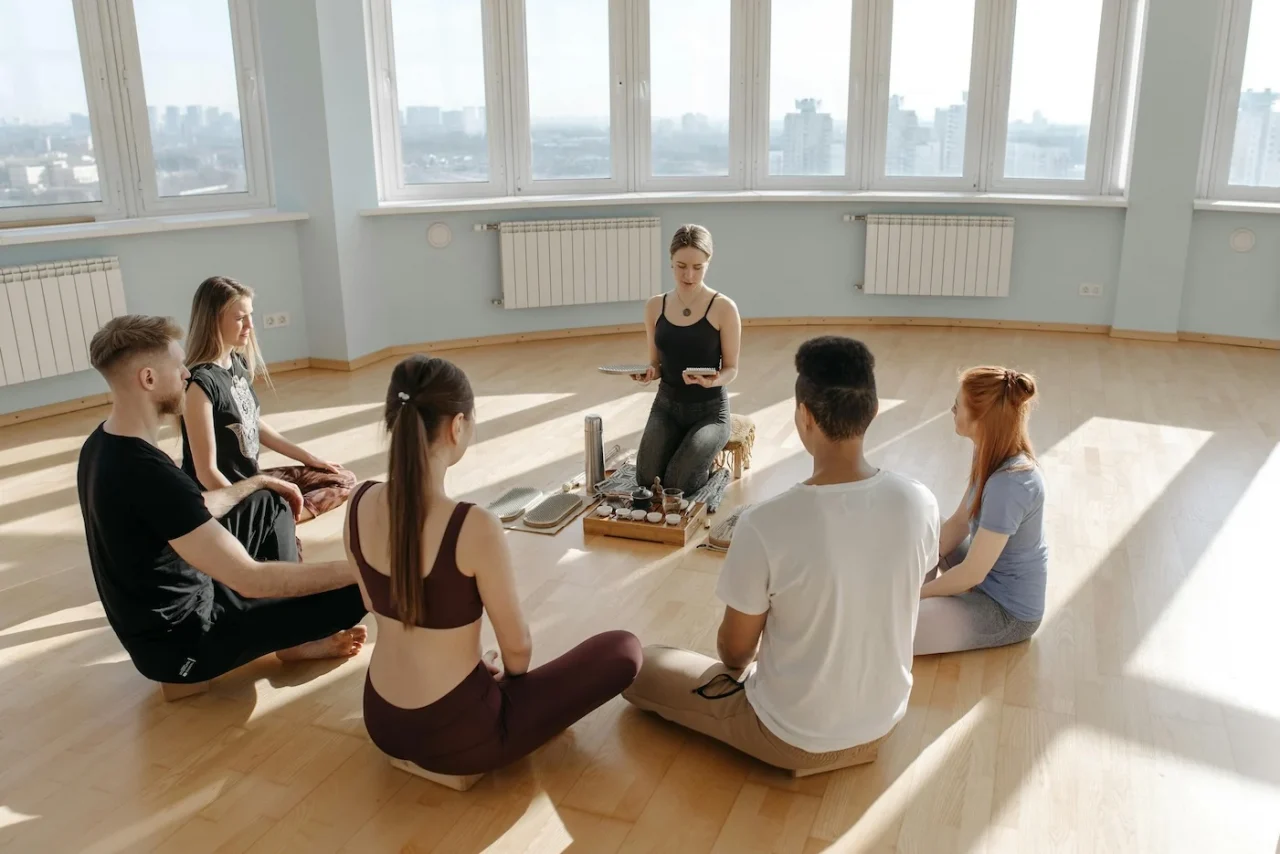
In the end, you won’t feel as though you have read a book. You will feel as though you have lived it. And that is exactly why all of these pillars matter. Only their combination makes a well-founded, holistic training possible.
Conclusion
Good meditation teacher training does more than pass on knowledge. It gives you the chance to grow yourself and to accompany people mindfully.
If you are now curious and would like to know more about how we teach this content at Mindfulife, you will find all the information on our training page.
We would be delighted to accompany you on your journey in the future. Sign up NOW before our 20 places are taken!
Melanie Schimkus (psychology student)
More about meditation teacher training in the video
If you would like to find out even more about training with Mindfulife, Phil gives you a personal insight into the meditation teacher training in this video:
Phil Pham (2025): “Your path to authenticity – everything about the meditation teacher training at Mindfulife”
Deepen your meditation practice with Mindfulife
Meditation can be more than a short break in your everyday life. If you would like to understand more deeply how meditation works, how to build a steady practice of your own and how to guide others mindfully, our meditation teacher training is the next step. There you will not only get to know meditation in theory, but also develop more confidence, clarity and trust in your own practice.
Would you like to find out more about the training first? In our weekly webinar you will get an insight and learn more about what your path to becoming a meditation teacher could look like.
For regular support in your everyday life, you can also use our online meditation studio and join guided meditations flexibly via Eversports.
We look forward to accompanying you on your journey.