Understanding Neurodiversity: What Does Neurodivergence Mean – and Why Is Being Different Not a Deficit?

 · 8 min read
Have you ever wondered why some people seem to cope effortlessly with lots of stimuli, while others quickly feel overwhelmed? Why some can stay absorbed in a topic for hours, while others constantly need new input? Or why social situations seem second nature to some people and can be incredibly exhausting for others?
The answer doesn’t necessarily lie only in personality, upbringing or motivation. Often, it has much more to do with how our brain processes information.
This is exactly what Neurodiversity Pride Day, held every year on 16 June, is all about. The awareness day draws attention to the diversity of human ways of thinking, learning and perceiving, and campaigns for greater understanding and acceptance of neurological differences.
But what exactly do terms like neurodiversity and neurodivergence mean? And why are they relevant to more and more people?
What does neurodiversity mean?
Neurodiversity describes the natural diversity of human brains and nervous systems. The term goes back to the sociologist Judy Singer, who coined it in the late 1990s.
The basic idea is simple: there is no single ‘right’ way to think, learn or perceive the world. People differ in their neurological characteristics – just as they differ in their personality, their talents or their appearance.
Neurodiversity is not a diagnosis. Rather, the term describes the fact that human brains work differently and that these differences are a natural part of our society. (Dwyer, 2022).
Neurotypical or neurodivergent – what’s the difference?
In the context of neurodiversity, you will often come across the terms neurotypical and neurodivergent.
Neurotypical describes people whose perception, information processing and behaviour largely correspond to society’s expectations and norms.
Neurodivergent people, on the other hand, are those whose brain processes information differently from the majority of the population.
Importantly, neurodivergence does not automatically mean illness or deficit. In the first instance, the term simply describes a neurological deviation from what is statistically most common.
Many neurodivergent people find everyday life challenging not because something is ‘wrong’ with them, but because their needs often don’t fit the structures and expectations of their surroundings.
What forms of neurodivergence are there?
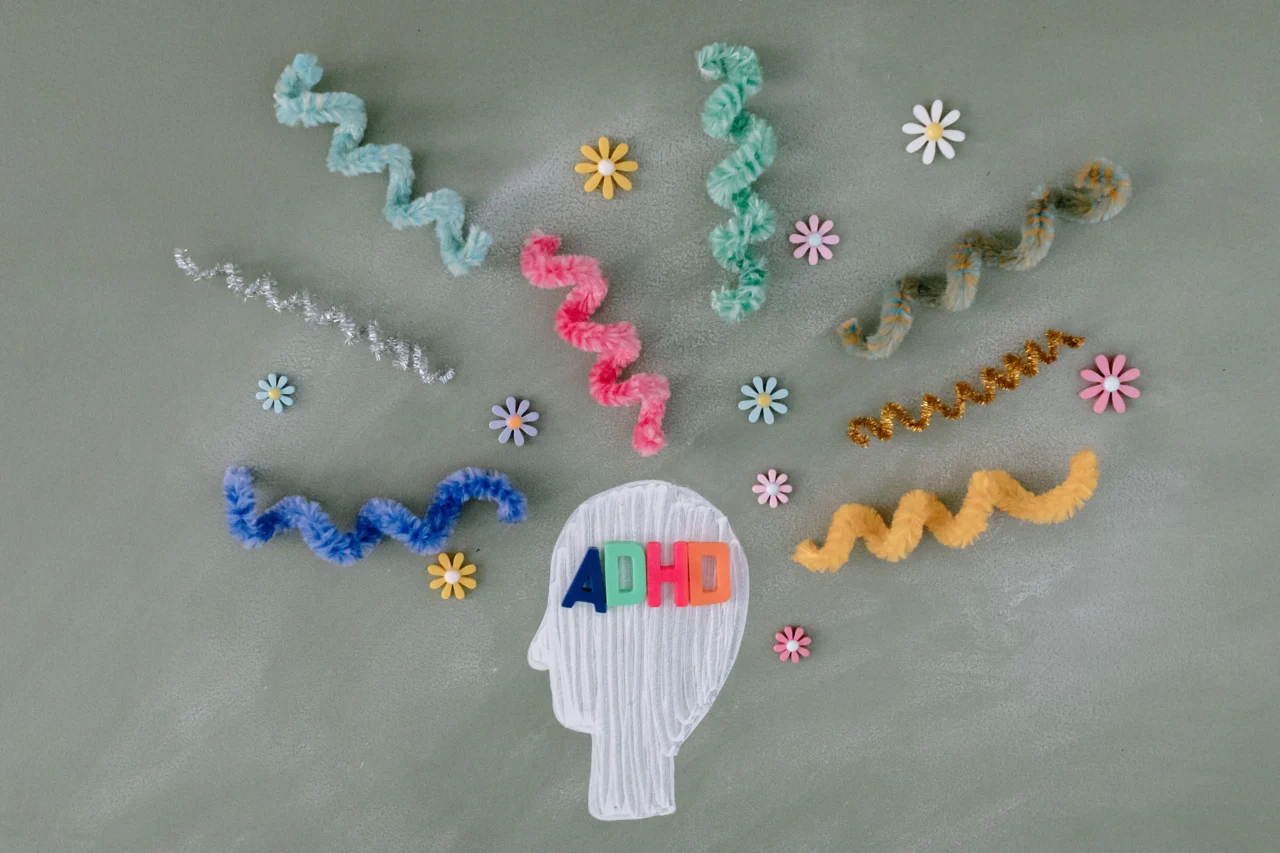
Neurodivergence is an umbrella term covering various neurological profiles. These include, among others:
- ADHD (attention deficit hyperactivity disorder)
- Autism spectrum disorder
- Dyslexia (reading and spelling disorder)
- Dyscalculia
- Tourette syndrome
- Giftedness
Not every form of neurodivergence shows up in the same way. Even people with the same diagnosis can have very different experiences.
Perhaps you have already read our article on the related topic of high sensitivity? Although not all experts classify high sensitivity as a form of neurodivergence, many highly sensitive people report similar experiences, such as intense perception or heightened sensitivity to stimuli. High sensitivity is therefore often seen as a kind of bridge towards neurodivergence.
When the world is perceived differently
Everyone experiences the world in their own way. For neurodivergent people, however, certain situations can be particularly challenging.
An open-plan office that most people simply find lively can feel like a constant storm of stimuli to others. A spontaneous change of plan that some would barely mention can trigger stress or uncertainty in others. At the same time, topics that spark genuine interest can lead neurodivergent people to remarkable levels of concentration and stamina.
Challenges often arise not solely from the neurological differences themselves, but also from an environment that assumes certain ways of thinking and behaving as the norm. Researchers point out that factors such as social exclusion, misunderstandings or pressure to conform can have a significant impact on the mental wellbeing of neurodivergent people (Botha & Frost, 2020).
Perhaps you know the feeling yourself that certain situations cost you considerably more energy than they do other people. Or that you often wonder why things that seem self-evident to others are so exhausting for you. It is precisely experiences like these that lead many people to explore the topic of neurodivergence.

Why do many people only recognise their neurodivergence later in life?
In recent years, public awareness of neurodivergence has grown considerably. At the same time, many people only receive their diagnosis in adulthood.
This is reported particularly often in connection with ADHD or autism. Many of those affected have spent years or even decades learning to adapt and meet expectations. They function in everyday life, complete their training or studies, build relationships and go to work. But this often comes at a high inner cost.
In this context, people often speak of masking. This means consciously or unconsciously suppressing one’s natural behaviour in order to fit in better or avoid standing out. From the outside, everything then seems normal. On the inside, however, exhaustion, stress, self-doubt or the feeling of constantly having to play a role can develop.
Studies on so-called ‘social camouflaging’ show that while this form of adaptation can help people meet social expectations, it is also frequently associated with psychological strain and the feeling of having to hide one’s authentic self (Hull et al., 2017).
This constant adaptation can also cause the way you see yourself and the image others have of you to drift further and further apart. Many of those affected report deep self-doubt or the feeling that they haven’t really earned their successes – an experience that closely resembles what is known as impostor syndrome.
Precisely because many people have spent years learning to mask their differences or adapt to the expectations of those around them, neurodivergence often goes unrecognised for a long time. All the more often, those affected report that a later diagnosis or engaging with the topic explained a great deal in hindsight. Behaviours that were previously seen as personal weakness, a lack of discipline or simply ‘being different’ suddenly make sense. For many, this understanding marks the beginning of a new and often kinder view of their own needs.
Why neurodivergence isn’t only about challenges
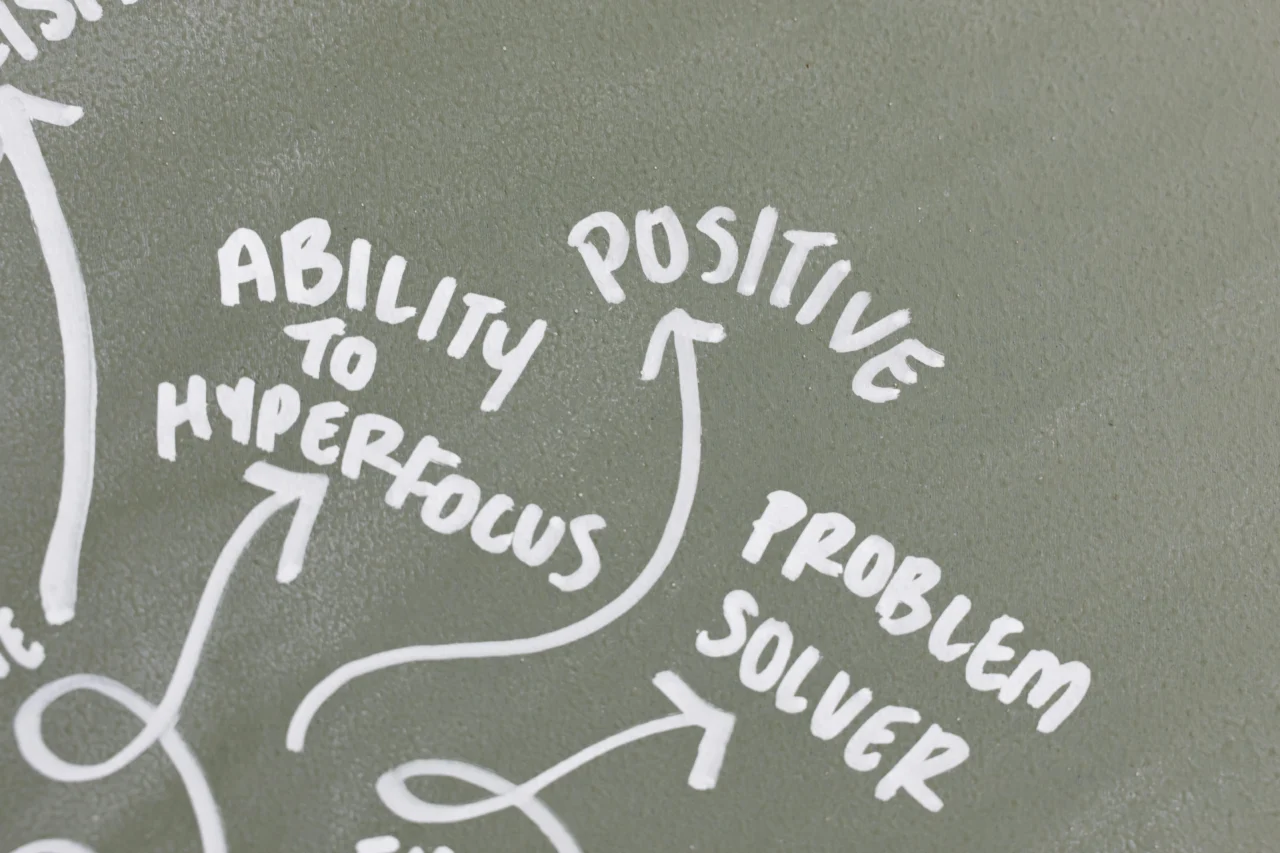
When neurodivergence is discussed, the focus is often on difficulties. Yet this perspective falls short. Many neurodivergent people have particular strengths that can be valuable in certain situations.
These include, for example:
- creativity and original approaches to solving problems
- a keen eye for detail
- strong powers of concentration in areas of interest
- analytical thinking
- pattern recognition
- great passion for particular topics
At the same time, it would be wrong to romanticise neurodivergence or portray it as a ‘superpower’. Every person has their own individual strengths and challenges. And whether strengths can actually be lived out often depends heavily on one’s current environment and life circumstances.
Neurodivergence, then, is neither a flaw nor automatically a special gift. It is part of human diversity.
What does mindfulness have to do with neurodiversity?
You might be wondering what mindfulness can do in this context.
Mindfulness doesn’t change the way your brain works. Nor does it need to. It can, however, help you get to know your own perception better and become more aware of your own needs.
Especially for people who have spent a long time adapting or have often felt that they were ‘wrong’, this can be a valuable experience.
Mindfulness invites you to look at your own experiences with curiosity:
- What gives me energy?
- Which situations overwhelm me?
- Which stimuli do I perceive especially intensely?
- Where do I need breaks or time to withdraw?
- How do I actually talk to myself?
Instead of constantly orienting yourself towards other people’s expectations, mindfulness can help you shift the focus back onto your own experience. Many neurodivergent people have spent years learning to adapt, to push through or to put their needs last. This can easily create the impression that you just need to become more resilient, more organised or more ‘normal’.
Mindfulness can help break this automatic pattern. It creates a space in which you can notice what is really going on inside you – without having to judge it or change it straight away.
Perhaps it will help you notice sooner when your energy is running low. Perhaps you’ll recognise that you need a break before exhaustion becomes too great. Or you may realise that certain situations, environments or social contacts drain more of your strength than you had wanted to admit.
The better you understand your own needs, the easier it becomes to set healthy boundaries. That might mean saying no more often, deliberately scheduling breaks or giving yourself permission not to keep pace with other people all the time.
Mindfulness can also help you let go of the often burdensome habit of comparing yourself with others. Not everyone needs the same routines, the same amount of social contact or the same way of working in order to feel good. What works for others won’t automatically suit you.
Instead of measuring yourself against a supposed norm, you can learn to trust your own perception more and treat yourself with greater care. Self-compassion, acceptance and a better understanding of your needs are often more valuable companions than the constant attempt to fit in.
This doesn’t mean that all challenges will disappear. But it can help you be kinder to yourself, notice your limits sooner and take better care of yourself.

Neurodiversity as an enrichment
Neurodiversity reminds us that there isn’t just one right way to experience the world. People think, learn, communicate and perceive their surroundings in different ways. This diversity gives rise to different perspectives, ideas and approaches to solving problems, and enriches the way we live together.
At the same time, neurodiversity doesn’t only concern people who see themselves as neurodivergent. Wherever people live, learn, work or have relationships together, people with different ways of thinking and perceiving meet. A better understanding of neurodiversity can help reduce misunderstandings, break down prejudice and create an environment in which people feel seen with their individual needs.
After all, the better we understand that people function differently, the easier it is for us to meet one another with openness, respect and empathy.
Conclusion
Neurodiversity describes the natural diversity of human brains. Neurodivergence is part of this diversity and covers various neurological profiles such as ADHD, autism or dyslexia.
For many of those affected, engaging with the topic is more than just a theoretical question. It can help them make better sense of their own experiences, understand their challenges and become more aware of their own needs.
That is why Neurodiversity Pride Day is not only about knowledge and raising awareness. It is also about not judging differences straight away, but meeting them with curiosity and understanding – in other people as well as in ourselves.
Because there is no single right way to think, feel or perceive the world. Human diversity is not a mistake to be corrected, but part of what makes our society what it is.
Melanie Schimkus (psychology student)
Deepen your meditation practice with Mindfulife
Meditation can be more than a short break in your everyday life. If you would like to understand more deeply how meditation works, how to build a steady practice of your own and how to guide others mindfully, our meditation teacher training is the next step. There you will not only get to know meditation in theory, but also develop more confidence, clarity and trust in your own practice.
Would you like to find out more about the training first? In our weekly webinar you will get an insight and learn more about what your path to becoming a meditation teacher could look like.
For regular support in your everyday life, you can also use our online meditation studio and join guided meditations flexibly via Eversports.
We look forward to accompanying you on your journey.
You can find more mindfulness inspiration on our channels too
References
Botha, M., & Frost, D. M. (2020). Extending the minority stress model to understand mental health problems experienced by the autistic population. Society and Mental Health, 10(1), 20–34. https://doi.org/10.1177/2156869318804297
Dwyer, P. (2022). The neurodiversity approach(es): What are they and what do they mean for researchers? Human Development, 66(2), 73–92. https://doi.org/10.1159/000523723
Hull, L., Petrides, K. V., Allison, C., Smith, P., Baron-Cohen, S., Lai, M.-C., & Mandy, W. (2017). “Putting on my best normal”: Social camouflaging in adults with autism spectrum conditions. Journal of Autism and Developmental Disorders, 47(8), 2519–2534. https://doi.org/10.1007/s10803-017-3166-5
Singer, J. (1998). Odd people in: The birth of community amongst people on the autism spectrum (Unpublished honours thesis). University of Technology Sydney.